A New Chapter for NYC Icons: The $22.2 Million Acquisition of The Fireman Group

After months of financial volatility and uncertainty that threatened the future of some of New York City’s most storied dining institutions, a definitive path forward has emerged. A court-approved bankruptcy auction has finalized a $22.2 million deal that will see The Fireman Group’s portfolio of iconic restaurants transition to new ownership under Landry’s and TREW Capital Management.
The deal, ratified by a federal bankruptcy court on Thursday, brings an end to a turbulent period for a hospitality group that has defined the character of Midtown Manhattan and beyond for over half a century. As the dust settles, the transition marks a significant consolidation in the New York City dining landscape, placing beloved venues like the Brooklyn Diner and Café Fiorello into the hands of national hospitality giants.
Main Facts: The Anatomy of the Deal
The $22.2 million transaction serves as a lifeline for a collection of restaurants that had been operating on the precipice of closure. Under the terms of the agreement, the assets of The Fireman Group have been bifurcated between two prominent players in the hospitality industry:
- Landry’s: Led by billionaire entrepreneur Tilman Fertitta, the hospitality behemoth will take over the operations of three flagship locations: Bond 45, Café Fiorello, and Trattoria Dell’Arte.
- TREW Capital Management: Known for its expertise in acquiring and revitalizing distressed hospitality brands, TREW Capital will assume control of Paris Bar, Le Jardin, Café Paradiso, the Brooklyn Diner, and the Brooklyn Delicatessen.
For the 800-plus employees whose jobs were imperiled by the group’s bankruptcy filing in August, the acquisition provides a necessary sense of stability. While the transition will inevitably involve changes in management, the involvement of these two groups suggests a strategic intent to preserve the brand equity of these establishments rather than dismantle them.
A Chronology of Decline and Renewal
To understand the necessity of this sale, one must examine the decade-long erosion of The Fireman Group’s financial foundation.
The Legacy of Sheldon "Shelly" Fireman
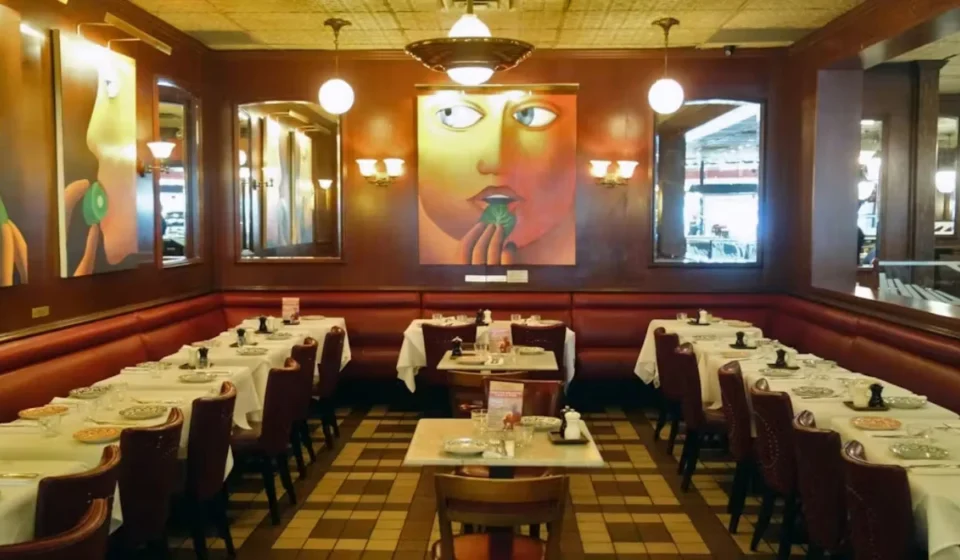
The group was built on the vision of the late Sheldon “Shelly” Fireman, a restaurateur whose influence spanned generations. Fireman’s journey began in 1963 with the opening of The Hip Bagel in Greenwich Village. Over the following decades, he became a master of "location-based dining," positioning his restaurants near major cultural hubs like Lincoln Center and Broadway theaters. His portfolio became synonymous with the "New York experience," with venues like Café Fiorello (50+ years), Trattoria Dell’Arte (nearly 40 years), and the Brooklyn Diner (roughly 30 years) serving as institutional anchors.
The Catalyst for Bankruptcy
The decline was not an overnight occurrence. According to court filings, the company’s financial health began to deteriorate several years ago, exacerbated by high-cost construction projects and significant insurance-related losses following a devastating restaurant fire.
The COVID-19 pandemic acted as a final, crushing blow. The prolonged closure of Broadway theaters, the evaporation of international tourism, and the shift toward remote work emptied the Midtown office towers that served as the lifeblood of the group’s customer base. As revenue plummeted, the company turned to aggressive merchant cash advances to stay afloat. These high-interest instruments created a "debt trap," where future revenue was cannibalized to pay for current operations.
The Final Collapse
The situation turned critical when disputes with lenders led credit-card processors to withhold millions in restaurant revenue. By the time the company filed for Chapter 11 bankruptcy in August—less than a year after the passing of its founder—the firm reported less than $100,000 in available cash, signaling an imminent collapse.
Supporting Data: The Bidding War
The bankruptcy auction was a highly contested affair, highlighting the inherent value still perceived in these historic brands despite their recent financial mismanagement.
Landry’s initial entry into the fray was a modest $9.5 million offer, specifically targeting the high-profile trio of Bond 45, Café Fiorello, and Trattoria Dell’Arte. However, as the auction progressed, the competition intensified.
A significant challenge came from FHGRF LLC, a lender to the bankrupt entity. The bid from FHGRF was notable for its internal conflict of interest: Fireman Group CEO Benjamin Grossman held a 35.8 percent ownership stake in the bidding firm. Had the FHGRF bid succeeded, it would have effectively kept the existing leadership in place. Ultimately, the court favored the Landry’s/TREW Capital path, signaling a clean break from the management structure that oversaw the company’s descent into insolvency.
Official Responses and Strategic Implications
The entry of Landry’s and TREW Capital into the New York market is a strategic move that carries different implications for each firm.
Landry’s: The Hospitality Titan
Tilman Fertitta’s Landry’s operates hundreds of restaurants globally, including high-end concepts like Morton’s, Mastro’s, and The Palm. Their acquisition of the Fireman Group’s "big three" assets is a play for prime Manhattan real estate and established foot traffic. Landry’s possesses the infrastructure, supply chain leverage, and marketing budget to stabilize these restaurants, which had been suffering from operational inefficiencies and a lack of investment.
TREW Capital: The Turnaround Specialists
TREW Capital, which manages approximately 80 restaurants and employs over 2,000 people, specializes in the "distressed asset" playbook. Their portfolio—which includes BurgerFi, Bar Louie, and Anthony’s Coal Fired Pizza—demonstrates a model of acquiring brands that have lost their way and injecting them with capital and modernized operational systems. By taking over the Brooklyn Diner and its sister concepts, TREW is clearly betting on the long-term recovery of the Midtown and tourist-centric dining sectors.
The Fate of Leadership
One of the most consequential outcomes of the sale is the departure of CEO Benjamin Grossman. Court documents confirm that following the failed bid by his affiliate firm, Grossman is not expected to receive an offer to remain with the company. While some rank-and-file staff are expected to transition to the new ownership groups, the corporate leadership of The Fireman Group will be entirely replaced, reflecting the new owners’ desire to wipe the slate clean.
Implications for the Future of NYC Dining
The sale of The Fireman Group assets is emblematic of a broader trend in the post-pandemic restaurant industry: the consolidation of independent "institution" brands into the portfolios of large-scale hospitality groups.
Operational Stability vs. Local Character
For the regular patrons of Café Fiorello or the Brooklyn Diner, the question remains: will the character of these venues remain intact? Large groups like Landry’s are often criticized for homogenizing dining experiences, yet their deep pockets provide the very resources needed to perform necessary renovations and maintain service levels that were clearly failing under the previous management.
The Economic Ripple Effect
The $22.2 million infusion will satisfy many of the creditors who were left exposed during the company’s collapse. However, the true success of this transition will be measured by the retention of the workforce and the ability of the new owners to adapt these legacy brands to the modern NYC diner.
As the city continues to navigate changing work patterns and shifting tourism trends, the survival of these restaurants is a positive signal for the Midtown corridor. By removing the burden of predatory debt and placing the venues in the hands of operators with proven track records, the court has essentially saved these institutions from permanent closure.
The Fireman Group may be fading into history, but the restaurants it built appear destined to serve another generation of New Yorkers. The transition period, expected to conclude in the coming months, will be a closely watched case study in how heritage brands survive the intersection of bankruptcy, institutional investment, and the relentless evolution of the New York City dining scene.