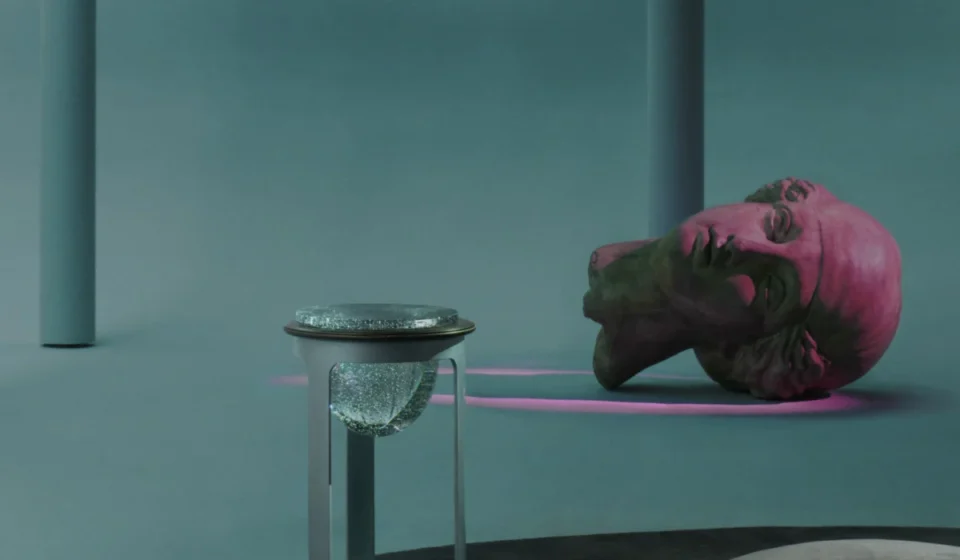

After a contemplative five-year hiatus, the New York-based design powerhouse Apparatus has broken its silence, signaling a monumental shift in its creative trajectory. With the debut of Act V: Afsaneh, artistic director Gabriel Hendifar has moved beyond the studio’s reputation for industrial-chic materiality to embrace a deeply personal, myth-infused narrative. This collection is not merely a catalog of furniture and lighting; it is a profound exploration of the cyclical nature of life, the divine feminine, and the intersection of cultural heritage and modern design.
The Core Narrative: A Modern Fable
The title Afsaneh is a masterclass in dual meaning. In Persian, the word translates to "fable," yet it is also the name of Hendifar’s mother. This confluence of the universal and the intimate serves as the anchor for the entire project. By structuring the collection as a "modern fable" told across four distinct, interconnected chapters, Hendifar invites the audience into a journey that traces the arc of existence—from the initial spark of creation to the eventual return to the source.
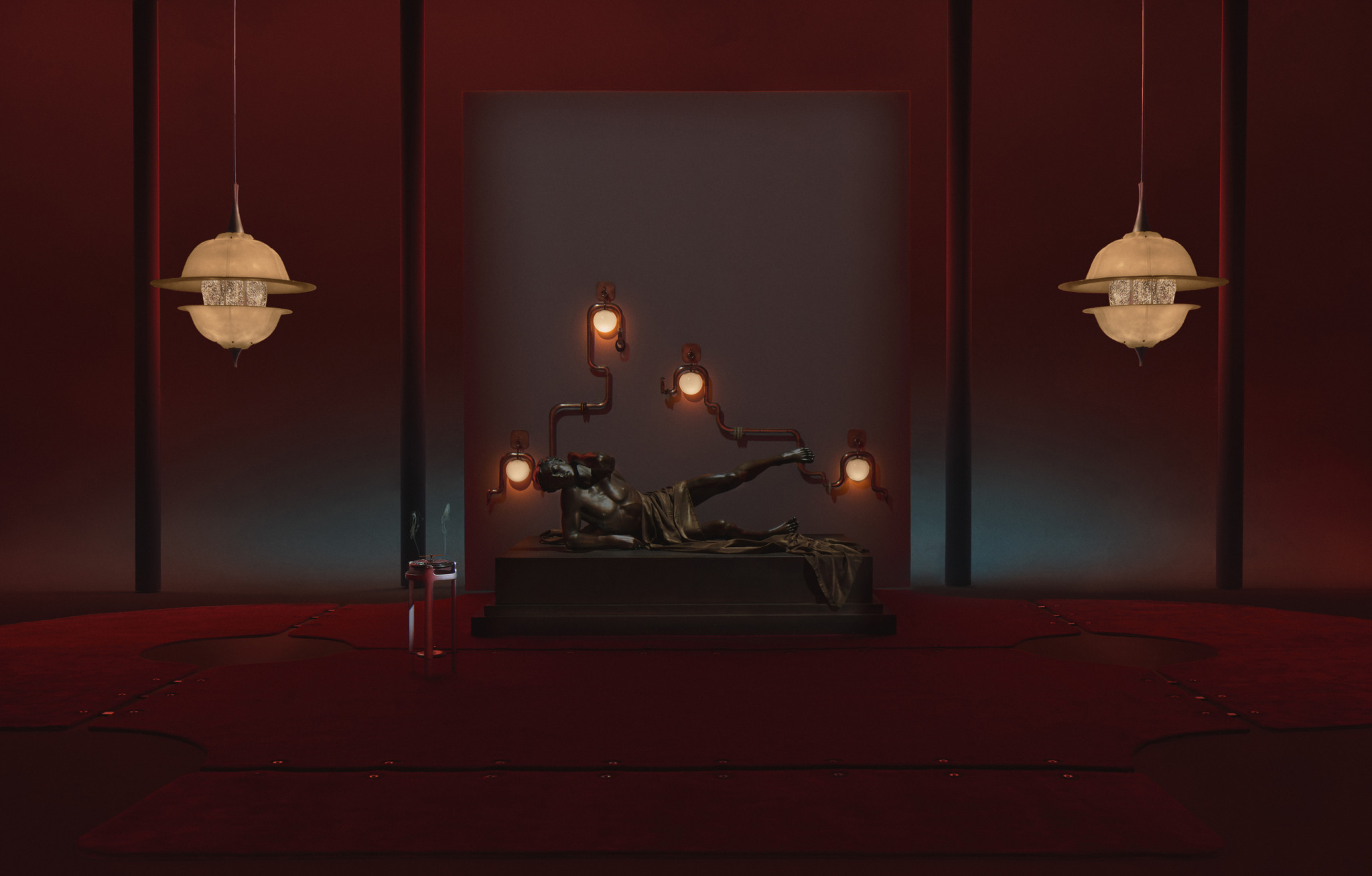
Hendifar describes the collection’s rhythm as an observation of life’s perpetual cycles: "Creation and destruction. The separation from self and the return. It’s in these cycles that the collection finds its rhythm. The seed becomes the flower. We gather to celebrate its dance with the sun and breathe in the gift of its scent, however fleeting. And at the center of this beauty is the divine feminine—the source, the creative force, the nurturer within each of us."
Chronology of the Four Chapters
The collection is segmented into four acts, each rooted in Persian etymology and thematic development:

1. Esfand: The Seed
Representing the inception of all things, Esfand—named after the 12th month of the Persian calendar—symbolizes fertility and protection. Traditionally associated with the warding off of the "evil eye," this chapter introduces a color palette evocative of the natural world. Finishes range from the muted tones of milk and honey to the vibrant, earthy hues of pomegranate, sky, dusk, and night, all rendered in meticulous lacquer.
2. Gol: The Flower
If Esfand is the origin, Gol is the bloom. This chapter focuses on the transformation of raw materials into organic, flourishing forms. Hendifar utilizes molded fiberglass to create membrane-like surfaces that challenge the rigidity typically associated with high-end furniture. The floral theme is punctuated by the release of a namesake fragrance—Afsaneh—which blends damask rose, oud, and frankincense, marking the first time the studio has integrated scent as a formal material component.

3. Rahvi: The Serpent
Representing the transmission of knowledge, Rahvi leans into the sinuous and the symbolic. Using water-formed brass and hand-blown glass, the pieces in this chapter trace serpentine lines that feel both fluid and ancient. The inclusion of semiprecious stones—tiger’s eye, black onyx, quartz, honey agate, red jasper, lapis lazuli, and aventurine—acts as a grounding force, bestowing the furniture with the weight of an amulet.
4. Jahaan: The World
The final chapter, Jahaan, shifts the lens toward the communal. By utilizing bronze and aluminum in conjunction with cast glass, these pieces evoke the cosmos. It is a meditation on shared experience, shifting from the internal discovery of the earlier acts to the external reality of existence within a collective society.

Supporting Data and Technical Evolution
For long-time observers of Apparatus, Act V represents a technical departure. While the studio’s signature materials—brass, bronze, and glass—remain the primary language, the application of new processes marks a maturation of their craft.
The move toward "water-forming" and complex fiberglass molding suggests a desire to achieve greater movement in static objects. The pieces sit in an liminal space between the architectural and the organic. By eschewing the stark, boxy forms often associated with luxury design, Hendifar has introduced curves, suspension, and layered transparencies that allow the pieces to breathe.

Furthermore, the collaboration with the Martha Graham Dance Company provides a unique data point in the studio’s history. By commissioning five short films that interpret the collection through the lens of modern dance, Hendifar is signaling that his work is no longer just about the objects, but about the envelope—the space that objects create for human movement and experience.
Official Perspectives: The Hendifar Philosophy
In discussions surrounding the launch, Hendifar has been candid about his desire to break away from the "siloed" approach to design. He argues that creating an isolated chair or lamp is insufficient; rather, he views his work as world-building.

"I consider the heart of my work to be creating the envelope for human experience," Hendifar stated during the press preview. "And there is no more beautifully distilled expression of that experience than Martha’s language of movement."
By partnering with the Martha Graham Dance Company, Hendifar is positioning Apparatus not as a furniture manufacturer, but as an interdisciplinary design house that views physical objects as props in a larger, human performance. The episodic release of the films, starting in the fall of 2026, ensures that the narrative of Afsaneh is not consumed in a single, frenetic moment of product consumption, but rather unfolds slowly, mirroring the "cyclical" theme of the work itself.

The Global Implications: A New Era for Apparatus
The premiere of Act V: Afsaneh in New York serves as the kickoff for a broader global tour. With presentations scheduled for London, Miami, and Los Angeles through early 2027, Apparatus is testing a localized strategy. Each city is expected to receive a unique interpretation of the collection, reinforcing the idea that the "fable" changes depending on the audience and the environment in which it is told.
Market Impact
The five-year hiatus has created a significant amount of anticipation in the interior design market. By focusing on narrative-driven design rather than purely functional utility, Apparatus is effectively insulating itself from the volatility of trends. They are banking on the idea that collectors are looking for "storytelling" objects—pieces that carry the weight of mythology and personal history.

The Future of "Storytelling" Design
Act V may set a new precedent for how high-end design houses launch collections. By integrating fragrance, cinematic film, and performance art, Apparatus is creating a "total work of art" (or Gesamtkunstwerk). This approach elevates the purchase of a piece of furniture into an act of participation in a broader artistic movement.
As the collection makes its way across the globe, it will be interesting to observe how the design community responds to the blend of Persian cultural heritage and modernist construction. Is this a trend toward "mythological minimalism"? Or is it, as Hendifar suggests, simply a return to the basics of human storytelling?

Ultimately, Act V: Afsaneh is a testament to the idea that design is never finished. It is a cycle. Whether in the form of a pendant light or a bronze sculpture, these objects are designed to be lived with, to be moved around, and to serve as witnesses to the stories of their owners. In an era of mass production and digital ephemera, Apparatus has chosen to double down on the tactile, the mythic, and the enduring. For Hendifar, the fable is only just beginning.