The Art of the Dream: Inside Florence’s Newest Renaissance Masterpiece, Palazzo Sogni

In the heart of Florence, where the echoes of the Renaissance resonate off every cobblestone, the challenge of hospitality design is rarely about creating something new—it is about honoring what has always been there. At the newly unveiled Palazzo Sogni, a 30-room sanctuary located mere steps from the iconic Duomo, designers Elena and Giulia Sella have achieved a delicate, near-impossible equilibrium. They have transformed a 16th-century architectural relic into a contemporary hotel that feels less like a place of lodging and more like an immersive, waking dream.
Main Facts: A Convergence of Centuries
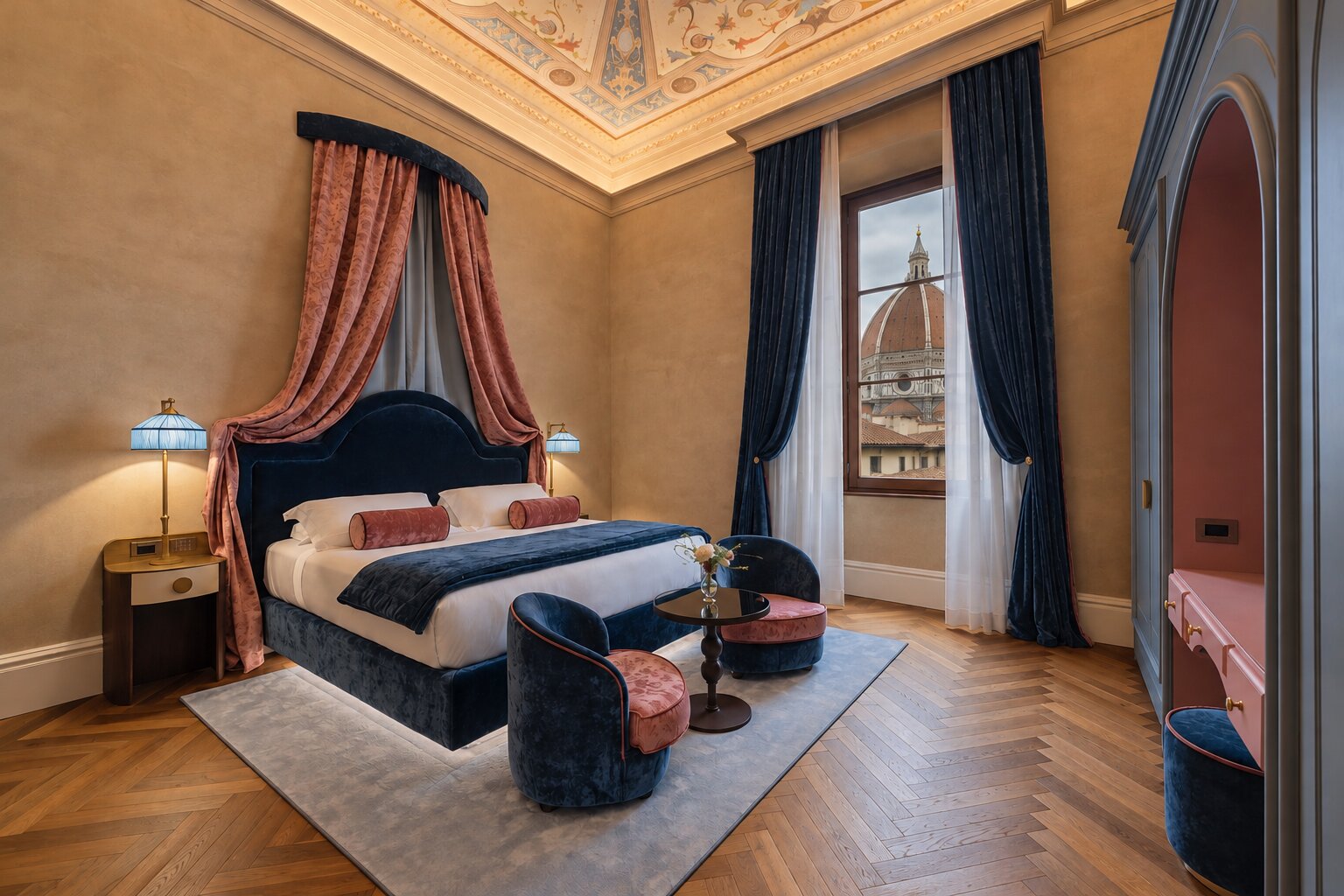
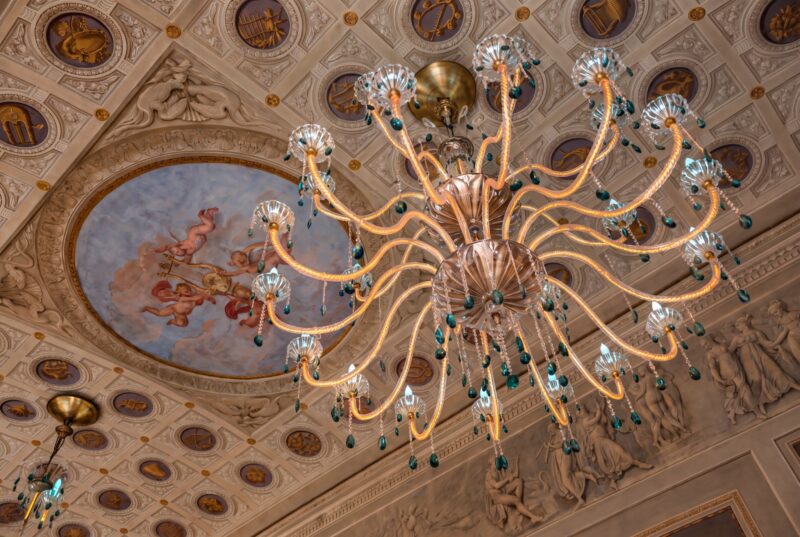
Palazzo Sogni is not merely a hotel; it is a profound exercise in preservation and reinvention. The property, housed within the storied walls of what was once Palazzo Testa, carries the heavy, majestic DNA of the Martelli family. The design brief was clear but daunting: how to marry the monumental heritage of 16th-century frescoes and stone nymphaeums with the requirements of a luxury, 21st-century boutique hotel?

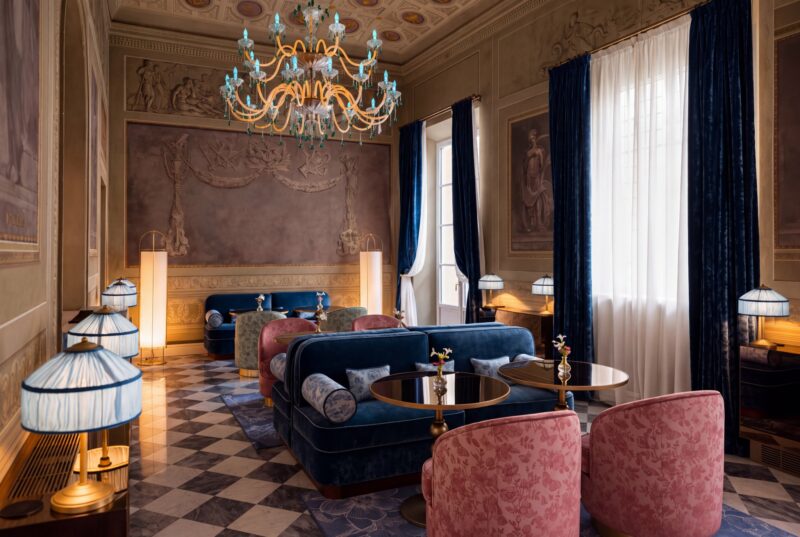
The Sella sisters approached this by treating the architecture not as a static backdrop, but as a living participant in the design. Every interior decision—from the restoration of centuries-old ceiling paintings by Luigi Catani and Antonio Marini to the bespoke furniture collections—was calibrated to engage with the building’s soul. The result is a property that defies the “museum-piece” trap, opting instead for a playful, textured, and deeply personal identity that prioritizes discovery over convention.
Chronology: Unearthing the Past
The history of Palazzo Testa is one of layered evolution, and the recent renovation followed a rigorous, forensic approach to uncovering that legacy.
- 16th Century: The palazzo is constructed as a seat of power and prestige, featuring a monumental nymphaeum and stone fountain attributed to the sculptor Baccio Bandinelli.
- Restoration Phase: The design team initiated a painstaking conservation process. This involved the careful removal of decades of layered paint, which eventually revealed long-hidden frescoes of immense historical significance.
- Design Development: Once the historic layers were stabilized, the Sella sisters spent the following months developing a “couture” design language. Rather than sourcing from catalogs, they commissioned local Florentine artisans to craft pieces that would complement, rather than compete with, the architecture.
- 2026 Grand Opening: The property opens its doors, establishing a new benchmark for historic hotel preservation in Italy.
Supporting Data: Craftsmanship and Materiality
The "dream" concept that drives the hotel’s branding is physically manifested through a highly intentional material palette. The designers focused on sensory richness, utilizing textures that change with the light of the Florentine day.

The Materiality of Memory
The use of aged amber mirrors is perhaps the project’s most clever structural intervention. These surfaces, found in elevators, bathrooms, and common areas, do more than reflect; they introduce a golden, warm haze that softens the grand, imposing proportions of the Renaissance halls. By visually “lightening” the space, the mirrors allow the contemporary furniture to breathe alongside the heavy stonework.

Bespoke Collaborations
The commitment to local craftsmanship is evident in the hotel’s supply chain:

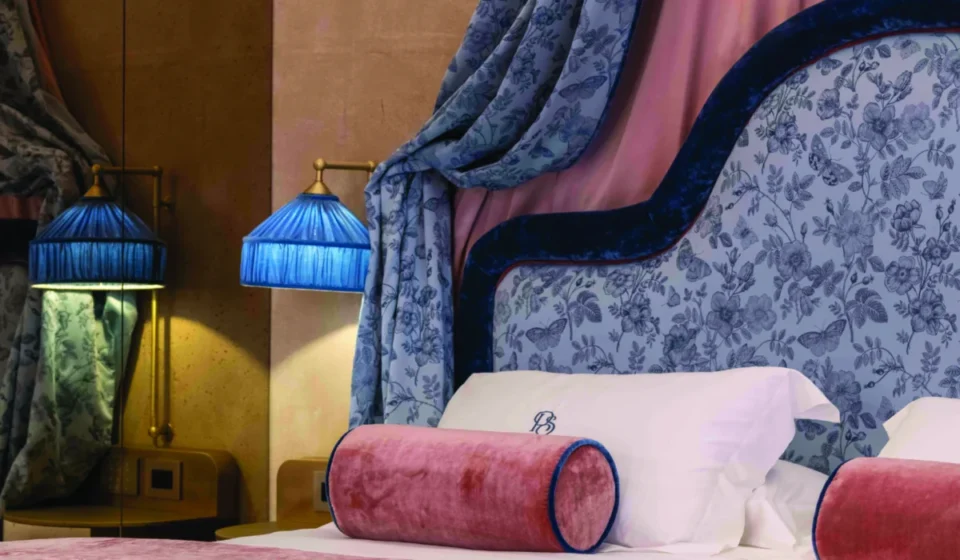
- Textiles: The signature Floral Butterfly pattern was developed in partnership with Alessandro Bini. This involved a dedicated loom setup to create a silk-based jacquard with relief, used for everything from bed canopies to wardrobe linings.
- Tableware: Ginori 1735 was commissioned to reinterpret its classic Antico Doccia collection, customized with the hotel’s signature powder blue and floral motifs.
- Linens: Rivolta Carmignani provided the bespoke bed and bath linens, ensuring that the tactile experience of the hotel matches its visual grandeur.
Official Perspectives: The Sella Sisters on “Couture Design”
In their own words, the designers emphasize that Palazzo Sogni was born from a desire to escape the generic. “We focused on materials that create richness through texture rather than excess,” the sisters explain. “One of the key ideas behind Palazzo Sogni was to create an interior identity that could only belong to this place. We developed what we like to describe as a couture design collection: a bespoke language conceived for the hotel, where wonder, history, and contemporary design come together.”

The sisters are quick to clarify that while they are innovators, they are also stewards. “Conservation was always the starting point, and every intervention was carefully designed not to interfere with the historic frescoes or architectural features. Within that framework, we wanted to introduce a stronger sense of experience and discovery.”

Implications: A New Standard for Heritage Hospitality
The opening of Palazzo Sogni signals a shift in how historic Italian cities manage their architectural inventory. There is a growing fatigue among travelers for "luxury" that feels manufactured or placeless. By anchoring the guest experience in the specific history of the Martelli family and the technical brilliance of Baccio Bandinelli, the hotel provides a sense of place that is unrepeatable.

The "Dream" Logic
The inclusion of playful, almost rebellious details—such as the brass "Press for Champagne" buttons found in the guest rooms—is the final piece of the puzzle. It serves as a reminder that the hotel is not a tomb. It is a living, breathing space that invites guests to interact with the history of Florence through a modern, comfortable lens.

Architectural Harmony
The public spaces, such as the Segreto restaurant and the Sotto le Stelle rooftop, demonstrate how a building can transition from a private, historic salon to a public, high-end hospitality venue. By maintaining a visual axis that draws the eye from the entrance to the nymphaeum, the designers have turned the hotel’s layout into a narrative journey. The garden is no longer just an outdoor area; it is a contemporary sanctuary that respects the fountain’s role as the building’s heart.

Conclusion
Palazzo Sogni stands as a testament to what happens when deep respect for the past is coupled with the courage to introduce a modern, whimsical, and highly curated aesthetic. It is a rare example of a hotel that manages to be both a significant site of architectural preservation and an inviting, cozy home for the modern traveler.

In a city like Florence, where the past is always present, the Sella sisters have managed to ensure that the future of the city’s hospitality is just as compelling as its history. For those who visit, the experience is exactly what the name promises: a dream that feels, quite remarkably, like reality.