The Tangible Renaissance: How ‘The Simpsons’ and ‘Wildwood’ are Defying the AI Animation Era

In an era where generative AI threatens to homogenize the visual landscape with slick, sterile, and predictable imagery, a defiant movement is taking shape in the world of animation. This past weekend served as a symbolic crossroads for the industry, highlighting a stark contrast between the encroaching tide of automated perfection and the enduring, gritty, and soulful nature of physical craftsmanship.
From the global theatrical release of Laika’s Wildwood to a surprise stop-motion Treehouse of Horror segment on The Simpsons, audiences are being reminded that the most resonant art is often that which bears the fingerprints of its creators.
The State of Animation: A Fight for Authenticity
For several years, the discourse surrounding the future of animation has been dominated by a singular, looming anxiety: the replacement of the human artist by the algorithm. As AI-driven tools move closer to a "just-press-animate" paradigm, the industry faces an existential crisis. The concern is not merely about job displacement, but about the aesthetic and emotional erosion of the medium. When animation becomes an output of data rather than a manifestation of human intent, there is a legitimate fear that everything will end up looking uniformly polished—and fundamentally boring.
However, the events of the past few days have provided a much-needed morale boost for those who value the labor-intensive, tactile traditions of animation. The success of Laika’s sixth feature film, Wildwood, acts as a beacon for this sentiment. By committing to the arduous process of stop-motion—where every frame is a testament to patience, engineering, and artistic precision—Laika has reaffirmed its position as a vital counter-cultural force in modern filmmaking.
Chronology of a Tactile Weekend
The weekend’s narrative began with the theatrical debut of Wildwood. Laika, the studio responsible for Coraline and Kubo and the Two Strings, has long been the industry’s torchbearer for stop-motion. Early box office returns suggest that audiences are not only receptive to, but actively seeking out, the distinct "imperfections" and tangible quality that only stop-motion can provide.
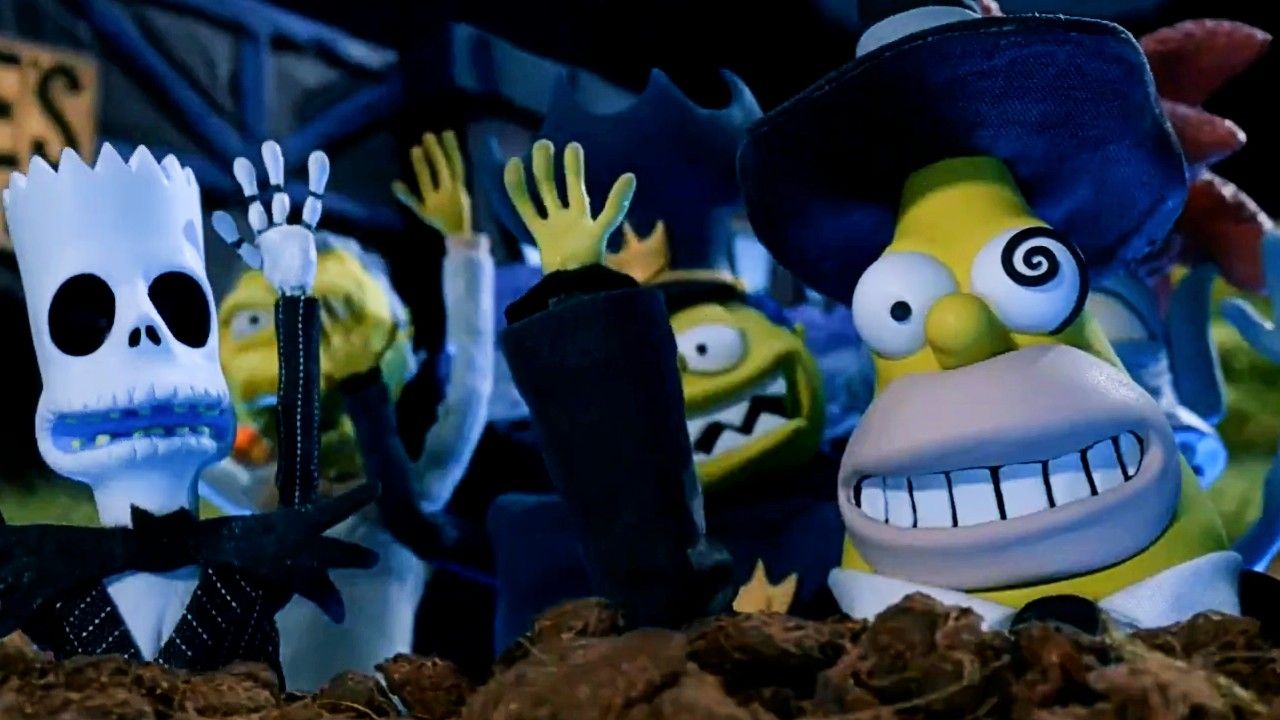
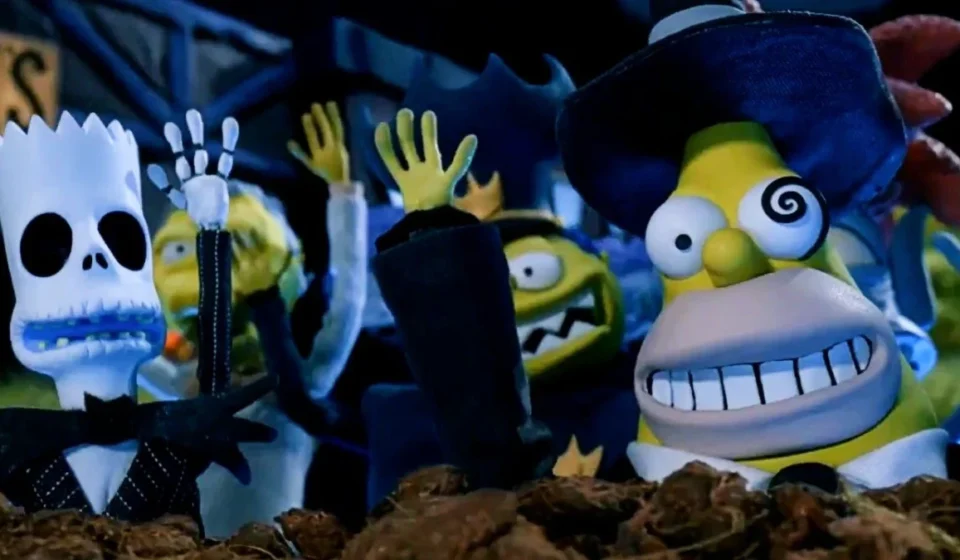
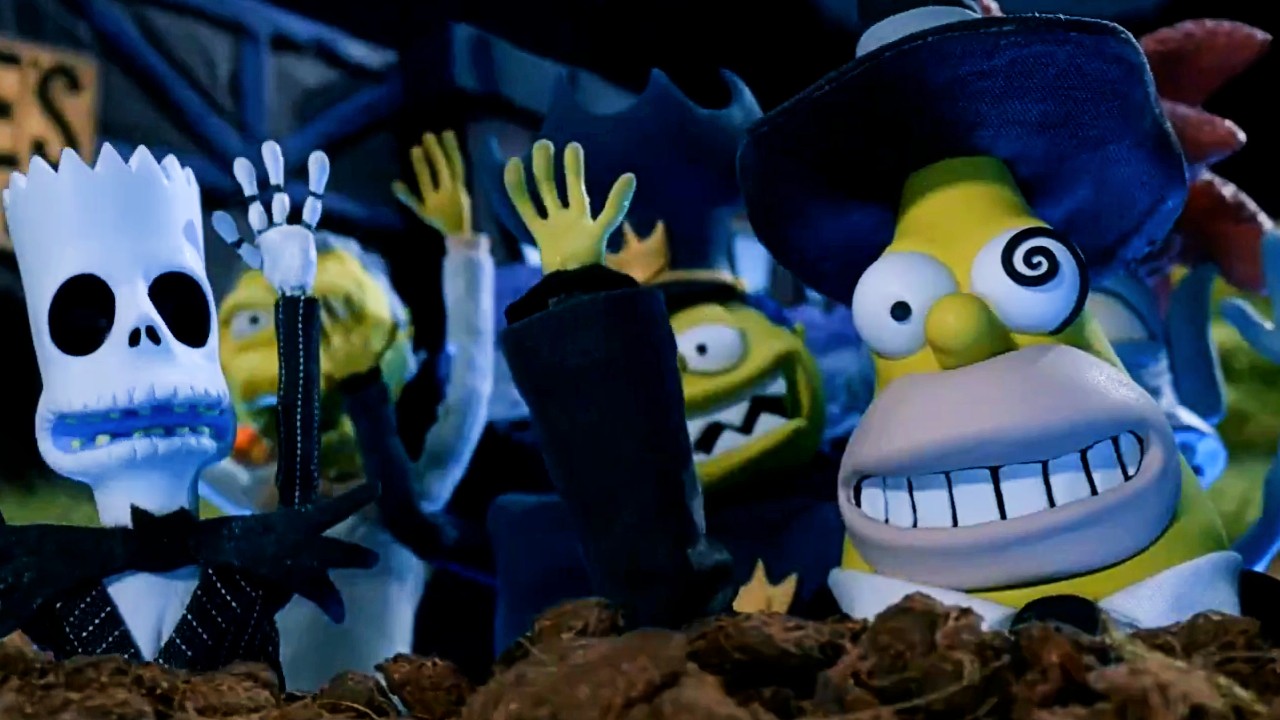
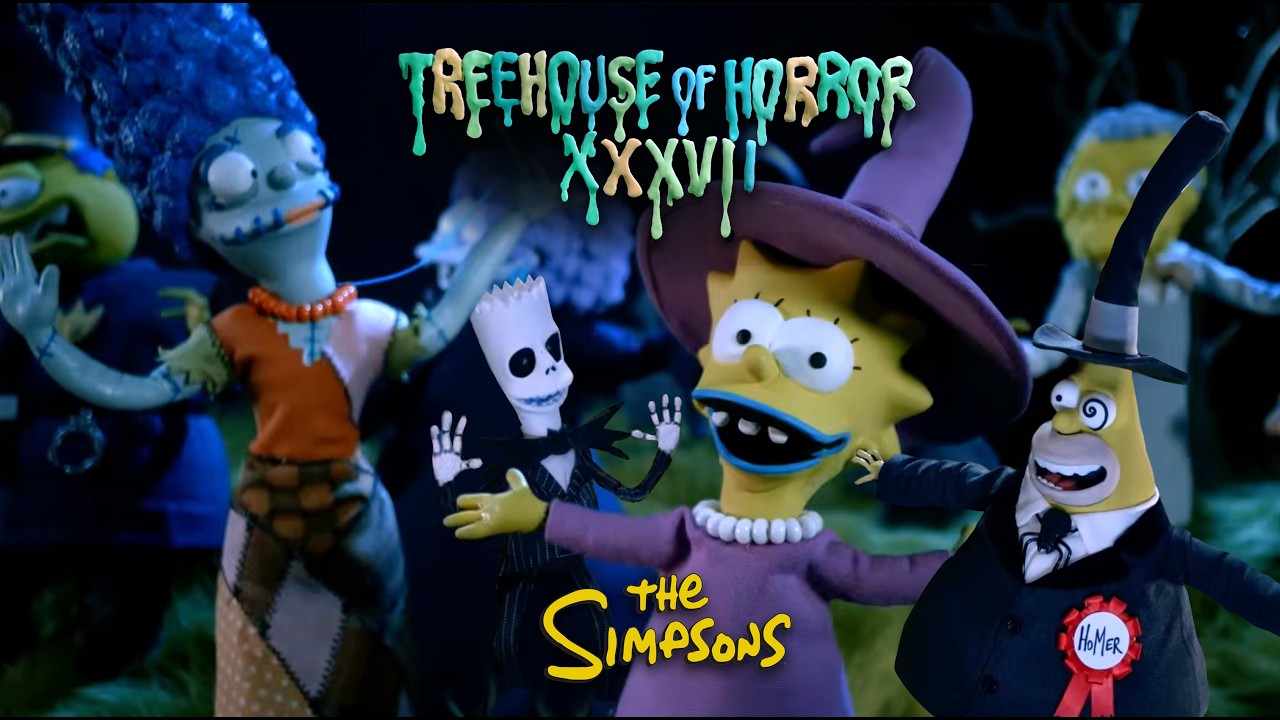
Hot on the heels of this success, The Simpsons premiered its Treehouse of Horror XXXVII opener, which immediately captured the cultural zeitgeist. Produced by Burbank’s Stoopid Buddy Stoodios, the sequence is a meticulously crafted homage to Henry Selick’s The Nightmare Before Christmas. The short features iconic characters reimagined in a dark, whimsical aesthetic: Bart as Jack Skellington, Marge as Sally, Homer as the two-faced Mayor, Santa’s Little Helper as Zero, and Ned Flanders as a terrifying, bug-stuffed Oogie Boogie.
The sequence, which features a parody of "This Is Halloween" rebranded as "Simpsons Halloween," serves as more than just a creative nod to a classic; it functions as a manifesto for the power of physical animation.
Supporting Data: The Case for the Handmade
The Treehouse of Horror sequence stands out not just for its subject matter, but for its methodology. In an age where even high-end productions lean heavily on 3D printing and digital manipulation to cut corners, Stoopid Buddy Stoodios made a conscious choice to embrace a "pure" stop-motion workflow.
John Harvatine IV, co-founder of Stoopid Buddy Stoodios, provided insight into the decision-making process in an interview with Animation World Network. "We kind of just did old school the whole way, from sculpting by hand," he noted. This sentiment was echoed by sculptor Jim McKenzie, who told Entertainment Weekly, "I think in a time of AI, to be involved with something that’s truly handmade, it’s very special these days."
This commitment to traditional techniques creates a palpable energy on screen. Unlike digital motion, which can sometimes feel "floaty" or uncanny, the stop-motion puppets in The Simpsons segment possess weight, texture, and a kinetic energy born from the friction of the real world. Every subtle movement—the twitch of a puppet’s limb, the slight inconsistency in fabric—serves as a reminder that a human being physically moved that object to create the illusion of life.
Official Responses and Industry Context
The choice of The Nightmare Before Christmas as the source material for this tribute is deeply thematic. When the film premiered in 1993, it was a pivotal moment for stop-motion, proving that the medium could compete at a blockbuster level. It paved the way for the renaissance of the craft, eventually leading to the formation of studios like Laika.
Industry analysts observe that this specific homage acts as a bridge between generations. It reminds long-time fans why they fell in love with animation in the first place, while introducing younger viewers—raised on the rapid-fire perfection of digital animation—to the distinct "soul" of stop-motion.
Furthermore, the segment itself acknowledges the meta-narrative of the Treehouse of Horror series. Since 1990, these specials have existed outside the show’s canonical continuity, allowing for creative risks that would otherwise be impossible. Lisa Simpson, dressed as a witch, even breaks the fourth wall to note that "Halloween episodes are not canon." This freedom extends to the animation style, allowing the show to depart from its traditional flat 2D aesthetic into the rich, shadowed, and textured world of 3D puppets.
Implications: The Long-Term Impact
The implications of this movement toward handmade art are profound. While AI will undoubtedly find its place in the pipeline of modern animation—likely as a tool for streamlining mundane tasks—the "human-made" label is increasingly becoming a premium marker of quality.
- The Premium on Craft: As digital content becomes more abundant and easier to mass-produce via AI, the perceived value of human-crafted animation is set to rise. Studios that invest in traditional artistry, like Laika and Stoopid Buddy Stoodios, are effectively building a brand identity based on authenticity.
- The "Uncanny" Problem: One of the primary criticisms of AI-generated video is the lack of physical grounding. Stop-motion, by its very nature, is grounded in physics. The lighting is real, the shadows are cast by physical objects, and the textures are tactile. These qualities create a psychological sense of "truth" that current AI models struggle to replicate.
- The Preservation of Skills: By keeping these physical arts alive, these studios are ensuring that the skills required for puppet fabrication, set design, and frame-by-frame animation are passed down to the next generation. If these roles were entirely digitized, the knowledge base for physical puppetry would risk extinction.
- Cultural Resonance: The audience’s enthusiastic reaction to the Simpsons opener is a clear indicator that viewers crave a connection to the creator. There is a sense of intimacy in knowing that an artist spent hours laboring over a single frame. It builds a bridge between the creator and the audience that a prompt-based AI cannot replicate.
Conclusion: A Fightback for Creativity
The "Simpsons Halloween" sequence and the success of Wildwood are not merely isolated instances of stylistic preference; they are part of a broader, necessary pushback against the dehumanization of creative work. While the technology of the future is inevitable, the desire for the human touch is arguably more fundamental to our species.
These gruesome, beautiful, and painstakingly crafted puppets may only occupy our screens for a few minutes, but they represent a vital front in the battle for the future of art. As long as there are creators willing to stand in a dark studio, moving puppets one millimetre at a time, there will be a place for the imperfect, the tactile, and the truly human.
In the face of the AI revolution, the message from the creators is clear: we aren’t just making content; we are making art. And as it turns out, that is something that, even in the most advanced digital future, simply cannot be automated.