Phantom Blade Zero: A High-Stakes Dance of Kung-Fu-Punk and Technical Discord

Executive Summary: A Bold Vision Hampered by Growing Pains
Phantom Blade Zero, the latest ambitious title from S-Game, arrives as a visually arresting, high-octane entry into the burgeoning genre of Chinese-developed AAA action titles. Directed by Soulframe Liang—drawing upon over 15 years of creative heritage rooted in the indie RPG Rainblood: Town of Death—the game promises a distinct identity defined by its "kung-fu-punk" aesthetic.
While the game succeeds in delivering a visceral, motion-captured combat experience that feels authentically grounded in martial arts cinema, it ultimately falters under the weight of its own technical instability and inconsistent design choices. It is a work that displays the brilliance of a master craftsman in its combat systems, yet suffers from the fragmented execution of a debutante in its world-building and technical optimization.
Chronology and Development: From Indie Roots to Unreal Engine 5
The journey to Phantom Blade Zero began over a decade and a half ago with Liang’s indie project, Rainblood. Fast forward to the present, and S-Game has leveraged the industry-standard power of Unreal Engine 5 to manifest a dark, sprawling vision of a Wulin—a world of martial arts fantasy—that blends traditional Chinese architecture with cold, industrial steel and punk-inspired grit.
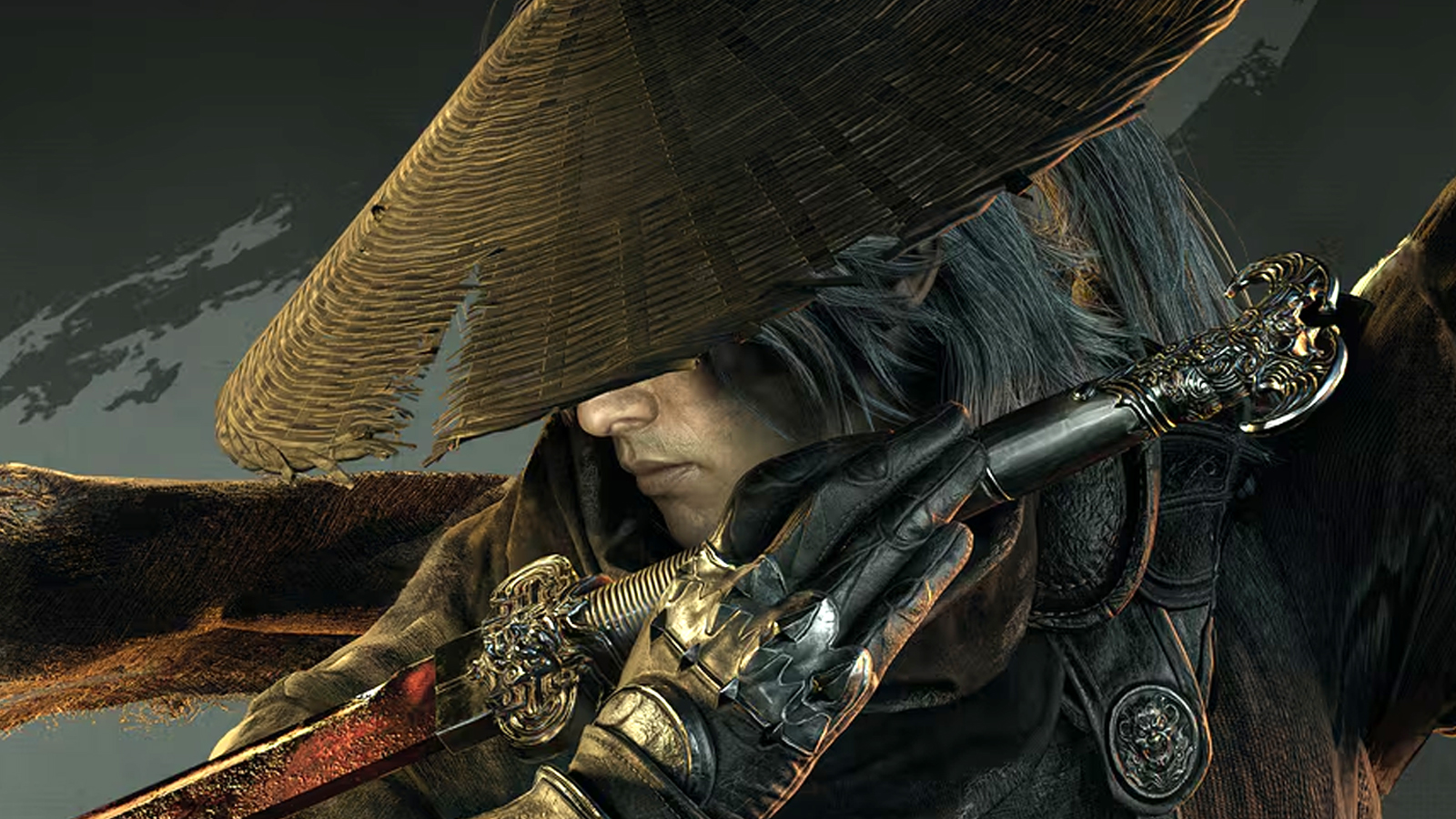
The game places players in the shoes of Soul, an elite assassin for the Order. The narrative catalyst is a harrowing, fateful duel that leaves Soul with a ticking clock: a mere 66 days to live. Unlike many contemporary titles that utilize "reset" mechanics to explain character progression, Phantom Blade Zero integrates its combat growth directly into the narrative, allowing Soul’s martial prowess to expand even as his time dwindles.
The project has garnered significant attention for its collaboration with Hong Kong action legend Donnie Yen, who provided martial arts consultation and motion capture expertise. His influence is felt in every strike, parry, and execution, providing a fluidity that distinguishes the game from the more static animations found in some of its peers.
Supporting Data: The Mechanics of "Kung-Fu-Punk"
At the heart of the gameplay is the "Sha-Chi" system—a stamina-like gauge that facilitates both aggressive flurries and defensive maneuvers.
Combat Dynamics and Weaponry
- The Arsenal: The game boasts a staggering collection of over 50 distinct weapons. Each weapon dictates a unique playstyle, ranging from the rapid, bleed-inducing "Jagged Steel" to the heavy, area-of-effect "Scarlet Wraithblade."
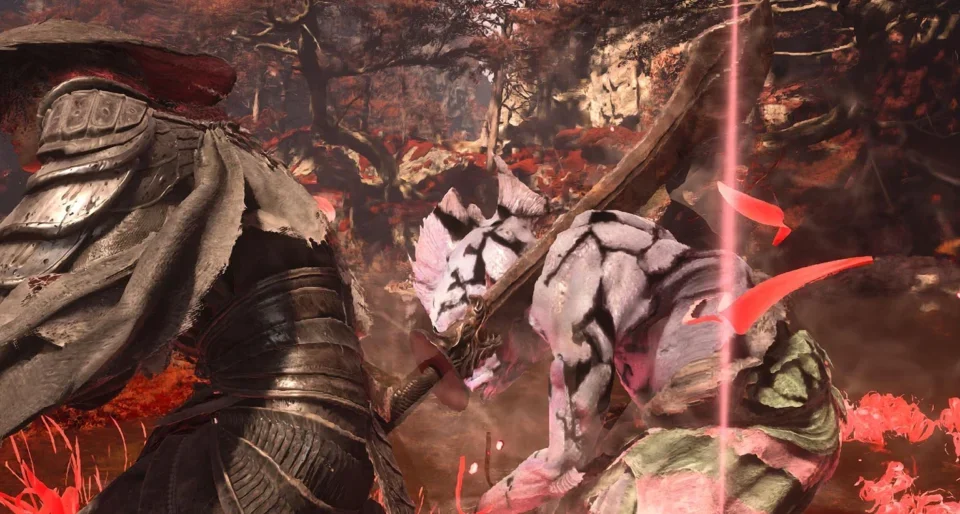
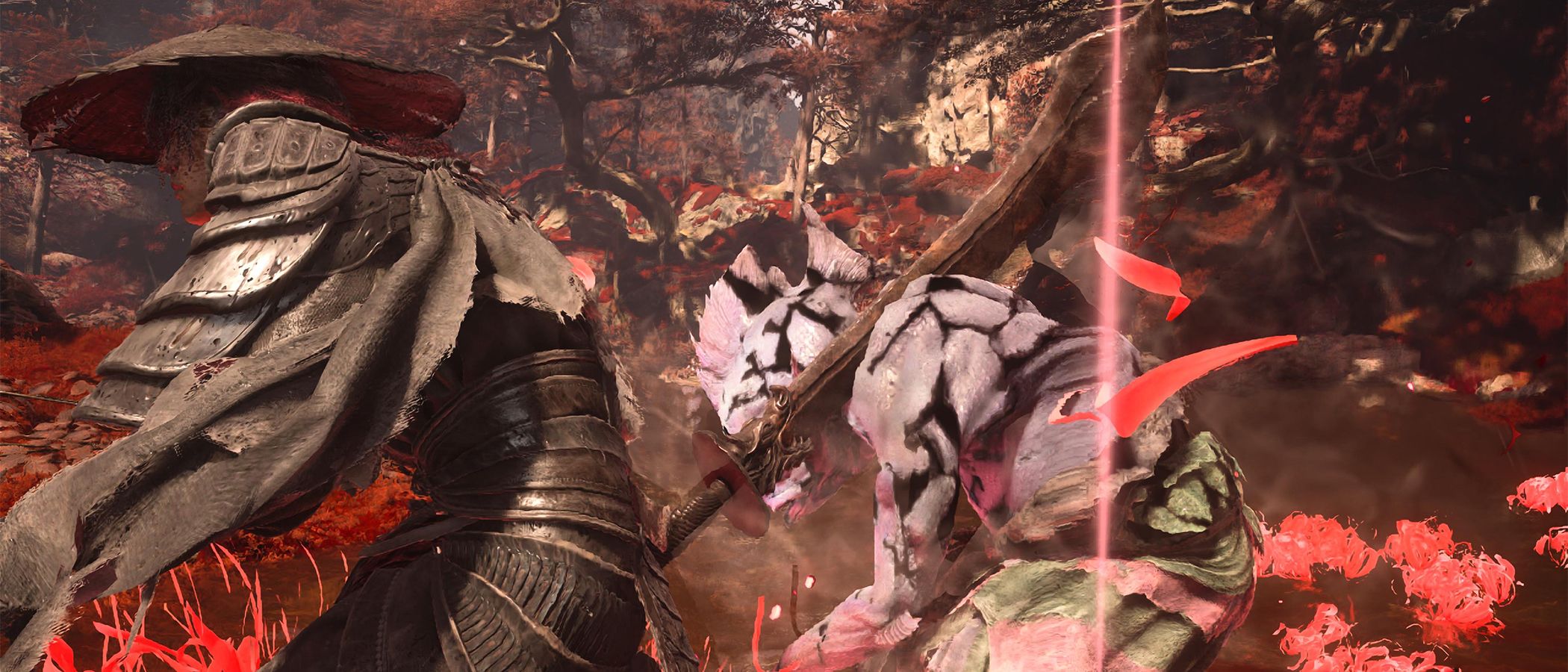
- Fluidity vs. Complexity: While the combat is visually spectacular, it often relies on simple light and heavy attack spamming. The depth lies in the rhythm of the engagement: identifying enemy color-coded cues (blue or red) to initiate timely parries or dodges.
- The Momentum Mechanic: A key strategic element involves weapon swapping. Switching mid-combo provides an instant replenishment of the Sha-Chi gauge, encouraging players to master multiple weapon types to maintain an unbroken chain of offense.
Exploration and Environmental Design
Despite the artistic ambition, the world of Phantom Blade Zero faces significant hurdles in navigation. The environments are stunning—ranging from bamboo forests to massive, boat-traversable lakes—but they are often restricted by invisible walls and non-intuitive pathfinding. The "Phantom Edges" (special weapons) offer some Metroidvania-lite utility, but these often feel like glorified keys rather than tools for organic discovery.
Official Stance and Performance Analysis
Tested on the PlayStation 5 Pro, the title demonstrates a dichotomy between its artistic highs and technical lows.
The Technical Hurdle
Despite the power of the hardware, the game suffers from erratic performance, particularly in the latter half of the experience.
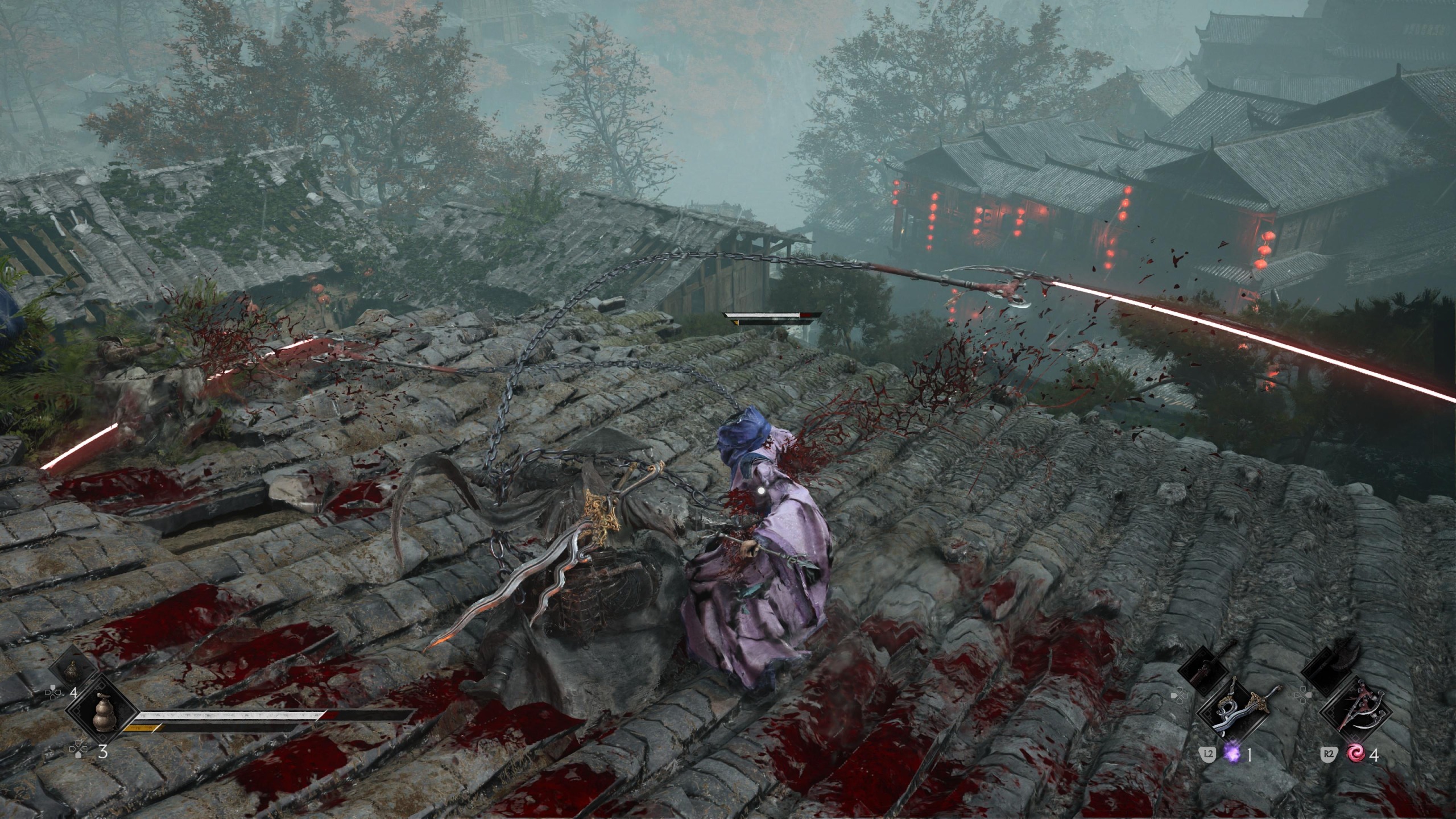
- Framerate Instability: Combat encounters, particularly those heavy on visual effects, frequently suffer from severe drops, occasionally reducing the experience to a slideshow.
- Audio-Visual Bugs: Players may encounter desynchronized audio between character dialogue and environmental soundscapes.
- Reflective Surface Issues: In some regions, water surfaces—a hallmark of UE5’s potential—fail to render reflections correctly, appearing as flat mirrors or void-like holes in the geometry.
S-Game’s Response
It is worth noting that S-Game has acknowledged these growing pains. Shortly after the initial review cycle, the developer released a patch intended to address these technical bottlenecks. However, because these fixes arrived post-playthrough for many early critics, the long-term stability of the game remains a point of contention for potential buyers.
Implications: Where Phantom Blade Zero Stands in the Genre
Phantom Blade Zero finds itself in a competitive landscape alongside titles like Black Myth: Wukong and Wuchang: Fallen Feathers. These games are collectively establishing a "Chinese AAA" identity, heavily influenced by the Soulslike genre.
Is it a Soulslike?
The answer is nuanced. While the game features labyrinthine level design, locked doors, and punishing, high-damage bosses, it diverges from the genre’s tropes in critical ways:
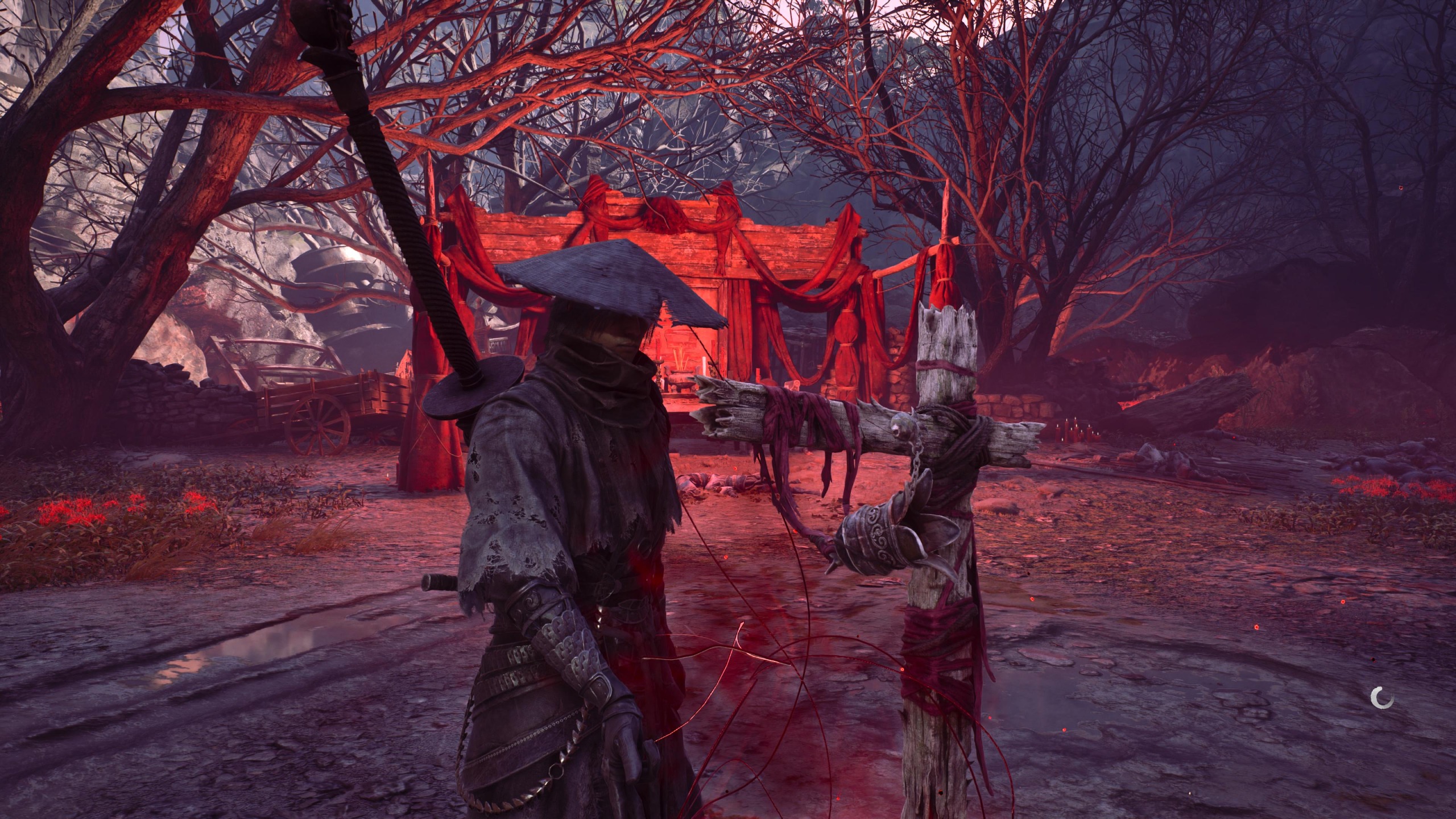
- Checkpoint Forgiveness: Resting at a checkpoint does not automatically respawn all defeated enemies.
- Resource Persistence: Players are not punished with permanent loss of resources, reducing the "stakes" typically associated with death in a Soulslike.
- Difficulty Balancing: The game includes difficulty options, suggesting a desire to reach a broader audience than the standard "masocore" crowd.
However, the "spongey" nature of boss health bars remains a point of frustration. Even when players successfully stagger a boss—a feat that should reward tactical precision—the follow-up damage often feels underwhelming. This is compounded by camera issues where environmental geometry obscures the action during climactic finishing moves.
Conclusion: A Diamond in the Rough
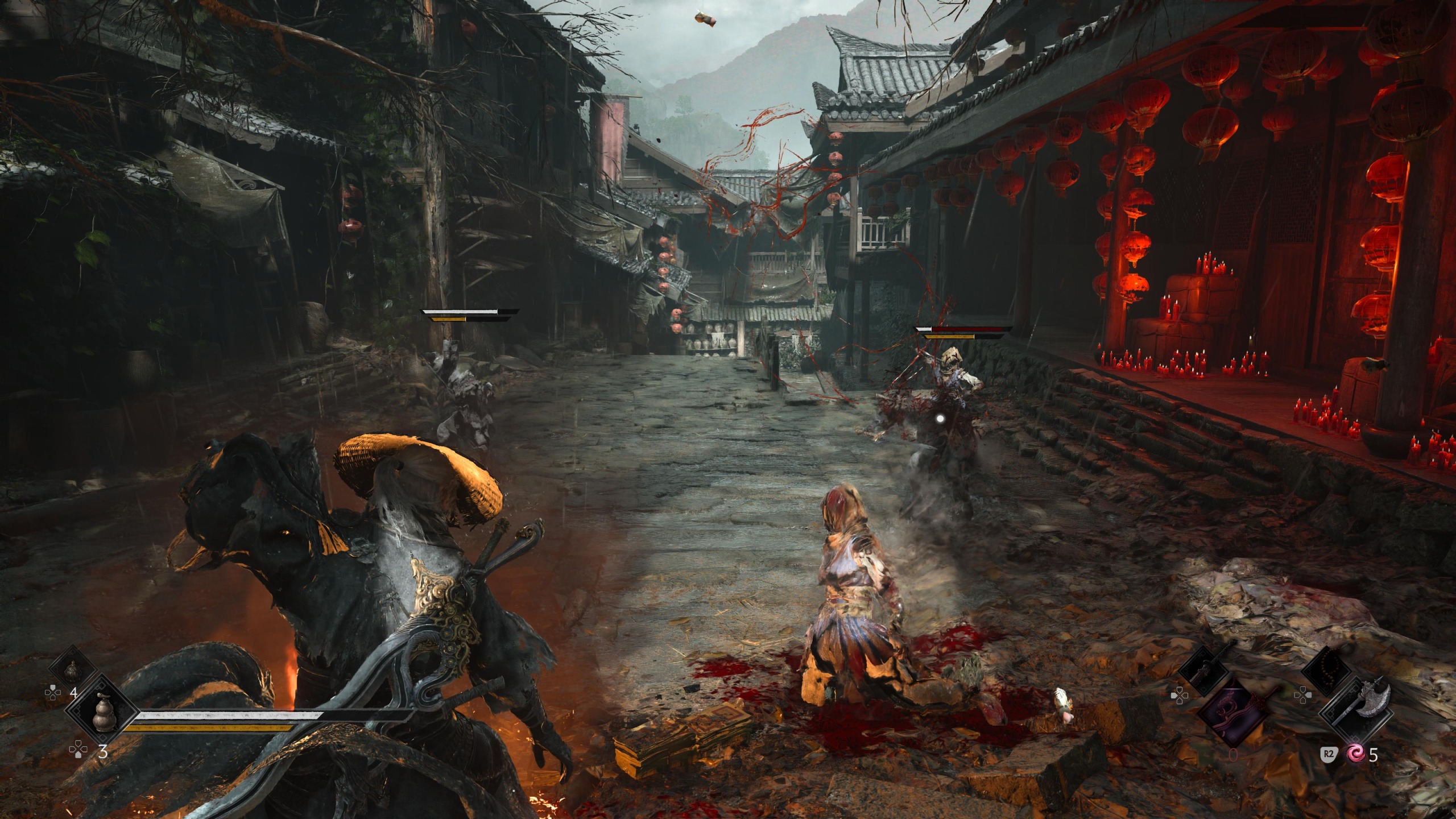
Phantom Blade Zero is an undeniably ambitious title. Its version of the Wulin, particularly the town of Pangzhen, is a masterclass in world-building, offering a density of lore and environmental storytelling that rivals genre giants like Bloodborne. When the game clicks—when the music swells, the pipa strings harmonize with electric guitars, and the martial arts choreography lands with rhythmic precision—it is a transcendental experience.
However, the "kung-fu-punk" vision is currently clouded by a lack of polish. The game struggles to balance its desire for open-world exploration with its restrictive level design and suffers from technical issues that undermine the excitement of its high-stakes boss encounters.
For those drawn to the aesthetic and the promise of fluid, mocap-driven combat, Phantom Blade Zero is a title worth watching, and perhaps one worth waiting for. As S-Game continues to iterate and patch, there is a clear path for this game to evolve into a truly masterful experience. For now, it stands as a testament to the potential of Chinese developers to reshape the action-RPG landscape, even if it hasn’t quite reached the summit of its potential.
Final Verdict
- The Highs: Exceptional combat animation, a unique aesthetic fusion, and a deeply atmospheric, dense game world.
- The Lows: Frequent framerate drops, inconsistent environmental navigation, and boss encounters that occasionally feel more tedious than challenging due to health-bar bloat.
As it stands, Phantom Blade Zero is a flawed masterpiece—a game that invites you to be a master of the blade, provided you have the patience to overlook the scars in its current presentation. Prospective players are advised to monitor post-launch stability reports to see if the latest patches have truly smoothed out the rough edges of this otherwise compelling journey.