A Celebration of Authenticity: How One Couple Blended Cottagecore Aesthetics with Radical Queer Joy

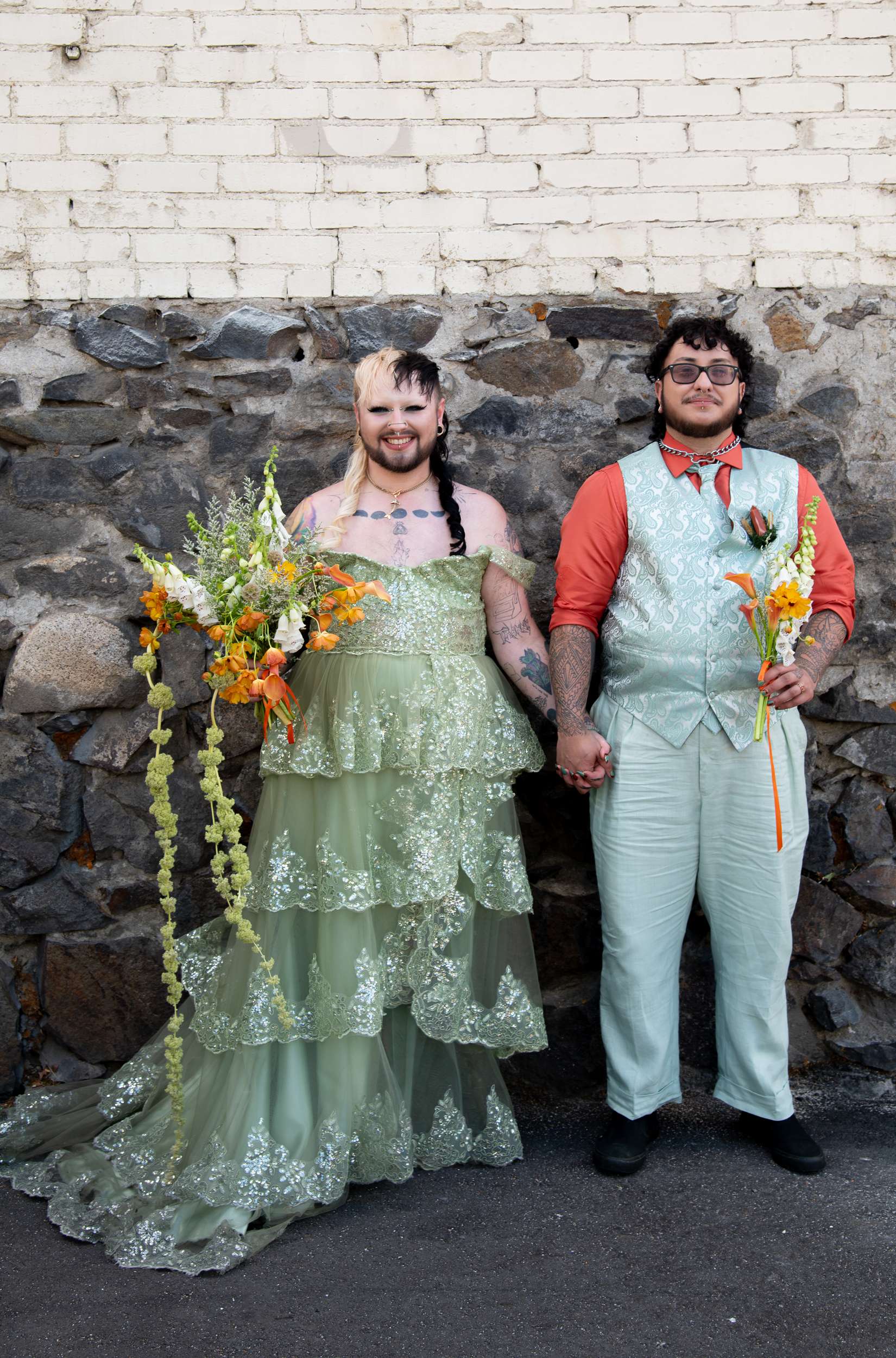
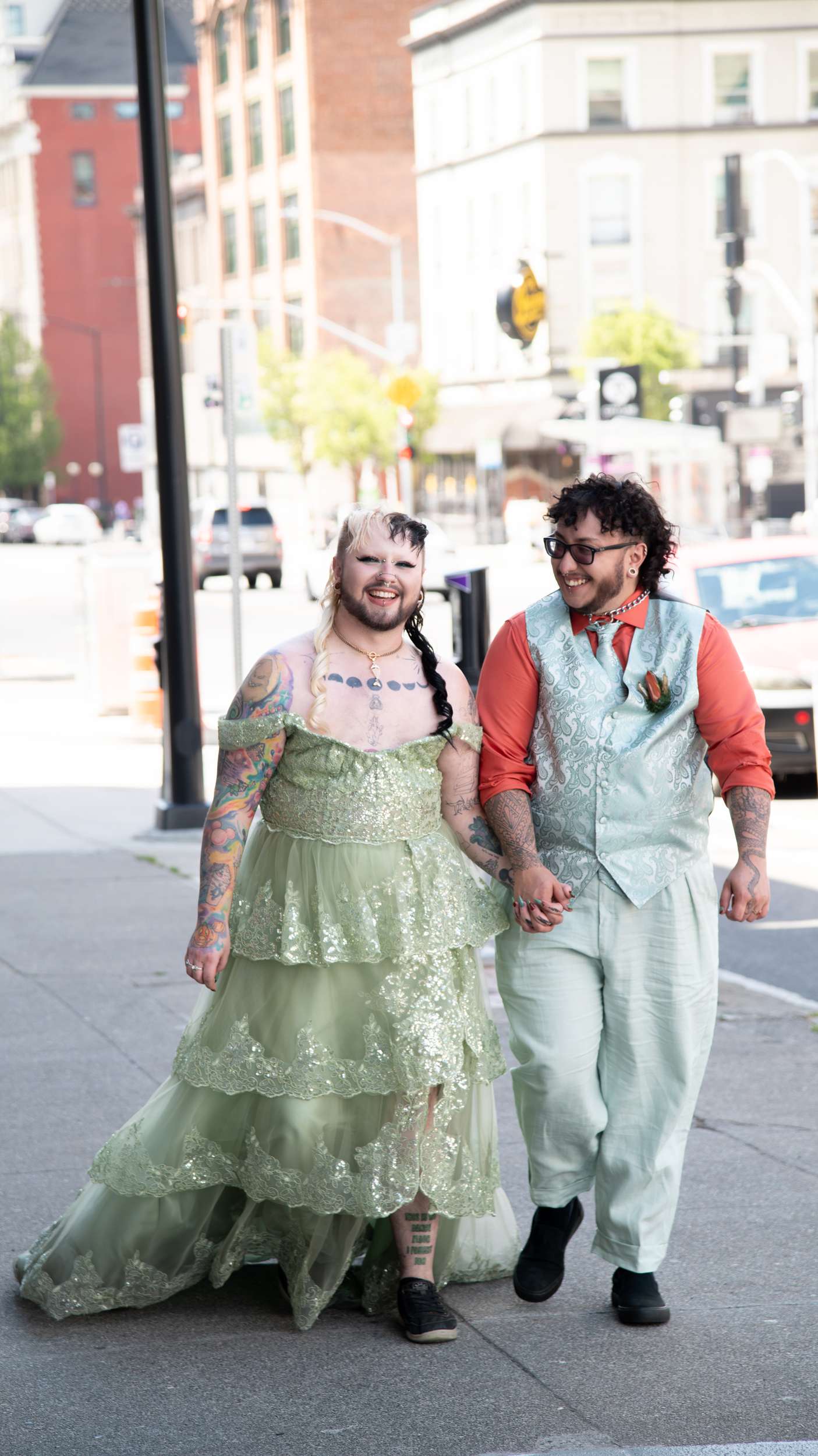
In an era where the wedding industry is often criticized for its rigid adherence to tradition and lack of diverse representation, one couple’s recent nuptials in Spokane, Washington, serves as a poignant, vibrant counter-narrative. Griffin and Jay, whose relationship began with a fortuitous wink at a drag show and blossomed via a dating app, recently tied the knot in a ceremony that perfectly encapsulated their identities: a fusion of whimsical cottagecore aesthetics, celestial astrology, and unbridled queer joy.
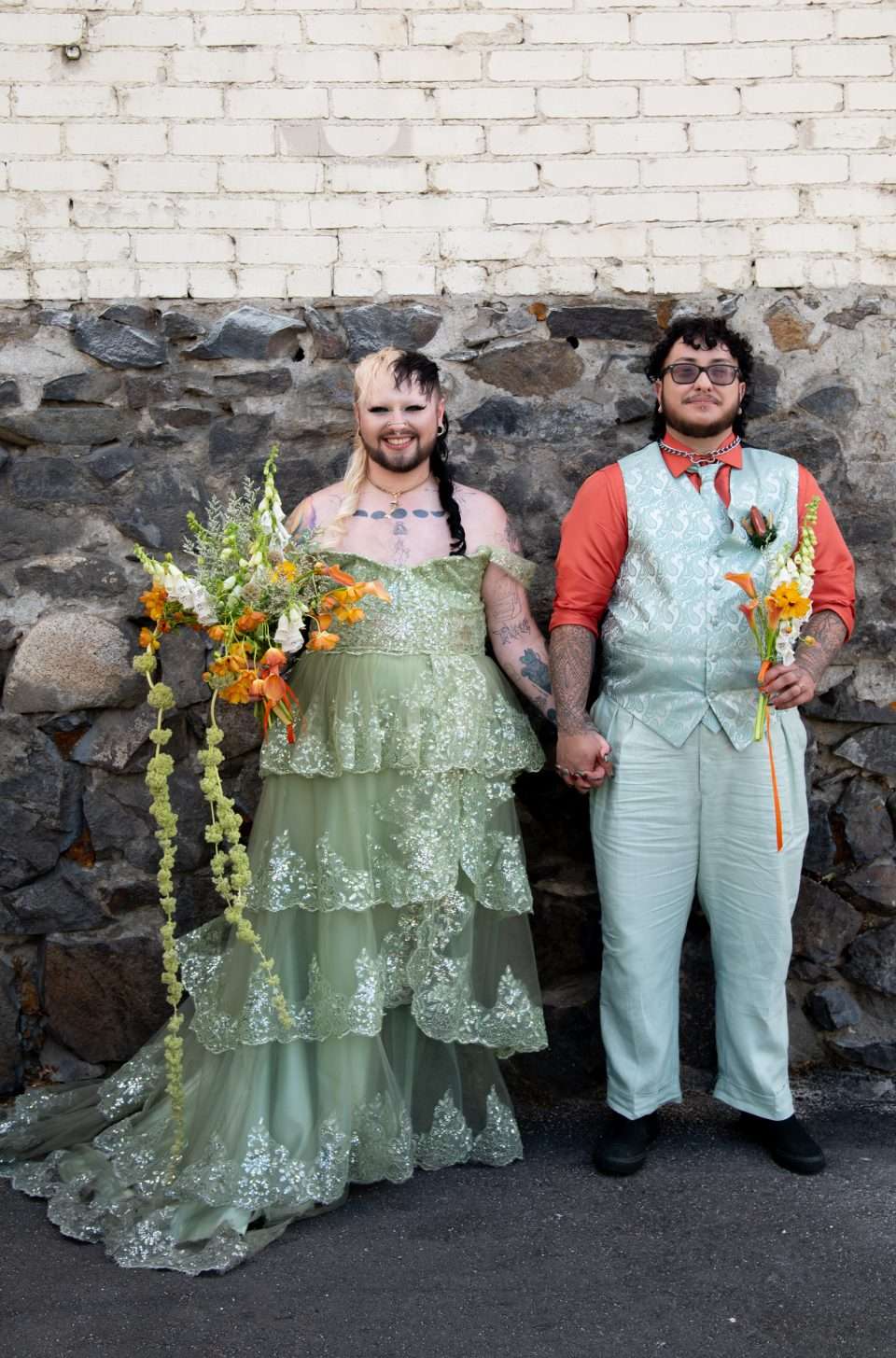
By choosing to host their wedding at The Vow Room—a venue they secured through a fortuitous contest win—the couple crafted an intimate, highly personalized experience that defied conventional expectations. Their wedding was not merely a ceremony of union; it was a defiant, joyful declaration of existence, timed precisely to coincide with Spokane’s local Pride parade to ensure their day was anchored in community and advocacy.
The Genesis of a Modern Love Story
The trajectory of Griffin and Jay’s relationship reads like a modern romance novel, defined by chance encounters and digital serendipity. Their initial connection was rooted in the performance art scene; Griffin was performing in a drag show when Jay became the first audience member to offer a tip. A simple, playful wink from the stage sparked a curiosity that would remain dormant until years later, when the two matched on a dating app, rediscovering the spark that had begun in a crowded, spotlight-drenched room.
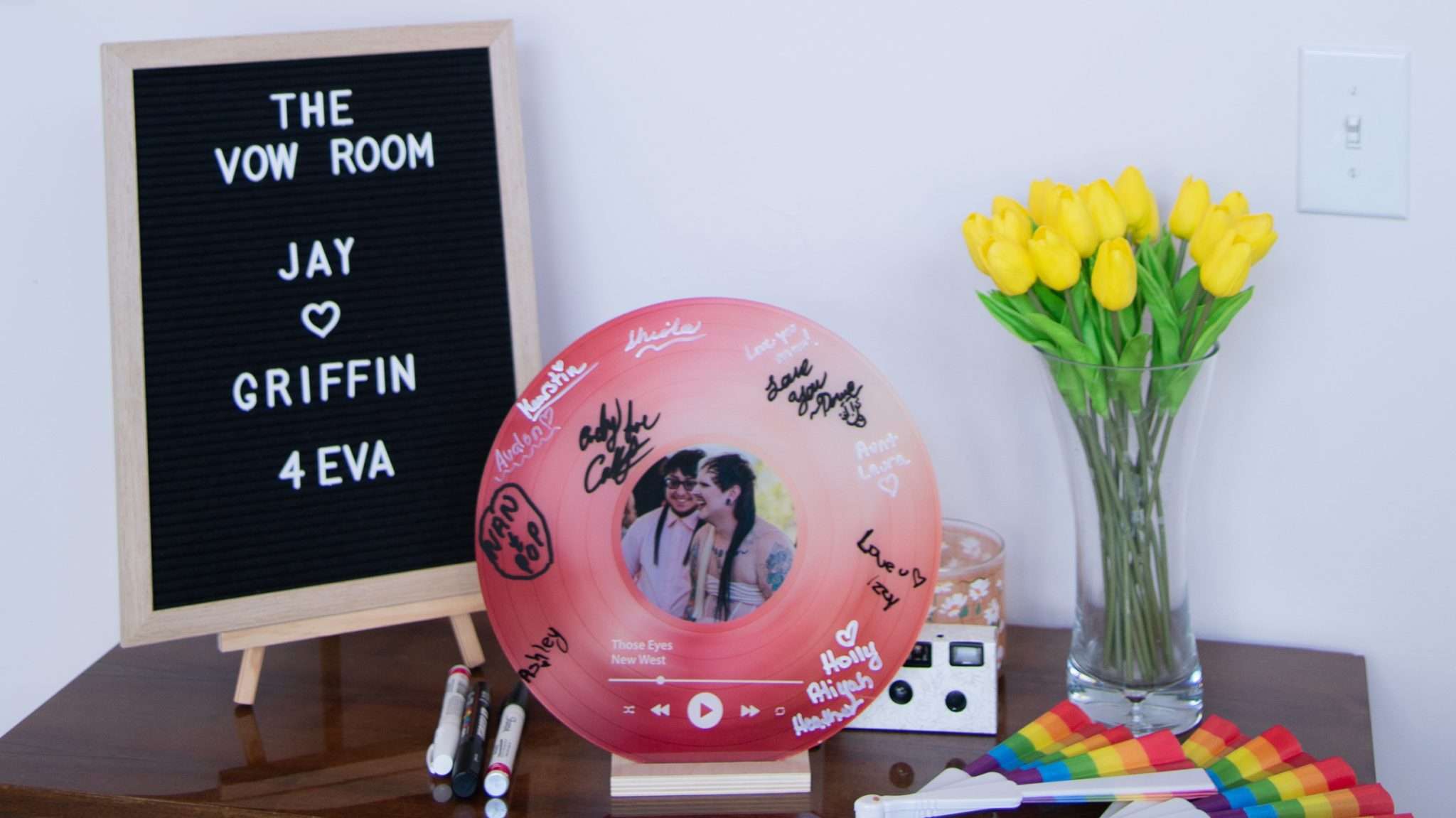
From that point on, the two were inseparable. Their courtship was built on shared values, a mutual love for aesthetic exploration, and a commitment to authenticity. When the opportunity arose to win a free wedding at The Vow Room, the couple recognized an opening to design a day that wouldn’t just celebrate their legal union, but would serve as a physical manifestation of their personal philosophies.

Chronology of the Big Day: From Vows to the Parade
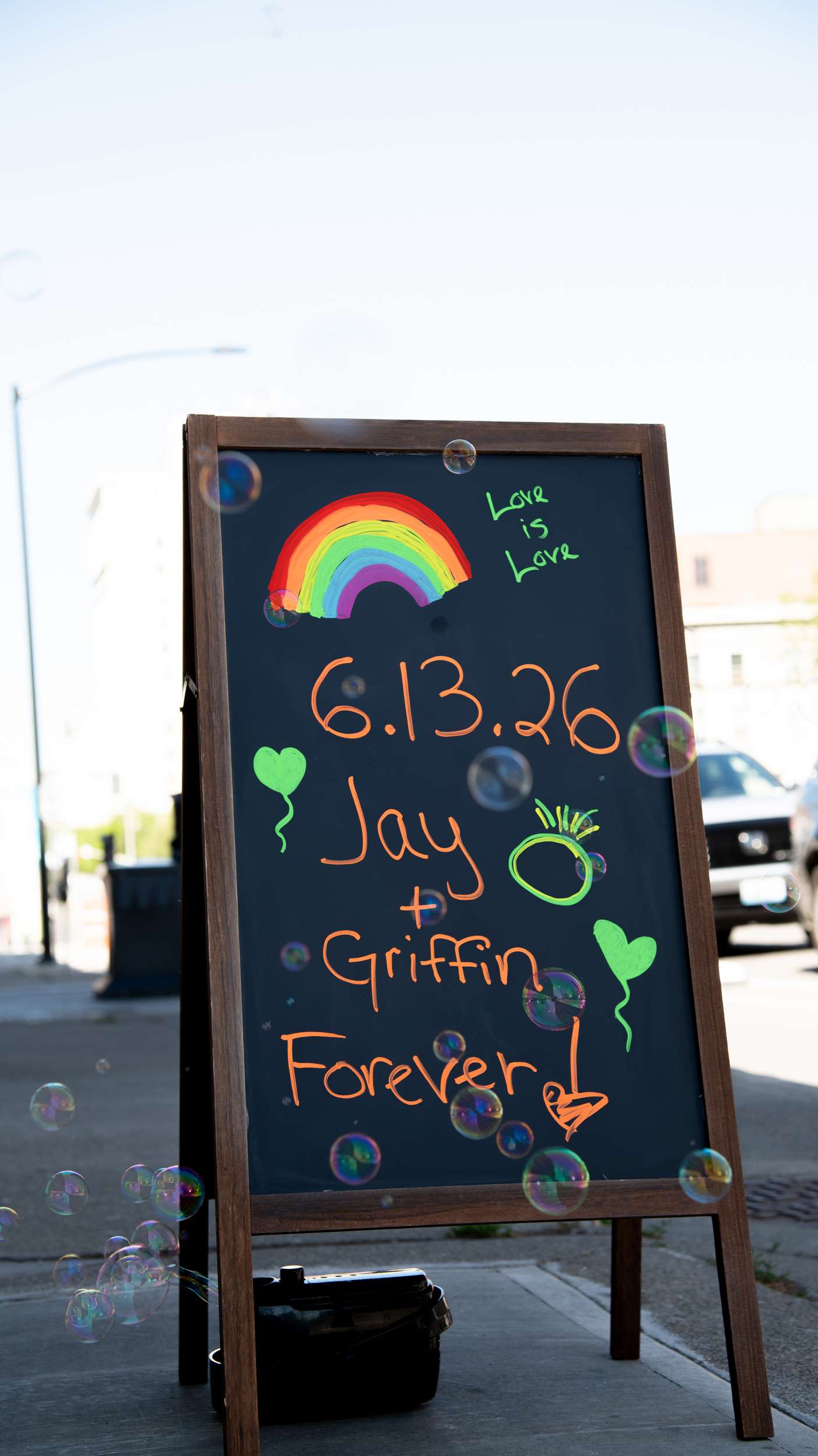
The wedding day, June 13th, was selected with strategic intention. By aligning their nuptials with the Spokane Pride parade, the couple transformed their private celebration into a public statement of resilience.
The Morning: Preparation and Personalization
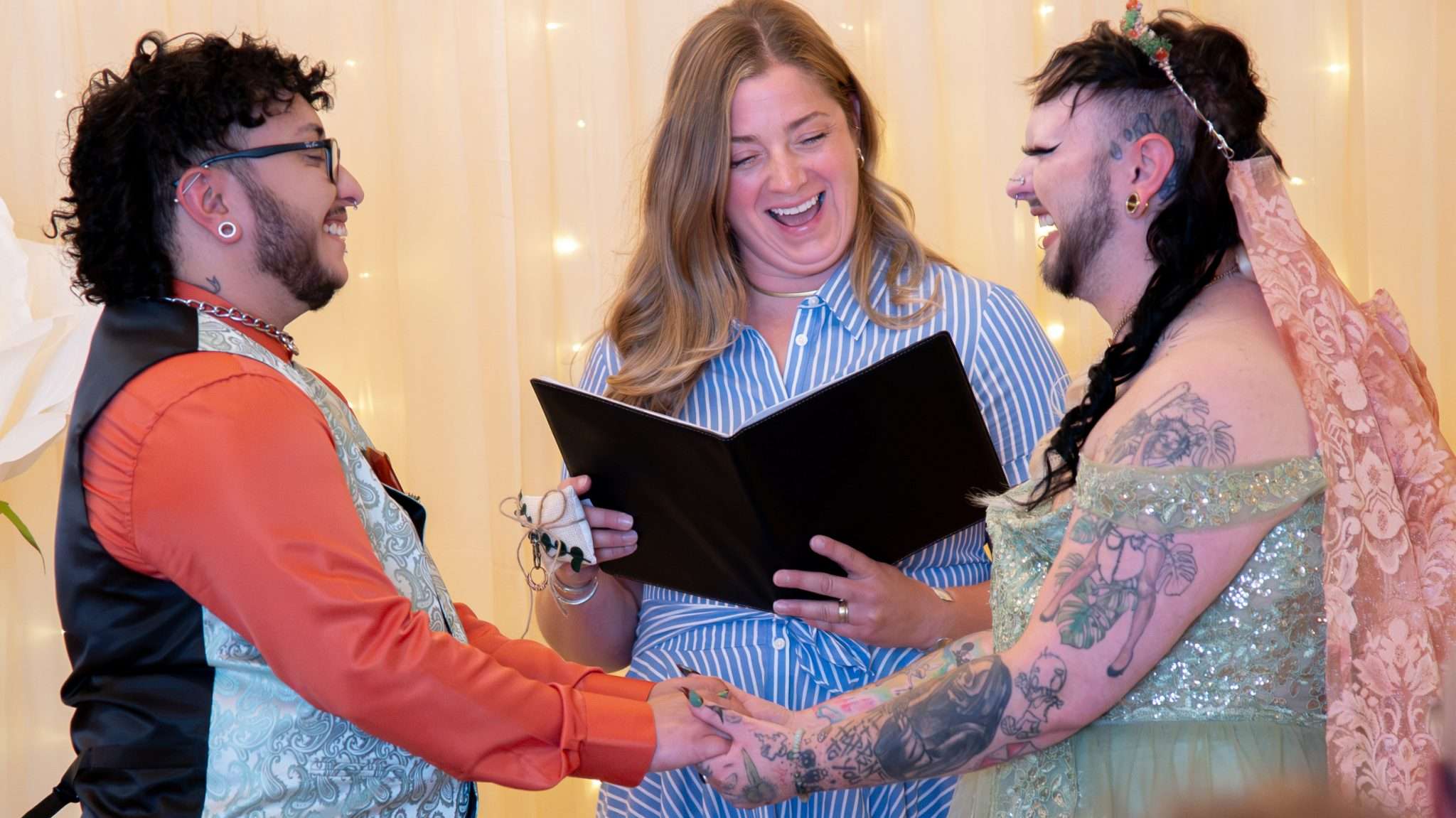
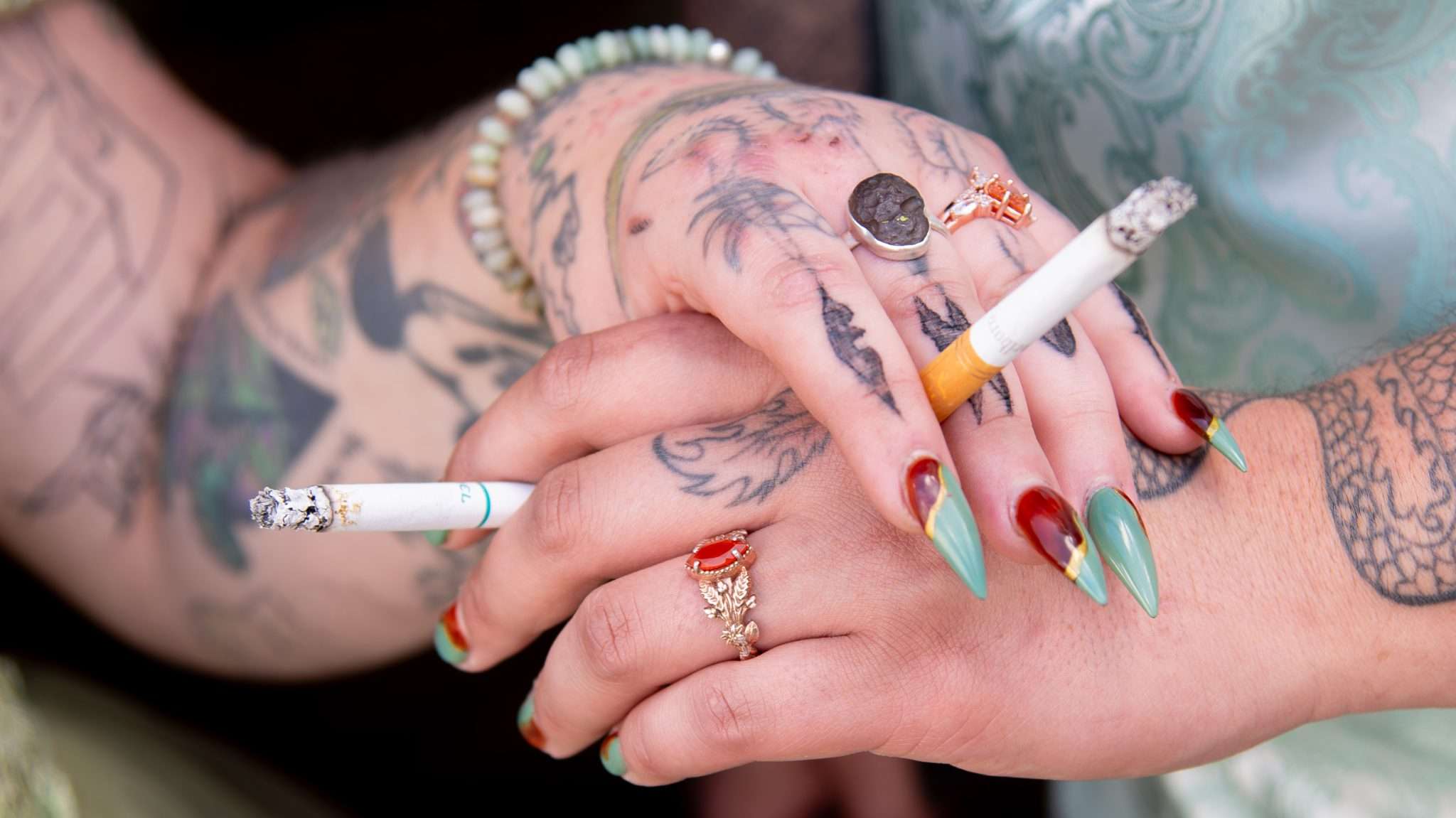
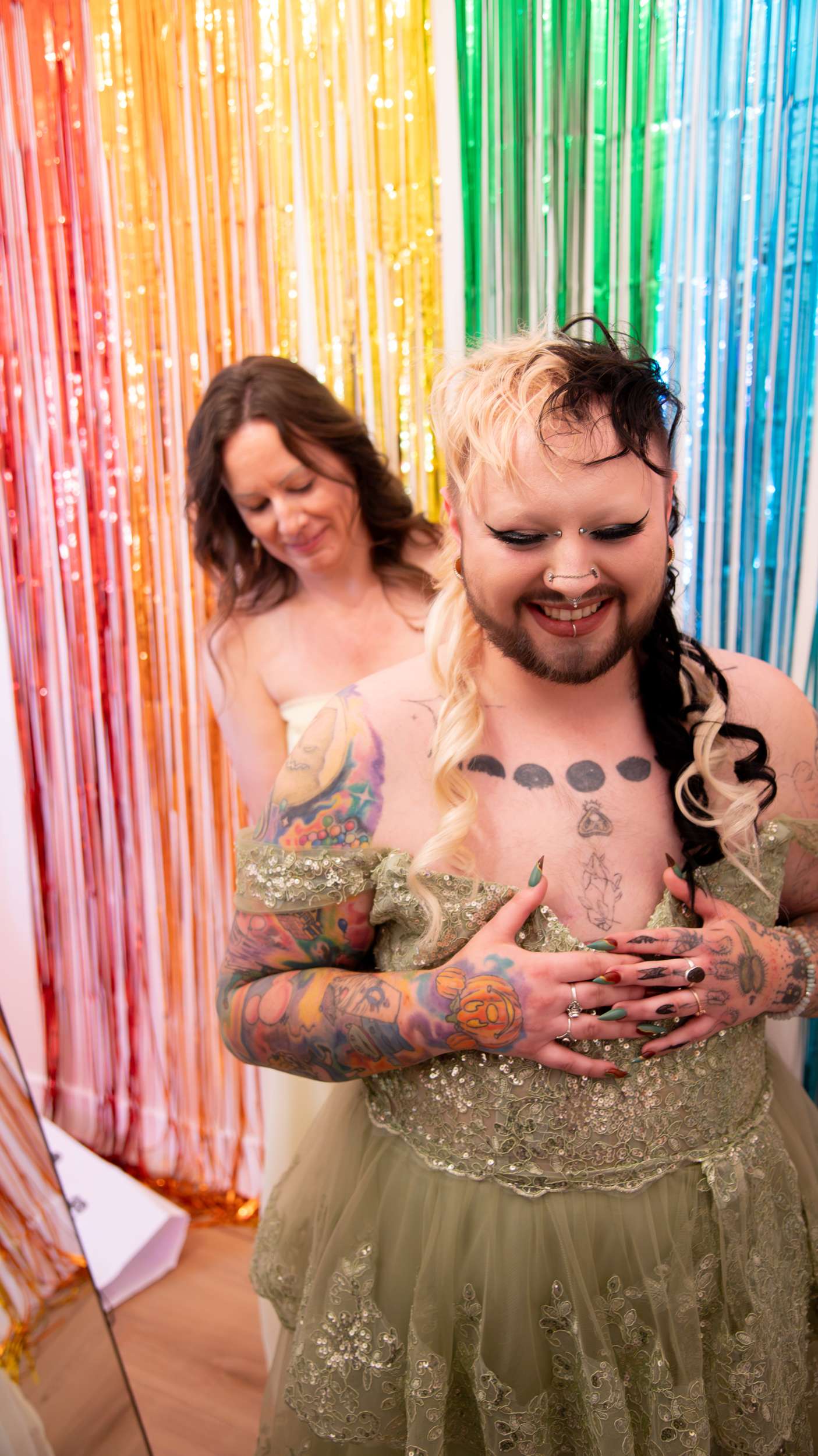
The day began with a focus on intimacy. During their "first look," the couple exchanged personalized chains—a deeply symbolic gesture that represented their commitment to one another and their shared identity. Rather than adhering to heteronormative tropes, the ceremony emphasized familial support; Griffin was walked down the aisle by both their mother and father, signaling a celebration of unconditional love and acceptance.
The Ceremony and the Parade
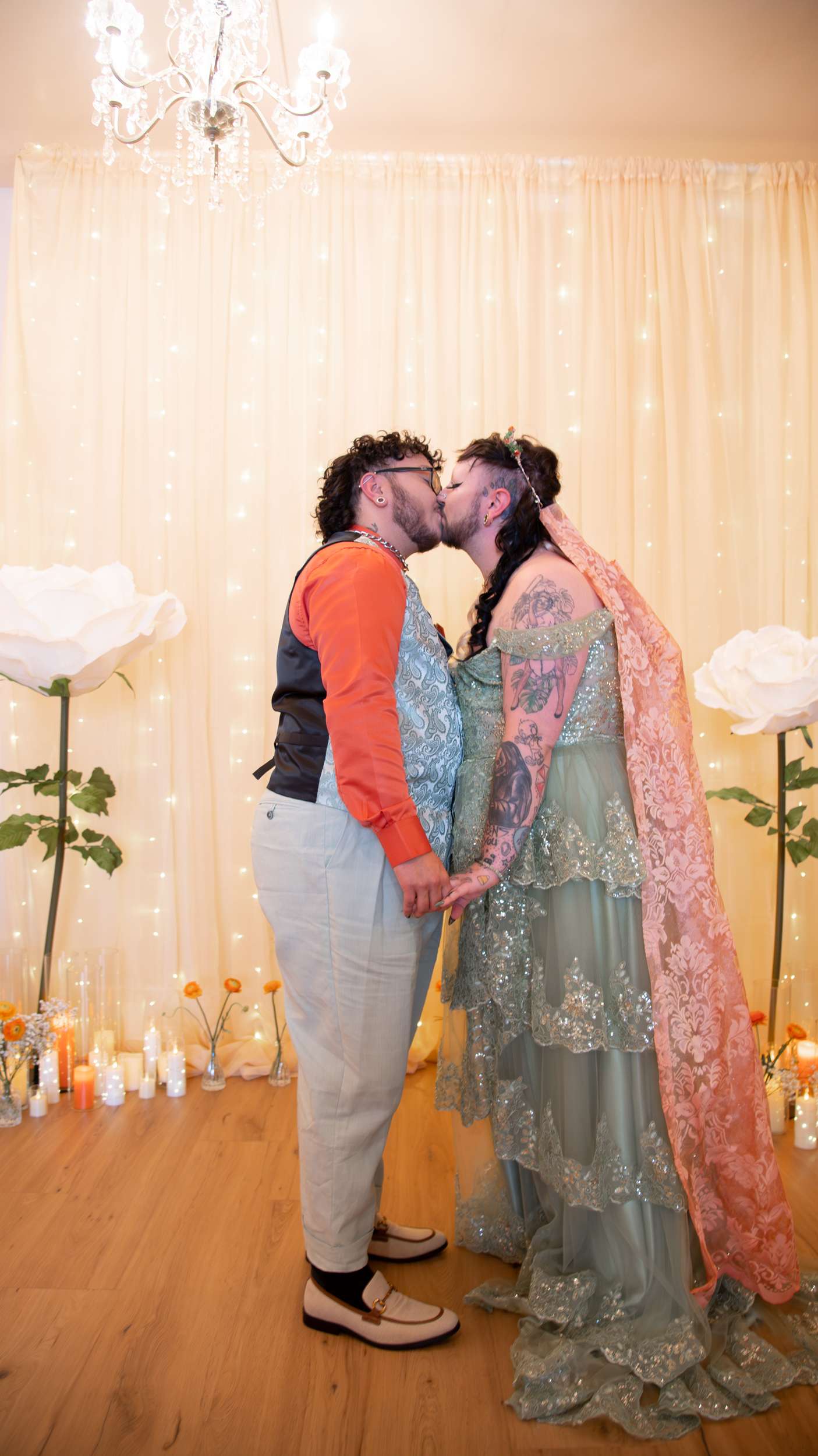
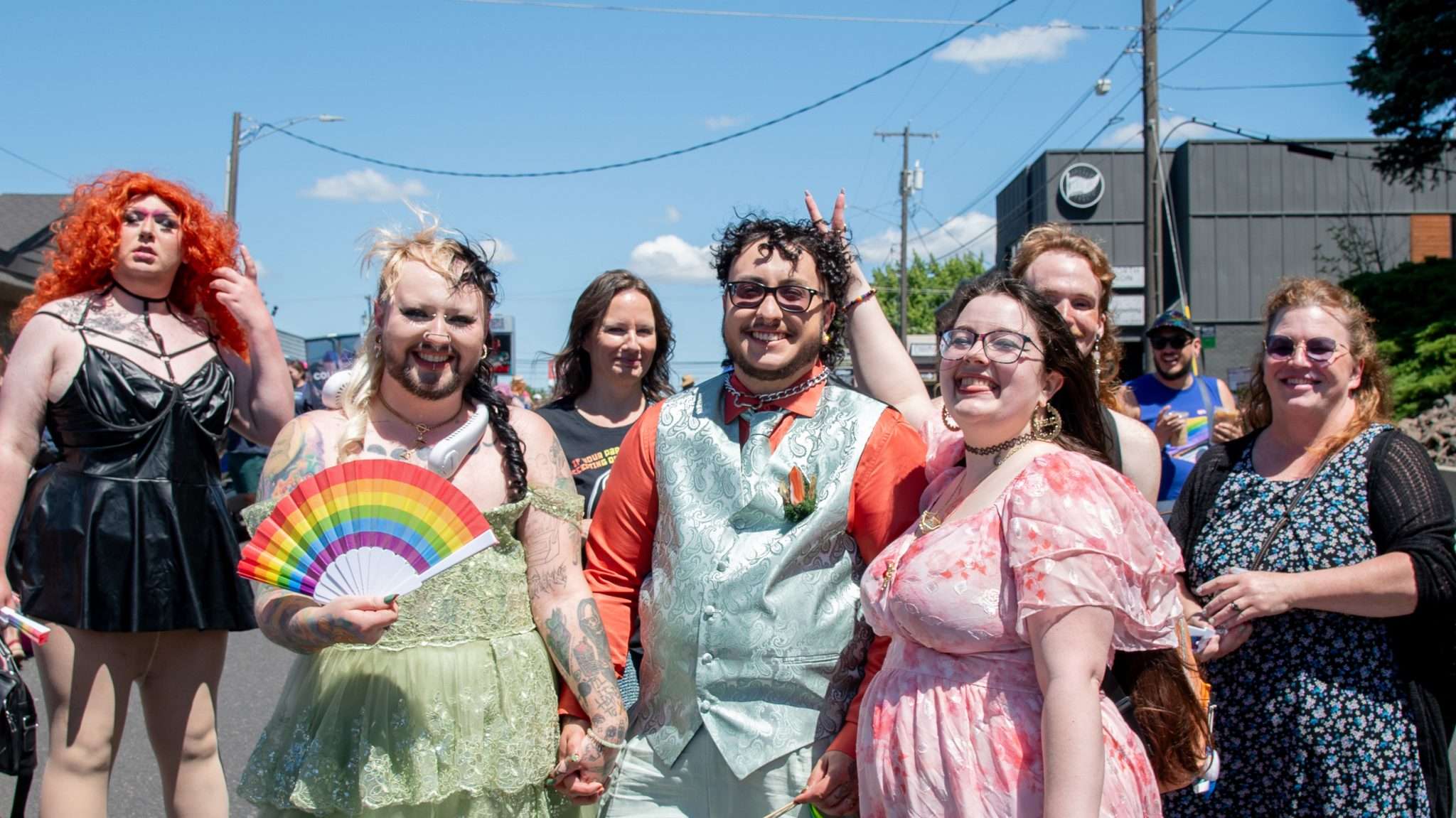
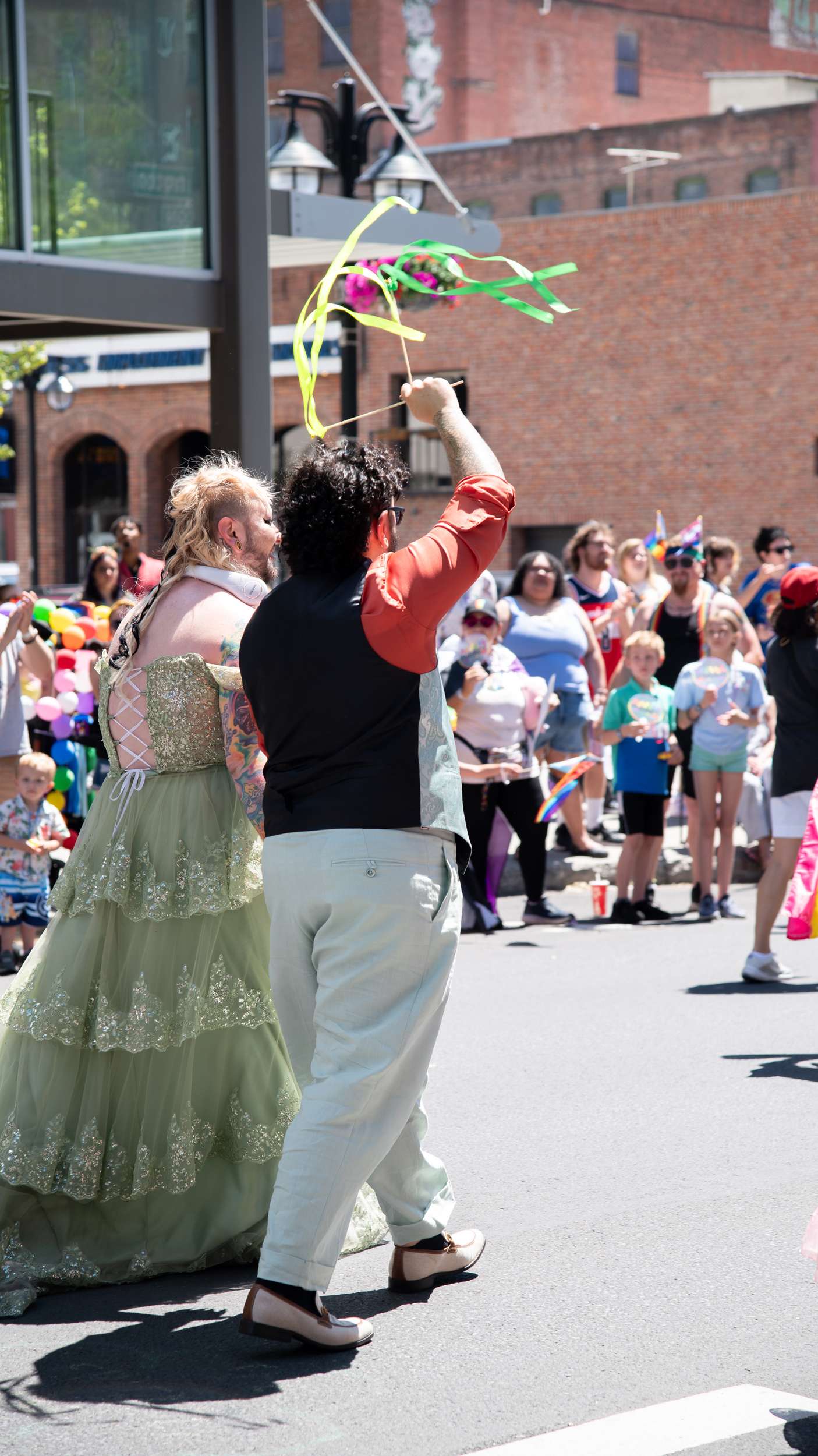
Following the exchange of vows at the venue, the transition from private ceremony to public celebration was seamless. The newlyweds moved directly from their wedding space into the heart of the Spokane Pride parade. For the couple, this was a vital component of the day. "Celebrating it on the day of Pride provided a safe space for us," the couple noted. It was an act of visibility that allowed them to share their joy with the broader LGBTQ+ community, reinforcing the idea that their marriage was not an isolated event but a part of a larger, vibrant tapestry of queer life.
The After-Party: Garden Whimsy
The festivities concluded with an intimate reception for 40 guests at the home of Griffin’s mother. The setting perfectly embraced their chosen "cottagecore" theme—a subculture that emphasizes rural life, nature, and a soft, whimsical aesthetic. Guests were treated to a garden party atmosphere, complete with poolside cocktails and the nostalgic, cooling presence of a slushy machine. This blend of high-concept aesthetic and low-key, comfortable celebration perfectly encapsulated the couple’s desire for a day that felt authentic rather than performative.
The Philosophy of "Queer Joy" and Aesthetic Choices
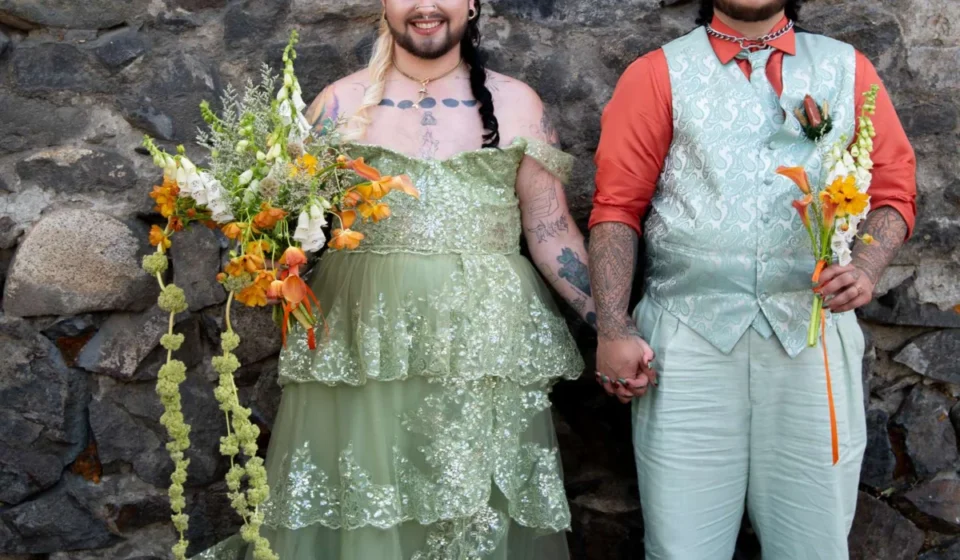
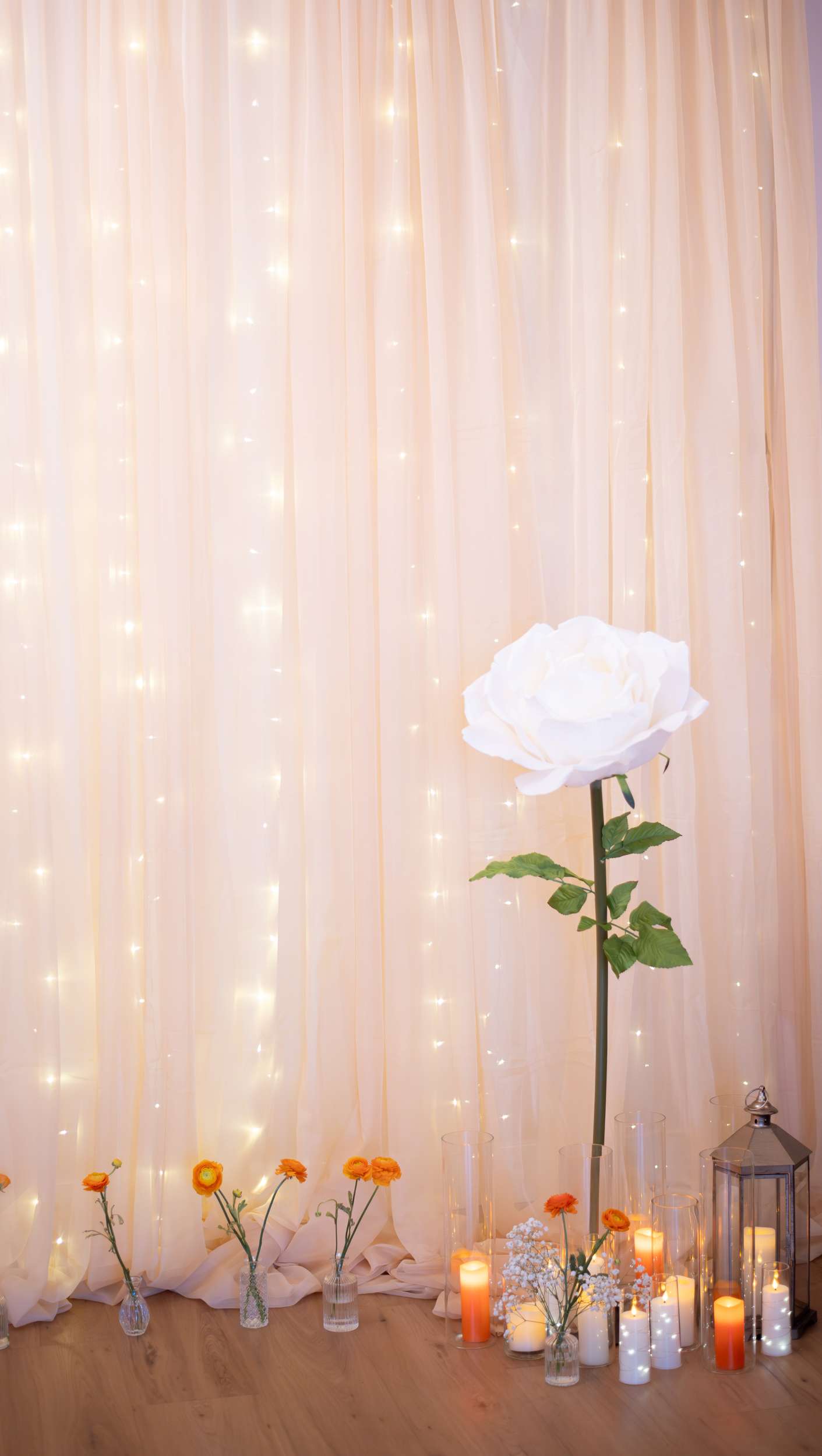
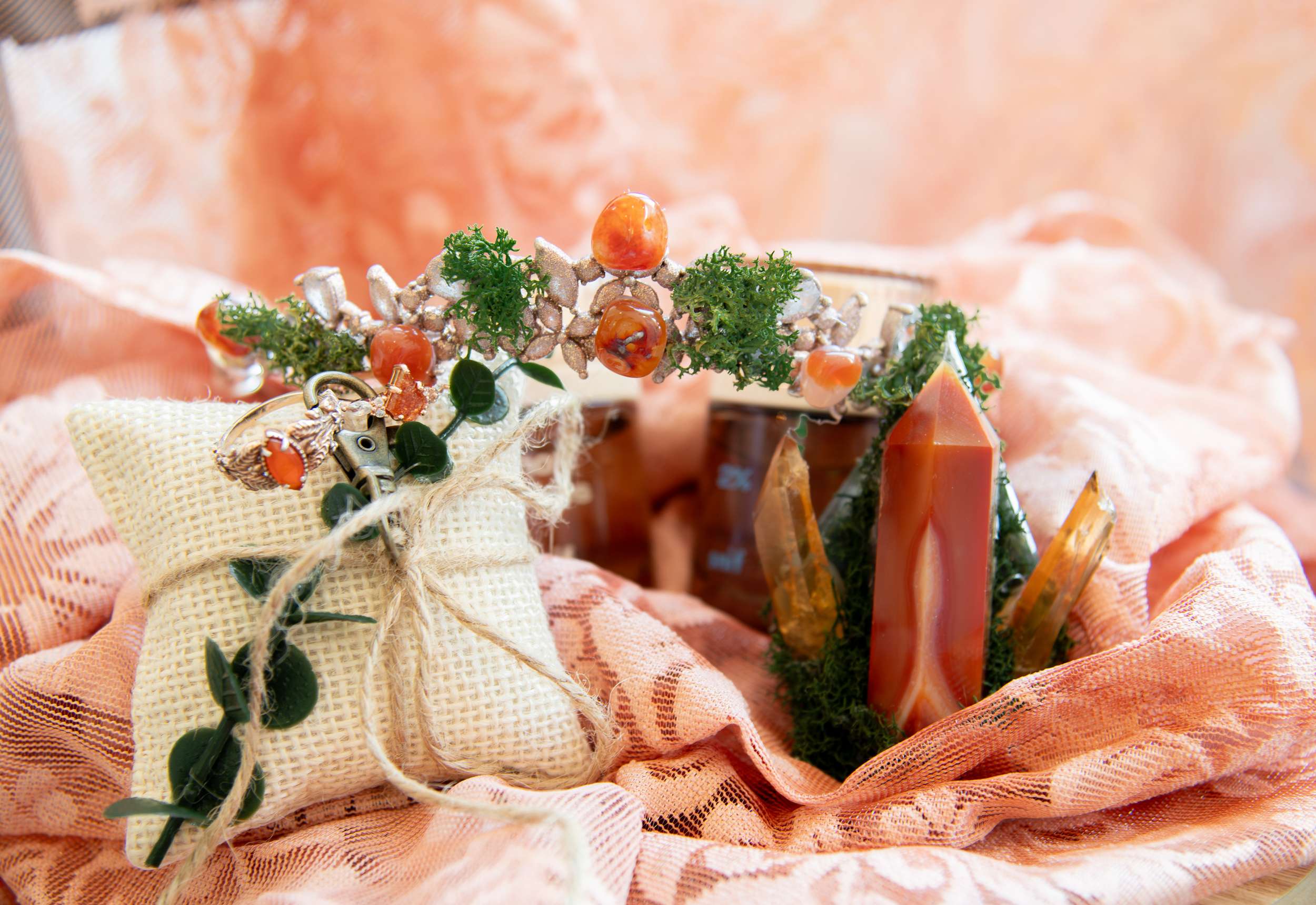
The wedding’s aesthetic palette—dominated by deep, earthy greens and vibrant, sun-drenched oranges—was a deliberate choice. The couple described their vision as "whimsical," drawing inspiration from the cottagecore movement, which celebrates a return to simplicity, nature, and a rejection of the hyper-industrialized modern world.
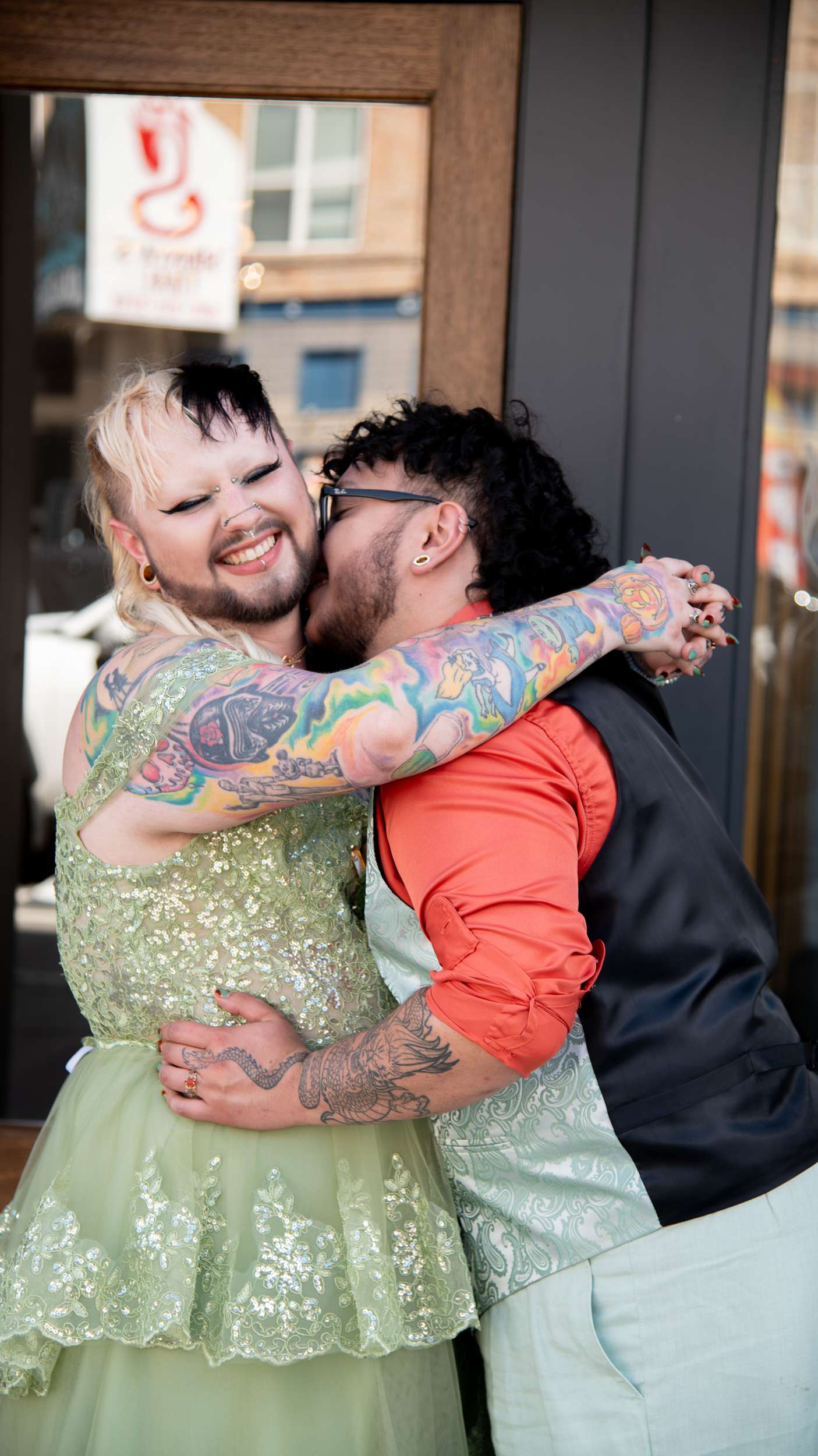
Interwoven with this pastoral aesthetic were subtle, yet pervasive, themes of astrology and queerness. By integrating these elements, Griffin and Jay ensured that every aspect of the event was a reflection of their inner lives. The presence of astrology—often associated with the search for meaning and cosmic connection—served as a grounding force, while the unapologetic focus on "queer joy" served as the day’s emotional engine.
The Role of Venue and Support Systems
The success of the day was largely attributed to the collaborative efforts of the team at The Vow Room. Planning a wedding is notoriously stressful, but the couple emphasized that their experience was made "easy" by the guidance of their planner, Jade.
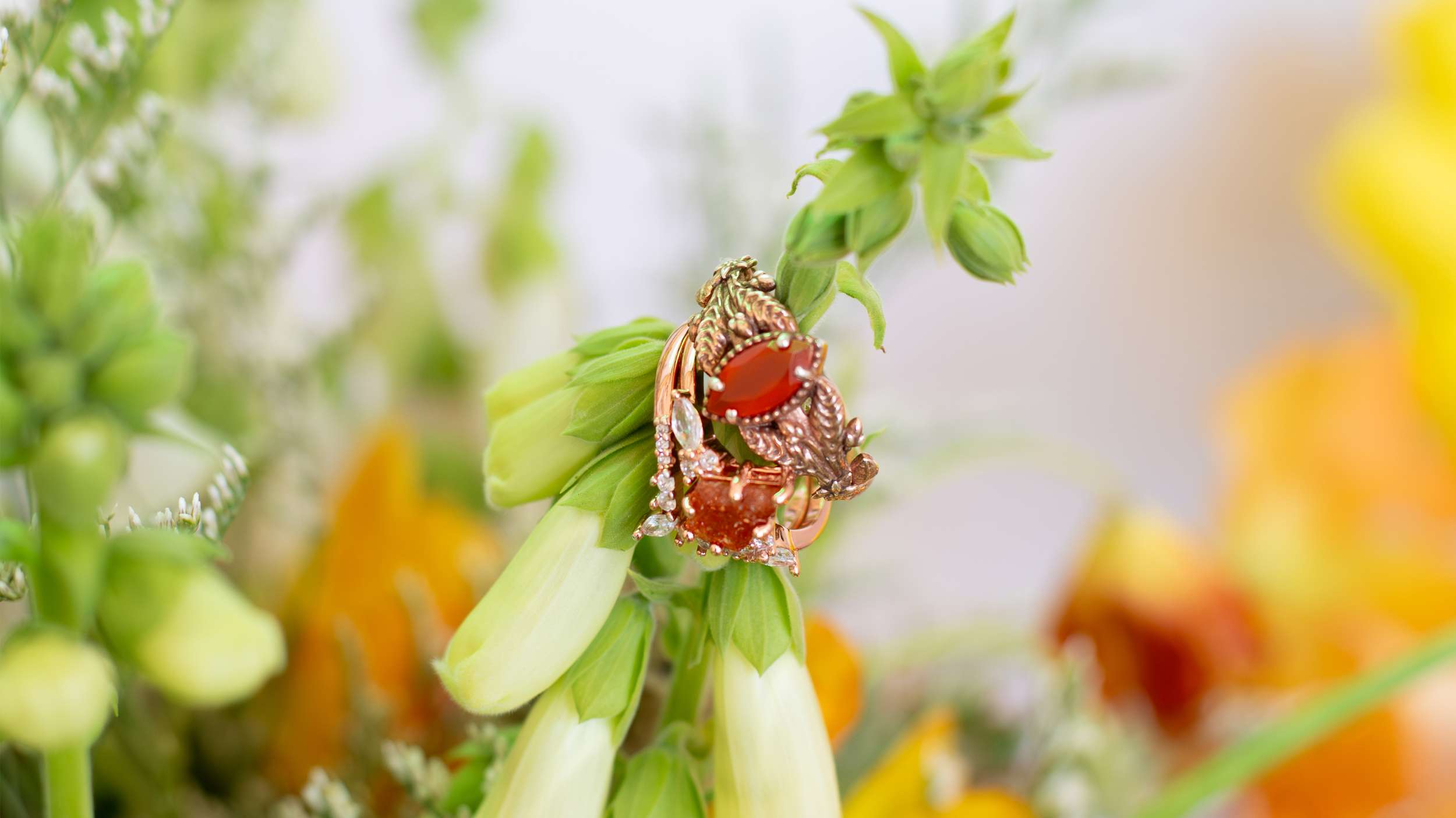
"Jade at The Vow Room was an incredible planner and made the day feel so easy," Griffin stated. "They were willing to accommodate and turn the day into what we dreamed the day would be. All we had to do was show up with the registration and our rings!"
This level of support is crucial, particularly for transgender and queer couples who may face hesitation or lack of understanding from vendors. The Vow Room’s willingness to act as a partner in the vision, rather than a gatekeeper of tradition, allowed the couple to focus on the emotional significance of the day rather than the logistical burdens.

Implications for the Wedding Industry
The wedding industry, long a bastion of traditional values and heteronormative structures, is currently undergoing a slow but steady shift. However, as Griffin and Jay pointed out, there is still significant work to be done.
The Need for Representation
"We just wish the wedding industry had more transgender representation!" the couple remarked. This sentiment highlights a gap in the market. Many wedding publications and vendor portfolios continue to prioritize a specific, binary look. By featuring stories like that of Griffin and Jay, the industry can begin to normalize the diversity of the human experience.
Advocacy Through Celebration
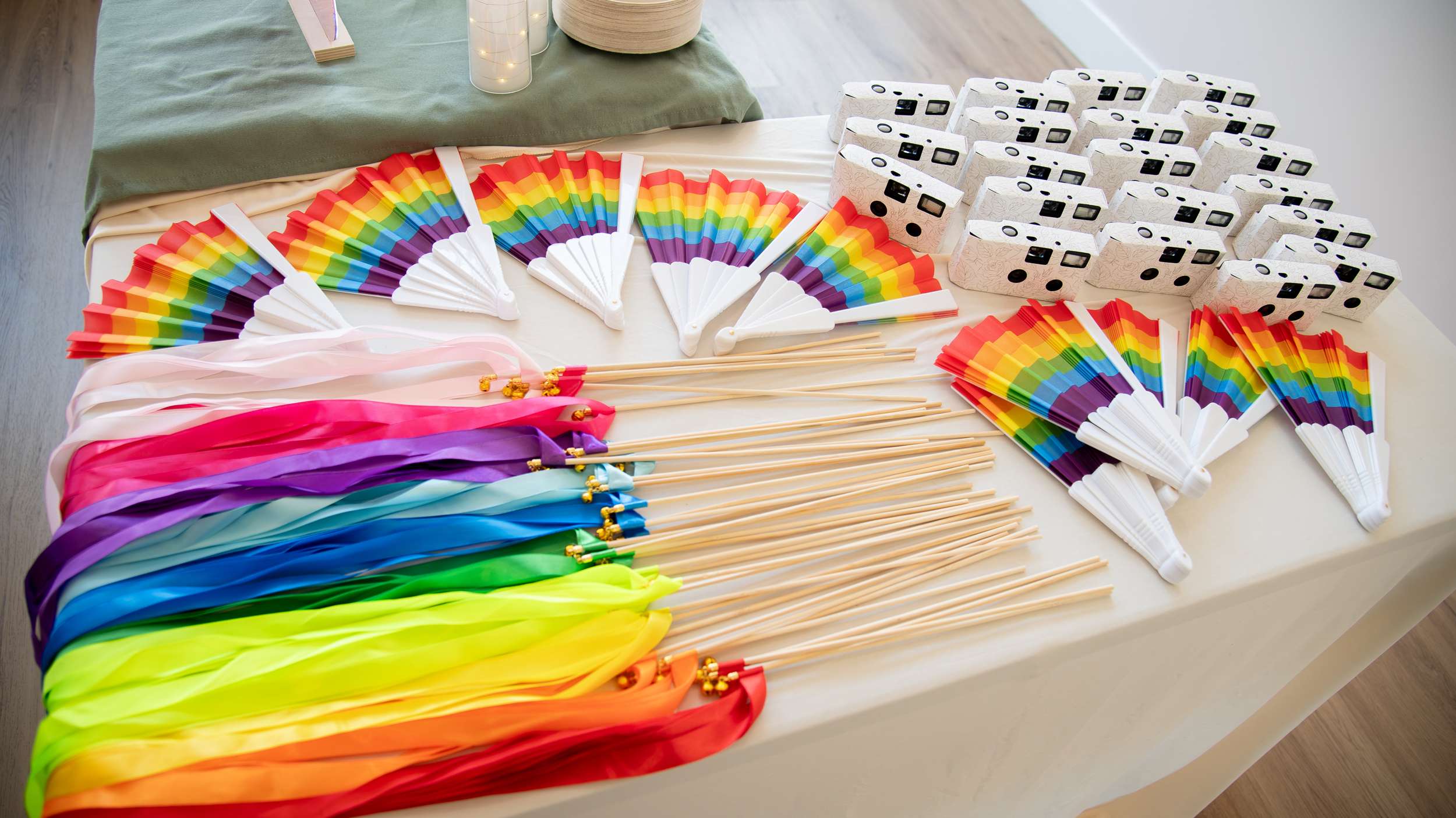
The couple’s decision to integrate their wedding with the Pride parade is a powerful example of "joy as resistance." In a political climate where LGBTQ+ rights are frequently challenged, the act of getting married and celebrating that marriage in public space is a political act. It challenges the notion that queer lives must be lived quietly or in the shadows.
Redefining Intimacy
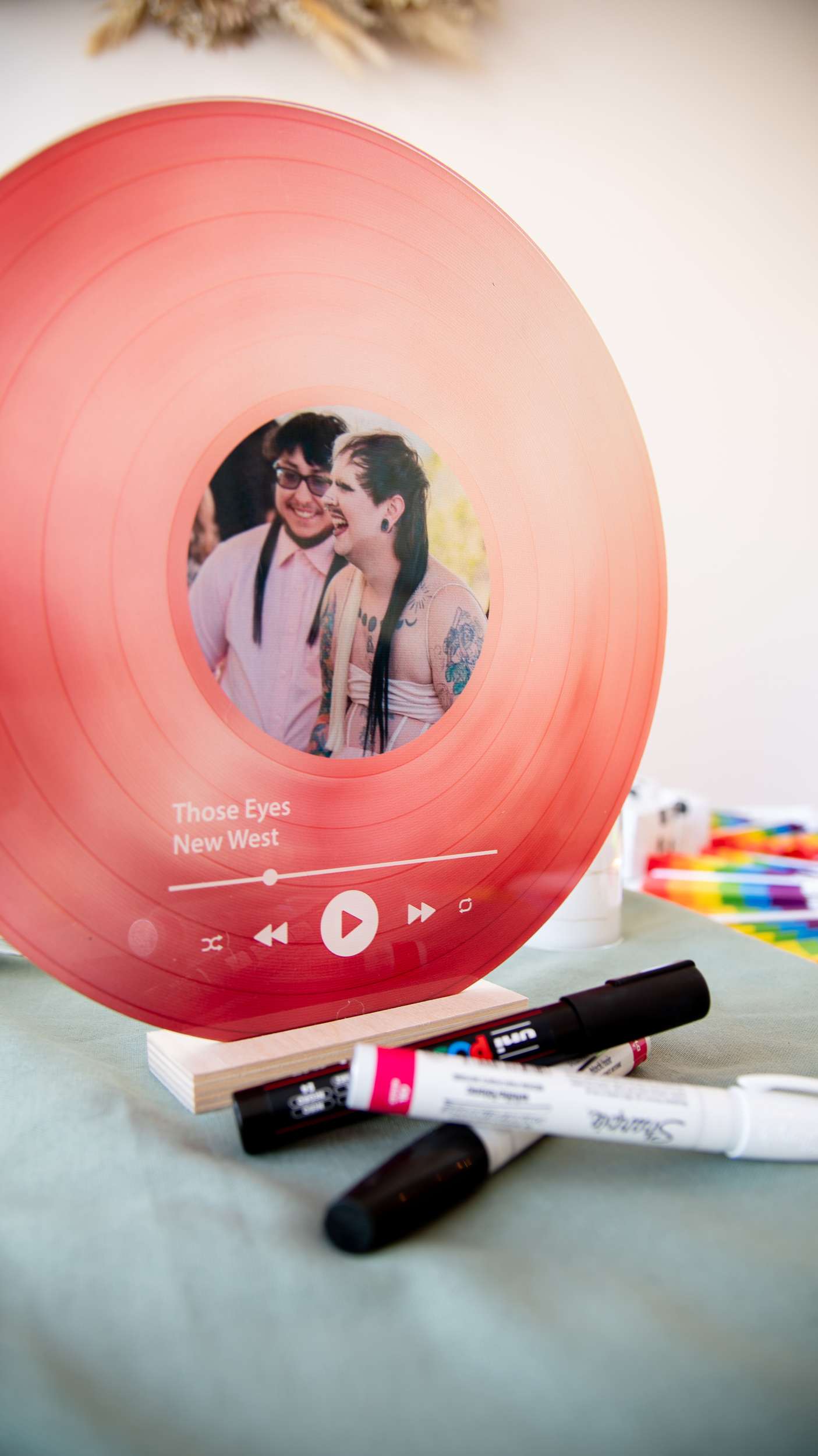
The couple’s wedding also challenges the "bigger is better" ethos of the traditional wedding industry. By opting for a smaller guest list and a focus on personal touches—like the personalized chains and the garden after-party—they demonstrated that a wedding’s success is measured by the depth of the connection felt by the couple and their guests, not by the extravagance of the budget.
Conclusion: A Blueprint for the Future
Griffin and Jay’s wedding was a masterclass in intentionality. By combining the aesthetic warmth of cottagecore with the vital, life-affirming spirit of the Pride movement, they created a blueprint for future couples looking to define their own traditions.
Their story serves as a reminder that the wedding industry exists to serve the couple, not the other way around. As the industry continues to evolve, the voices of transgender and queer individuals will be the catalysts for necessary change, ensuring that the celebration of love is as diverse, vibrant, and multifaceted as the community it represents.
For those looking to plan a wedding that feels both personal and profound, the takeaway is clear: find the vendors who champion your identity, embrace the aesthetic that makes you feel most like yourself, and never be afraid to step out of the private space and into the public eye to celebrate the joy of being exactly who you are.