Google Images Turns 25: A Radical Transformation of the World’s Visual Search Engine

For over two decades, the experience of visiting images.google.com has remained remarkably consistent: a stark, minimalist white screen anchored by a single search bar. It was a utilitarian gateway—a "search-first" environment designed to bridge the gap between a user’s query and the vast, visual landscape of the internet. However, as the platform celebrates its 25th anniversary, Google has unveiled its most significant interface overhaul to date, effectively pivoting from a cold search portal to a curated, immersive discovery engine.
This shift marks a departure from the "blank slate" philosophy that defined the early web, ushering in an era of personalized, Pinterest-like feeds that aim to anticipate user intent before a single key is pressed.
The Evolution of Visual Discovery: A New Homepage
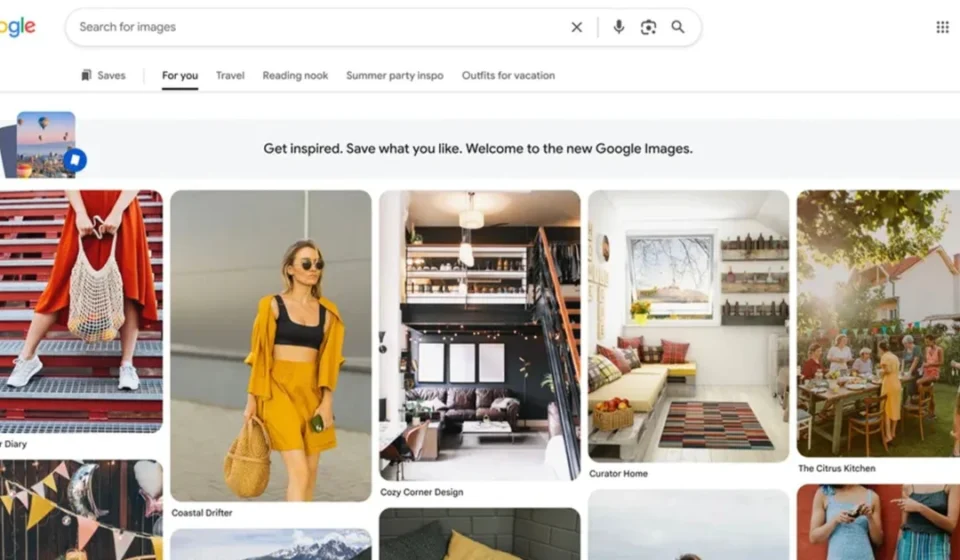
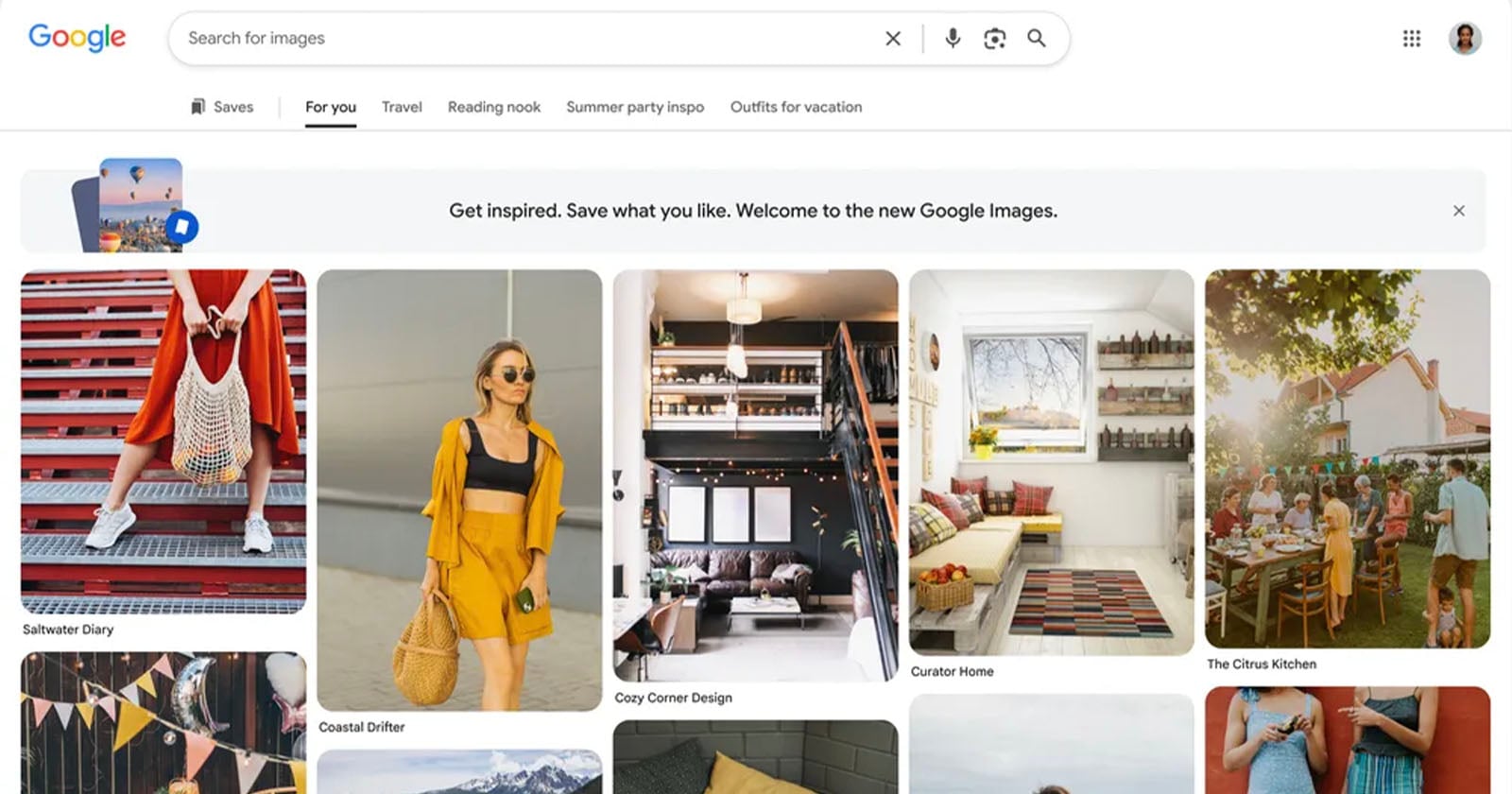
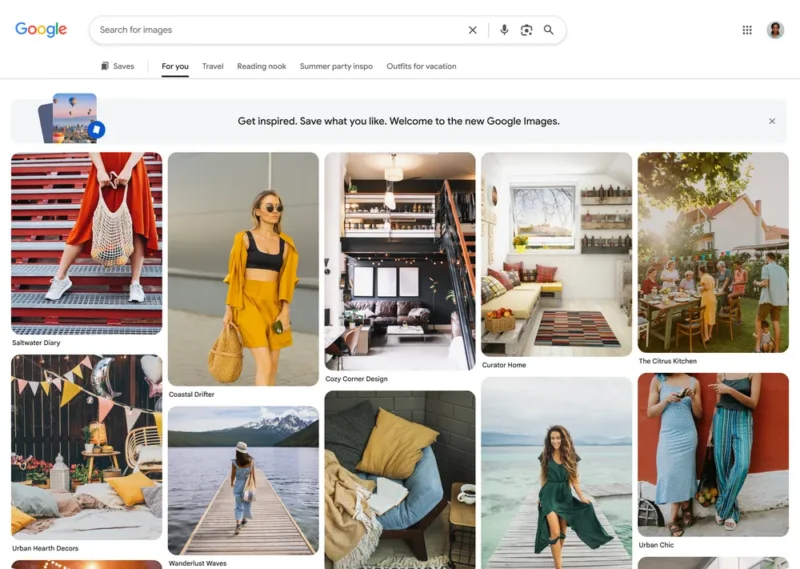
The core of this update is the introduction of a dynamic, personalized gallery that greets users upon arrival. No longer merely a search prompt, the homepage will now feature a scrolling feed of images sourced from across the web. Google describes this as a "dynamic, immersive gallery" that updates in real-time, utilizing the company’s vast data insights to tailor content to an individual’s unique interests.
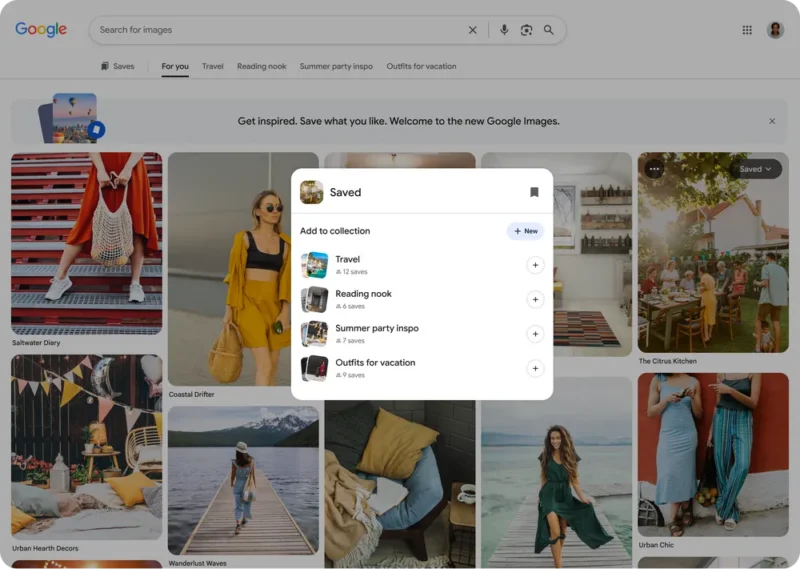
This move effectively shifts the platform’s role from a reactive search tool to a proactive inspiration engine. Users can browse lifestyle, fashion, home decor, and travel content that adapts based on their browsing history. To facilitate this, Google has introduced a new "Save" functionality. Users can curate their own collections—organizing images into folders such as "Vacation Outfits" or "Home Renovation Ideas"—which are then accessible via tabs at the top of the main gallery. This, according to the tech giant, is designed to "make it easy to jump back in and continue exploring based on what inspires you."
For now, the update is rolling out exclusively to desktop users in the United States, with a requirement that users be signed into their Google Account to access the personalized features.
A Brief Chronology: From J-Lo to AI
The story of Google Images is one of the most famous origin tales in Silicon Valley lore. It is a classic example of "necessity is the mother of invention," sparked by a single, iconic moment in pop culture history.
2000: The Catalyst
In February 2000, Jennifer Lopez attended the 42nd Grammy Awards wearing a plunging, jungle-print Versace silk chiffon dress. The look was so striking and so widely discussed that it triggered a search volume unprecedented in the early history of the web. As former Google CEO Eric Schmidt famously recounted in 2015, Google’s existing search infrastructure was built entirely on text-based results.
"At the time, it was the most popular search query we had ever seen," Schmidt noted. "But we had no surefire way of getting users exactly what they wanted: J-Lo wearing that dress."
2001: The Launch
The frustration of that moment—where the world’s most powerful search engine could provide links to articles about the dress, but not the image itself—led directly to the creation of Google Images in 2001. It was a revolutionary addition, transforming the web from a text-based repository into a visual medium.
2010–2020: Refinement and Scale
Throughout the 2010s, Google Image Search underwent multiple iterations. Key updates included the introduction of "Infinite Scroll," the ability to search by image (Reverse Image Search), and enhanced mobile optimization. Each update sought to make the web more "findable" through visual cues.
2026: The AI Frontier
Today, as the service turns 25, the focus has shifted from finding existing images to creating new ones. The integration of generative AI marks the third major epoch for the service.
Bridging Imagination and Reality: AI Integration
Perhaps the most controversial and innovative addition to the platform is the integration of the "Nano Banana 2 Lite" AI model. This new capability allows users to generate custom visuals directly within the AI Overviews interface.
Google’s rationale is straightforward: "Sometimes, the perfect image is out there on the web, waiting to be found. But other times you might have a highly specific vision where an image doesn’t yet exist."
By bridging this gap, Google is no longer just a library of existing files; it is a creative studio. The system allows users to input descriptive text prompts, which the Nano Banana model then translates into high-quality, custom-generated imagery. This capability is currently rolling out to all regions that support AI-driven search, representing a massive shift in how users interact with the platform. No longer are they limited to the content provided by web publishers; they now have the power to "manifest" visual assets on demand.
Implications for the Creative Economy
The introduction of AI generation and a curated, Pinterest-like feed has profound implications for creators, photographers, and publishers.
The "Engagement" Dilemma
By keeping users on the Google Images homepage with an endless, personalized feed, the company is effectively increasing "dwell time" within the Google ecosystem. For creators and publishers who rely on Google Images as a traffic driver, this represents a double-edged sword. While the platform may drive more eyes to images, it may also reduce the incentive for users to click through to the source websites, as the "discovery" phase is now handled entirely by Google.
The Impact of AI-Generated Content
The integration of Nano Banana 2 Lite brings the ongoing debate surrounding AI and copyright to the forefront. When a user can generate a "perfect" image via a prompt, the demand for stock photography or original editorial imagery may face further disruption. Google has yet to provide full details on how it will label these AI-generated assets or how it plans to compensate the creators whose data trained the underlying models.
User Data and Privacy
To access the new personalized experience, users must be logged into their Google accounts. This is a significant data-gathering play. By tracking the "Saved" collections, the images viewed, and the AI prompts generated, Google is building an incredibly granular profile of user interests—data that will undoubtedly refine its advertising algorithms and future product developments.
Official Stance and Future Outlook
In its official communication, Google remains bullish on the utility of these changes. "We’re bringing image generation directly into AI Overviews in Search," the company stated. "This update transforms a simple text prompt into a high-quality, custom visual made completely from scratch, seamlessly bridging the gap between imagination and reality."
As Google enters its second quarter-century of visual search, the company is clearly betting that the future of the internet is not just about indexing the past, but about generating the future. The transition from a static search bar to a vibrant, AI-powered feed reflects a broader industry trend: the "Platformization" of discovery, where the user never needs to leave the host site to satisfy their curiosity or their creative needs.
While the "J-Lo dress" moment proved that the world wanted to see what it searched for, this new update suggests that in 2026, the world wants to control what it sees. Whether this evolution will preserve the vibrancy of the open web or consolidate it further into the walled garden of Google remains the defining question of the next decade. For now, the "blank screen" is officially a thing of the past.