A Masterclass in Immersive Hospitality: How The Grand America Hotel Redefined Anniversary Celebrations

Celebrating a quarter-century in the hospitality industry is no small feat. For most institutions, a 25th anniversary is marked by a gala dinner or a commemorative plaque. However, for The Grand America Hotel in Salt Lake City, the milestone served as a blank canvas for a bold, multisensory experiment in experiential design. The event, aptly titled "The 25-Year Reverie," did not merely celebrate the past; it challenged the boundaries of how a hotel can interact with its guests. By blending the ornate aesthetics of 18th-century France with cutting-edge digital technology, the hotel’s Catering and Convention team crafted a dreamlike, interactive environment that proved nostalgia and innovation are not mutually exclusive.
The Genesis of the Reverie: Beyond the Traditional Gala
The creative vision for the 25-Year Reverie was rooted in a singular, ambitious goal: to design not just a visual spectacle, but a visceral emotional experience. The hotel’s leadership team emphasized that they wanted to move away from the "static" nature of traditional anniversary parties.
"We don’t want to just design what an event looks like; we want to design what it feels like to be there," explained a member of the Catering and Convention team.
The choice of Versailles and 18th-century France was deliberate. The Grand America’s architecture—characterized by soaring ceilings, gilded accents, and European-inspired grandeur—already shares a lineage with French royal aesthetics. However, the team was careful to avoid the trap of a historical reenactment. Instead, the objective was to "reimagine" the era through a contemporary lens. The resulting juxtaposition—gilded, baroque mirrors placed alongside sleek, high-definition LED displays—became the event’s visual anchor, signaling that the hotel honors its heritage while looking firmly toward a modern future.
Chronology of an Immersive Journey
The planning of the Reverie was an exercise in extreme logistical coordination. Long before the doors opened to guests, the team had to map out an environment that encouraged organic discovery rather than forced movement.
Phase 1: Conceptualization and Narrative Building
The initial phase involved creating a cohesive narrative across disparate zones. The team utilized "environmental zoning" to ensure that while each room had a distinct personality, they all belonged to the same universe.
- Le Louvre Vivant: Dedicated to the display of "living" art and acrobatic performances.
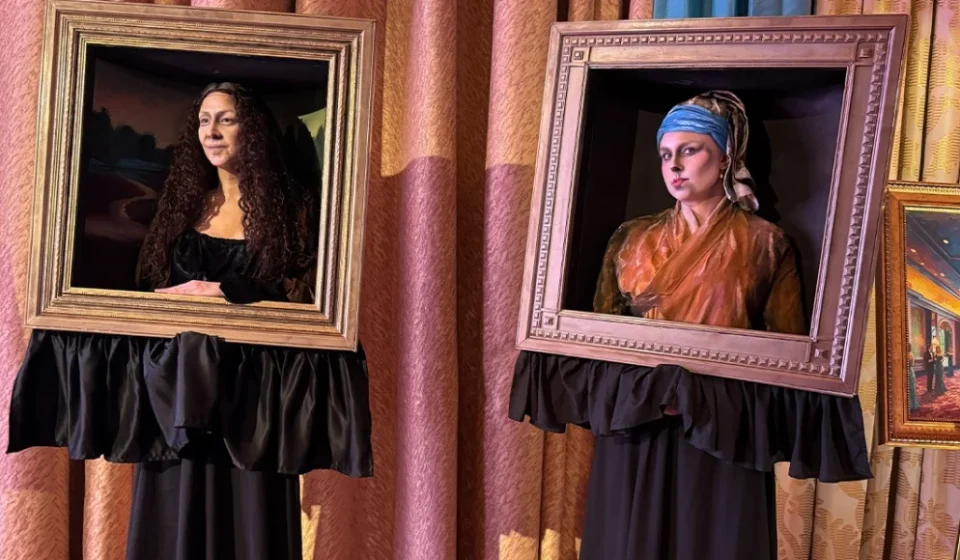
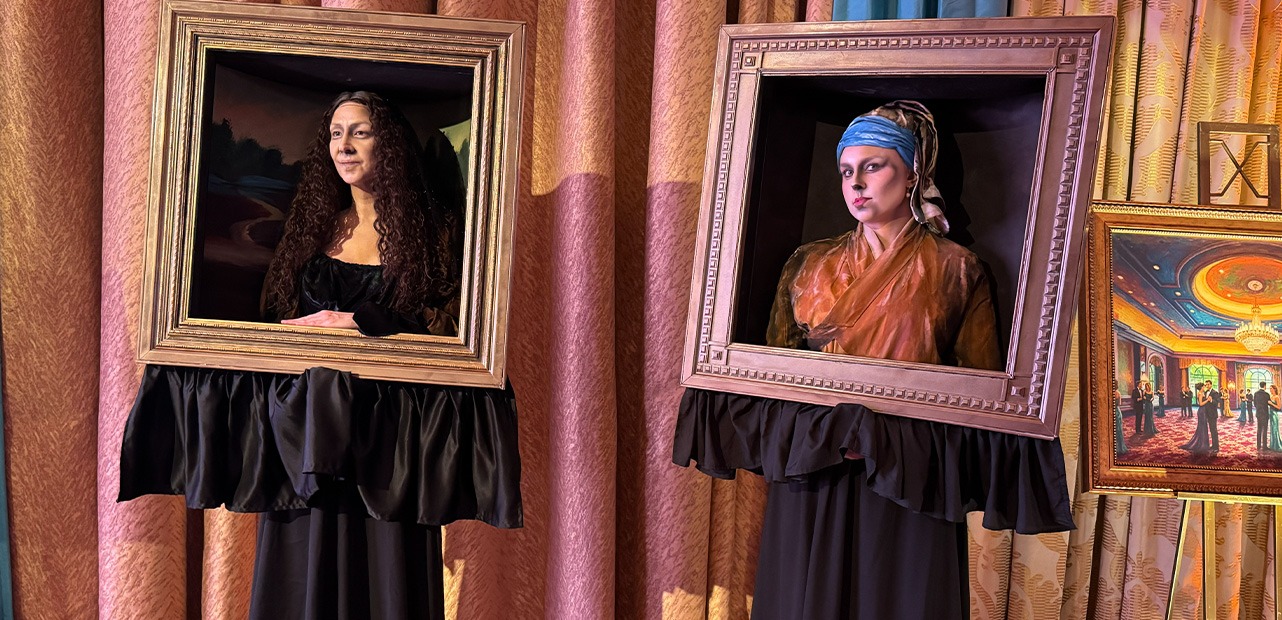
- Salon de Minuit: A moody, intimate space designed for portraiture and reflection.
- The Grand Marché: An open-air market recreation that served as the culinary heartbeat of the event.
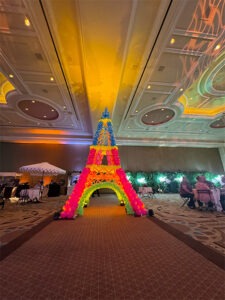
- The Grande Cour: The central nexus where 18th-century court dancers met modern LED light installations.
Phase 2: Execution and Integration
In the weeks leading up to the event, the focus shifted from theory to technical execution. The team collaborated with production partners like Voodoo Productions to integrate live entertainment that felt authentic to the space. The performers—mimes, accordion players, and court dancers—were coached to interact with the guests, effectively breaking the "fourth wall" of traditional event hosting.
Phase 3: The Guest Experience
On the night of the event, the flow was managed by the strategic placement of high-engagement activities. By spreading food, bars, and interactive stations throughout the venue, the team prevented bottlenecks and encouraged guests to wander. This fluid structure successfully transformed the hotel ballroom into a dreamscape where attendees were never quite sure what they would encounter around the next corner.
Supporting Data: Crafting the "Market" Experience
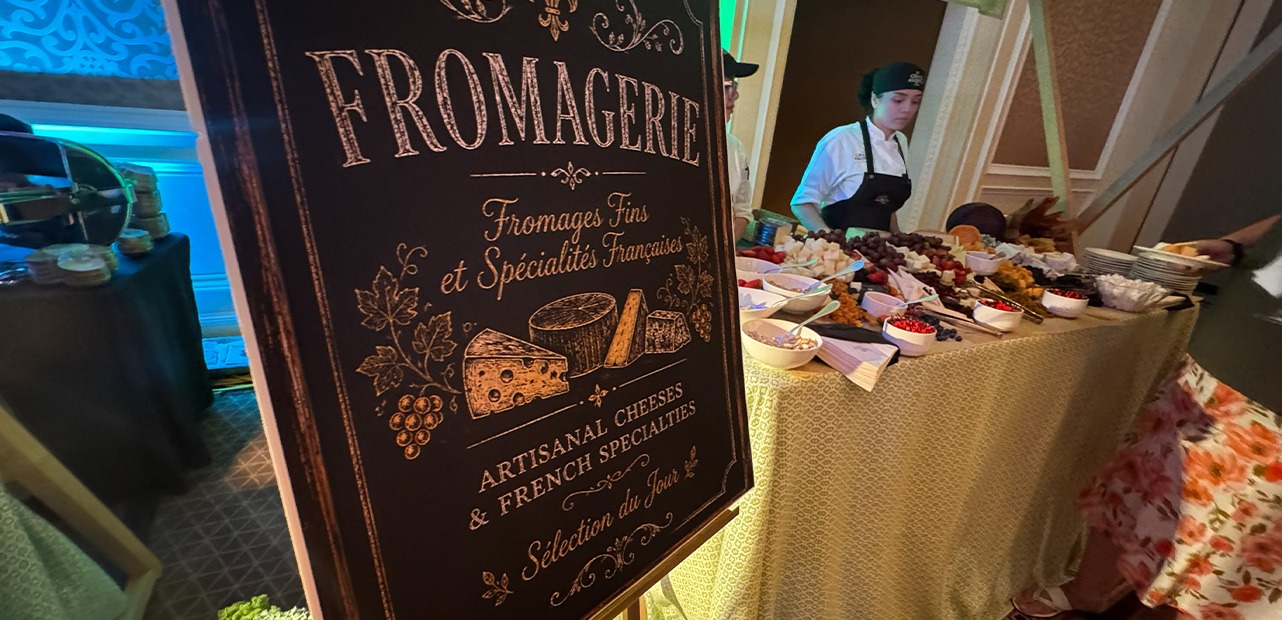
The Grand Marché served as the primary example of how the culinary team elevated food service into an interactive activation. Rejecting the traditional, one-size-fits-all buffet model, the planners created specialized "shops" that allowed for both culinary variety and logistical control.
The shops included:
- Fromagerie & Boulangerie: Focusing on artisanal cheeses and fresh-baked goods.
- Poissonnerie & Crêperie: Offering made-to-order delicacies.
- Glacerie: Serving gourmet gelato and sorbet.
- Bar à Vin & Fleuriste: Providing refreshments and a unique build-your-own bouquet station.
By utilizing individual shops, the team was able to maintain strict control over food quality and temperature, while simultaneously managing dietary requirements more effectively than a standard banquet line could. The fleuriste station, created in partnership with Botanica, was a standout, transforming floral decor into a personalized guest favor, thereby increasing the "take-home" value of the event.
Official Perspectives: The Philosophy of Experiential Design
When asked about the challenges of managing such a complex event, the Catering and Convention team highlighted the importance of clear, singular vision. "Being the creative doesn’t mean doing every piece yourself," they noted. "It means having a clear enough vision that dozens of people can work on completely different things and, when it all comes together, it still feels like it came from one imagination."
The team’s perspective on the role of technology is particularly telling for the modern hospitality industry. They argued that the integration of digital imagery and LED screens was not a departure from the "Grand" aesthetic, but rather an evolution of it. "To us, being modern doesn’t mean abandoning who you are. It means finding new ways for people to experience it."
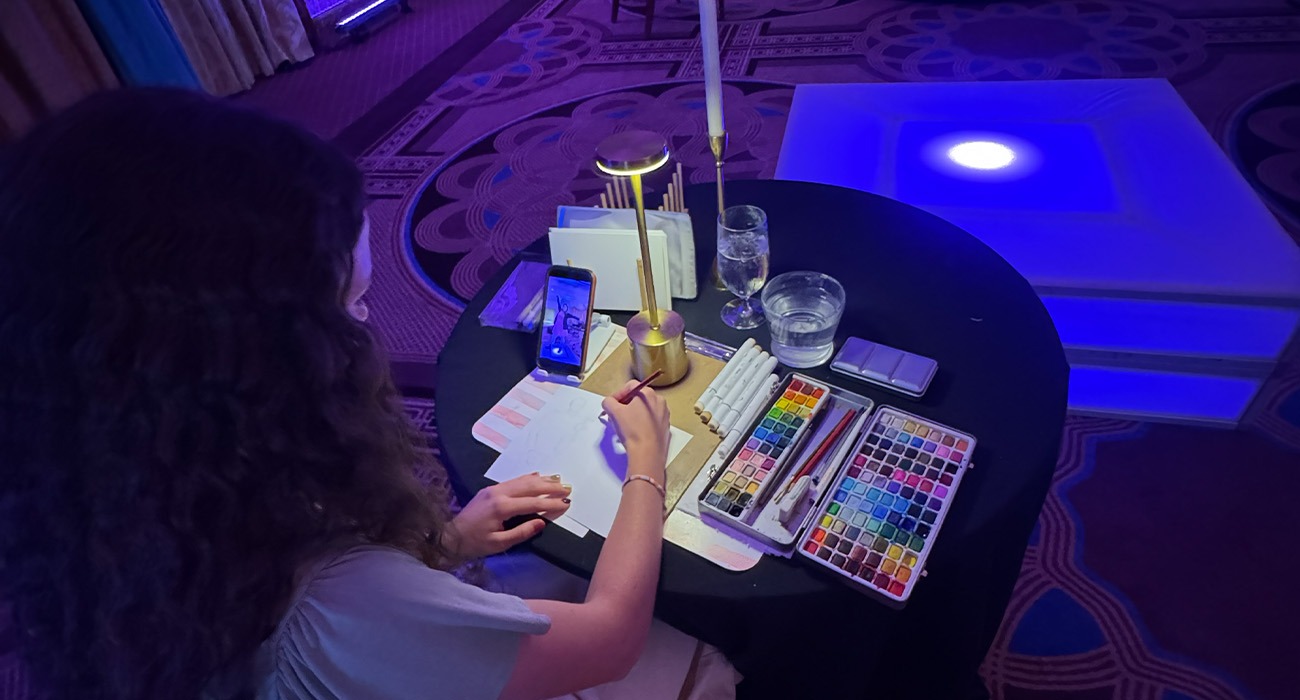
This philosophy extended to the portrait artists in the Salon de Minuit. By employing four artists simultaneously, the team avoided the long, stagnant lines that typically plague event activations. This choice allowed the artists to become part of the performance rather than a service point, reinforcing the theme of the guest as a living piece of art.
Implications for the Meetings and Events Industry
The Grand America’s 25th-anniversary event serves as a blueprint for planners looking to pivot toward more immersive, "high-touch" events. The lessons drawn from this celebration are highly scalable, regardless of the group size or budget.
1. Intentionality Over Opulence
The primary takeaway for event planners is that experiential design is not synonymous with an unlimited budget. The team emphasized that "three really thoughtful things that all connect" are vastly superior to "15 expensive things that don’t." Planners with smaller budgets can adapt the Grand’s model by scaling down individual components—such as reducing the number of market stalls or limiting the number of portrait artists—without sacrificing the core thematic experience.
2. The Power of Guest Agency
The Reverie succeeded because it granted guests agency. By creating an environment that required exploration, the hotel moved guests from passive observers to active participants. This shift is critical in an era where attendees are increasingly seeking "Instagrammable" moments that feel authentic rather than staged.
3. Bridging the Classical and the Modern
For legacy properties, the temptation to stay trapped in traditional, conservative decor is strong. The Grand America’s success proves that historical venues can, and should, embrace modern technology. The use of digital displays and LED lighting to frame classical architecture creates a sense of "timelessness" that appeals to multi-generational audiences.
4. Logistics as Part of the Aesthetic
Perhaps the most understated success of the event was the seamless management of guest flow and food quality. By decentralizing the culinary experience, the team not only solved the issue of guest fatigue but also enhanced the narrative of the French market. Every operational decision, from the choice of packaging at the market stalls to the training of the performers, was treated as a creative choice.
Conclusion: A New Standard for Milestones
The 25-Year Reverie at The Grand America Hotel was more than a party; it was a demonstration of how a hotel can define its own identity through creative risk-taking. By treating their anniversary not as a retrospective of the past, but as a dreamlike exploration of the future, the team at The Grand has set a high bar for hospitality excellence.
As the industry continues to evolve in a post-pandemic landscape, the shift toward immersive, story-driven events will likely become the standard. The Grand America has shown that when an organization is willing to invest in the "feeling" of an event, the result is a lasting resonance that extends far beyond the final toast. They have honored their 25-year history by demonstrating that their best days—and their most innovative experiences—are likely still ahead.