Liquid Legacies: How New Orleans’ Historic Bars Are Balancing Tradition and Innovation

In the humid, storied heart of New Orleans, the act of ordering a drink is rarely just a transaction. It is an immersion into a timeline that spans nearly two centuries. From the Art Deco majesty of The Roosevelt’s Sazerac Bar to the weathered, welcoming walls of Tujague’s in the French Quarter, the city’s drinking establishments serve as living archives. Yet, these institutions face a perpetual, delicate challenge: how to honor the ghosts of the past while remaining relevant to the sophisticated, trend-conscious palates of the modern drinker.
The consensus among the city’s most venerable operators is clear—New Orleans is not a city of museums. It is a city of evolution. By blending rigid preservation of classic recipes with forward-thinking cocktail programs, these landmarks are ensuring that their next hundred years are as vibrant as their first.
The Architecture of History: Main Facts
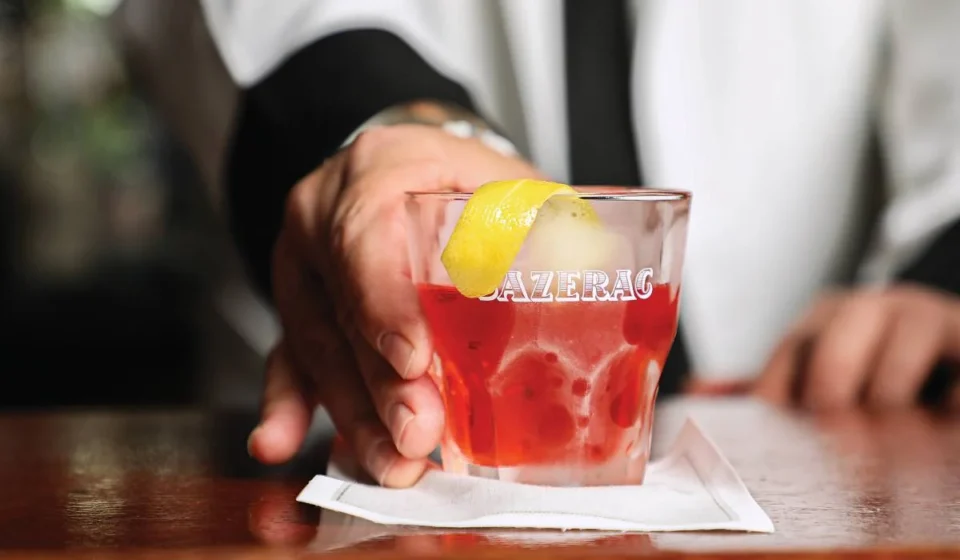
The city’s cocktail culture is anchored by a few "untouchable" pillars. At the Sazerac Bar, the environment itself is a testament to longevity. The African walnut bar and ornate murals aren’t just decor; they are the stage upon which the eponymous Sazerac cocktail—rye, sugar, Peychaud’s bitters, absinthe, and lemon oil—is performed nightly.
Similarly, Tujague’s, founded in 1856, holds the title of the second-oldest restaurant in New Orleans and the third-oldest continuously operating establishment in the United States. It is the birthplace of the Grasshopper, a decadent, mint-chocolate concoction that has defied modern trends toward "lighter" drinking by remaining the restaurant’s top-selling cocktail.
These aren’t merely places to drink; they are repositories of cultural heritage. However, the operators of these spaces are quick to emphasize that they are not curators of a collection. They are business owners, and their survival depends on the ability to bridge the gap between a history-seeking tourist and a local looking for something new.
A Chronological Journey: From Coffee House to Modern Lounge
To understand the current tension between past and future, one must look at the timeline of the "classic" cocktail.
- 1850s: Aaron Bird opens the Sazerac Coffee House, introducing the pairing of Sazerac-de-Forge et Fils cognac with Peychaud’s bitters. This creates the bedrock of New Orleans cocktail identity.
- 1918: Philip Guichet, of the family behind Tujague’s, introduces the Grasshopper after a high-stakes cocktail competition in New York. It becomes an instant, enduring sensation.
- 1938: The Sazerac Bar officially opens within the newly reimagined Roosevelt Hotel, codifying the drink’s connection to the hotel’s glamorous social atmosphere.
- 1982: The Latter family takes the helm at Tujague’s, beginning a long period of stewardship that would eventually pass to the current generation.
- 2013: Mark Latter assumes control of Tujague’s, balancing the weight of 170 years of history with the need for a contemporary beverage program.
- Present Day: Both establishments are actively diversifying their menus, moving beyond pure nostalgia to integrate modern techniques and ingredients while maintaining the core "DNA" of their historic offerings.
Supporting Data: The Shifting Beverage Landscape
The modern consumer is fundamentally different from the patron of the 1930s or the 1980s. According to operators like Matt Schulte, assistant food and beverage director at The Roosevelt, the shift is marked by a move toward transparency and quality.
Data points from the current landscape show three primary trends:
- The Agave Surge: There is a marked decline in the dominance of traditional house-pour spirits, with a significant spike in consumer demand for additive-free tequila and mezcal.
- The "Educated Palate": Guests are no longer content with "well" liquor. They arrive with knowledge of single-barrel whiskeys, niche amaros, and specific producers. They want to know the why behind what is in their glass.
- Experiential Consumption: Social media has influenced menu design. Drinks like the Sazerac Bar’s "Butterfly Effect"—which features an edible Electricdust butterfly that creates a tingling sensation—are designed to provide a multisensory, shareable experience that complements the static, traditional classics.
Furthermore, these businesses are finding success through clever, history-based marketing. To celebrate its 170th anniversary, Tujague’s offered mini-Grasshoppers for $1.70. This lowered the barrier to entry for first-timers, turning a historical fact into an experiential marketing win.
Official Perspectives: The Philosophy of Evolution
The leaders of these institutions are united by a common philosophy: protect the ritual, but do not mistake tradition for stagnation.
"We’re not a museum," says Matt Schulte. "The philosophy is to honor our history without being trapped by it." For Schulte, the duty of a bartender at a place like the Sazerac Bar is to recognize when a recipe is perfect. "When a classic is already extraordinary, we leave it alone and focus on executing it exceptionally well. When we see an opportunity to take the DNA of a classic and tell a new story with it, that’s where our signatures come in."
Mark Latter, CEO of Latter Hospitality, echoes this sentiment regarding the evolution of Tujague’s. "Your menu has to constantly evolve. All the historic restaurants in New Orleans have done this." He points to the restaurant’s "Iris 75," a riff on the French 75 that utilizes purple Empress Gin to pay homage to the Krewe of Iris, the city’s oldest all-female Mardi Gras parade. It is a way of honoring the past through a modern, vibrant lens.
Implications for the Future of Hospitality
The implication for the broader hospitality industry is profound. The "classic cocktail revival" of the early 2000s has reached a point of maturation. The industry is moving away from the "complexity for complexity’s sake" era and toward a model of intentionality.
Lessons for Operators
- Contextualize Creativity: Innovation should not be random. Whether it’s a local ingredient or a nod to a historic neighborhood group, new drinks must feel rooted in the establishment’s unique narrative.
- Respect the "Untouchables": Every historic venue has items that cannot be changed. Identifying these—the Ramos Gin Fizz, the Sazerac, the Grasshopper—is vital. These are the anchors that allow for experimentation elsewhere on the menu.
- Educate the Guest: As guests become more knowledgeable, the role of the bartender has shifted from a mere drink-maker to an educator. Transparency regarding sourcing and technique is now a baseline expectation.
- Prioritize Service over Trendiness: As Schulte aptly puts it, the people who created these historic drinks weren’t trying to make history; they were trying to create something people enjoyed. That remains the primary goal.
Conclusion: The Living Legacy
As the sun sets over the French Quarter and the lights of The Roosevelt flicker to life, the clink of glass against metal serves as a bridge across time. The Sazerac and the Grasshopper remain on the menu, not because of a mandate, but because they have earned their place through excellence.
New Orleans’ historic bars demonstrate that the past is not a weight that anchors a business to the seabed; it is a foundation upon which a skyscraper can be built. By refusing to confuse tradition with a refusal to change, these institutions are ensuring that they remain the heartbeat of the city—a place where the ghosts of 1856 sit comfortably alongside the cocktail explorers of 2024. In the end, it is not about preserving the recipe; it is about preserving the joy of the experience. That, as these operators know, is the only tradition worth keeping.
Related posts: