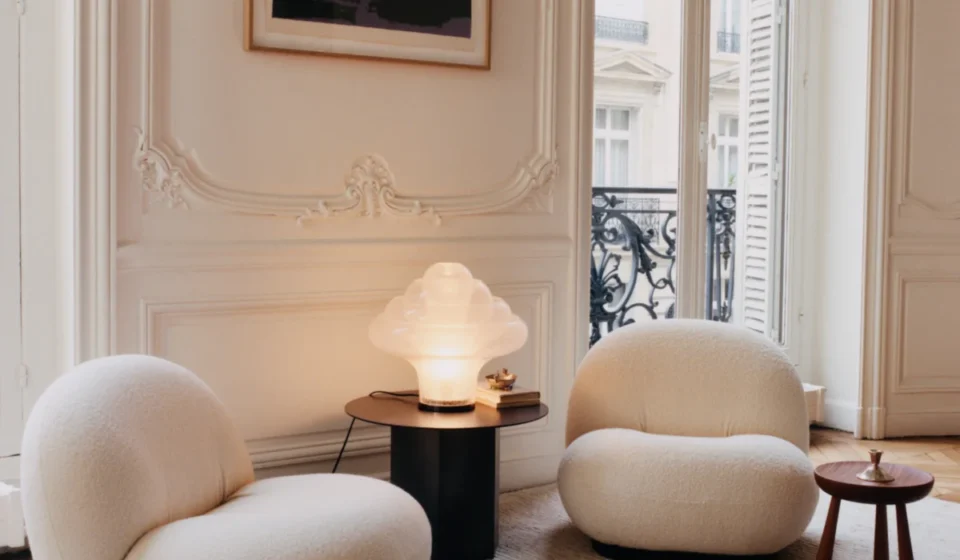

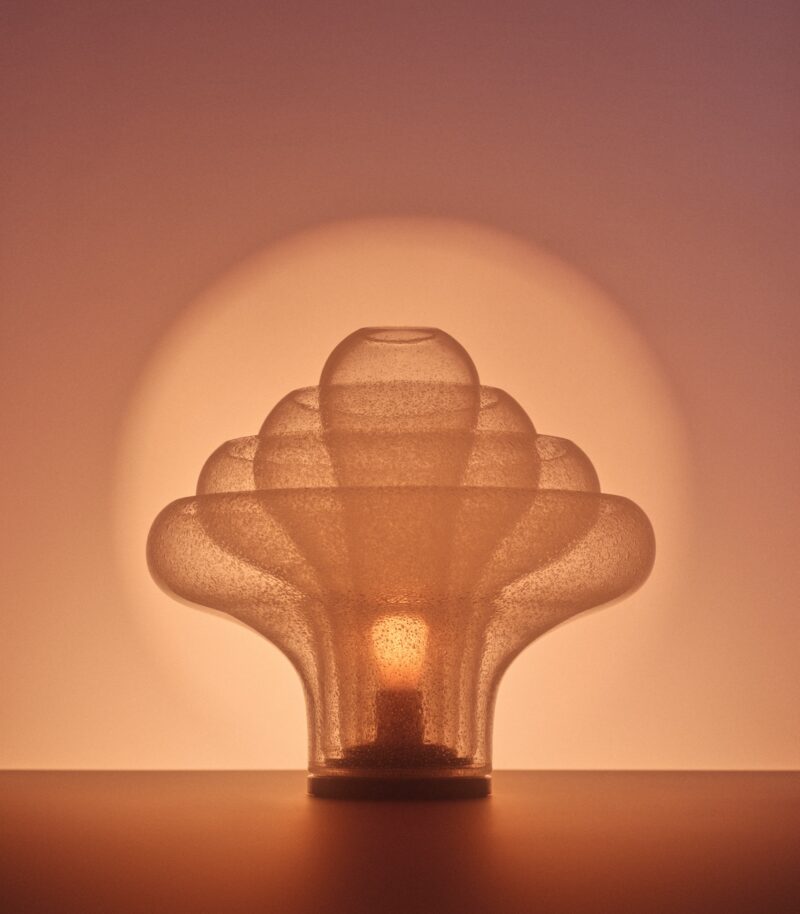
The lotus flower is a botanical marvel, renowned for its ability to emerge from murky, challenging depths to bloom into a symbol of pure, crystalline resilience. It is a fitting metaphor for the latest project from the Italian design house Gubi, which has officially breathed new life into a forgotten mid-century masterpiece. More than five decades after its original debut, the sculptural table lamp originally cataloged as the LT305 is once again in production—this time under the name by which it has been affectionately known in collector circles for years: the "Lotus."
This revival is more than a mere commercial reissue; it is an act of preservation. By bringing Carlo Nason’s 1969 design back to the global market, Gubi is reconnecting contemporary interiors with a pivotal moment in Italian glassmaking history. The lamp, with its tiered, ethereal structure, serves as a bridge between the experimental fervor of the 1960s and the refined aesthetic sensibilities of the modern era.
The Origins of an Icon: A Chronology of Innovation
To understand the weight of this reissue, one must look back to the late 1960s, a period of profound transformation for Italian industrial design. Carlo Nason, born into a prestigious family of Murano glassmakers, was uniquely positioned to bridge the gap between ancient heritage and modern ambition.
The 1969 Genesis
In 1969, at the height of the Space Age—a period defined by futuristic silhouettes and a fascination with new technologies—Nason introduced the LT305. While his ancestors had spent generations perfecting the intricate, highly decorative glass forms typical of Murano, Nason was looking toward the horizon. He was deeply influenced by the burgeoning movement of industrial product design, which prioritized streamlined, functional, and geometric shapes.
The Short-Lived Debut and Cult Status
The LT305 remained in production for only a brief window before vanishing from the commercial catalog. Yet, its disappearance from the factory floor only served to heighten its desirability. Over the following decades, the lamp became a "holy grail" for design enthusiasts. It developed a devoted cult following, appearing in the private collections of mid-century modern aficionados who coined the moniker "Lotus" to describe its organic, layered appearance.
The 2026 Revival
The decision to revive the lamp in 2026 was, according to Gubi CEO Marie Kristine Schmidt, a "very natural decision." Gubi did not simply choose to reproduce the object; they chose to honor the narrative that had built up around it. "Collectors had already given the lamp a name that captures the design beautifully," Schmidt notes. "The name had become part of the design’s identity and history, and we wanted to respect that."
The Architecture of Light: Design and Technical Precision
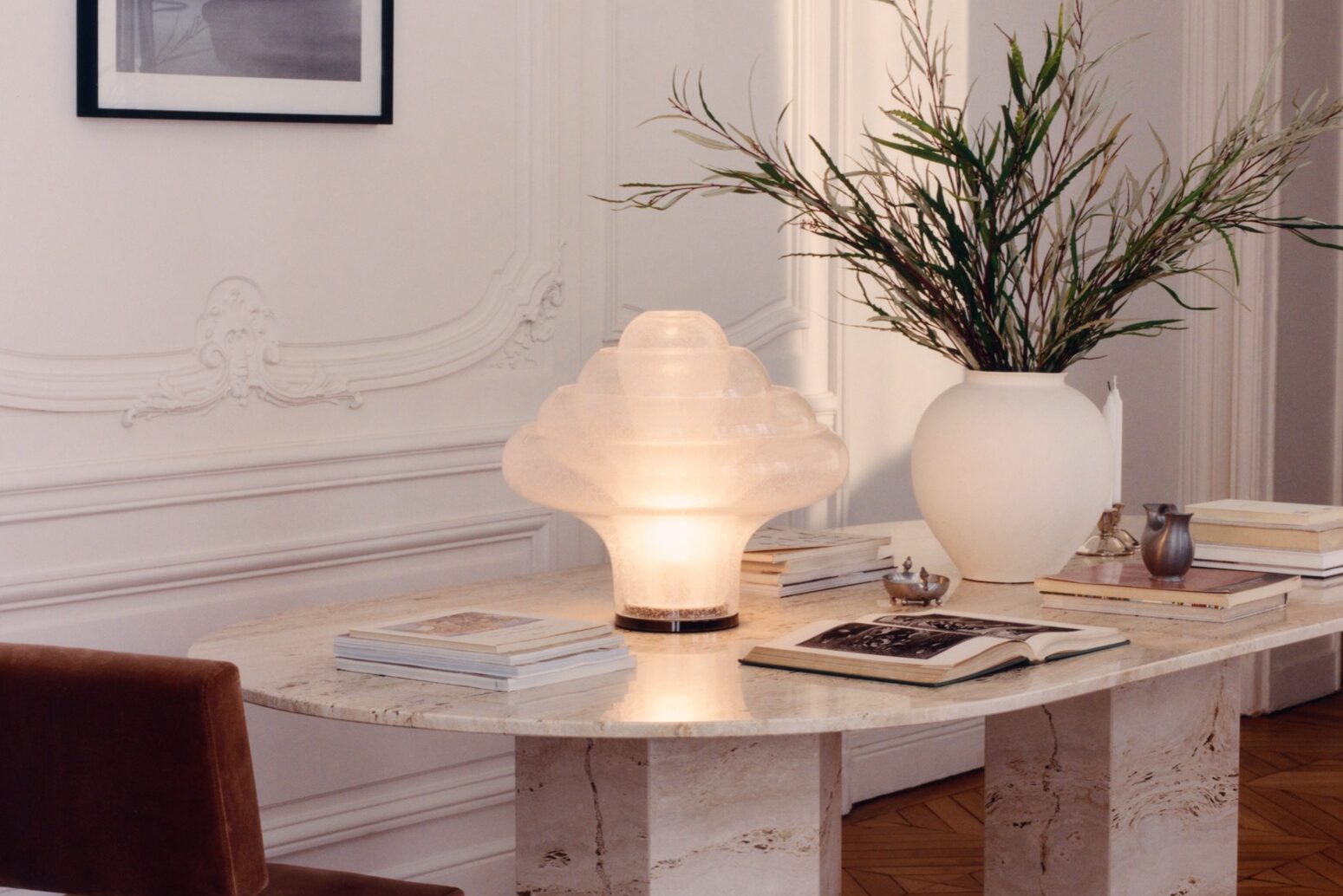
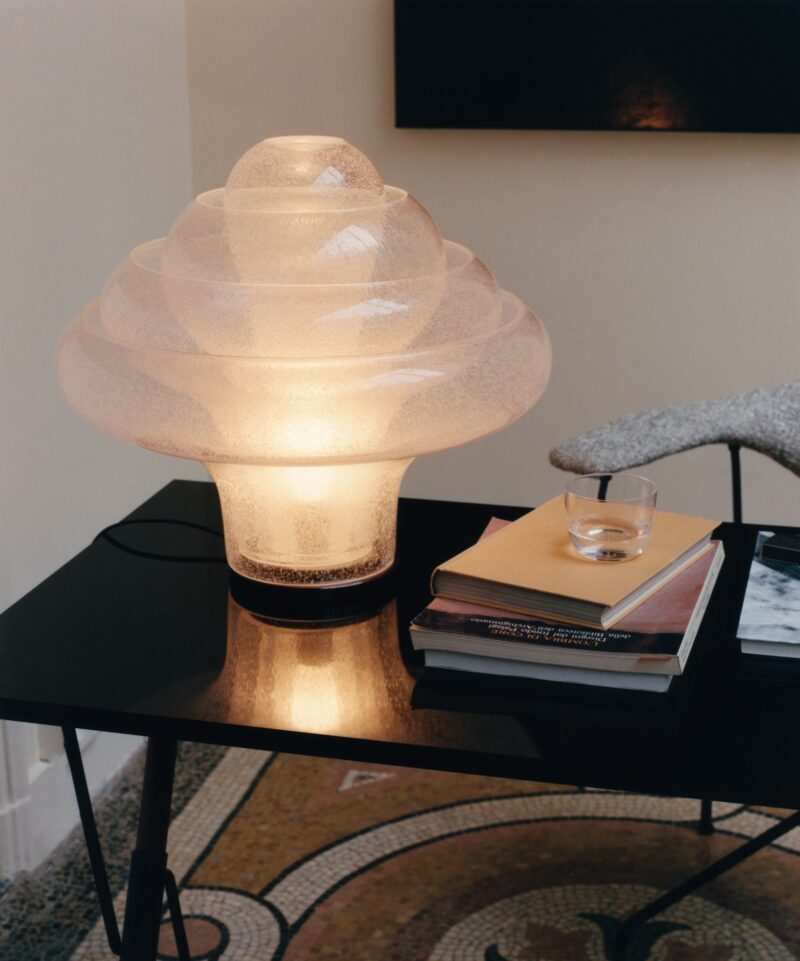
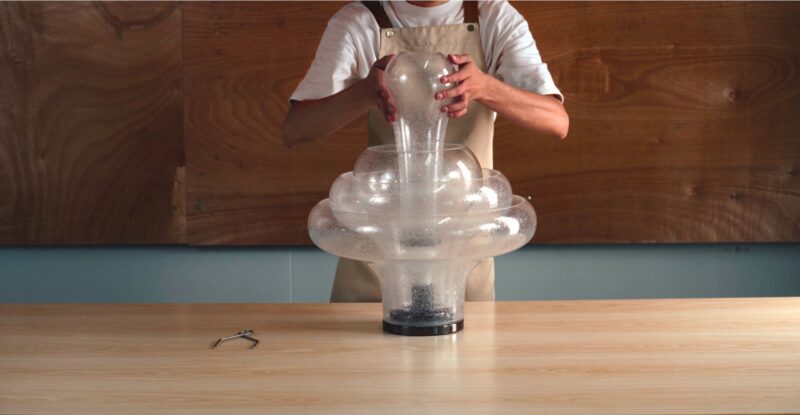
The enduring appeal of the Lotus lamp lies in the stark contrast between its simple, bulbous profile and the immense technical complexity required to construct it. The lamp is a masterpiece of light diffusion, consisting of four distinct, mouth-blown glass shades nested within one another.
The "Pulegoso" Technique
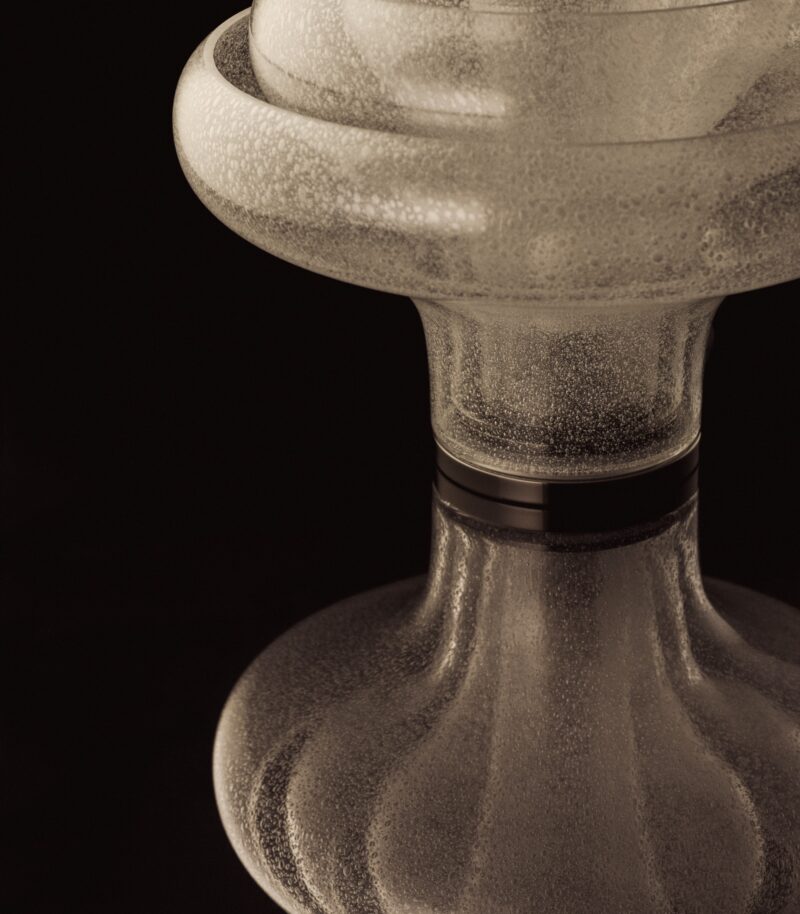
The visual depth of the Lotus is achieved through a specialized Murano technique known as pulegoso. Developed in the 1920s, this process involves introducing controlled air bubbles into the molten glass during the blowing process. The result is a textured, semi-opaque finish that does more than just look aesthetically pleasing; it transforms the quality of light.
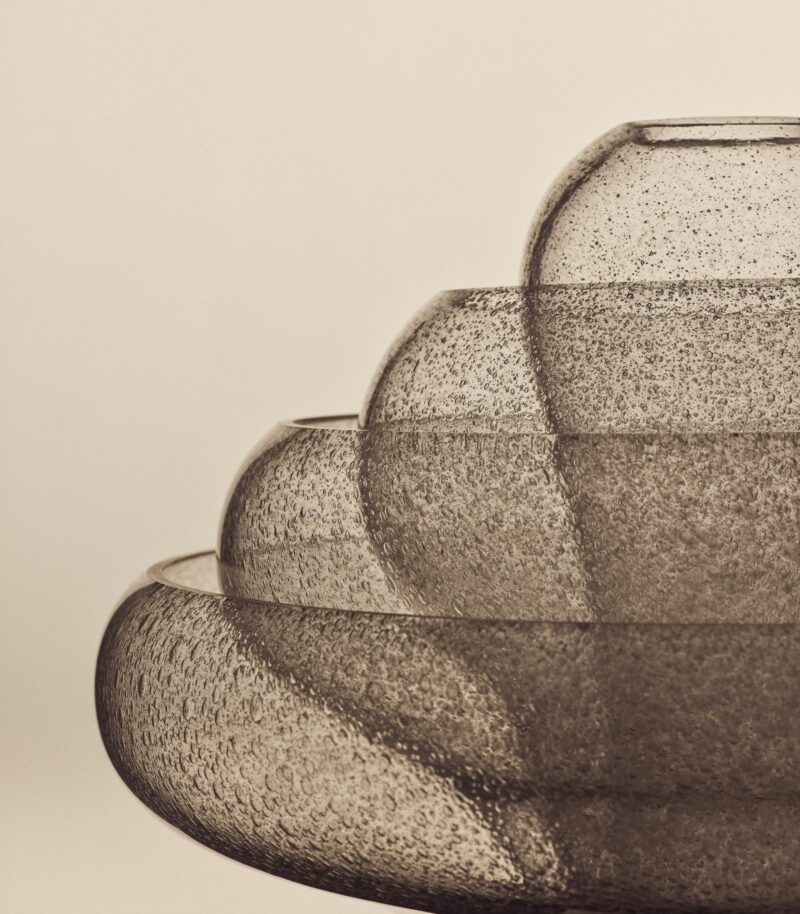
When the lamp is illuminated, the pulegoso glass scatters the light, effectively eliminating glare and harsh shadows. The design is engineered so that the opaque central portion of the four overlapping shades masks the light source entirely, while the outer, single-layered curves allow a soft, diffused glow to emanate outward. The effect is almost architectural, providing a warm, ambient presence that feels organic rather than manufactured.
Craftsmanship as Character
Because each of the four shades is individually mouth-blown, no two Lotus lamps are exactly the same. As Schmidt explains, "The natural variations in the glass and the distribution of the bubbles mean that every piece has its own unique character. The craftsmanship is visible, and that is an important part of the design’s appeal."
Bridging the Gap: Modern Refinements and Stability
While Gubi has remained staunchly faithful to Nason’s original 1969 aesthetic, they have implemented subtle, contemporary updates to ensure the lamp meets the demands of modern households.
The primary change lies in the internal steel base. In the original 1960s design, the housing for the bulb socket and the mechanism for securing the glass shades were sufficient for their time, but they lacked the modular ease expected by today’s consumers. Gubi has re-engineered this core structure to provide significantly greater stability. Furthermore, the new construction makes the lamp far easier to disassemble, allowing users to clean the four delicate shades and replace the light source without the frustration that often accompanies vintage, non-standardized fixtures.
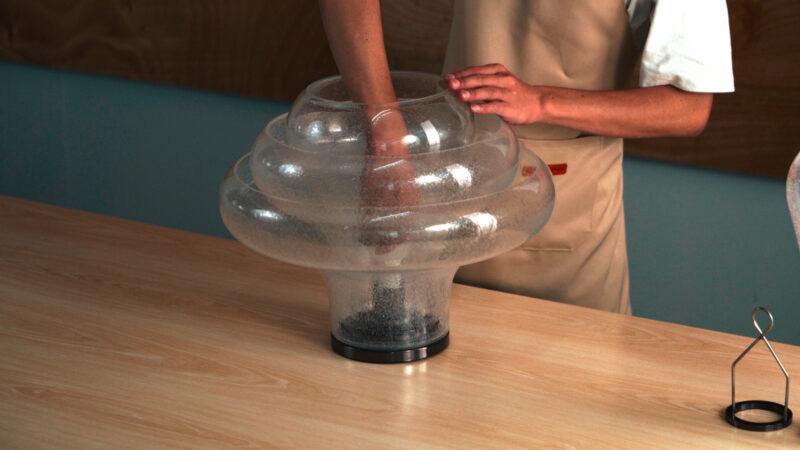
"These are discreet improvements that do not change the expression of the design but ensure that it works beautifully in everyday use," Schmidt emphasizes. "Whenever we bring a design back into production, our starting point is to understand the original intention and preserve what makes it special." This process involved close collaboration with Carlo Nason’s son, Alberto, who provided essential insight into his father’s original vision and design philosophy.
Official Perspectives: Honoring a Legacy
The revival of the Lotus lamp carries a poignant weight following the death of Carlo Nason earlier this year. The project has become, in effect, a final chapter in his career—a way to ensure that his experimental spirit lives on in the homes of a new generation.
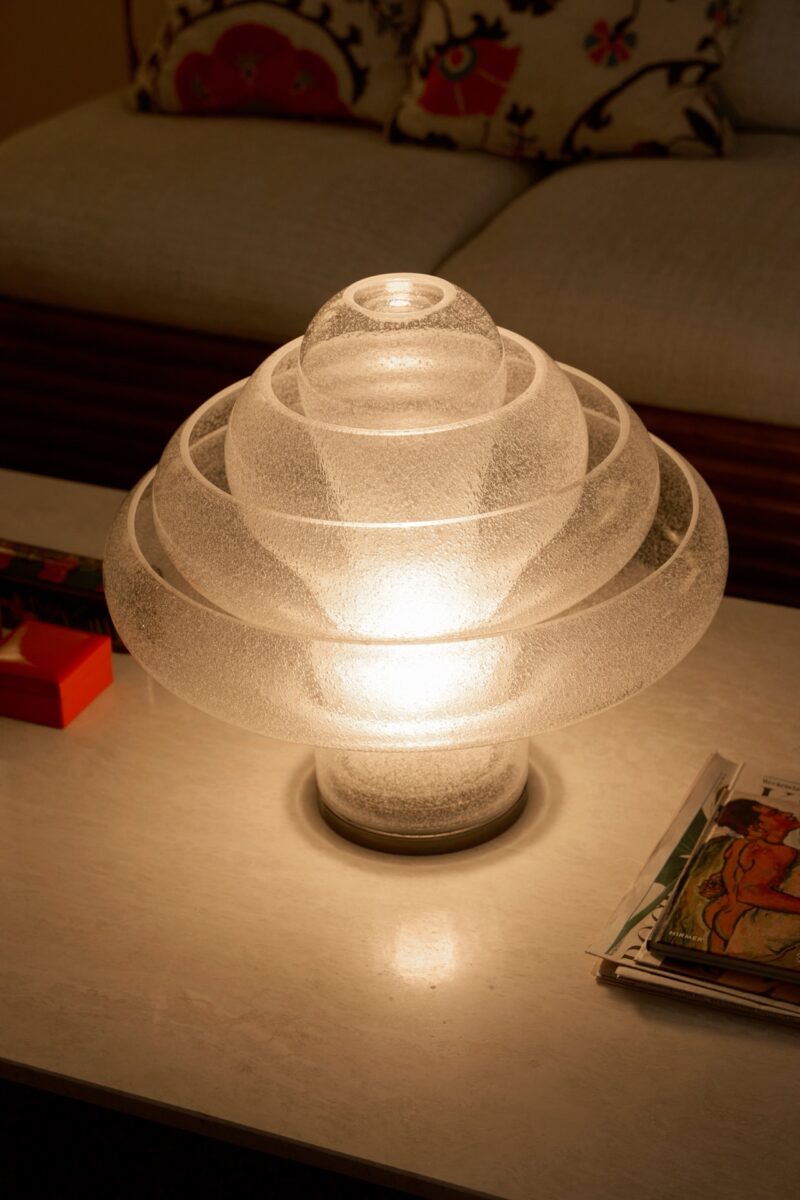
For Alberto Nason, the Gubi reissue is a moment of profound pride. "The more you observe it, the more it unfolds, layer by layer, allowing you to discover its beauty over time," he reflects. "There is a quiet magic to it: a softness, a depth, a tactile presence that makes the light feel almost like a material in itself."
Gubi’s CEO, Marie Kristine Schmidt, echoes this sentiment, framing the Lotus as a litmus test for the company’s curation process. "A design has to earn its place in the Gubi Collection," she says. "We look for pieces with a strong identity, a distinct point of view, and qualities that make them as relevant today as when they were first created. Lotus has all of those qualities."
The Implications of the Reissue
The return of the Lotus lamp is indicative of a larger trend in the high-end furniture market: the "curated return." In an age of mass-produced, disposable goods, there is an increasing hunger for objects that possess a tangible history and an artisanal pedigree. By reintroducing the Lotus, Gubi is not merely selling a lighting fixture; they are selling a connection to the 1960s, the history of Murano glass, and the mind of a designer who refused to adhere to the conventions of his time.
Market Impact
The reintroduction of this piece will likely stimulate further interest in the mid-century Italian glass movement, a segment of the design market that has seen steady growth in auctions and private sales. By making the design accessible through standard retail channels, Gubi is democratizing a piece of art history, allowing design lovers to own a functional piece of sculpture that would otherwise be sequestered in high-end antique galleries.
The Future of Design Heritage
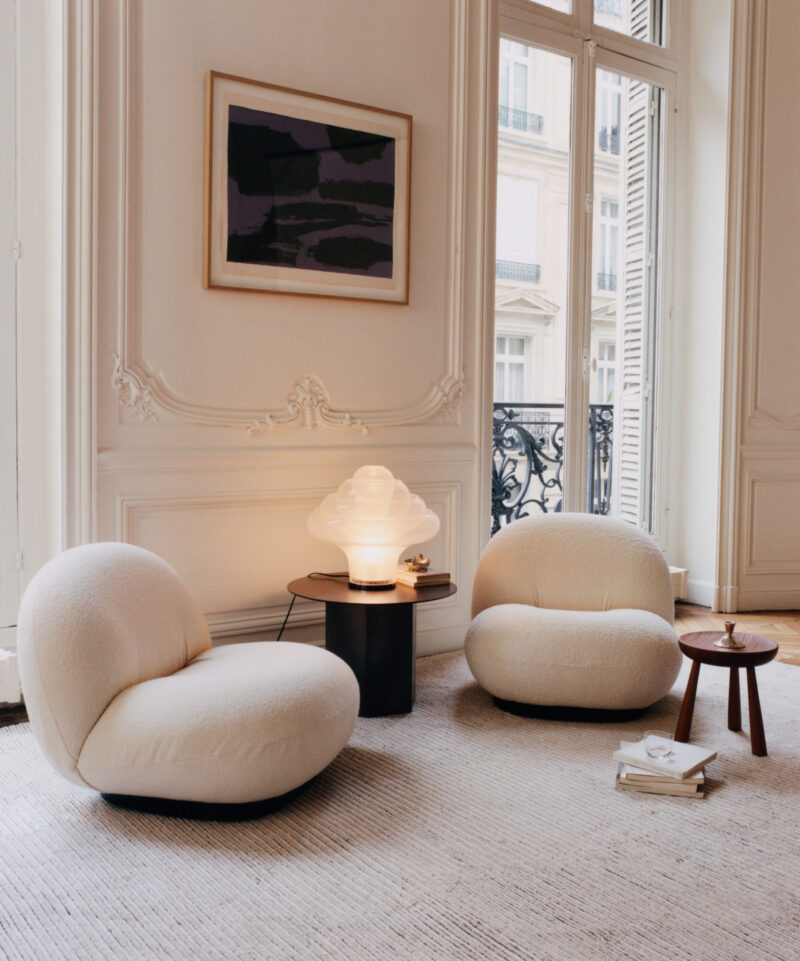
The success of this project suggests that the "archival" model of furniture production is here to stay. Brands that possess the rights to historical designs are increasingly turning to the archives to find "lost" gems that align with contemporary minimalist and organic aesthetics. The Lotus, with its soft, bubble-infused light and layered structure, fits perfectly into the modern "warm minimalism" movement that has taken hold in residential interior design.
As the Lotus returns to the market, it serves as a reminder that great design is not subject to the expiration dates of fashion. It is timeless. Much like the flower for which it is named, the Lotus lamp has managed to survive the passage of time, waiting for the right moment to bloom once more. For those who appreciate the intersection of heritage, technical mastery, and quiet, ambient beauty, the Lotus is no longer a legend of the past—it is an essential element of the present.