A New Era for Twin Peaks: How Franchisee Leadership and Culinary Innovation are Fueling a Brand Renaissance

For the 115-unit sports bar powerhouse Twin Peaks, 2024 has been a year of profound structural transformation. Following a high-profile bankruptcy proceeding alongside FAT Brands, the chain has emerged under new ownership, steered by a $359.5 million credit bid from its lenders. However, rather than signaling a period of contraction or uncertainty, the transition has acted as a catalyst for a strategic pivot toward aggressive expansion, menu modernization, and a return to the brand’s operational roots.
As the dust settles, the leadership team—now operating under the guidance of Summit Acquisitions, a group comprised primarily of veteran franchisee leadership—is doubling down on what they identify as the chain’s core competitive advantage: an intimate, practitioner-led approach to hospitality.
The Chronology of Change: From Bankruptcy to Empowerment
The path to the current ownership structure was complex, but for those in the boardroom, the transition has been surprisingly seamless. The bankruptcy process, which concluded earlier this year, saw lenders take full control of the entity. Yet, the subsequent formation of Summit Acquisitions turned what could have been a corporate disruption into a unique operational opportunity.
By placing major franchisee stakeholders at the helm of the ownership group, Twin Peaks has effectively removed the "ivory tower" dynamic that often plagues large chains. CMO Melissa Fry, who joined the company in October 2025, views this as a defining moment. Fry, whose 25-year tenure at Hooters provided her with a front-row seat to similar corporate restructurings, emphasizes that the brand’s "guest promise" has remained entirely insulated from the financial maneuvering occurring at the ownership level.
"I went through this in my past life," Fry reflects. "I learned that in a public bankruptcy, the most important thing is that the consumer doesn’t feel the turbulence. Our guest promise never changed. We continue to open lodges, invest in culinary innovation, and expand our digital capabilities."
The Franchisee Advantage: "Speaking the Same Language"
One of the most significant implications of the current ownership model is the alignment of incentives. Unlike traditional private equity ownership, which often prioritizes short-term financial engineering, the Summit Acquisitions advisory group is composed of individuals who "live, breathe, and feel" the brand every day.
This alignment has created a rare environment where franchisees are not just executing a corporate vision—they are actively co-authoring it. According to Fry, the dialogue between the executive team and the franchise advisory group is fundamentally different from the standard investor-relations dynamic.
"We’re not talking to Wall Street investors every day," Fry notes. "We’re talking to people that live it. There are so many powerful ideas that come out of working with this advisory group, precisely because they are so invested in the brand’s success at the ground level."
This synergy is already yielding results. The chain has recently signed three letters of intent for new locations and has secured area development agreements in strategic markets, including Connecticut and South Texas. Current operators, emboldened by the stability of the new ownership, are actively proposing expansion within their own territories, signaling a high level of institutional confidence.
Culinary Elevation: The Largest Menu Rollout in Six Years
While the brand’s identity is anchored in the "29-degree beer" and the immersive, multi-screen sports experience, leadership recognizes that long-term loyalty is won in the kitchen. To that end, the company is preparing for its most significant menu evolution in nearly six years.
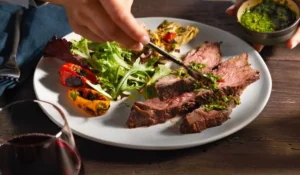
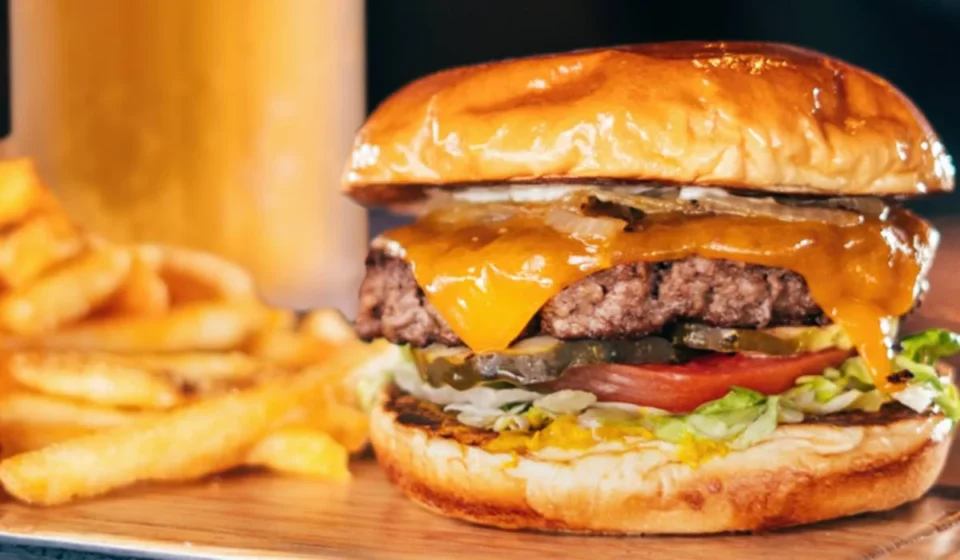
Under the guidance of concept chef Christian Stewart, the brand is moving aggressively to dispel the "sports bar" stereotype of basic fries and sliders. The upcoming menu, which will feature a wide array of "knife and fork" entrees, shareables, and culinary innovations, aims to cement Twin Peaks’ position as a leader in "elevated polished casual dining."
The recent introduction of items like the Turkey Cheddar Melt, Sweet Heat Shrimp Tacos, and Twice-Baked Potatoes served as a successful pilot for this new culinary direction. The next phase will expand into lunch-specific offerings and a broader range of beverage options, including a robust selection of zero-proof cocktails.
"There’s a misconception that it’s just a sports bar," says Fry. "When people come in and experience the quality of our food, the ‘wow factor’ makes me smile. We aren’t just selling a game; we are selling a dining experience that stands on its own."
The "Atmosphere" Competitive Advantage
In an era where streaming technology allows consumers to watch any game, on any device, anywhere in the world, the value proposition of a physical sports bar has been forced to evolve. Fry admits that the way sports are consumed has changed, but she maintains that the fundamental human desire for "shared experience" remains constant.
"You can stream games anywhere, but you can’t stream atmosphere," she argues. "You can’t stream the camaraderie of being surrounded by other fans during a massive UFC fight or a World Cup match. Our job is to create shared experiences that simply can’t be replicated at home."
To stay ahead of the curve, Twin Peaks is embracing a "phygital" strategy—investing in technology that caters to the modern sports fan who might be tracking fantasy stats on a phone while watching the big screen. By staying ahead of streaming trends and ensuring that the physical environment is technologically superior to a living room, the brand aims to make itself the default destination for high-stakes sports viewership.
Data-Driven Personalization and the Value Proposition
The marketing strategy for Twin Peaks is shifting toward precision rather than broad-reach volume. By leveraging the "Friends at the Peaks" loyalty platform, the company is harvesting data to move toward hyper-personalized engagement. The objective is not merely to bring guests through the door, but to recognize their individual preferences, celebrate their milestones, and reward their frequency.
This data-driven approach is also being used to frame the brand’s value proposition in a challenging economic climate. Fry argues that "value" is often misunderstood as "cheapness."
"Value comes from receiving an experience that exceeds what you paid for," she says. "If you have a phenomenal experience from start to finish, you don’t look at the bill and think about the cost; you think about the value. That is what we are striving for every day."
Looking Ahead: The Future of the "Lodge"
As Twin Peaks moves into its next chapter, the stability of the current leadership is a cornerstone of the strategy. With president and COO Roger Gondek, CPO Lexi Burns, and CFO Scott Gray remaining in their roles, the company is benefiting from deep institutional knowledge. There are no staffing reductions on the horizon; instead, the focus is on growth and the "blue sky potential" of the brand.
The ownership transition is viewed by internal stakeholders not as a conclusion, but as an unlocking. By shedding the baggage of its previous corporate structure and embracing a franchisee-led model, Twin Peaks is positioning itself to be more agile, more responsive, and more competitive.
For Fry, the ultimate goal is to shift the consumer perception of Twin Peaks from a "place to catch a game" to a "leader in elevated sports dining."
"I truly believe that the greatest chapters are still ahead of us," Fry concludes. "If we look back a few years from now and see that this transition was the moment the brand became fully realized, we will have succeeded. We’re just getting started."
As the industry watches, the "lodge" concept is betting that a blend of operator-led leadership and a premium dining experience will be the winning ticket to capturing the modern, sports-obsessed consumer. With a massive menu rollout on the horizon and expansion plans accelerating, the brand appears to be successfully navigating the turbulent waters of its recent past to reach a much more stable and promising future.