The Architecture of Community: How Urby is Redefining the American Urban Living Experience

For the modern professional, the dream of living in a major U.S. metropolitan hub—New York, Miami, or Denver—has increasingly collided with the harsh reality of the housing market. As rental costs in prime urban centers continue to outpace salary growth, the dream of a "decently sized apartment" is often replaced by the compromise of cramped, sterile living. Enter Urby, a residential development company founded in 2010 by industry veteran David Barry, which is fundamentally flipping the script on the urban living model. By prioritizing human-centric design, communal connectivity, and site-specific cultural integration, Urby is carving out a new category of living that favors social cohesion over traditional, isolated square footage.
The Genesis of a New Urban Paradigm
The story of Urby begins with a fundamental critique of the American apartment market. According to David Barry, the current state of multi-family housing in the United States has become "especially transitory and sterile." Developers have historically prioritized maximum unit count at the expense of communal infrastructure, resulting in buildings that function as mere boxes for sleeping rather than homes for living.
Launched over a decade ago, Urby sought to change this narrative by focusing on secondary and tertiary markets located within a reasonable commute of major urban cores. By leveraging transit-oriented development, the brand offers residents access to city centers without the exorbitant price tags of downtown luxury high-rises. The core philosophy is simple yet radical: decrease the size of the individual apartment, and reinvest that value into expansive, thoughtfully designed communal spaces.
Chronology of Collaboration: The Concrete Amsterdam Partnership
Central to the Urby aesthetic and functional ethos is the Dutch architecture and design firm Concrete Amsterdam. Their involvement has been instrumental since the brand’s inception, marking a 15-year collaboration that has evolved through rigorous trial and error.
- 2010: David Barry establishes the Urby concept, emphasizing the "human experience" and the facilitation of social interaction.
- 2012–2018: The brand begins to scale, with successful implementations in Staten Island, Jersey City, and Washington, D.C. Each location is designed not as a "hermetically sealed enclave," but as a porous community that engages with its surrounding neighborhood.
- 2024–2025: The development of the Fishtown Urby project in Philadelphia showcases the pinnacle of the firm’s "smart layout" evolution. By this stage, the design process for units had been perfected through factory beta-testing, ensuring that every studio to three-bedroom residence meets the precise functional needs of Millennial and Gen-Z renters.
- Present Day: The partnership continues to refine the balance between shifting societal trends—such as the rise of remote work and integrated fitness culture—and the fundamental need for domestic privacy.
Supporting Data: Engineering the Modern Home
The success of the Urby model lies in its data-driven approach to interior architecture. Recognizing that younger demographics prioritize flexibility, Concrete Amsterdam developed layouts that maximize every square foot.
The Anatomy of the Unit
In the Philadelphia Fishtown location, the design strategy reflects a deep understanding of the "roommate economy." Bedrooms are strategically separated to ensure acoustic and visual privacy, while kitchens, though galley-style to conserve space, are equipped with top-tier, full-sized appliances. This is not "micro-living" in the traditional sense; it is optimized, efficient living.
Communal Integration
The "third space" is where Urby truly differentiates itself. Data from the company’s portfolio suggests that residents value the ability to move seamlessly between work and play. Consequently, the Fishtown site features:
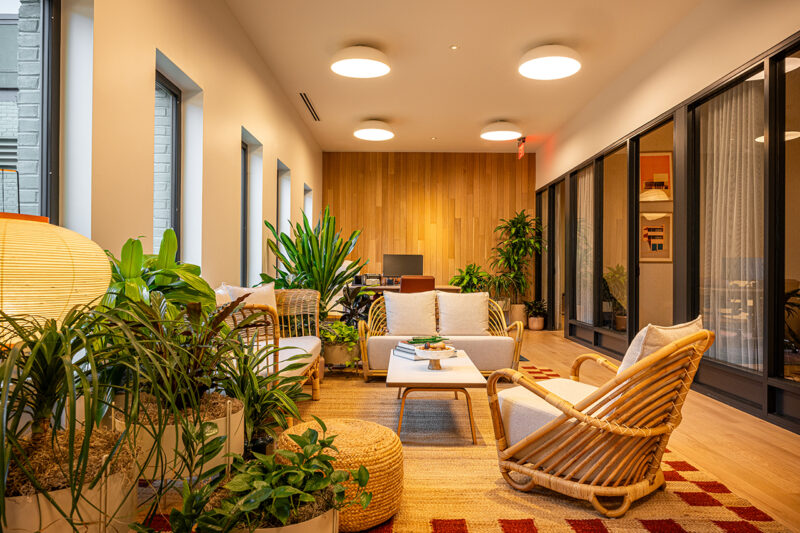
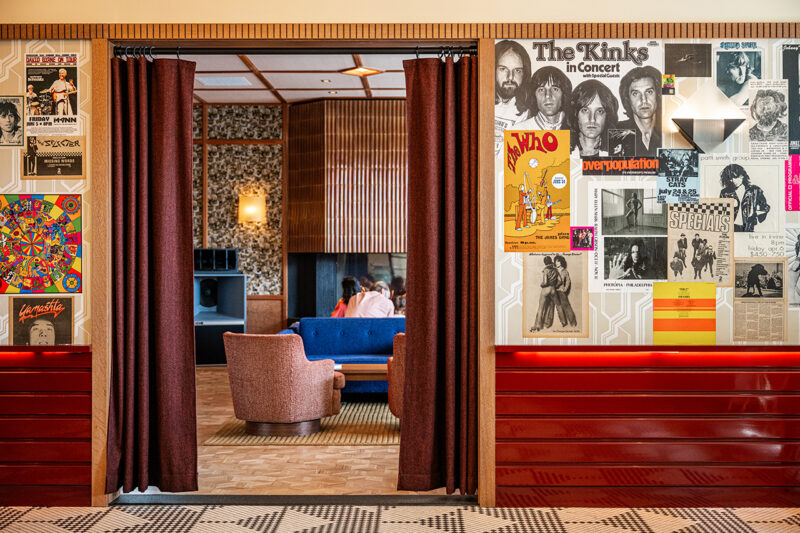
- The Work-From-Home Lounge: A multifunctional space that transitions from a quiet, soundproofed office environment during the day to a vibrant party space in the evening.
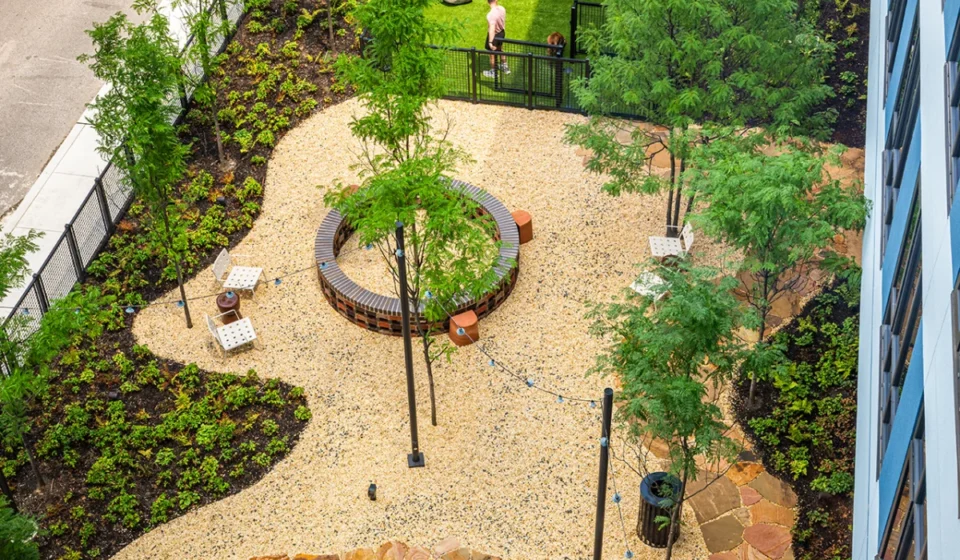
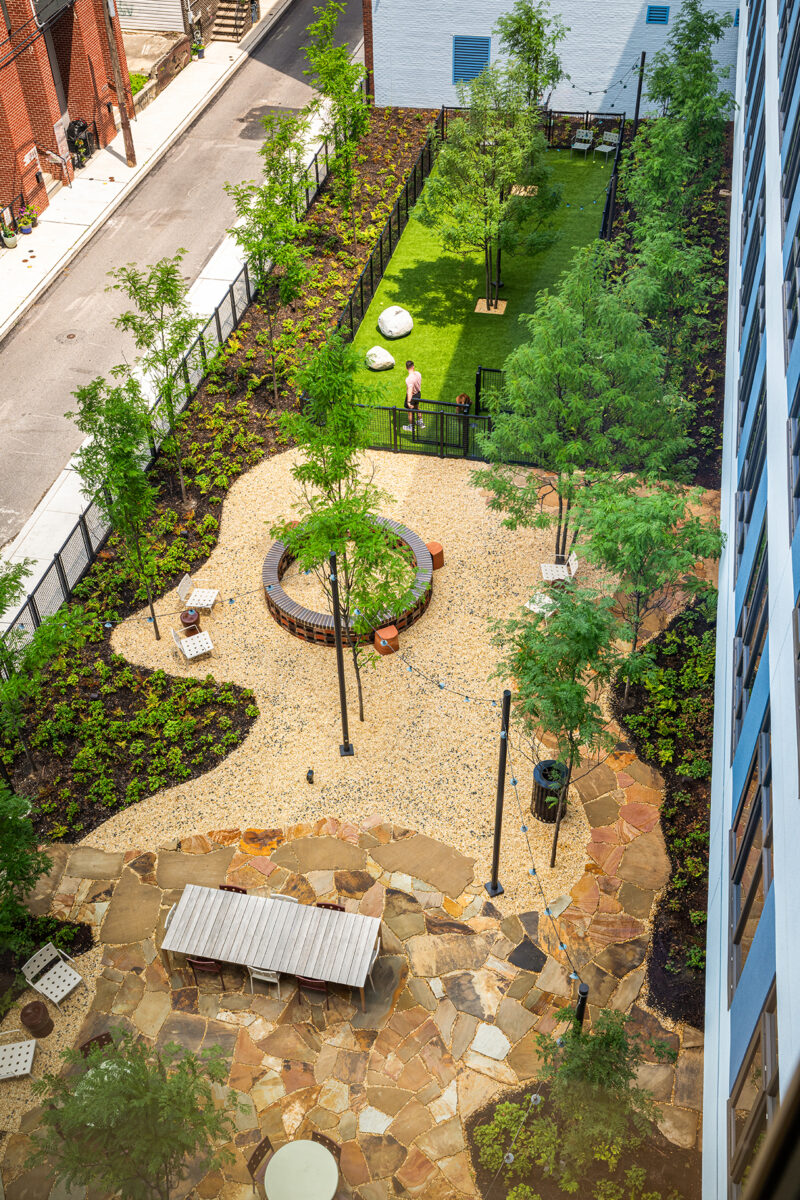
- Fitness-Social Flow: The gym is intentionally located on the ground floor, connecting directly to a backyard barbecue area and a dog park. This encourages spontaneous social interaction between residents, breaking down the barriers of the traditional apartment hallway.
Official Responses and Design Philosophy
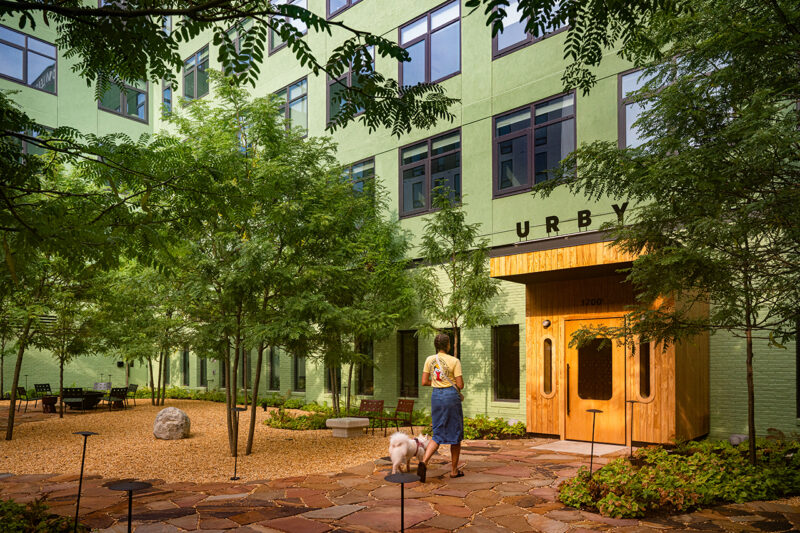
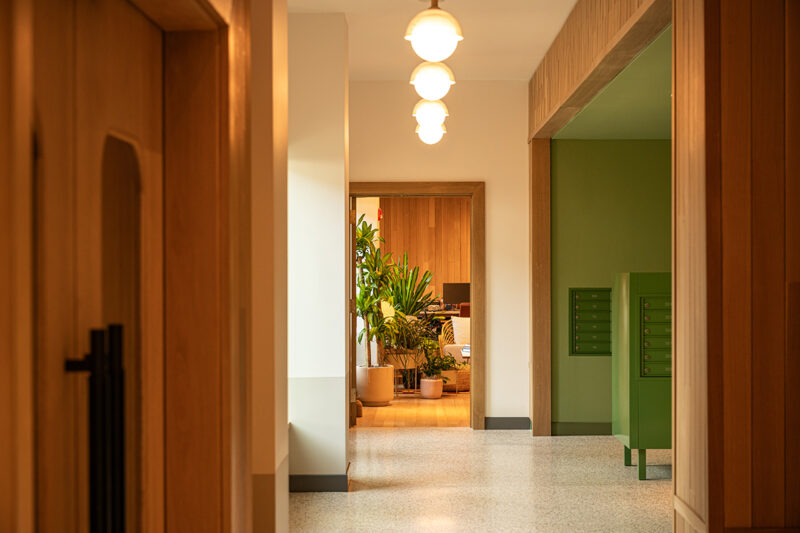
Erikjan Vermeulen, a partner at Concrete Amsterdam, describes the firm’s approach as a pursuit of "genuine functionality." He notes, "Every architectural detail here is designed to enhance daily living, from the robust brick envelope to the smartly positioned transom windows that balance privacy with daylight."
David Barry echoes this sentiment, emphasizing that the primary challenge is balancing personal experience with global shifts in how people inhabit space. "You’re always balancing your own experience with how trends are shifting," Barry explains. The result is a design language that feels both current and timeless, moving away from the cold, glass-and-steel aesthetic that has dominated urban development for the last twenty years.
The Cultural Fabric: Site-Specific Artistry
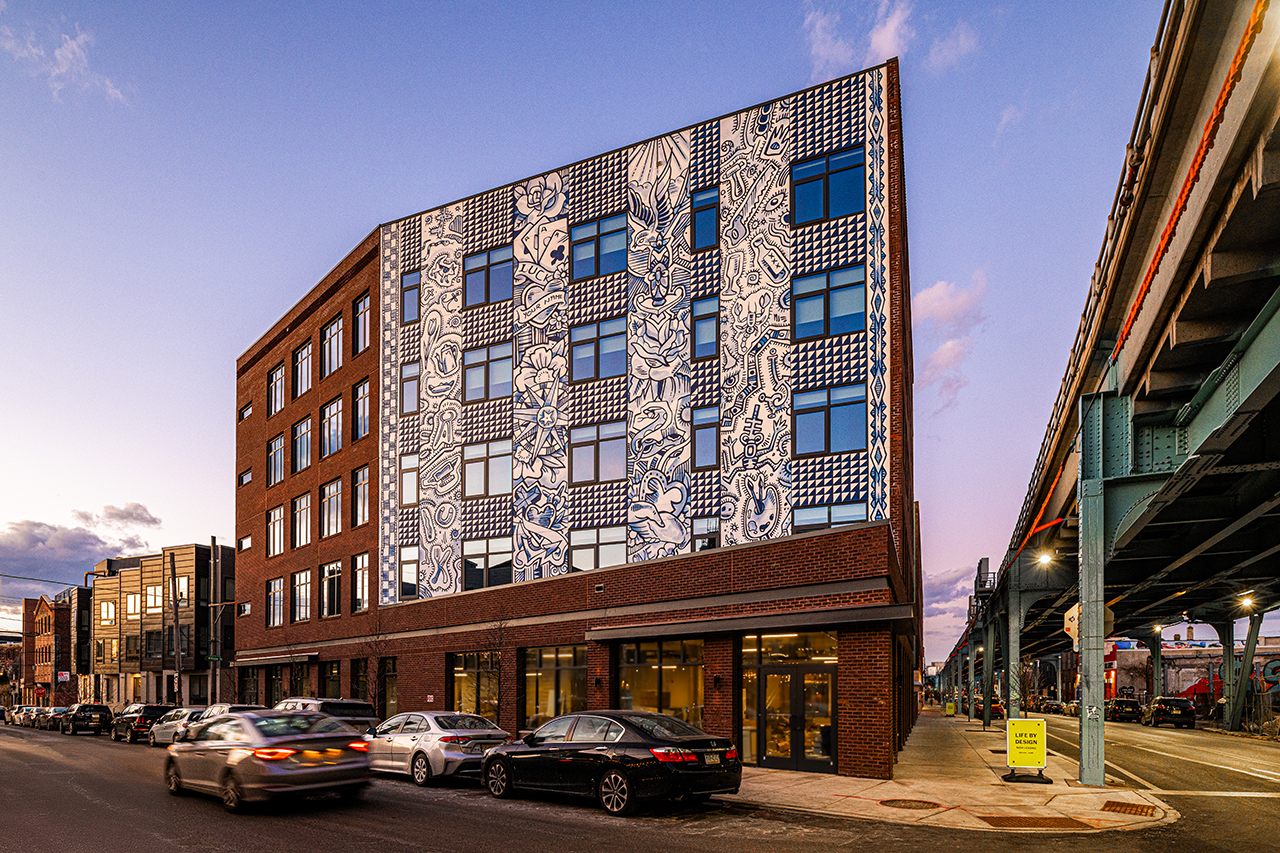
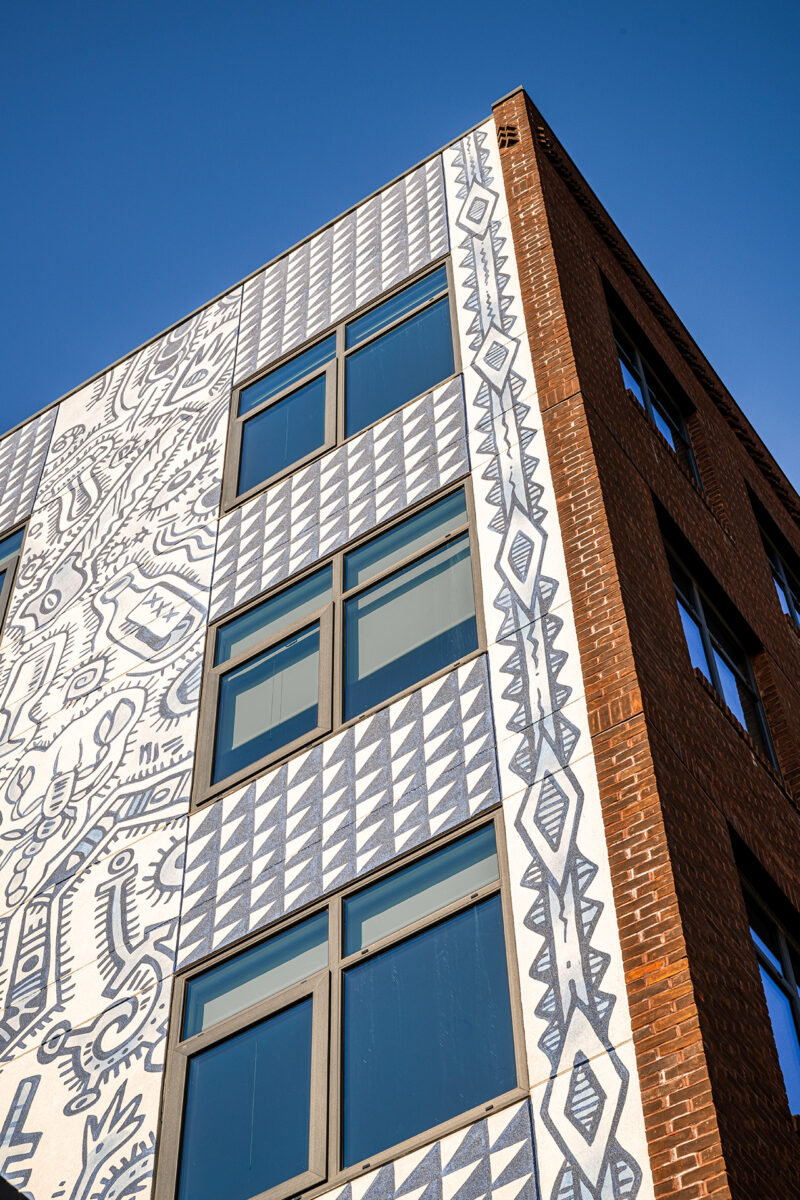
One of the most compelling aspects of the Fishtown Urby project is its commitment to public art and local heritage. Rather than installing generic decorative pieces, the project features a massive mural by world-renowned tattoo artist Henk Schiffmacher.
The mural serves as a bridge between the local Philadelphia industrial history and the Dutch heritage of the design team. Schiffmacher collaborated with the iconic Royal Delft, the historic Dutch ceramic manufacturer, to create a series of Delft Blue plates. These pieces, which feature tattoo-inspired imagery—such as sailors, crying hearts, and dragons—are integrated into the building’s visual language.
Furthermore, the design honors the local indigenous Lenape people through patterns that mirror traditional beadwork. By weaving these cultural narratives into the physical structure of the building, Urby avoids the "gentrifier" label often attached to new developments, positioning itself instead as a cultural contributor to the neighborhood.
Implications: The Future of Urban Density
The broader implication of the Urby model is a shift in how we define urban density. If we can create smaller, more affordable, and more communal spaces, we can sustain the population growth of major cities without the environmental and social costs of sprawling, isolated apartment blocks.
Sustainability and Social Equity
The Urby model suggests that sustainability is not just about LEED certifications and energy-efficient appliances; it is also about the longevity of the building’s purpose. By creating spaces that people genuinely enjoy inhabiting, the buildings become long-term assets to their communities rather than transient housing solutions. The strategic use of native plants by Belgian landscape architect Bas Smets and the thoughtful proportioning of the building to match surrounding rowhomes suggest a design philosophy that respects the scale and ecology of the existing city.
A New Standard for Developers
As other developers look to solve the crisis of urban affordability, the Urby and Concrete Amsterdam partnership provides a blueprint. The combination of:
- Industrialized Efficiency: Using factory-tested layouts to control costs.
- Architectural Humanism: Prioritizing the "third space" and social interaction.
- Cultural Sensitivity: Using art to embed the building within the local neighborhood identity.
This trifecta creates a product that is, quite simply, more desirable than its competitors. As we move further into the 21st century, the ability to build "human-first" developments will likely become the standard by which all successful urban projects are measured.
Conclusion
The Fishtown Urby project is more than just a place to live; it is a laboratory for modern social architecture. By treating the apartment complex as a village within a city, the developers have managed to create a model that serves the individual, the roommates, the remote worker, and the pet owner equally well. Through the eyes of designers like Erikjan Vermeulen and developers like David Barry, the future of the American city looks a lot like a well-designed community—compact, functional, and deeply connected to the world outside its doors.