A Symphony of Sun and Sophistication: Inside the ‘Dolce Amore’ Editorial at Le Mas d’Arvieux

If you are currently navigating the labyrinthine process of wedding planning and find yourself yearning for an aesthetic that marries the rustic, sun-drenched soul of Provence with the effortless, operatic romance of Italy, look no further. Today’s featured editorial, titled Dolce Amore, serves as a masterclass in destination wedding design, proving that timeless elegance is not merely found—it is curated.
Conceived and captured by the visionary French photography and filmmaking duo Les Bandits, this project transcends the traditional concept of a styled shoot. It is a visual manifesto of love, color, and cultural synthesis, set against the backdrop of one of the most coveted venues in the South of France: Le Mas d’Arvieux.
Main Facts: The Convergence of Two Worlds
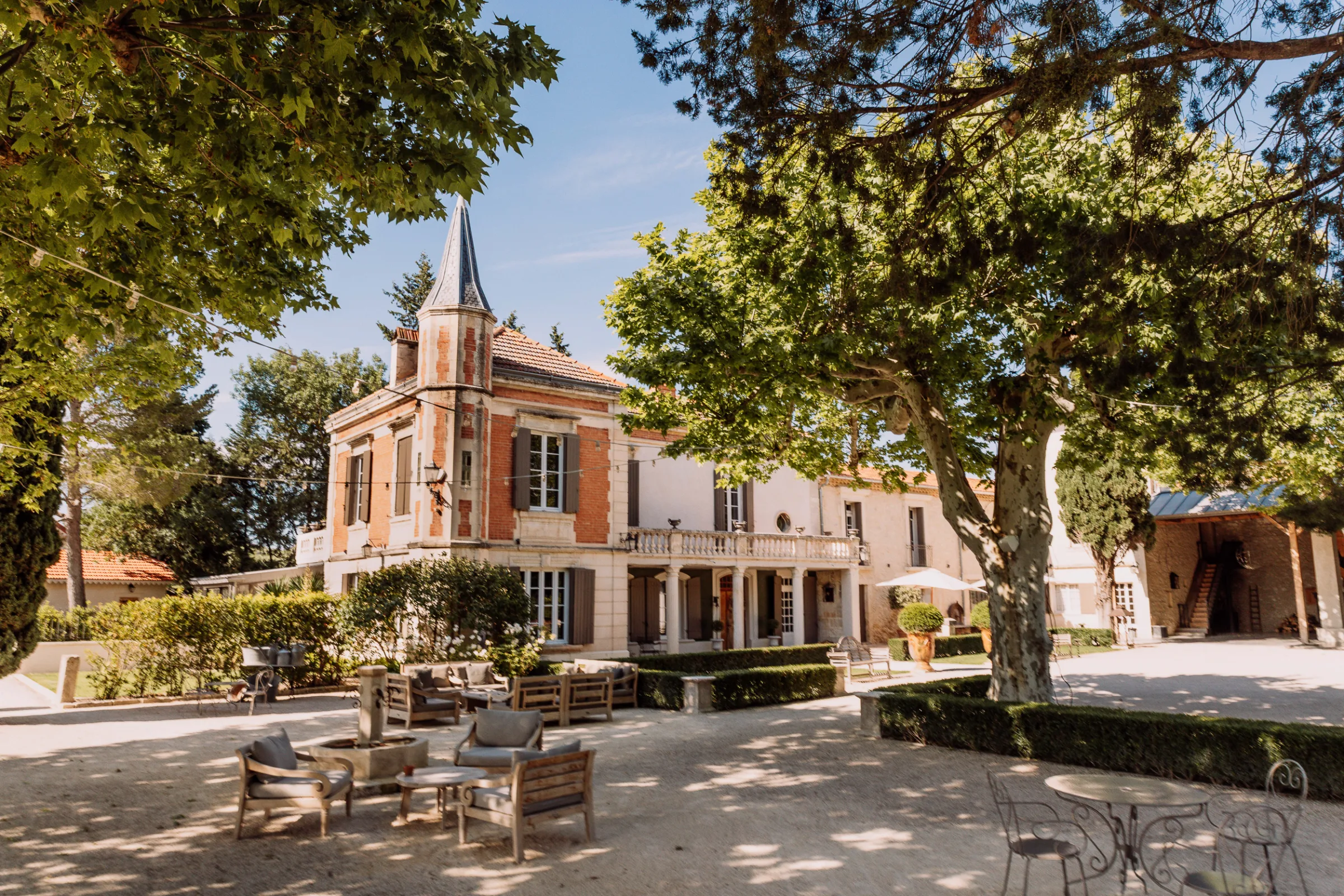
The Dolce Amore project was born from a singular, powerful premise: to bridge the gap between French sophistication and Italian dolce vita. Located near the historic city of Avignon, Le Mas d’Arvieux provided the necessary architectural gravitas for such a high-concept shoot. The venue, known for its sprawling, manicured grounds and quintessential Provençal stonework, became the "silent partner" in the collaboration.
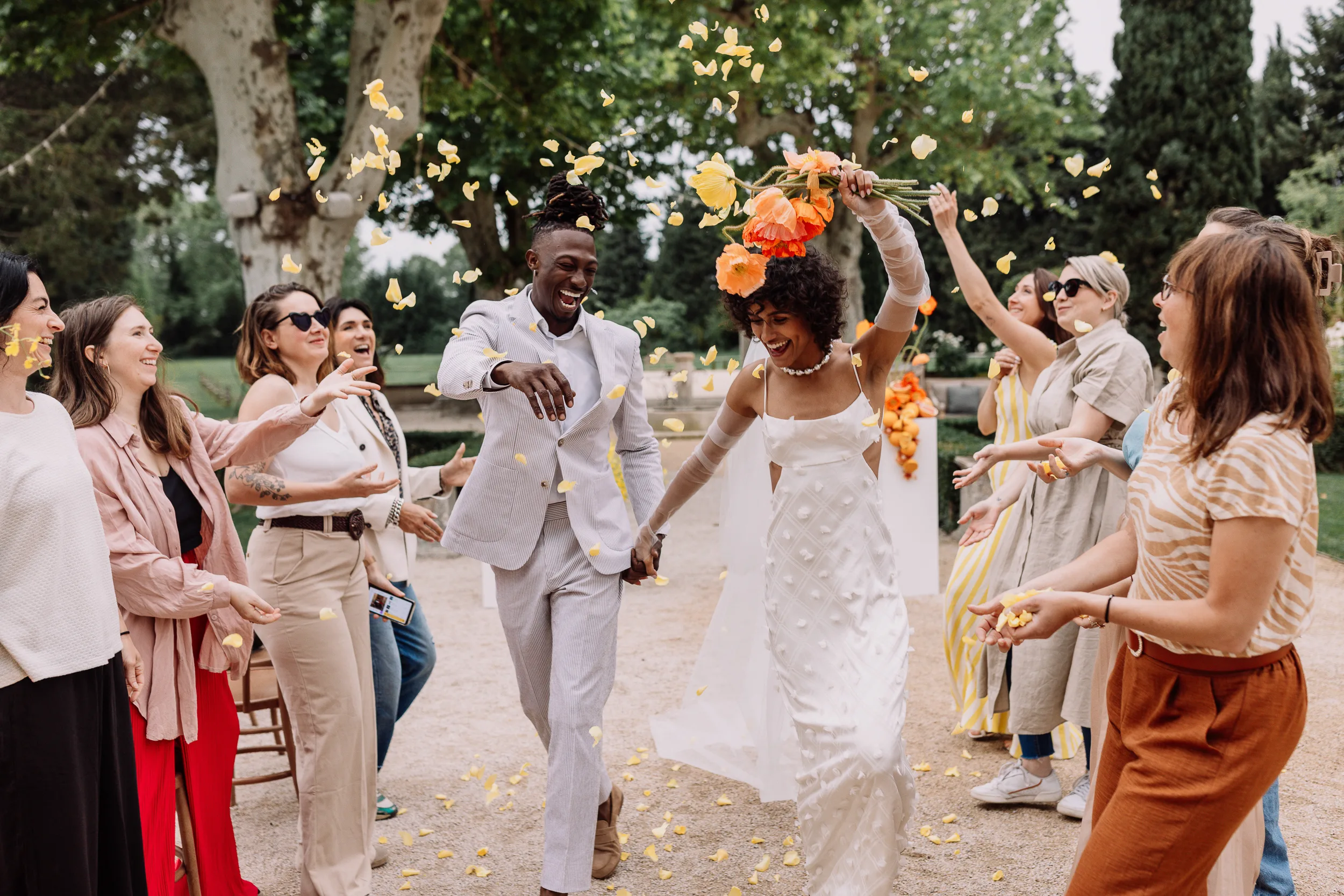
The editorial team, led by Les Bandits and supported by the logistical expertise of planner Artis Evenement, sought to introduce a vibrant, high-contrast color palette—specifically deep, honeyed yellows and visceral, burnt oranges—into a space typically associated with muted pastels. By placing these bold hues against the neutral, historic walls of the estate, the team created a visual language that felt both ancestral and avant-garde.
Chronology: The Evolution of a Vision
The journey of Dolce Amore began with a desire to explore the synergy between creative professionals. According to the team at Les Bandits, the timeline for such an ambitious editorial followed a rigorous creative path:
- Conceptualization (The Inspiration Phase): The initial spark occurred upon visiting Le Mas d’Arvieux. The photographers were struck by how the venue’s architecture mirrored the light-filled landscapes of Northern Italy. This realization shifted the shoot’s trajectory from a standard "French countryside" theme to a cross-cultural exploration.
- The Collaborative Assembly: The planners at Artis Evenement were brought on board to bridge the gap between creative ambition and physical logistics. The team sought out vendors whose portfolios emphasized texture, movement, and a "painterly" approach to wedding design.
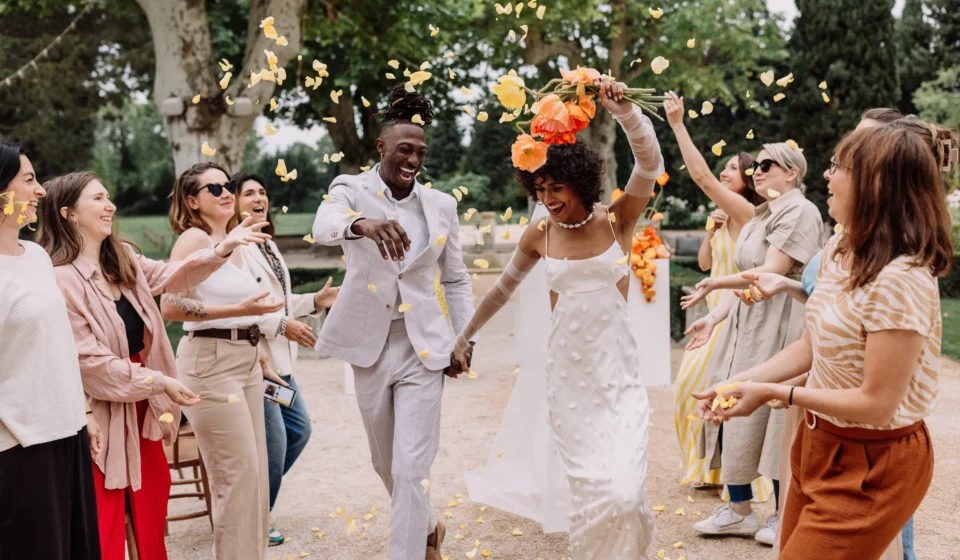
- Production and Styling: On the day of the shoot, the focus shifted to the interplay of light and shadow. The styling team utilized white plinths to display vibrant Icelandic poppies and fresh citrus, creating a museum-like quality to the floral and fruit arrangements.
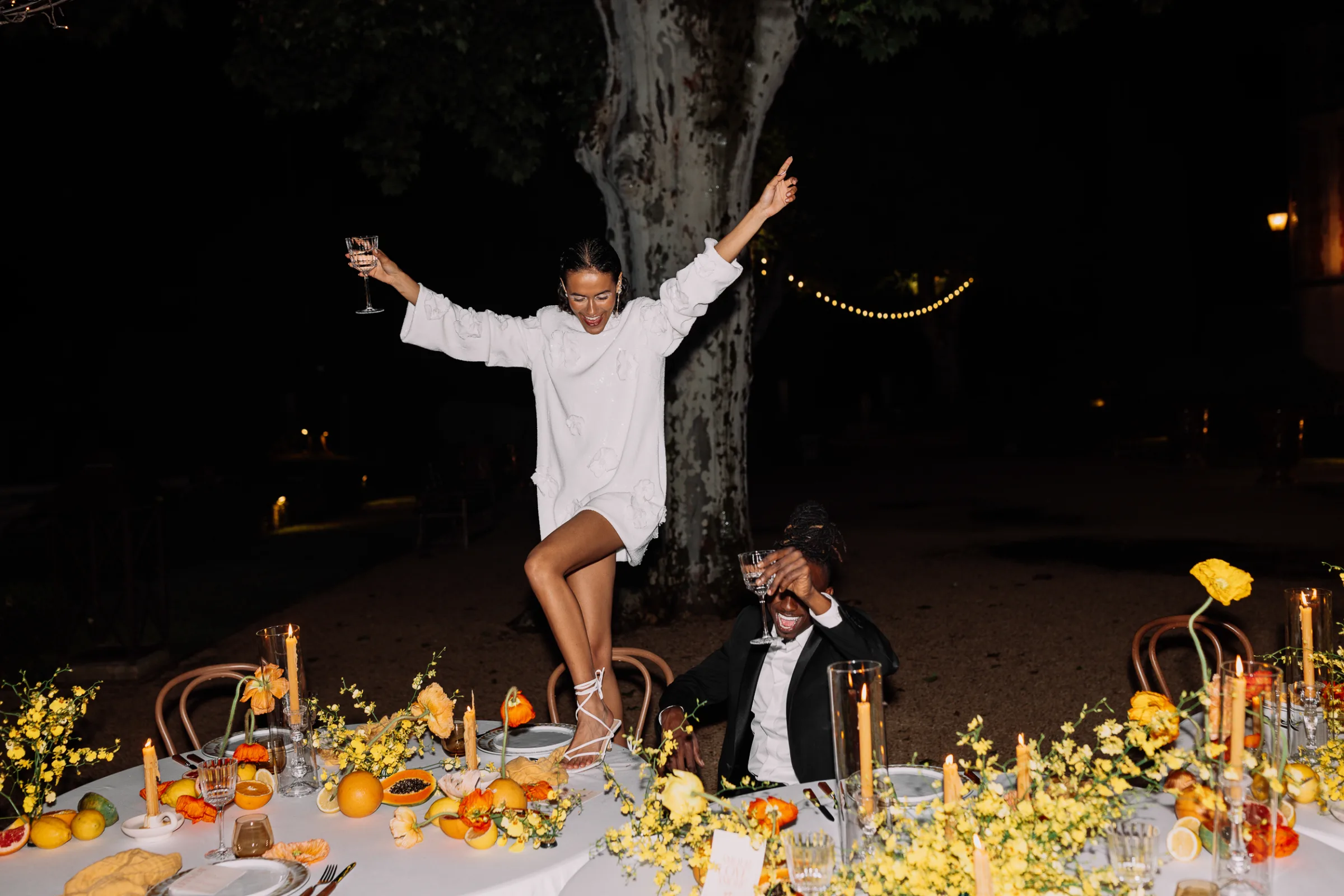
- The Narrative Arc: Unlike a standard editorial, the team directed the models to tell a story of a chance meeting—a narrative of two people "vibrating to the same notes." This resulted in candid, high-energy imagery, including the now-signature shot of the bride dancing on a reception table, signaling a departure from static, posed wedding photography.
Supporting Data and Creative Elements
The success of the Dolce Amore editorial lies in its meticulous attention to detail. In the world of high-end wedding planning, "cohesion" is often the greatest challenge. To achieve this, the team relied on several core design pillars:
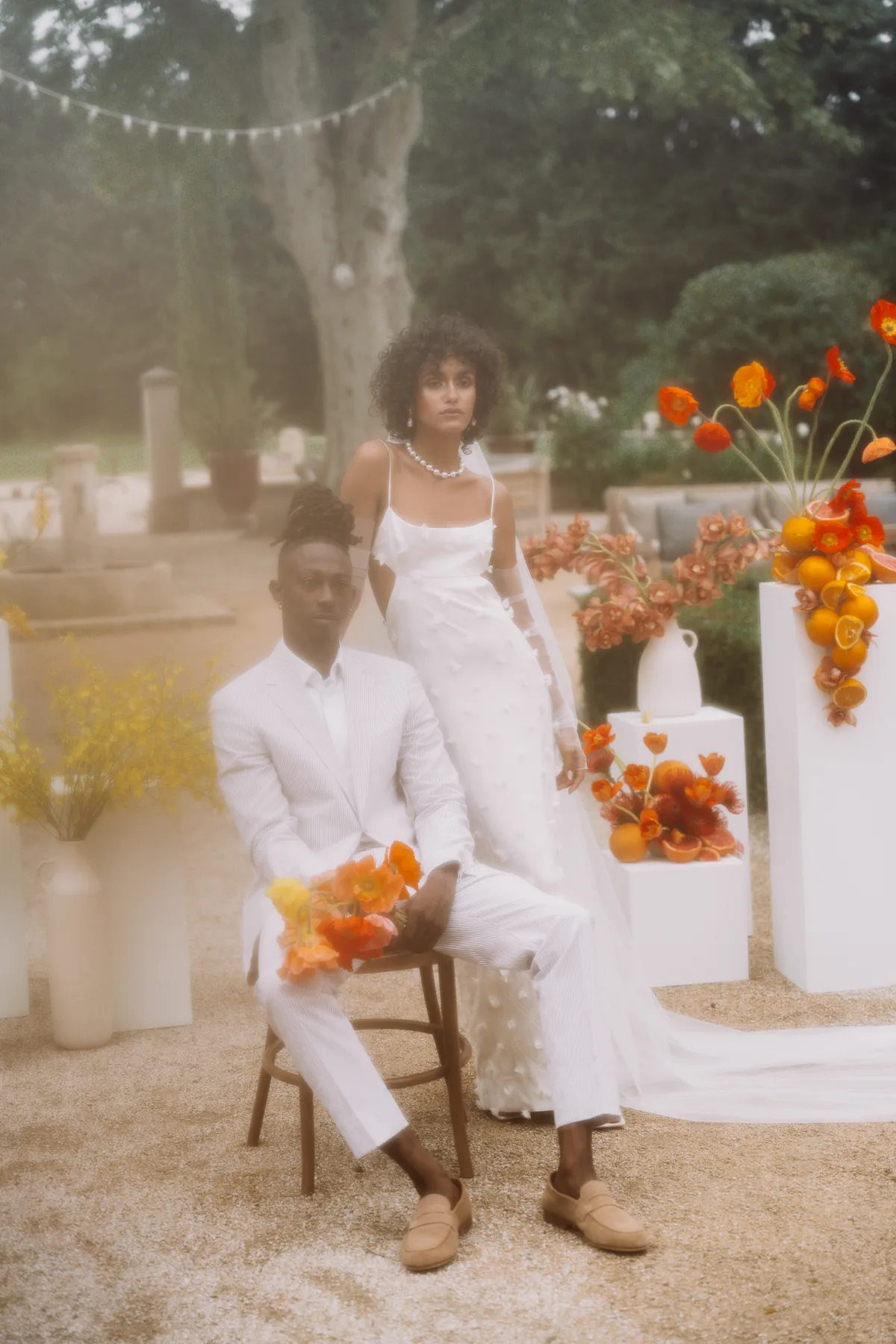
- Color Theory as Storytelling: By utilizing a palette of burnt orange and deep yellow, the stylists tapped into the psychological warmth of summer. These colors served as a bridge between the French location and the Italian thematic influence.
- Architectural Contrast: The use of white plinths throughout the grounds allowed the vibrant botanical displays to "pop" without overwhelming the historical architecture of the venue.
- The "Motion" Factor: The photography utilizes a mixture of stillness and kinetic energy. From the groom spraying champagne to the bride’s dynamic movement, the editorial prioritizes "the feeling" of the moment over the rigid perfection of traditional portraiture.
Official Responses: Insights from Les Bandits
In a statement regarding the philosophy behind the project, Les Bandits offered a glimpse into the motivations of the creative team:
"We, Les Bandits, are the photographers who envisioned and brought this inspirational shoot to life. Our primary source of inspiration was the stunning and luxurious wedding venue, Le Mas d’Arvieux. Set near Avignon in the South of France, this glorious venue combines the beauty of Provence with timeless French elegance and a subtle hint of Italy, providing the perfect backdrop for the vision we wanted to create."
The duo emphasized that the shoot was fundamentally about community. "The purpose of this shoot was to bring together a team of talented vendors whom we deeply admire," they noted. "Collaborating with creative souls whose worlds blend seamlessly with ours is something we hold dear—it always brings a certain magic to our editorial projects."
For the team, the shoot was an escape from the mundane. They described it as a "perfect marriage of simplicity and elegance," aimed at providing a roadmap for couples who want their wedding to feel like an immersive experience rather than a series of events.
Implications for the Wedding Industry
The Dolce Amore editorial is more than just a collection of beautiful images; it acts as a bellwether for current trends in the international wedding market. Several key implications can be drawn from the success of this project:
1. The Rise of "Multi-Cultural" Aesthetics
Couples are increasingly moving away from strictly traditional weddings in favor of themes that blend cultural inspirations. The success of this shoot suggests that "French-Italian hybrid" themes—which prioritize the laid-back luxury of the Mediterranean alongside French formality—will continue to gain traction in the coming years.
2. The Shift Toward "Candid Luxury"
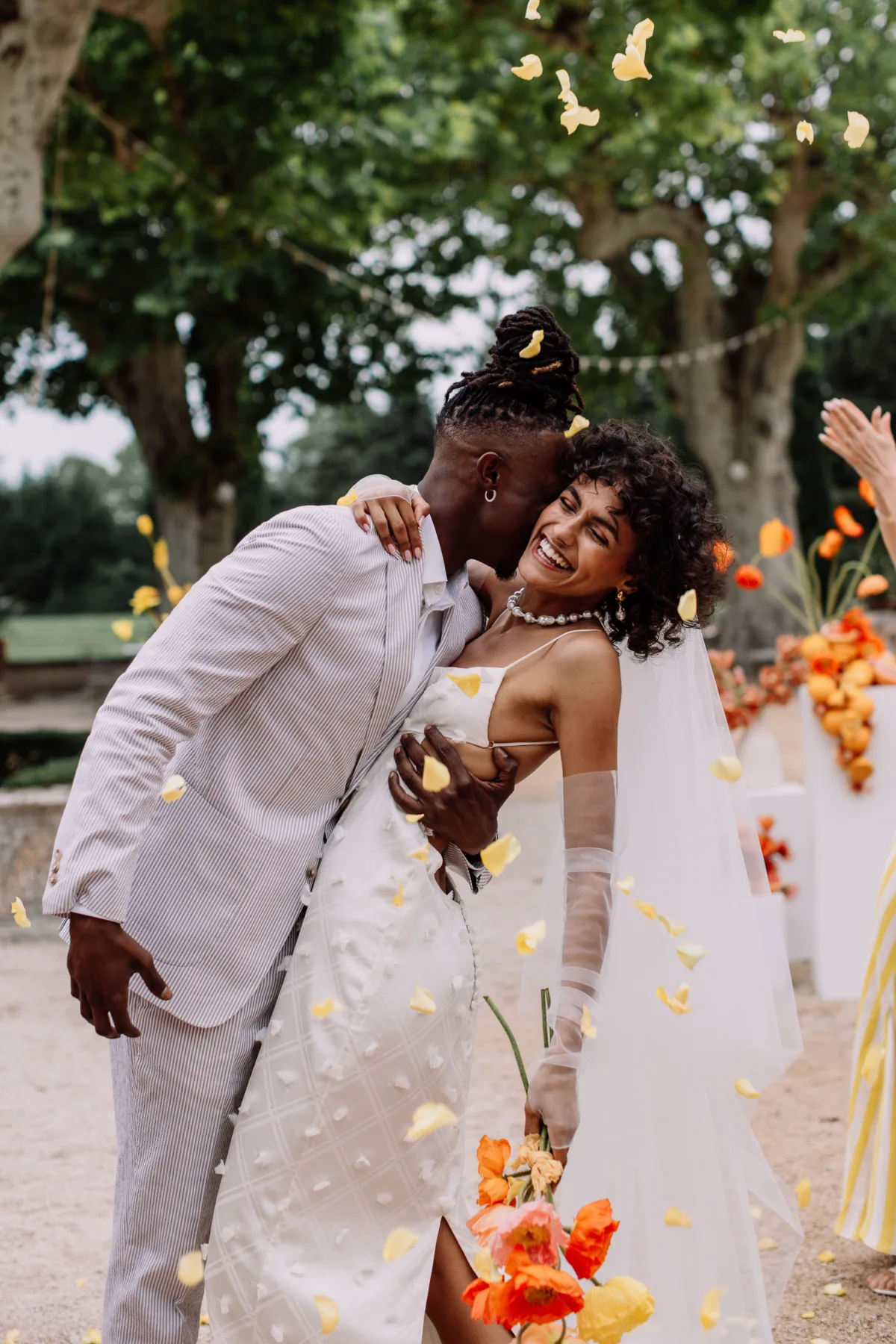
The photography style demonstrated here, which favors movement and joy over rigid posing, is becoming the gold standard. Couples are looking for imagery that feels "lived in." The inclusion of champagne-spraying, dancing on tables, and genuine, unscripted smiles indicates a shift toward authentic, high-energy celebrations.
3. The Power of Collaborative Curation
The partnership between Les Bandits and Artis Evenement highlights a growing trend in the industry: the "Super-Team" approach. Instead of a single planner making every decision, high-end weddings are increasingly the result of a collective of creative leads, each contributing their specialized expertise to a cohesive vision. This collaborative model not only produces better visual results but also creates a more resilient support system for the couple.
4. Venue as Narrative
Perhaps the most significant takeaway is the importance of the venue choice in the storytelling process. By choosing a venue that naturally possessed the "subtle touch of Italy," the team didn’t have to work against the environment; they worked with it. For future couples, the implication is clear: select a venue that already speaks the language of your desired wedding aesthetic, and the rest of the design will fall into place with significantly more ease.
Conclusion: A Blueprint for the Future
Dolce Amore is a testament to the fact that when passion, geography, and professional synergy collide, the result is nothing short of transcendent. It serves as a reminder to couples that their wedding day is a blank canvas upon which they can write any story they choose—whether that be a quiet, candlelit affair or a vibrant, sun-drenched celebration of life.
As you look toward your own planning process, take inspiration from the boldness of this editorial. Don’t be afraid to pull from different cultural inspirations, to introduce unexpected colors into traditional settings, and, most importantly, to prioritize the joy and spontaneity that make a wedding a truly unforgettable event.
The Dolce Amore shoot has set a high bar for the season, proving that with the right team and a clear, evocative vision, a wedding can be much more than a ceremony—it can be a work of art.