
Beyond Optics: Light Lens Lab Sets Its Sights on Building an Analog Ecosystem

In an industry often defined by the rapid turnover of digital sensor technology, Light Lens Lab (LLL) has carved out a unique niche by looking backward to move forward. Renowned for its meticulous recreations of legendary glass—lenses that were once considered the holy grails of photography—the company is now pivoting toward an even more ambitious horizon. The optics manufacturer has officially confirmed that it has entered the early stages of developing an all-new analog film camera, a move that signals its intent to transition from a boutique lens maker to a comprehensive provider of the analog experience.
This revelation, shared via a cryptic yet evocative social media teaser, marks the latest chapter in a broader strategy that has seen Light Lens Lab venture into the highly complex world of chemical photography. By combining its expertise in optical engineering with a bold push into film manufacturing, the company is effectively building an end-to-end analog ecosystem for the modern film enthusiast.
The Genesis of an Ambitious Vision: Main Facts
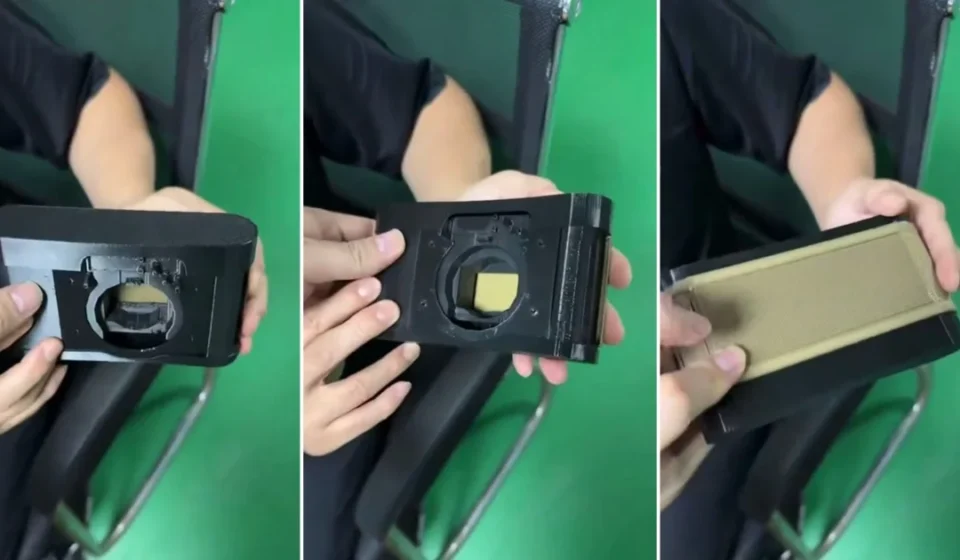
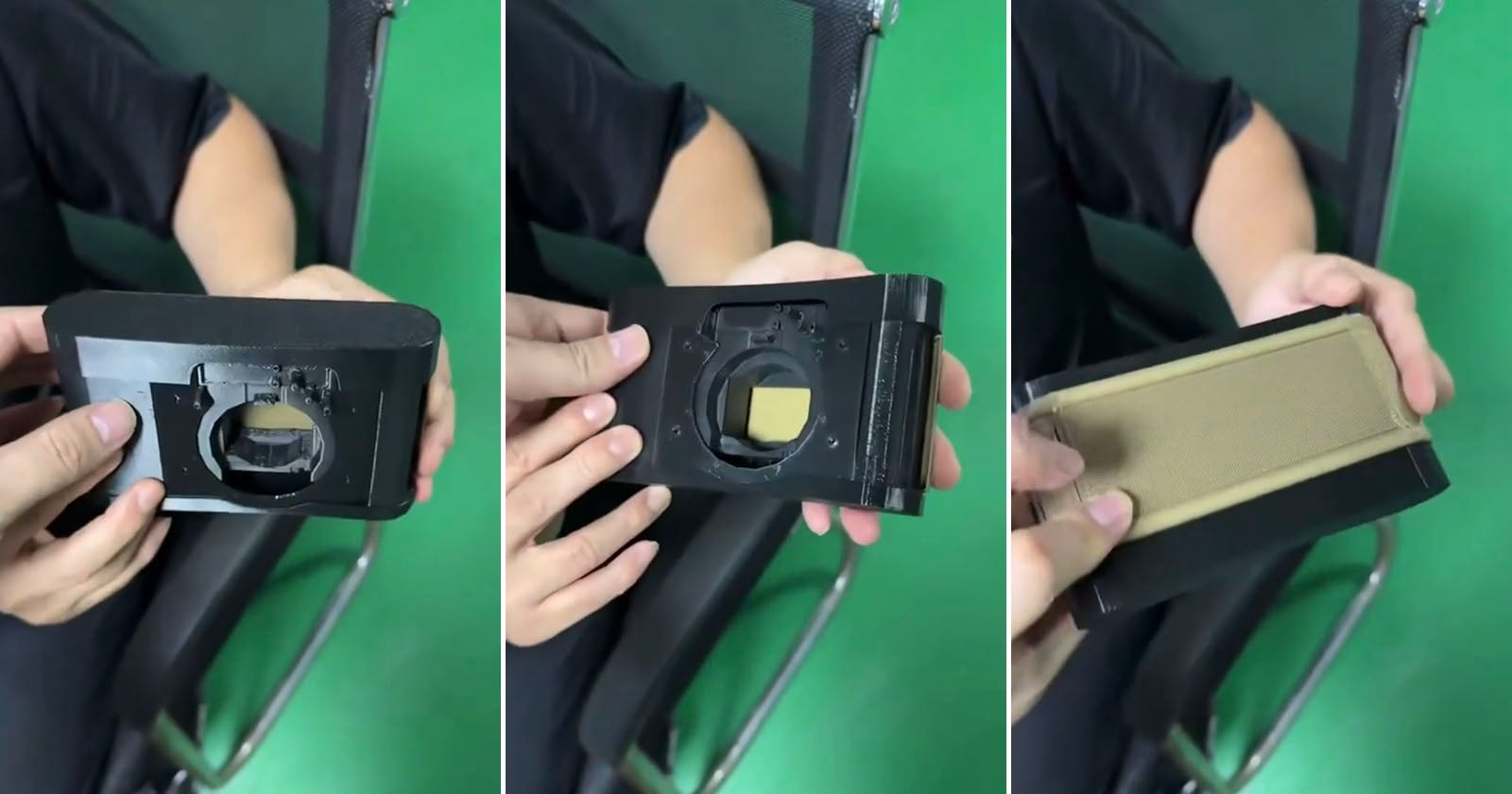
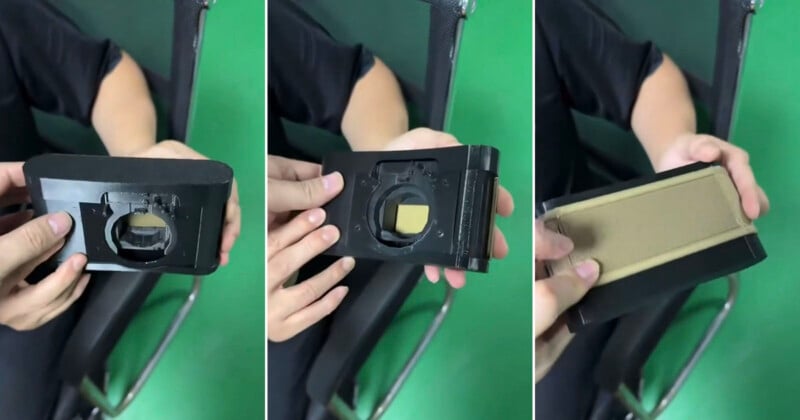
The announcement, while sparse on technical specifications, is monumental for the analog community. Light Lens Lab has confirmed it is currently prototyping a camera body that, in its current 3D-printed form, bears a striking resemblance to the classic rangefinders that defined the mid-20th century.
However, the company is quick to temper expectations. In a statement provided to PetaPixel, the manufacturer emphasized that the project is in "extremely early development." There is no formal launch window for the next few years, with the company targeting a release window between 2027 and 2030.
What makes this project distinct from the myriad of "reboot" projects in the film industry is the company’s insistence on innovation. Unlike projects that seek only to replicate the past, Light Lens Lab claims its forthcoming camera will incorporate "new, patent-pending technologies." These features are expected to bridge the gap between vintage tactile experience and modern functional reliability, potentially including automated features that could streamline the shooting process without sacrificing the manual charm that defines film photography.
A Timeline of Ambition: Chronology of Growth
To understand why a lens manufacturer would attempt to build a camera, one must look at the company’s strategic trajectory over the past few years. Light Lens Lab did not start as a camera manufacturer; it began by solving a problem for collectors.
- 2024–2025: The Optical Foundation. Light Lens Lab built its reputation by successfully engineering "tribute" lenses, such as the 35mm f/1.4 ASPH. These lenses allowed photographers to access the optical characteristics of vintage, prohibitively expensive optics at a fraction of the cost. This proved the company could handle high-precision mechanical and optical assembly.
- 2025: The Film Pivot. Recognizing that high-quality glass is only as good as the medium it exposes, the company announced its entry into the film emulsion market. This included a ambitious project to develop new black-and-white film and, more notably, the revival of lost peel-apart film formats—a Herculean task that few in the industry would dare attempt.
- 2026: The Camera Teaser. In July 2026, the company released a series of images and video clips showing a 3D-printed camera chassis. This moved the company from being a supplier of accessories to an architect of the primary tool itself.
- 2027–2030: The Long Horizon. The current phase is one of intensive R&D. The company has signaled that it is moving away from purely "recreating legacy" models to "engineering tomorrow," suggesting that the final product will be an original design rather than a clone of a Leica or Canon rangefinder.
Supporting Data: Why an End-to-End System Matters
The analog photography market is currently experiencing a "second wave" of growth, driven by a younger generation that values the physical process of photography. However, this resurgence is hindered by a supply chain that is fundamentally fragile. Most film cameras currently in use are decades old, requiring constant maintenance and specialized parts that are no longer in production.
By creating a new camera, Light Lens Lab is addressing a critical failure point in the market: hardware longevity. When this is coupled with their investment in film stock, the company creates a closed-loop system. If a photographer uses an LLL lens on an LLL camera loaded with LLL film, they are insulated from the volatility of the second-hand market and the dwindling supplies of legacy emulsions.
Industry analysts note that this "vertical integration" strategy is rare. Most companies specialize in one tier—either the camera, the lens, or the film. By attempting all three, Light Lens Lab is positioning itself to be the "Leica of the 21st century," but with a modern, agile manufacturing ethos that favors 3D printing and modular design over the massive, rigid tooling requirements of the 1950s.
Official Responses and the Road Ahead
When reached for comment, representatives from Light Lens Lab were careful to manage expectations. "The camera is, at the moment, a rough prototype," the company stated. "We are also not related to any previous project that we worked on, like lenses, and are creating something of our own. It will have automatic features and also new patent-pending technologies."
This is a crucial distinction. By distancing their camera project from their previous lens work, the company is effectively telling the market that they are not just "making a copy" of an existing design. The mention of "automatic features" is particularly intriguing. In the world of rangefinders, automation is a point of contention—purists often prefer fully mechanical operation, while the modern market demands a degree of ease-of-use to justify the cost of film. If LLL can implement features like an integrated light meter with modern, accurate aperture-priority exposure, it could significantly lower the barrier to entry for new film photographers.
The company’s decision to keep their patent-pending technologies under wraps is standard practice, but it suggests they have developed a solution to a common analog problem—perhaps related to the film transport mechanism, the shutter timing, or even a proprietary way to integrate electronic metadata into a purely analog workflow.
Implications: Changing the Landscape of Analog Photography
The ripple effects of a successful Light Lens Lab camera launch would be significant.
- Standardization: A new camera provides a reliable "standard" for the market. If LLL can produce a body that is as reliable as a modern digital mirrorless camera but retains the soul of a rangefinder, it could lead to a broader standardization of M-mount accessories.
- Technological Innovation: The mention of "new technologies" suggests that the company is looking at 21st-century manufacturing techniques. Using 3D-printed prototyping allows for rapid iteration, meaning the final version of the camera could be more ergonomic and better suited for the modern hand than the cameras of the 1960s.
- Market Confidence: For the wider industry, this sends a signal that film is not just a passing fad. It is an investment-grade sector. When a company as passionate as Light Lens Lab commits years of R&D and capital into an analog camera, it encourages other manufacturers to invest in film production, processing chemistry, and scanning hardware.
The "Recreating Legacy, Engineering Tomorrow" Philosophy
The company’s mantra serves as the ultimate summary of their current direction. They are clearly leveraging the design language of the past—the rangefinder form factor, the manual focus, the mechanical feel—but they are applying the engineering sensibilities of the present.
As we look toward 2030, the vision of an "all-LLL" kit is no longer a pipe dream; it is an active, ongoing development project. While the path to a finished, retail-ready camera is fraught with the complexities of mechanical engineering, optics, and chemical manufacturing, Light Lens Lab has proven that they are not afraid of the difficult road.
For the photography community, the wait will be long, but the prospect of a new, reliable, and innovative film camera is enough to keep the conversation going for years to come. Whether the final product succeeds or fails, Light Lens Lab has already succeeded in doing one thing: they have ensured that the future of analog photography is not just being remembered—it is being engineered.