Comments Off on Beyond the Basin: Why a Photographer Took Dyson’s $499 Camera-Equipped Toothbrush to the Streets
In an era where consumer electronics companies seem determined to install lenses into everything—from our wristwatches to our home appliances—innovation sometimes crosses the line from practical to profoundly absurd. Enter the Dyson CameraJet, a $499 electric toothbrush equipped with an integrated endoscopic camera. While the manufacturer originally intended the device for the mundane, clinical task of monitoring dental hygiene, the broader tech and photography communities have predictably found much more imaginative uses for it.
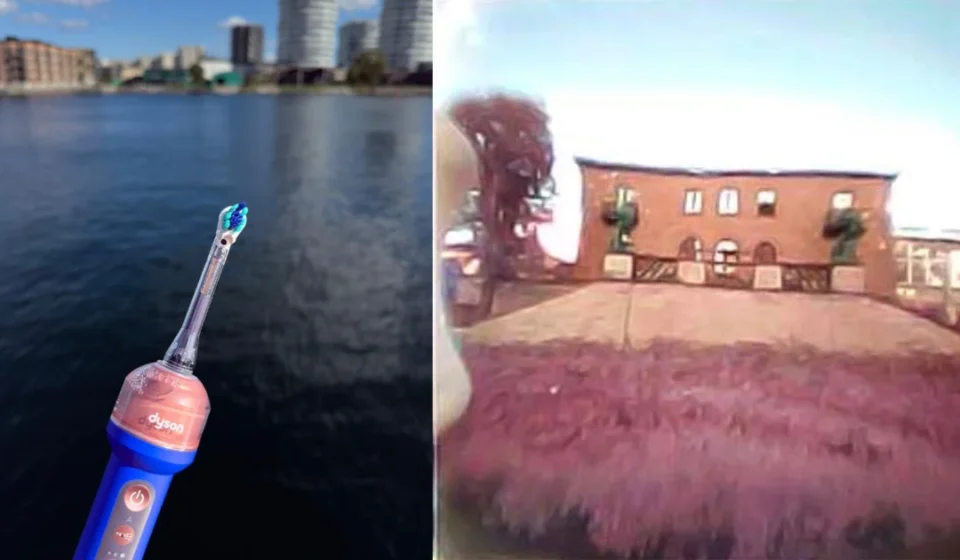
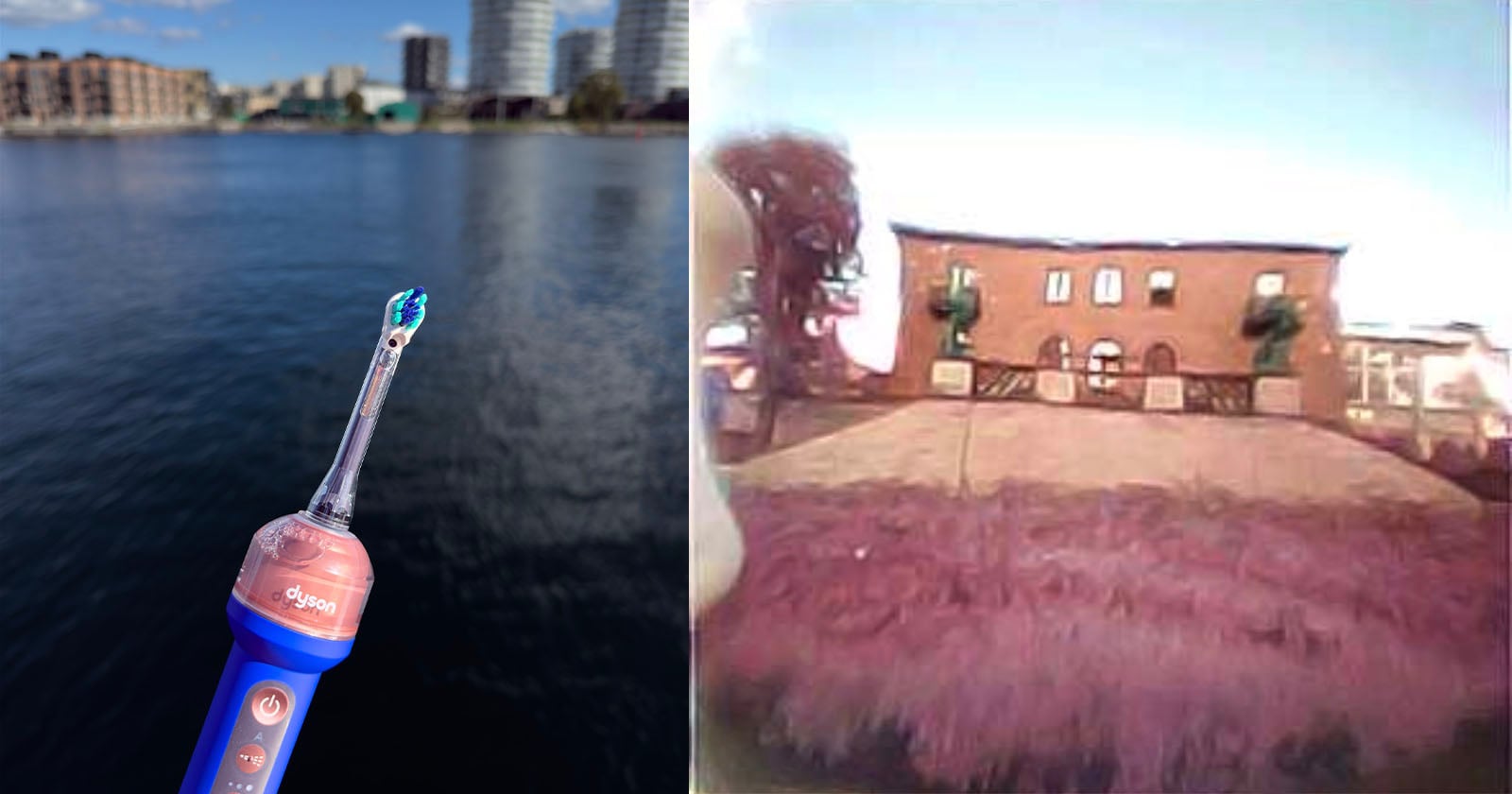
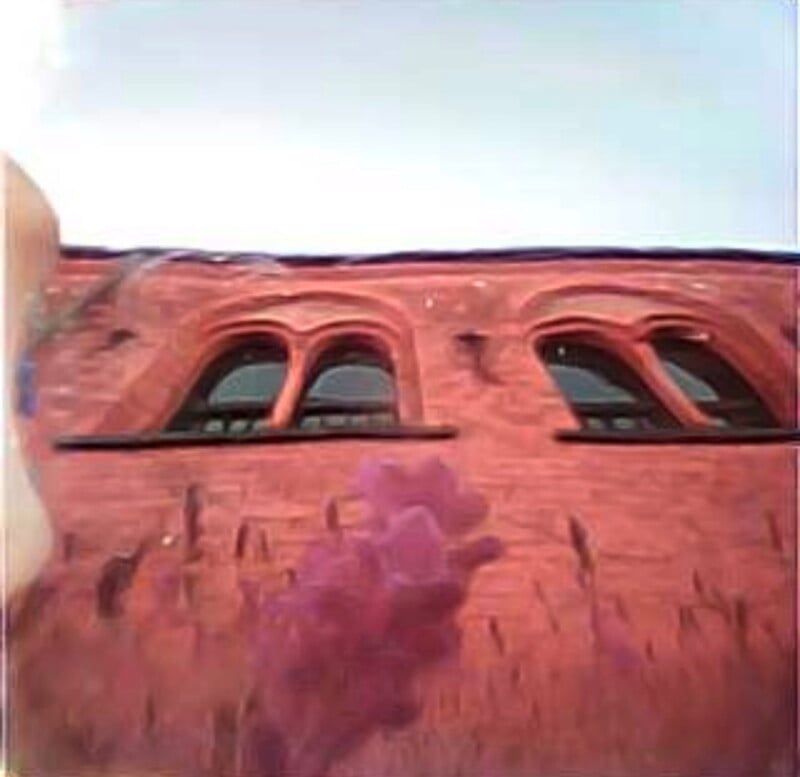
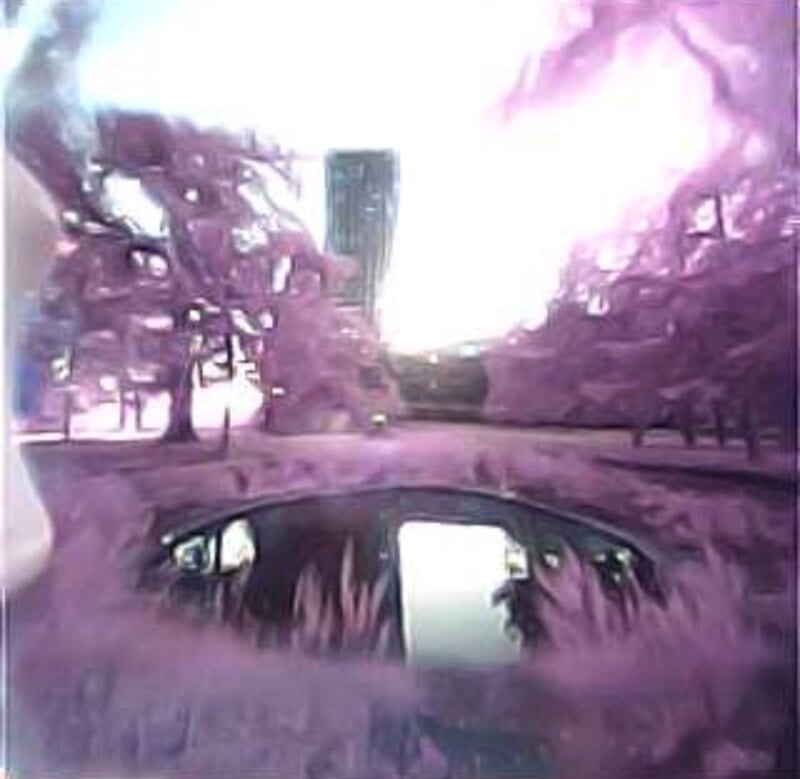
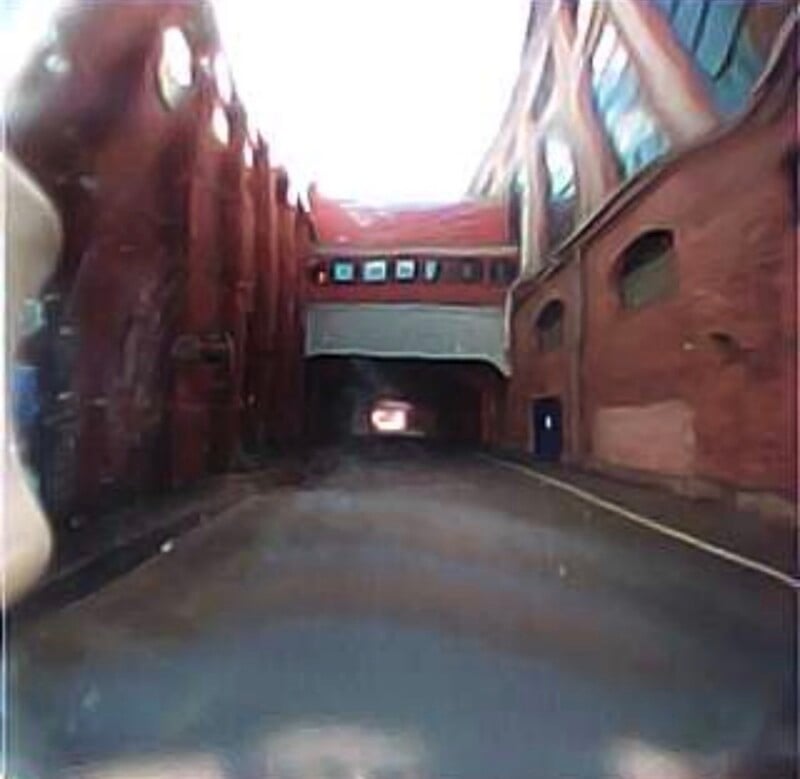
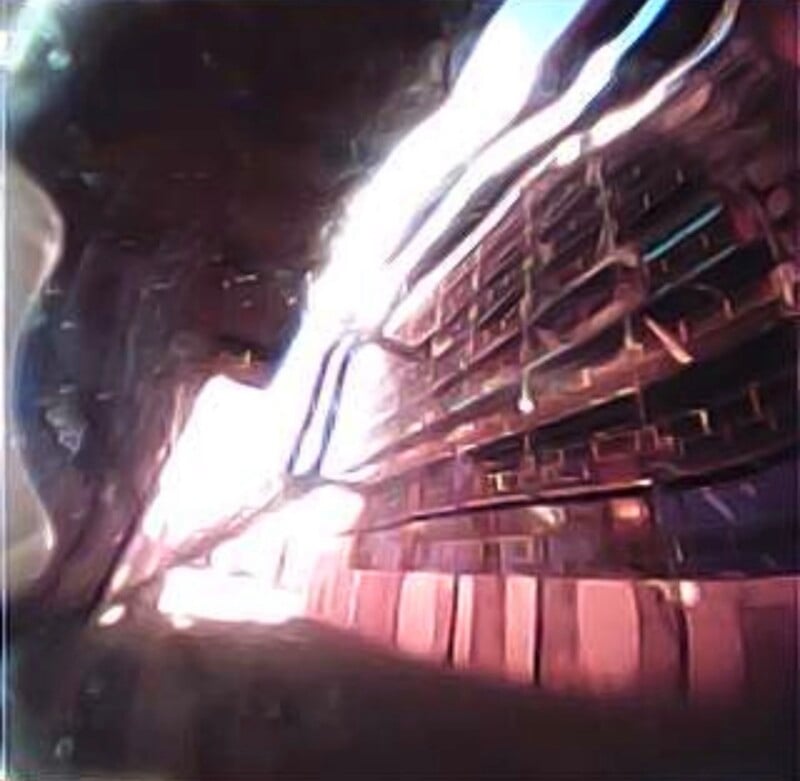
Recently, an adventurous creator known online as "All Gear No Skill" decided to test the limits of modern gadgetry. Armed with the blue-and-silver Dyson device, she embarked on a street photography walk through urban corridors, treating the dental hygiene tool like a high-end prime lens. The results are a bizarre, dreamlike collection of images that straddle the line between avant-garde art, infrared photography, and early-generation artificial intelligence artifacts.
Yet, while internet onlookers have largely embraced the whimsical experiment, the journey of the Dyson-toting photographer highlights a growing tension between rigid genre definitions in traditional art and the disruptive nature of modern tech pranks.
Main Facts: The Dyson CameraJet Goes Urban
The Dyson CameraJet hit shelves earlier this month, immediately drawing intense scrutiny and amusement from tech reviewers and consumer advocates alike. Retailing at $499, the device taps into a controversial modern design trend: the pervasive integration of cameras into everyday, previously "dumb" objects.
Designed primarily for oral health, the toothbrush features a tiny endoscopic camera meant to feed live imagery of hard-to-reach molars directly to a companion smartphone app. However, the device’s internal architecture creates unique optical quirks when removed from the bathroom and pointed at the outside world.
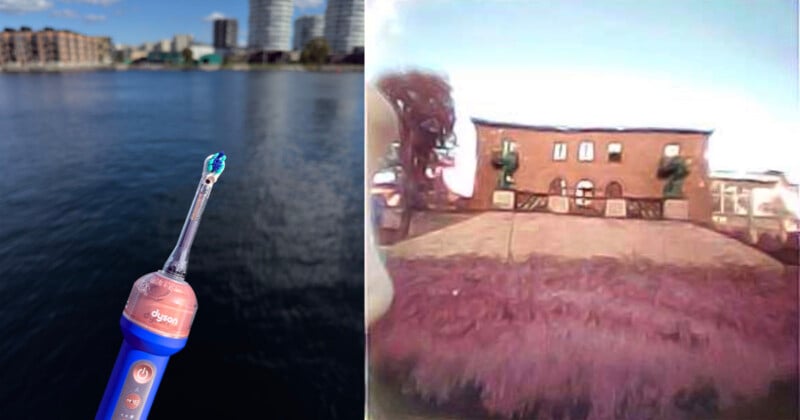
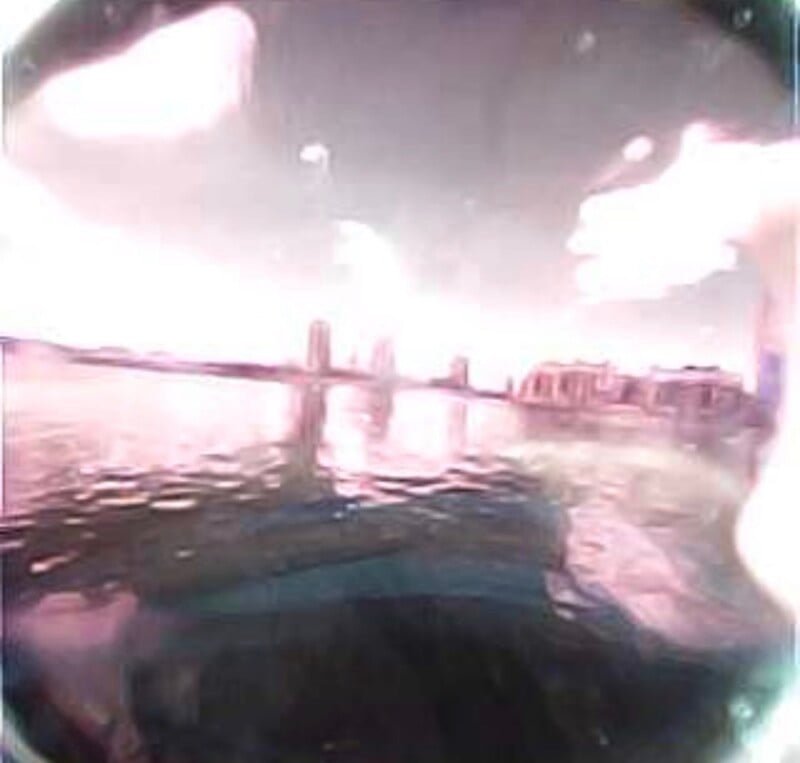
According to field tests conducted by the Instagram creator, the camera requires very specific lighting conditions. It struggles heavily with overexposure, produces massive fisheye lens distortion, yields low-resolution frames, and exhibits unpredictable color and white balance shifts. Because the companion app lacks a native recording or saving feature, the creator had to capture the urban landscape by taking direct smartphone screenshots of the live feed.
Despite these technical limitations, the resulting imagery—characterized by hyper-distorted architectural lines, surreal purple and infrared-like color palettes, and eerie atmospheric haze—has captivated online audiences, drawing direct comparisons to early 2020s generative AI outputs.
Chronology of an Urban Experiment
To understand how a toothbrush wound up chronicling city streets, it helps to examine the timeline of events leading up to the viral stunt.
Early September 2026: Dyson officially releases the $499 CameraJet electric toothbrush, marketing its dental-monitoring endoscopic camera capabilities to health-conscious consumers.
Mid-September 2026: Recognizing the long-standing photographic running joke that "dentists own Leicas," Instagram creator "All Gear No Skill" purchases the device specifically to subvert its intended purpose.
The Photo Walk: Dressed for a standard street excursion—complete with a protective glove and the toothbrush held aloft—the creator wanders past public parks, brick buildings, and urban waterways. Passersby offer confused, lingering glances at the sight of someone meticulously framing shots with dental equipment.
Post-Processing & Sharing: Unable to export files directly due to Dyson’s software constraints, the photographer compiles smartphone screenshots of the live feed. She publishes the resulting gallery to social media alongside reels showcasing her previous high-concept, tongue-in-cheek gear challenges.
The Reddit Backlash: Seeking peer feedback, the creator submits her urban toothbrush photos to the popular Reddit community r/streetphoto. Within hours, subreddit moderators remove the post, triggering a humorous bureaucratic standoff over what precisely constitutes "street photography."
Supporting Data: Specifications and Quirks of the Dyson CameraJet
While traditional mirrorless cameras and DSLRs boast megapixel counts in the dozens, full-frame sensors, and interchangeable glass, the Dyson CameraJet operates under entirely different constraints.
Price Point: $499 USD, placing it in the same financial bracket as legitimate mid-range consumer compact cameras or entry-level vintage film bodies.
Optical Design: An integrated endoscopic macro lens featuring an extreme fisheye field of view, optimized for close-range focusing distances measured in millimeters rather than meters.
Software Ecosystem: Dedicated companion smartphone app connecting via local wireless protocols. Features a live-view cleaning mode (Brush mode) complete with battery indicators. Notably absent are manual exposure sliders, shutter speed controls, raw file recording, or still-image export tools.
Data Privacy Architecture: According to Dyson’s official system documentation, the hardware does not store images or video clips locally on the toothbrush’s internal memory, nor does it upload captured dental footage to external cloud servers. Live monitoring via the app is the sole intended output mechanism.
Official Responses and Creator Insights
The juxtaposition of high-end consumer engineering with low-stakes artistic tomfoolery has generated notable commentary from both the artist behind the project and digital onlookers.
Speaking to PetaPixel, the creator explained the conceptual roots of her project:
"There’s the running joke of ‘dentists owning Leicas’ in the photo community, so when I saw Dyson dropping the toothbrush with a camera, I knew it just had to be used for street photos. It just makes sense."
Her artistic catalog is no stranger to ironic gear choices. Previously, she made waves online by colorizing monochrome captures from a specialized Leica M10 Monochrom and scanning ephemeral thermal prints using an ultra-high-resolution 150-megapixel Phase One medium-format camera system.
"Photography should be fun," she emphasizes.
Reflecting on the tactile experience of shooting with a dental hygiene appliance on public sidewalks, she noted getting "quite a few weird looks" from pedestrians. Yet, paradoxically, she offered high praise for Dyson’s software engineering:
"The app works really well, connects easily, and there’s very little lag in the feed. It’s rather funny that a toothbrush app delivers a better experience than some camera manufacturer’s own apps…"
The reception on social media channels like Instagram was overwhelmingly warm, with followers praising the nostalgic, uncanny valley aesthetic of the photos. However, traditional gatekeeping platforms proved less accommodating. When the photos were posted to Reddit’s dedicated street photography community, moderators swiftly deleted the thread.
In a deadpan public appeal, the creator shared her correspondence with the platform’s administrators:
"I’ve reached out to the mods explaining that I was using a toothbrush to take photos on the streets. They reviewed the post and decided not to reinstate it because ‘It is not street photography.’ I am very hurt by their decision."
Implications: The Blurred Lines of Modern Surveillance Tech and Art
Beneath the humor of photographing brick walls with a plaque-removal tool lies a series of profound questions regarding modern technology, artistic gatekeeping, and the ubiquity of digital lenses.
1. The Proliferation of Surveillance Hardware
The mere existence of a $499 toothbrush equipped with an endoscopic camera underscores a broader, unsettling societal shift. Consumers are increasingly surrounded by ambient recording devices embedded within everyday objects—from refrigerators and baby monitors to smart rings and personal hygiene tools. While Dyson’s strict privacy policy prevents local storage or cloud uploading for this specific device, the normalization of cameras in private spaces raises ongoing concerns about data security, consumer surveillance, and the erosion of digital boundaries.
2. Redefining Photographic Mediums
Throughout history, artists have continually subverted industrial tools to create new aesthetics. From the intentional use of cheap plastic toy cameras (the "Lo-Fi" Holga and Diana movements) to pinhole photography and smartphone macro hacks, technical imperfection has frequently served as a vehicle for emotional expression. By forcing an endoscopic medical lens into the complex geometry of an urban landscape, "All Gear No Skill" challenges conventional notions of sharpness, dynamic range, and lens fidelity. The resulting images prove that intent and context can transform an engineering quirk into a compelling artistic statement.
3. The Rigidity of Digital Communities
The Reddit incident highlights a recurring cultural friction within online creative spaces. As traditional artistic definitions collide with experimental and conceptual art forms, online moderators often default to rigid, dogmatic interpretations of genre guidelines. By dismissing the toothbrush photos as "not street photography," the moderators missed an opportunity to engage with a satirical commentary on modern street culture, gear fetishism, and the democratization of image-making tools.
Ultimately, whether viewed as a hilarious viral stunt, a critique of consumer tech excess, or a genuine exercise in alternative image-making, the Dyson CameraJet street walk reminds the art world of an essential truth: photography does not always require a five-figure kit. Sometimes, all it takes is a steady hand, a sense of humor, and a very clean mouth.