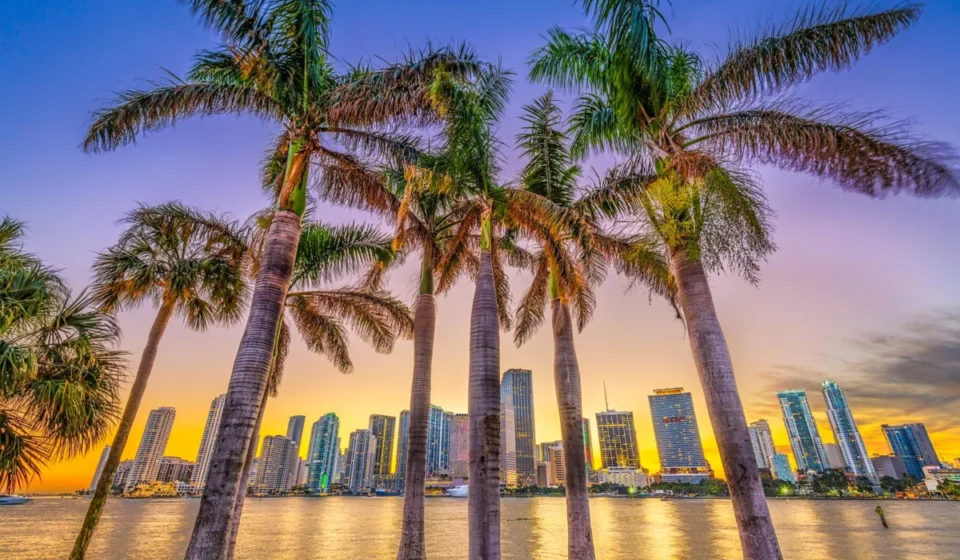

While the glistening turquoise waters and iconic Art Deco skyline of South Beach have long defined Miami’s global reputation, a profound transformation is occurring away from the shoreline. For the discerning traveler, the "Magic City" is no longer just a seaside playground; it is a vibrant tapestry of neighborhoods, each pulsating with unique history, avant-garde design, and a culinary scene that rivals any global capital. To truly understand Miami, one must venture inland to the rhythmic streets of Little Havana, the kaleidoscopic alleys of Wynwood, and the architectural sophistication of the Design District.
Main Facts: A City of Multifaceted Identity
Miami’s evolution into a world-class cultural destination is rooted in its demographic diversity and its position as a gateway to the Americas. While tourism boards once leaned heavily on the "sun and sand" narrative, the current trajectory of Miami’s travel sector highlights a shift toward experiential tourism.
The three pillars of this shift are distinct:
- Little Havana: A historic enclave representing the heart of the Cuban-American diaspora, serving as a living museum of tradition and immigrant resilience.
- Wynwood: Once a neglected industrial sector, it has been transformed by a global street-art movement into one of the most Instagrammable and creatively dense square miles in the United States.
- The Design District: An upscale, curated environment where high-end retail intersects with world-class architecture and public art, redefining the concept of the urban shopping experience.
Chronology: The Evolution of a Cultural Hub
The maturation of these districts did not happen overnight. The timeline of Miami’s cultural resurgence spans several decades:
- 1960s-1970s: The influx of Cuban exiles transforms Calle Ocho (8th Street) into the bustling commercial and cultural center of Little Havana, cementing the neighborhood’s role as a symbol of exile and community.
- 2000s: Tony Goldman, a visionary developer, identifies the potential in the derelict warehouses of Wynwood. The founding of "Wynwood Walls" in 2009 acts as a catalyst, inviting international graffiti artists to transform the neighborhood into an open-air museum.
- 2010s: The Design District undergoes a massive, billionaire-backed redevelopment plan spearheaded by Craig Robins. The focus shifts from furniture showrooms to high-fashion retail, public art installations, and avant-garde architectural projects.
- 2020s: These neighborhoods solidify their status as "must-visit" destinations, with the arrival of high-end dining, such as the critically acclaimed Cafe La Trova, signaling that the neighborhood culture has reached a level of professional refinement.
Supporting Data: The Economic and Creative Impact
The shift toward cultural tourism has had a measurable impact on Miami’s economy. According to recent data from regional tourism boards, visitors who engage with neighborhood-centric itineraries spend approximately 25% more on local dining and guided experiences compared to those who remain in the resort corridors.
In Wynwood alone, the impact is staggering. The area now boasts:
- 80,000+ square feet of mural space.
- 100+ international artists who have contributed to the neighborhood’s aesthetic.
- Multi-million dollar annual revenue driven by mural tours, art walks, and experiential graffiti workshops, such as those provided by the Wynwood Art Walk.
In the Design District, the transformation is architectural. The "neighborhood-as-a-gallery" model has led to a significant increase in property values and high-end retail foot traffic. The district operates as a massive open-air exhibition, proving that aesthetic investment drives commerce.
Official Perspectives: The Experts’ View
Experts in the hospitality industry argue that this diversification is essential for Miami’s longevity.
"Miami is shedding its reputation as a one-dimensional party city," says Elena Rodriguez, a cultural consultant for the city’s tourism bureau. "When we look at the success of institutions like Cafe La Trova, led by legends like Julio Cabrera and Chef Michelle Bernstein, we see that the city is finally being recognized for its culinary sophistication. It’s no longer about where you go to get a drink; it’s about the narrative and the history behind the cocktail."

The consensus among urban planners is that the "305" (Miami’s area code) is successfully leveraging its multicultural heritage to compete with major urban hubs like New York and London. By preserving the traditional rhythm of Domino Park in Little Havana while pushing the boundaries of modern design in the Design District, Miami is creating a sustainable travel ecosystem that appeals to a wide demographic—from the budget-conscious backpacker to the luxury art collector.
Implications: How to Experience the "Perfect Day"
To truly experience the soul of Miami, one must adopt a structured yet flexible itinerary that embraces these neighborhoods.
Morning: The Soul of Little Havana
Start your day on Calle Ocho. A guided culinary tour with providers like Miami Culinary Tours is essential, as it provides the context required to appreciate the nuances of a traditional Cuban sandwich and the specific regional differences in Cuban coffee. Watching the elderly residents play dominoes at the legendary Domino Park is not just a photo opportunity; it is a glimpse into a way of life that has remained steadfast for over half a century. Don’t leave without visiting a cigar-rolling shop to witness the craftsmanship that remains a cornerstone of the local economy.
Afternoon: The Canvas of Wynwood
After a savory lunch, head to Wynwood. The transition from the traditional streets of Little Havana to the edgy, vibrant murals of Wynwood is jarring in the best way possible. While the Wynwood Walls serve as the main attraction, the secondary streets are where the true exploration happens. Engaging in a hands-on graffiti class allows visitors to participate in the artistic process rather than simply observing it, bridging the gap between spectator and creator.
Evening: Luxury and Leisure in the Design District
Conclude the day in the Design District. This area requires a different mindset; it is a place for slow walking and architectural appreciation. As the sun sets, the building exteriors—many designed by Pritzker Prize-winning architects—begin to glow. Before departing, visit Aubi and Ramsa for an adult-only ice cream experience. The inclusion of alcohol-infused flavors like Venezuelan rum or Casamigos-based sorbets represents the playful, sophisticated spirit that defines modern Miami.
The Future of Miami Tourism
The rise of these neighborhoods signifies that Miami has matured. The city is no longer merely a vacation destination; it is a cultural destination. The implication for future travelers is clear: if you stay within the confines of the beach, you are only seeing one-third of the story.
Whether it is the rhythmic clatter of dominoes in the morning, the smell of fresh spray paint in the afternoon, or the refined taste of an artisanal ice cream in the evening, Miami offers a multi-sensory experience that is as diverse as the people who call it home. The "305" is a place of constant surprise, a city that rewards the curious and invites the bold to look beyond the horizon and into the heart of its streets. As Miami continues to evolve, these neighborhoods will undoubtedly remain the pillars upon which its future as a global cultural capital is built.
By diversifying the travel itinerary, visitors do more than just see the sights—they contribute to the preservation of the unique cultural pockets that make Miami, truly and undeniably, the "Magic City."