Beyond the Beach: Why the Fairmont El San Juan Redefines the Puerto Rican Luxury Experience

For the discerning traveler, planning a trip to Puerto Rico has long involved a classic logistical dilemma: the "Location vs. Leisure" debate. Should one anchor their stay within the storied, blue-cobblestone streets of Old San Juan, immersing themselves in the 16th-century colonial history and vibrant street life of the capital? Or, should they retreat to the pristine, white-sand stretches of Isla Verde, trading historical proximity for the effortless luxury of a world-class beachfront resort?
For years, this choice felt binary. However, a recent immersion at the Fairmont El San Juan Hotel suggests that this dichotomy is not only outdated—it is unnecessary. By blending the high-octane energy of a nightlife destination with the architectural grandeur of a tropical sanctuary, the Fairmont El San Juan has positioned itself as the definitive bridge between the island’s heritage and its modern, pulse-pounding luxury.
The Evolution of a Legend: Main Facts
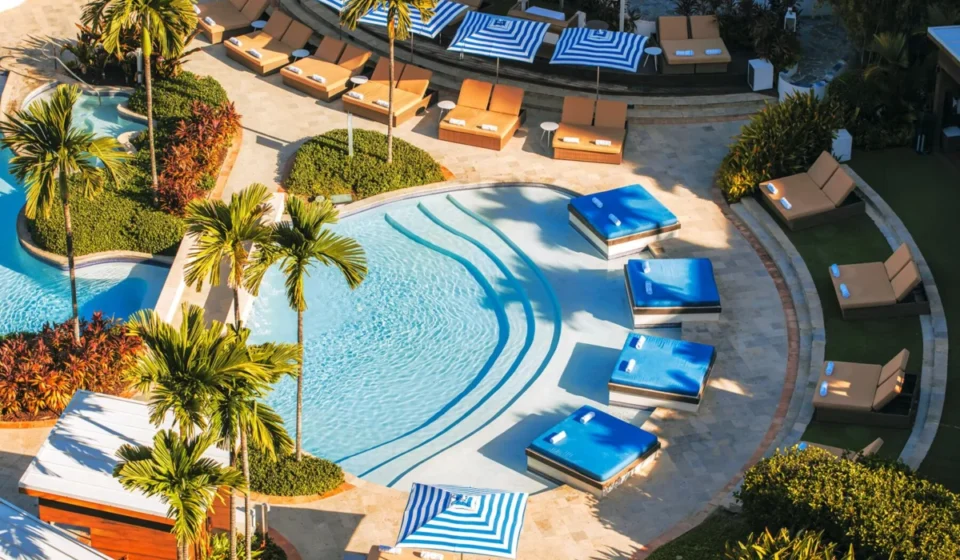
The Fairmont El San Juan is not merely a hotel; it is a cultural institution. Nestled on the Atlantic coastline, the property occupies a legendary space in the history of Puerto Rican hospitality. While many resorts rely on the sheer aesthetic appeal of their infinity pools, the Fairmont has doubled down on an experiential business model.
The hotel’s current strategy rests on three pillars: culinary excellence, immersive cultural programming, and a commitment to keeping the resort’s pulse in sync with the city’s nocturnal rhythm. By integrating local celebrity chefs, high-fashion events, and a lobby culture that rivals the city’s most popular clubs, the resort has transformed from a passive place of lodging into an active participant in San Juan’s social ecosystem.
A Day in the Life: A Chronological Journey
To understand the fluidity of the experience, one must look at the arc of a single day at the property.
09:00 AM – The Gateway to History:
The day typically begins with a departure from the Isla Verde beachfront. Because the resort is strategically located, guests can reach the historic district of Old San Juan in roughly 15 to 20 minutes. A morning excursion to the Castillo San Felipe del Morro—the iconic fortress guarding the mouth of San Juan Bay—is best viewed from the water. Taking a catamaran cruise provides the architectural context that a land-based visit often misses, revealing the sheer scale of the Spanish colonial defenses.
01:00 PM – Cobblestones and Culture:
The afternoon is best spent on foot. Wandering through the narrow, historic streets allows guests to engage with local artisans and café culture. The transition from the frantic energy of the fortresses to the quiet, shaded courtyards of the historic district provides a necessary dose of cultural grounding before the evening’s transition.
04:00 PM – The Coastal Return:
By late afternoon, the heat of the city invites a change of pace. Returning to the Fairmont feels less like retreating and more like a tactical shift. Within minutes of arriving, the humidity of the urban exploration is washed away by a swim in the Atlantic.
08:00 PM – The Culinary Ascent:
The evening is where the Fairmont truly diverges from the standard resort experience. The property hosts Caña by Chef José Enrique, a culinary landmark that acts as a love letter to the island’s agricultural heritage. The name caña (sugar cane) pays homage to the crop that once dictated the island’s economic and social trajectory. Here, the menu is a study in hyper-localism; every ingredient, from the fresh-caught snapper to the highland-grown produce, speaks to the specific terroir of Puerto Rico.
For those desiring a different tempo, the property offers a dual approach. The relaxed, lounge-style José Enrique concept provides a more casual, internationally-influenced experience, while Meat Market Puerto Rico serves as the resort’s answer to high-end, metropolitan fine dining. A filet mignon at Meat Market is not served in a vacuum; it is paired with cocktails that lean into tropical profiles—passion fruit, guava, and citrus—that are sophisticated rather than cloying.
Supporting Data: The Anatomy of a Nightlife Destination
What happens after dinner at the Fairmont defies the traditional "resort quiet" expectation. On a typical Wednesday night, the hotel’s expansive lobby is not a transition space—it is the destination.
The resort’s commitment to live music and local talent is the engine of this atmosphere. The presence of the Chico Cabaret and the constant rotation of musicians ensure that the "lobby experience" is a live performance in its own right.
Perhaps the most telling piece of evidence regarding the resort’s management philosophy occurred during a recent mid-week evening. As the live band concluded their set, the resort’s general manager took to the DJ booth. This was not a publicity stunt; it was a demonstration of the hotel’s leadership ethos. By curating the music, the GM was not just managing staff; he was managing the "vibe" of the guests. The dance floor remained packed, proving that when leadership is authentically invested in the culture of the space, the guests respond with genuine engagement.
Official Perspectives and Cultural Programming
The hotel’s programming team operates with the mindset of a museum curator. During recent visits, guests could witness the technical prowess of award-winning mixologist Jose Yeye Ortega, who held court to explain the chemistry and history behind the island’s signature spirits. Simultaneously, the Edit fashion series brought local designer Luis Antonio into a signature suite, transforming a hotel room into a high-fashion runway.
"We aren’t trying to silo our offerings," an internal source noted during the fashion showcase. "We view food, cocktails, music, and design as a singular, cohesive experience. When you walk through our doors, you shouldn’t just feel like you are in a hotel—you should feel like you are at the center of a cultural conversation."
Implications: The New Standard for Caribbean Luxury
The implications for the hospitality industry are clear: the "passive luxury" model is failing. Modern travelers, particularly those visiting destinations with rich cultural histories like Puerto Rico, are no longer satisfied with a beach chair and a pool menu. They want an experience that is authentic, accessible, and energetic.
The Fairmont El San Juan succeeds because it removes the friction between "the resort" and "the city." It acknowledges that while the beach is a draw, it is the nightlife and the culinary narrative that create the lasting memories. By bringing the city’s best elements into the lobby, the resort has effectively solved the "Location vs. Leisure" debate.
For the traveler, the result is a stay that feels balanced. You can spend your morning touching the stones of 500-year-old history and your evening dancing in one of the most vibrant lobbies in the Caribbean. You no longer have to choose between the pulse of San Juan and the comfort of a resort—at the Fairmont, you are encouraged to embrace both.
In the final assessment, the Fairmont El San Juan serves as a blueprint for how grand-scale hotels can remain relevant in an era that values experience over exclusivity. It is a destination that understands that the ultimate luxury is not just comfort, but a seamless connection to the place in which you are staying.