
Europe is frequently perceived through the lens of its iconic capitals—Paris, Rome, London, and Barcelona. Yet, beneath the veneer of these bustling urban centers lies a vast, wilder continent. With over 400 national parks spanning from the subarctic tundras of Scandinavia to the sun-drenched crags of the Balkans, Europe holds a treasure trove of biodiversity and geological wonder.
While social media influencers continue to flock to the same handful of over-touristed landmarks, a growing movement of discerning travelers is seeking out the continent’s best-kept secrets. These hidden national parks offer pristine landscapes, untouched ecosystems, and the rare luxury of solitude. Among these, Montenegro’s Durmitor National Park stands as a prime example of the rugged, awe-inspiring majesty that remains largely overlooked by the average tourist.
Main Facts: The Dinaric Alpine Jewel
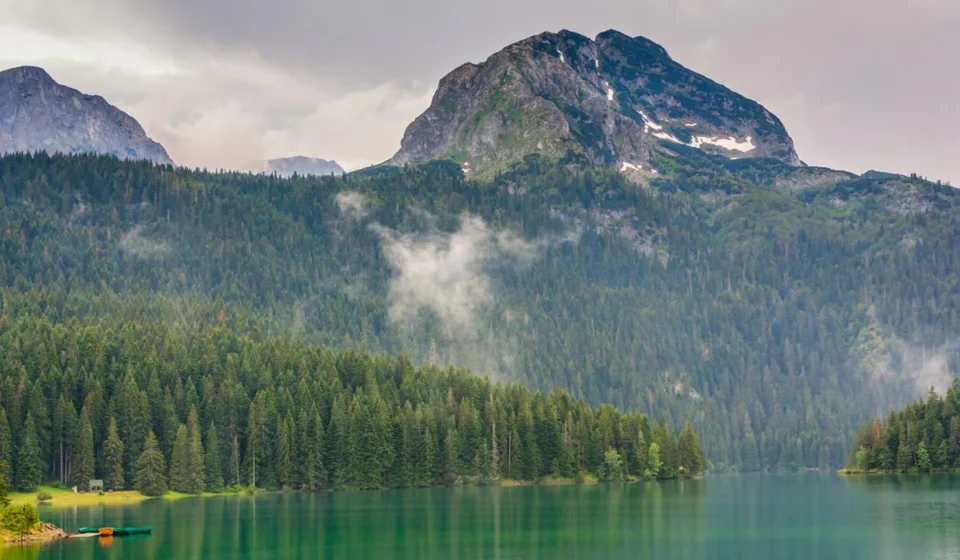
Durmitor National Park, a UNESCO World Heritage site, is the crown jewel of Montenegro’s mountainous interior. Located in the northwestern part of the country, the park is defined by its limestone massifs, glacial lakes—locally known as "mountain eyes"—and the breathtaking Tara River Canyon.
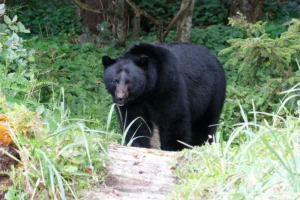
The geography of the park is defined by the Dinaric Alps, a mountain range that runs along the Adriatic coast. While many visitors to Montenegro stick to the medieval walls of Kotor or the luxury marinas of Tivat, those who venture two hours inland to the town of Žabljak find themselves in an entirely different world. The park covers approximately 39,000 hectares, serving as a sanctuary for wolves, brown bears, and wild boars, alongside a rich tapestry of flora that includes endemic species found nowhere else on earth.
A Chronological Perspective: From Ancient Geology to Modern Conservation
To understand the significance of Durmitor, one must look at its deep history.
- Geological Formation (Millions of years ago): The region was shaped by ancient glaciers and the relentless erosive power of underground streams and rivers, creating the karst topography that defines the modern landscape.
- 1952: Official Protection: Recognizing its unique natural value, the Yugoslavian government officially declared Durmitor a national park in 1952, marking the beginning of organized conservation efforts.
- 1980: UNESCO Recognition: The park achieved international status when it was added to the UNESCO World Heritage list, citing its importance in the study of geological processes and its exceptional natural beauty.
- 2005–Present: Sustainable Tourism Shift: As Montenegro gained independence and began developing its tourism sector, the park transitioned from a local secret to a managed destination. Recent years have seen a concerted effort to balance the increasing influx of adventure tourists with strict environmental protocols to prevent the over-commercialization seen in Western European parks.
Supporting Data: Why Biodiversity Matters
The data surrounding Europe’s national parks suggests a shifting paradigm in travel. According to recent tourism impact studies, "over-tourism" has led to a 15% decline in satisfaction rates at top-tier European destinations. Conversely, parks like Durmitor have seen a steady, sustainable 5–8% annual growth in visitors, a pace that allows local infrastructure to adapt without degrading the environment.
The Tara River Canyon is particularly noteworthy from a scientific standpoint. Reaching depths of up to 4,300 feet, it is the deepest river canyon in Europe and the second-deepest in the world, surpassed only by the Grand Canyon. The river itself is renowned for its purity; it is one of the few places in Europe where the water is potable along its entire length. This ecological integrity is the backbone of the region’s tourism, supporting a local economy that relies heavily on sustainable activities like white-water rafting, which is regulated to ensure the protection of the riverbed’s delicate ecosystems.
Official Responses and Conservation Strategy
The Montenegrin Ministry of Sustainable Development and Tourism has adopted a cautious approach to the park’s expansion. In a recent statement, park authorities emphasized that "the goal is not to maximize the number of arrivals, but to maximize the quality of the experience and the longevity of the ecosystem."

This response highlights a broader continental trend. Throughout Europe, national park administrations are moving away from mass-tourism models. Instead, they are implementing "carrying capacity" limits—restricting the number of hikers on specific trails during peak season and investing in eco-lodges that operate on renewable energy. In Durmitor, this includes the maintenance of traditional katuns (shepherd huts), which have been repurposed to provide authentic, low-impact accommodation for trekkers, ensuring that the local mountain culture is preserved rather than displaced.
The Implications of "Slow Travel"
The rise of interest in hidden parks has profound implications for the future of European travel.
1. Economic Diversification
By shifting the focus away from coastal hotspots, countries like Montenegro can spread the economic benefits of tourism to inland regions. Žabljak, once a sleepy town, has seen a revival as a hub for mountaineering and adventure sports, providing jobs that keep younger generations in the mountains rather than migrating to coastal cities or abroad.
2. Environmental Stewardship
When tourists venture into less-visited parks, they are often more attuned to the "leave no trace" ethos. The smaller, more intimate nature of these destinations encourages a deeper connection with the environment. Education programs led by local guides in Durmitor have become a blueprint for other parks; by teaching visitors about the fragile karst landscape, the park turns tourists into advocates for its protection.
3. Preserving Cultural Heritage
National parks in Europe are rarely just wilderness; they are often living, breathing cultural landscapes. In Durmitor, the history of transhumance—the seasonal movement of livestock—is still visible. By visiting these parks, tourists support the preservation of ancient trails and customs that would otherwise vanish.
A Call to Exploration
Europe’s wilderness is not a static museum; it is a dynamic, evolving environment that rewards the curious. While the allure of the world-famous sites is understandable, the true essence of the continent is found in the deep silence of a mountain valley, the spray of an untouched river, and the vast, uncrowded horizons of places like Durmitor.
As we look toward the future of global travel, the emphasis must shift from "checking off" landmarks to engaging with the soul of the land. Whether it is zip-lining across the Tara Canyon, hiking the rugged paths of the Dinaric Alps, or simply watching the sunrise over a glacial lake, these experiences offer a depth that no viral social media post can replicate.
For those willing to stray from the path, the rewards are immense. Europe remains a continent of hidden wonders, waiting for those who are ready to look beyond the ordinary. The next great adventure isn’t waiting in a crowded plaza—it’s waiting in the quiet, high-altitude embrace of the wild. By choosing to visit these lesser-known parks, travelers do more than just see the world; they participate in the vital work of sustaining it for the next generation of explorers.