Comments Off on A Vision of Unlived Decades: How a Powerful New Exhibition Imagines the Life Emmett Till Should Have Had
Main Facts
The Museum of Contemporary Photography (MoCP) at Columbia College Chicago has opened its doors to a profound and hauntingly poignant artistic undertaking: If Emmett Till Lived: Freedom on American Ground. Running through December 19, 2026, the exhibition utilizes the museum’s extensive permanent image collection to visualize an alternative history—one where 14-year-old Emmett Till was never abducted, brutally beaten, and lynched in Mississippi in 1955.
Had he lived, Till would have celebrated his 85th birthday this year. Instead, his name is etched into history as one of the major catalysts for the American Civil Rights Movement. The MoCP exhibition bypasses the traditional visual framing of Black trauma and martyrdom. Instead, it creates a visual counter-narrative, mapping out the ordinary, beautiful, and monumental milestones of a life stolen away.
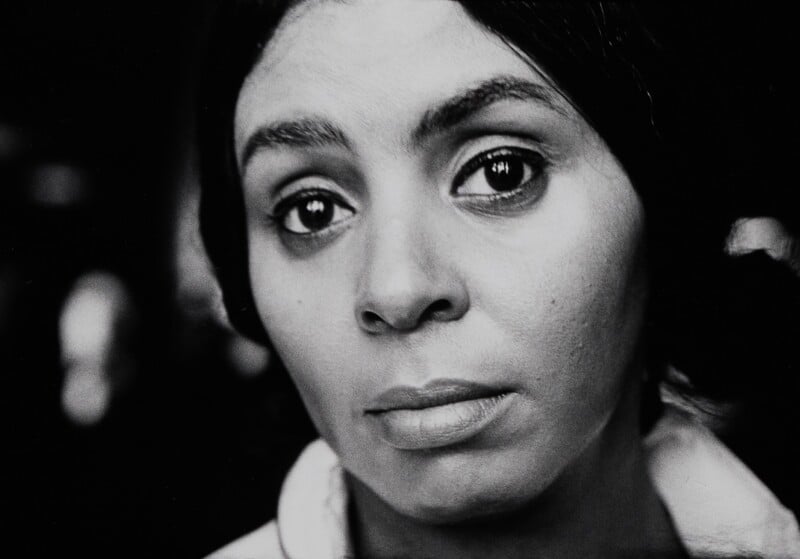
Curated by renowned scholar and author Sarah Lewis, the exhibition brings together works from several generations of visionary photographers. The roster includes historic and contemporary luminaries such as Henri Cartier-Bresson, Dorothea Lange, Gordon Parks, Dawoud Bey, Carrie Mae Weems, Teju Cole, Laylah Amatullah Barrayn, and Stephen Marc.
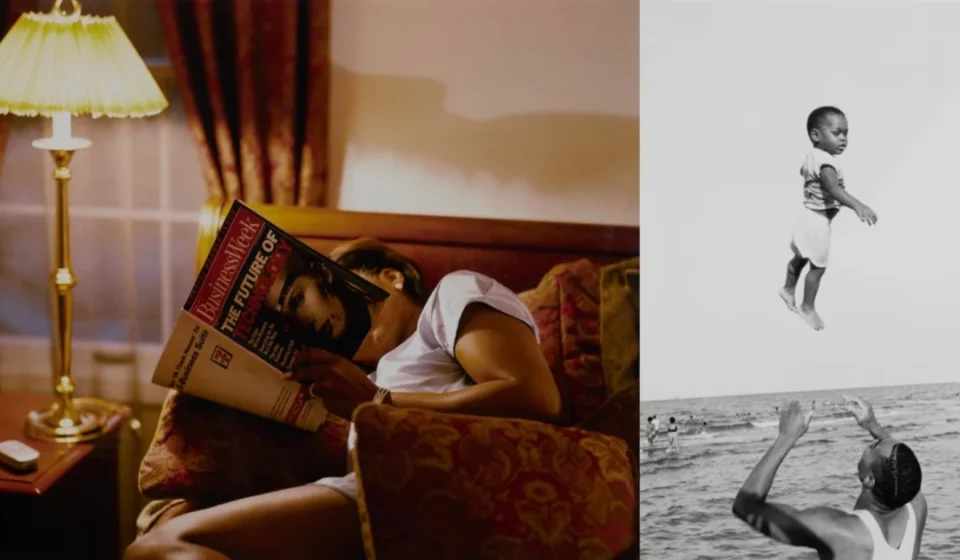
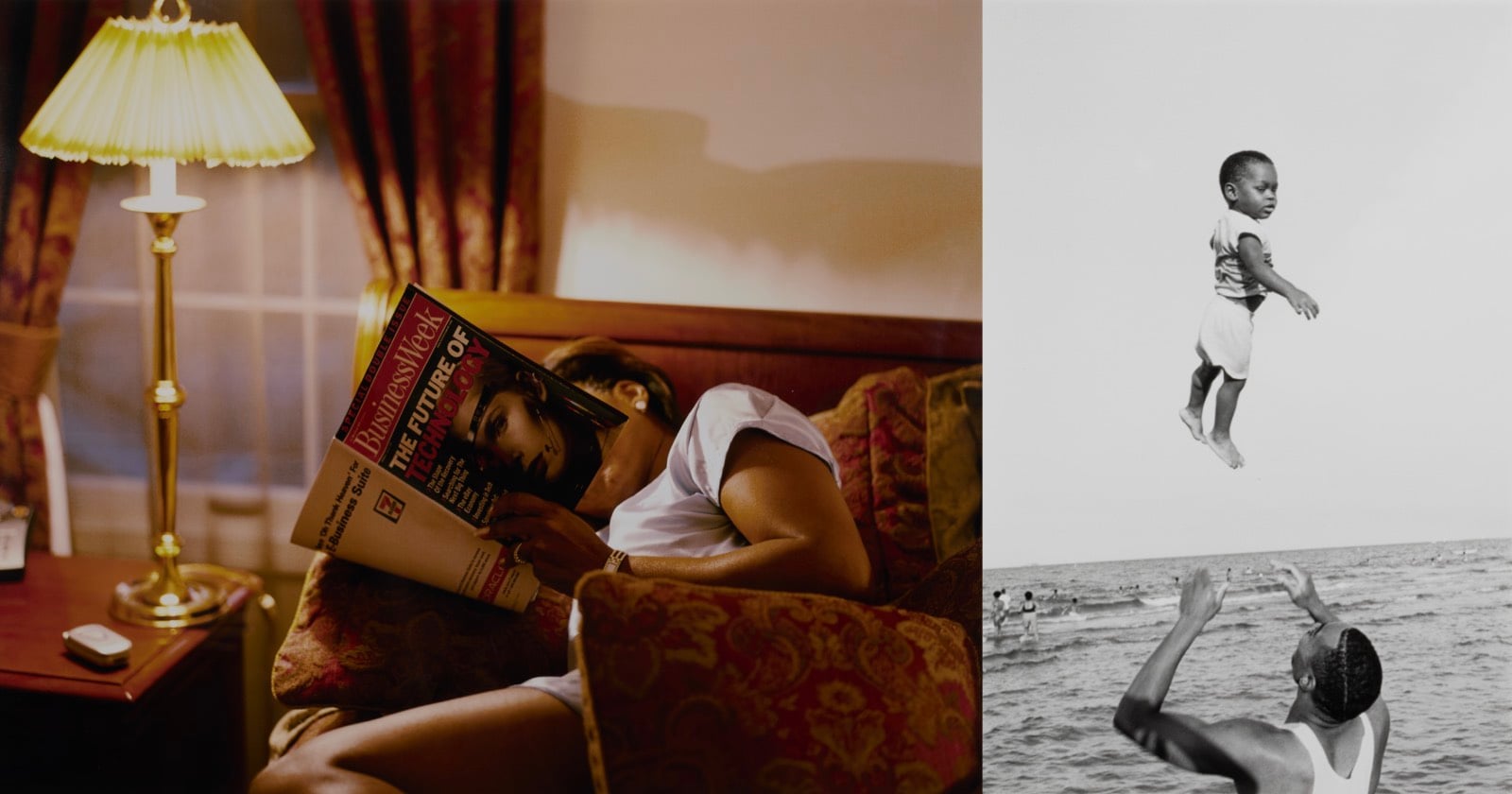
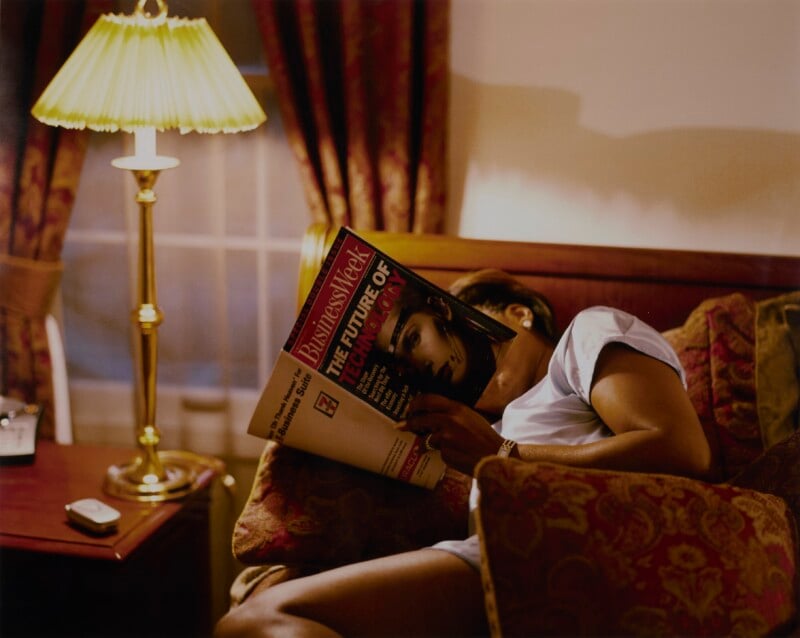
Rather than focusing solely on the tragedy of his death, If Emmett Till Lived uses cross-country transit lines, domestic scenes, neighborhoods, family portraits, and civic milestones to build a speculative biography. The displayed photographs chronicle experiences Till was denied: marriage, fatherhood, aging, witnessing the triumphs of Black athletes like Michael Jordan with the Chicago Bulls, and seeing the barrier-breaking presidency of Barack Obama.
Chronology: From a Tragic Summer to a Speculative Future
To understand the weight of the If Emmett Till Lived exhibition, it is essential to trace the historical timeline that rendered such an artistic intervention both necessary and heartbreaking.
August 1955: The Murder
Emmett Till, a Black teenager from Chicago, Illinois, was visiting family in Money, Mississippi. Accused of whistling at and offending a white female store clerk named Carolyn Bryant, Till was snatched from his bed in the dead of night by Bryant’s husband and brother-in-law. He was tortured, shot, and thrown into the Tallahatchie River with a heavy cotton gin fan tied to his neck with barbed wire.
September 1955: An Open Casket and Global Outrage
Mamie Till-Mobley, Emmett’s mother, made the courageous decision to hold an open-casket funeral in Chicago, exposing the brutalized face of her son to the world. Jet magazine published photographs of his corpse, sparking international outrage. Months later, an all-white Mississippi jury acquitted Till’s murderers, who later openly confessed to the crime in a magazine interview.
December 1955: The Montgomery Bus Boycott
Just weeks after the acquittal, Rosa Parks was arrested in Montgomery, Alabama, for refusing to give up her bus seat to a white passenger. Parks later explicitly stated that she had Emmett Till’s face and murder on her mind when she made her historic stand—a resolve cemented by having recently attended a memorial rally led by a young, emerging minister named Martin Luther King Jr.
1957: Legislative Impact
The public outcry over Till’s murder and the blatant miscarriage of justice weighed heavily on the U.S. Congress, helping to build the political momentum required to pass the Civil Rights Act of 1957—the first federal civil rights legislation passed since Reconstruction, which sought to protect voting rights for African Americans.
2026: Imagining the Alternative
Skipping forward seven decades, If Emmett Till Lived arrives at Columbia College Chicago. The exhibition constructs a timeline of what the intervening years—from the late 1950s through the digital age of the 21st century—might have looked like for a Black man navigating America over an 85-year span.
Supporting Data and Artistic Framework
The exhibition is structured not as a linear history textbook, but as a mosaic of American life captured through the lenses of master photographers. The works are carefully curated to mirror the stages of a full human life:
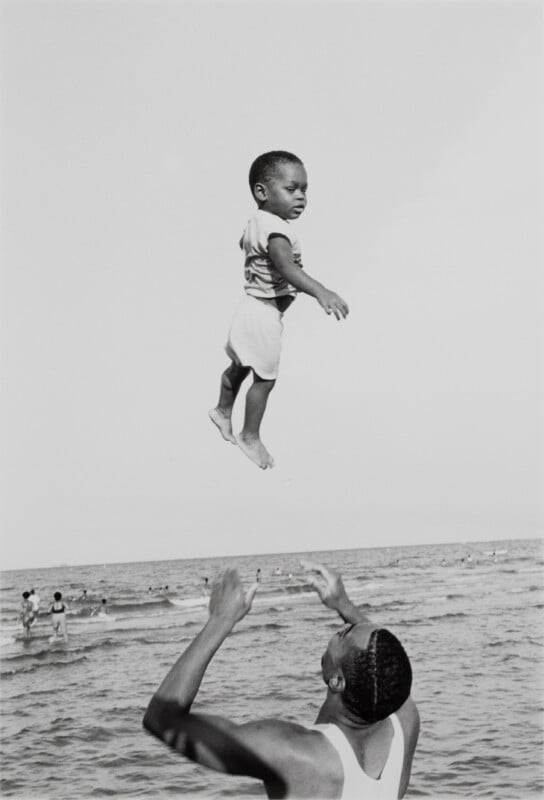
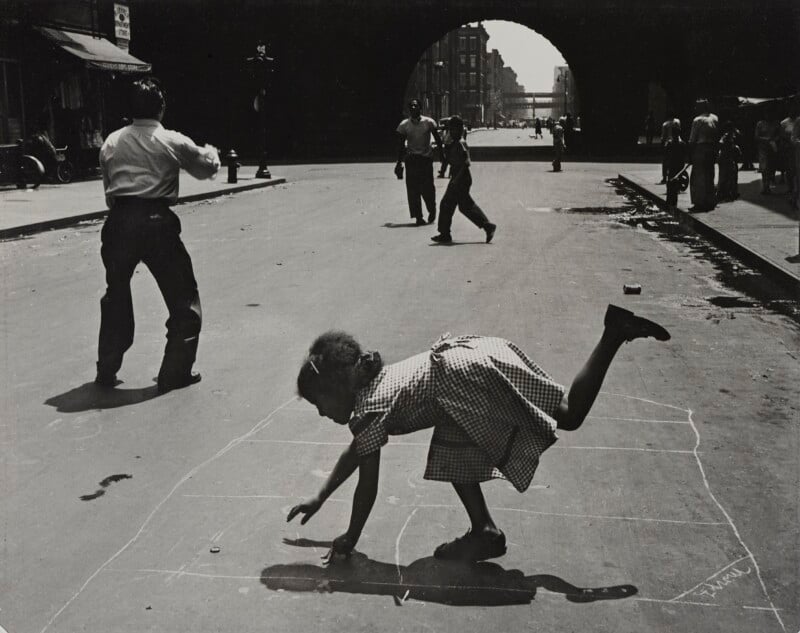
Childhood and Youth: Images like Walter Rosenblum’s Hopscotch (1952) and Barbara Crane’s close-up portraits of children from the People of the North Portal series capture the innocence, play, and curiosity that Till possessed when his life was abruptly halted at age 14.
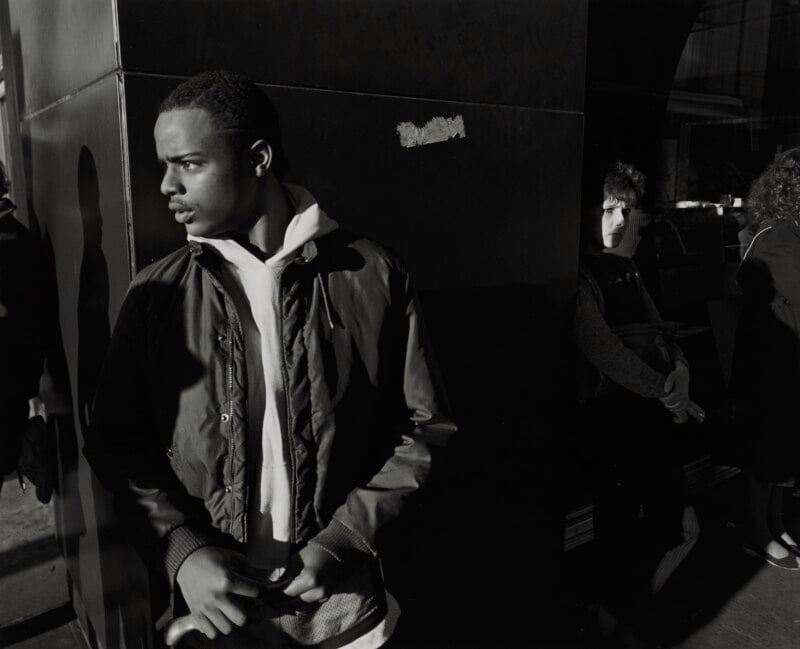
Adulthood, Work, and Community: Stephen Marc’s gelatin silver prints from the Changing Chicago project and Dawoud Bey’s street portraits evoke the everyday rhythms of urban life, commuting, and community bonding.
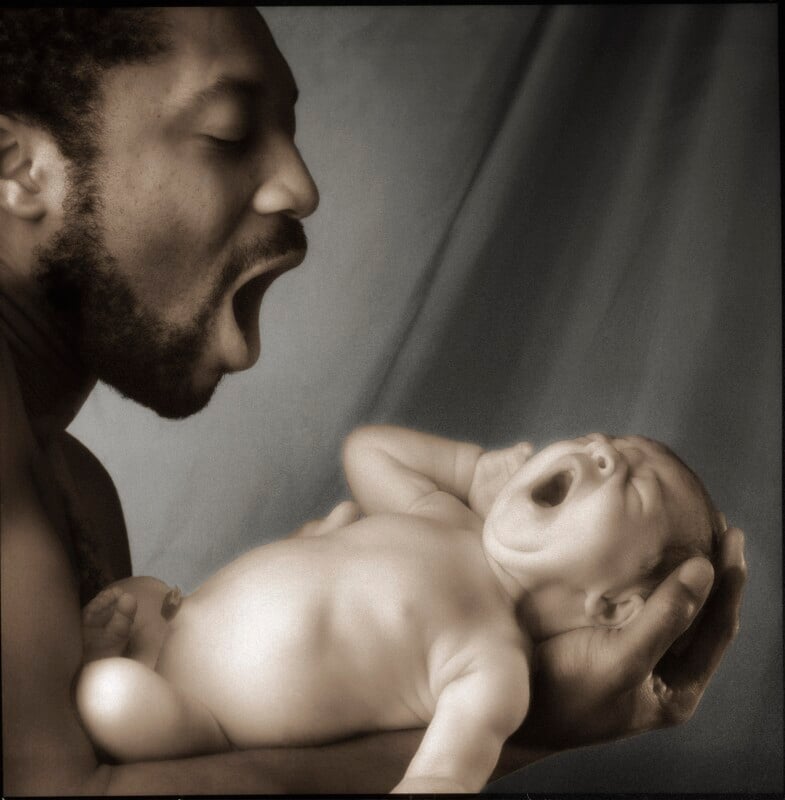
Family and Maturation: Phil Borges’ 1990 photograph Paternity—depicting a bearded father and a newborn yawning in unison—and Sabrina and Katrina’s vibrant portraits from the Am I What You’re Looking For? series (2015) flesh out the domestic milestones: marriage, raising children, and growing old.
Historical Milestones: The exhibition anchors Till’s hypothetical life within the broader fabric of American history. It includes monumental shifts in sports and politics, such as Dawoud Bey’s 2006 portrait of Barack Obama and visual echoes of the cultural revolutions led by Black Americans across generations.
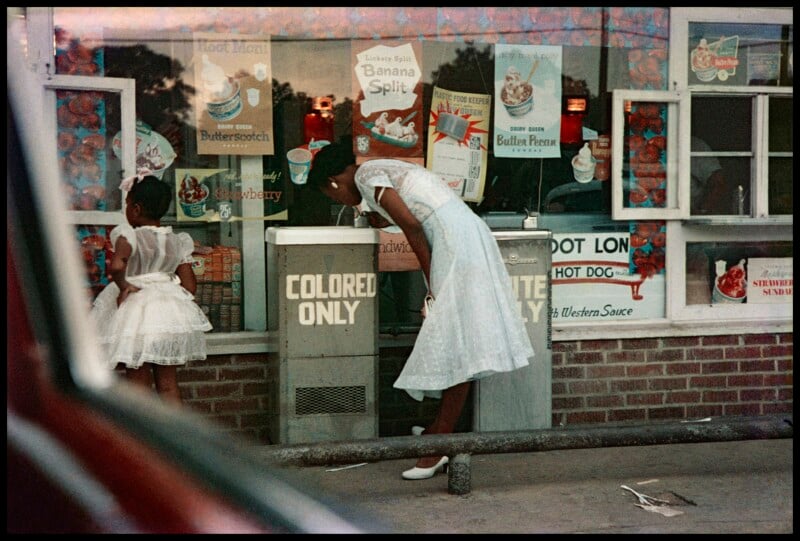
The inclusion of foundational documentary works—such as Gordon Parks’ searing 1956 photographs documenting Jim Crow segregation—reminds viewers of the hostile racial landscape Till would have had to navigate. Yet, the framing insists on endurance, joy, and triumph over systemic oppression.
Official Responses and Curatorial Intent
The mastermind behind the exhibition, curator and scholar Sarah Lewis, offered a deeply emotional and intellectually rigorous rationale for bringing the project to life. In her curatorial statement, she confronts the painful paradox of the exhibition’s premise:
"Why create this show and publication now? Because more than seventy years after Emmett Till’s death, we are still asking, have we made good on the sacrifice of his life? We should not have to ask this question."
Lewis emphasizes that the project is an act of reclamation, pushing back against a historical record defined exclusively by racial violence.
"This show and the book that is its counterpart should not have to exist — and that is why I felt called to make them. They claim the ground of Till’s untaken journey from Mississippi back to Chicago," Lewis notes. "His life is the epitome of the question we still grapple with today: Who has a right to the ground, to claim the right to stand? This exhibition and book are a creative monument to the life that Till — that anyone, any Black or brown boy — has a right to live."
Institutional leaders at Columbia College Chicago and the Museum of Contemporary Photography have echoed these sentiments, noting that the museum’s collection acts as a repository not just of historical documentation, but of imaginative futures. By pairing iconic images from civil rights struggles with intimate scenes of everyday Black joy and resilience, the institution positions photography as an instrument of restorative justice.
Implications: Challenging the Visual Economy of Black Trauma
If Emmett Till Lived: Freedom on American Ground arrives at a critical cultural juncture. For decades, the public visibility of Black historical suffering has relied heavily on images of trauma—from historical lynching photographs to modern digital footage of police brutality. While these archives serve as undeniable evidence of systemic racism, critics, artists, and scholars have increasingly questioned the psychological and ethical toll of repeatedly circulating Black pain.
By inverting this paradigm, the MoCP exhibition offers profound implications for how museums and cultural institutions engage with civil rights history:
Shifting from Martyrdom to Agency: The exhibition reclaims Till from the flat archetype of a civil rights martyr, restoring his humanity by surrounding him with the visual markers of a full, uninterrupted life. He is reimagined not merely as a victim of white supremacy, but as a potential elder, father, neighbor, worker, and witness to history.
Expanding Archival Imagination: The project demonstrates how existing museum collections can be re-contextualized to tell speculative histories. Photography is leveraged here not just to record "what was," but to pose philosophical questions about "what should have been."
A Mirror to Contemporary America: Through the lens of Sarah Lewis’s curatorial vision, the exhibition forces contemporary viewers to look at the past seven decades of American political and social progress through a lens of accountability. It asks whether contemporary society has built a nation safe enough for every Black and brown child to grow old, dream, and live out their natural years.
As visitors walk through the galleries at Columbia College Chicago through December 19, 2026, they are invited to step into a parallel reality. It is a world where Emmett Till returned safely to Chicago in the fall of 1955, grew up under the city’s skyline, and lived out the rich, complex tapestry of an ordinary American life. In doing so, the exhibition achieves something rare: it honors a stolen past by defiantly imagining a stolen future.