Beyond the Bucket List: Why Savvy Travelers Are Choosing Luxury "Dupes" Over Iconic Icons

The global travel landscape is undergoing a significant transformation. For decades, the hospitality industry has been dominated by a select group of "bucket-list" icons—hotels so singular in their design, location, or novelty that they have become destinations unto themselves. From the giraffe-dotted lawns of Kenya’s Giraffe Manor to the cliffside glamour of the Amalfi Coast, these properties command not just global attention, but often exorbitant nightly rates that can climb into the thousands.
However, a new trend is emerging among high-net-worth travelers and value-conscious wanderers alike: the rise of the "hotel dupe." Much like the viral trend of affordable alternatives in the fashion and beauty industries, the travel sector is seeing a shift toward properties that offer the same emotional resonance, aesthetic splendor, and immersive experience as their world-famous counterparts, but with significantly lower barriers to entry—be it price, exclusivity, or overwhelming crowds.
The Economics of Iconic Hospitality
The allure of legendary hotels often stems from their "social media currency." When a property provides an experience that is inherently shareable—such as a giraffe peering through a breakfast window or a suite overlooking a world-famous bay—it creates a demand that far outstrips supply. This supply-demand imbalance is the primary driver behind the eye-watering nightly rates seen at flagship luxury properties.
For instance, Giraffe Manor in Nairobi, Kenya, has long been the gold standard for wildlife-adjacent luxury. With nightly rates for its Historic Manor rooms often exceeding $2,800 and the ultra-luxe Karen Blixen Suite surpassing $7,000, the property is an aspirational dream for many. Yet, industry analysts point out that these prices are not merely for the room; they are for the "guarantee" of a specific, repeatable viral moment.
"Travelers are realizing that while the photo opportunity is unique, the actual spirit of the experience—the connection to nature, the high-touch service, the architectural beauty—is not proprietary to one single building," says travel consultant Elena Vance. "The ‘dupe’ movement is really about identifying the feeling of a destination rather than just the brand name."
The Wildlife Alternative: Shifting the Focus to Namibia
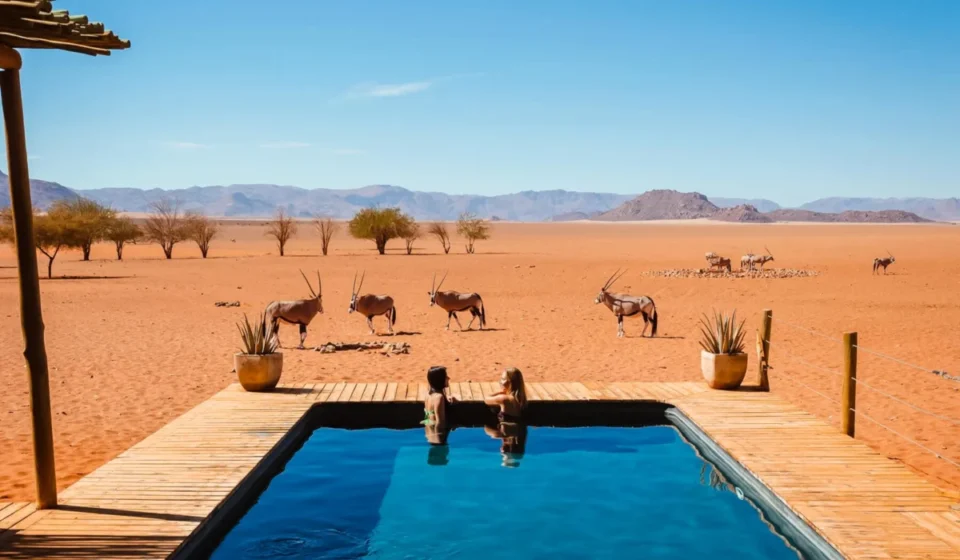
When examining the "Giraffe Manor" model, the value proposition is centered on proximity to nature. However, travelers are increasingly discovering that the same, if not deeper, immersion can be found in the vast, arid landscapes of Namibia.
Unlike the highly orchestrated experience in Nairobi, lodges such as Kwessi Dunes (starting at approximately $650 per night), Wilderness Little Kulala (from $975), and Onduli Ridge (from $845) offer a more authentic, expansive connection to wildlife. In these environments, the wildlife is not a "resident" brought to the window, but a part of a wider, untamed ecosystem that guests traverse on game drives or guided walks.
Chronology of the Luxury Shift
- 2015–2018: The "Instagram Effect" takes hold. Iconic hotels see a surge in popularity, leading to multi-year waitlists and rapid price inflation.
- 2019–2021: The global pandemic forces a pause in international travel. During this time, travelers begin researching more secluded, remote, and "authentic" alternatives to mass-tourism hotspots.
- 2022–2024: The "dupe" culture enters the travel lexicon. Social media users begin actively seeking out properties that replicate the luxury aesthetic of established icons for 30–50% of the cost.
- 2025–Present: Luxury hospitality groups begin repositioning their portfolios to compete with these "dupes," emphasizing wellness, privacy, and local authenticity over purely "iconic" status.
Supporting Data: Why Price Isn’t the Only Factor
Data from recent travel sentiment reports suggests that price is only one of three pillars driving the switch to alternatives. The other two are crowd mitigation and accessibility.
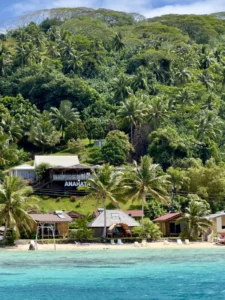
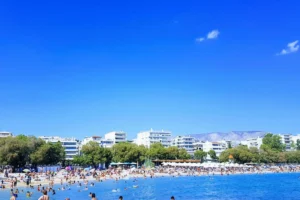
In regions like the Mediterranean, where hotels such as the iconic cliffside properties in Positano or Santorini have become heavily congested, travelers are moving toward "secondary" luxury markets. Albania’s Riviera, the hidden coves of the Turkish Aegean (near Muğla), and the lesser-visited islands of Greece are providing the same "Mediterranean Dream" experience without the cruise-ship crowds that have plagued the more famous destinations.

A comparative analysis of luxury pricing shows that a five-night stay at a top-tier hotel in a major European "icon" destination often averages $15,000 for a standard suite. A similar five-night stay in a "dupe" location—where the service, food, and architectural beauty are comparable—often averages $6,000. This $9,000 delta allows for private excursions, superior wine pairings, and, crucially, a more intimate experience.
Official Responses and Industry Implications
The hospitality industry is not blind to this shift. High-end hotel groups are increasingly concerned about the "commoditization" of their brand experience. Some have responded by doubling down on "hyper-exclusivity," creating private villa enclaves that are inaccessible to the public eye, thereby shielding their guests from the "dupe" competition.
Conversely, boutique hotel groups are embracing the trend. They are marketing themselves specifically as alternatives, using taglines like "The soul of [Iconic Destination] without the noise."
"There is a growing fatigue with the ‘must-see’ list," says Mark Sterling, a hospitality marketing executive. "Luxury is shifting from ‘being seen at the right place’ to ‘having the right experience.’ If you can get a world-class massage, a Michelin-caliber meal, and a stunning view in a destination that isn’t overrun, you aren’t just saving money; you’re actually upgrading your vacation quality."
Implications for the Future of Travel
The rise of the hotel dupe has profound implications for the industry:
- Geographic Diversification: Tourism boards in emerging destinations are finding it easier to attract high-net-worth individuals by pitching their regions as the "next" version of a saturated market.
- Sustainability: By spreading the luxury tourism dollar to lesser-known regions, the pressure on infrastructure in over-touristed "iconic" cities is slightly alleviated.
- The Rise of the Curator: The role of the high-end travel advisor is becoming more critical. As the market becomes flooded with options, travelers are relying on professionals to discern which "dupes" actually deliver on their promises and which are merely budget properties attempting to masquerade as luxury.
Conclusion
The "dupe" trend is not a race to the bottom, but a sophisticated evolution of luxury consumption. It signals a move toward intentional travel, where the value of a vacation is measured by the quality of the moments captured rather than the prestige of the hotel’s name on a guest’s itinerary.
Whether it is swapping a crowded giraffe-viewing terrace in Kenya for the silent, shifting dunes of Namibia, or choosing a secluded bay in Turkey over the packed beaches of the Amalfi Coast, travelers are reclaiming the essence of luxury. In doing so, they are proving that while the world’s most famous hotels may own the name, they no longer own the market on magic.
As we move forward, the most successful hotels will be those that realize their true competition is not the property down the road, but the inherent desire of the modern traveler to find something unique, authentic, and truly their own. The age of the iconic hotel is not ending, but the age of the "blind follower" certainly is. The new luxury traveler is informed, discerning, and, above all, ready to go off the beaten path to find the same dream for less.