Beyond the Canvas: How thatgamecompany Turned Van Gogh into an Interactive Masterpiece

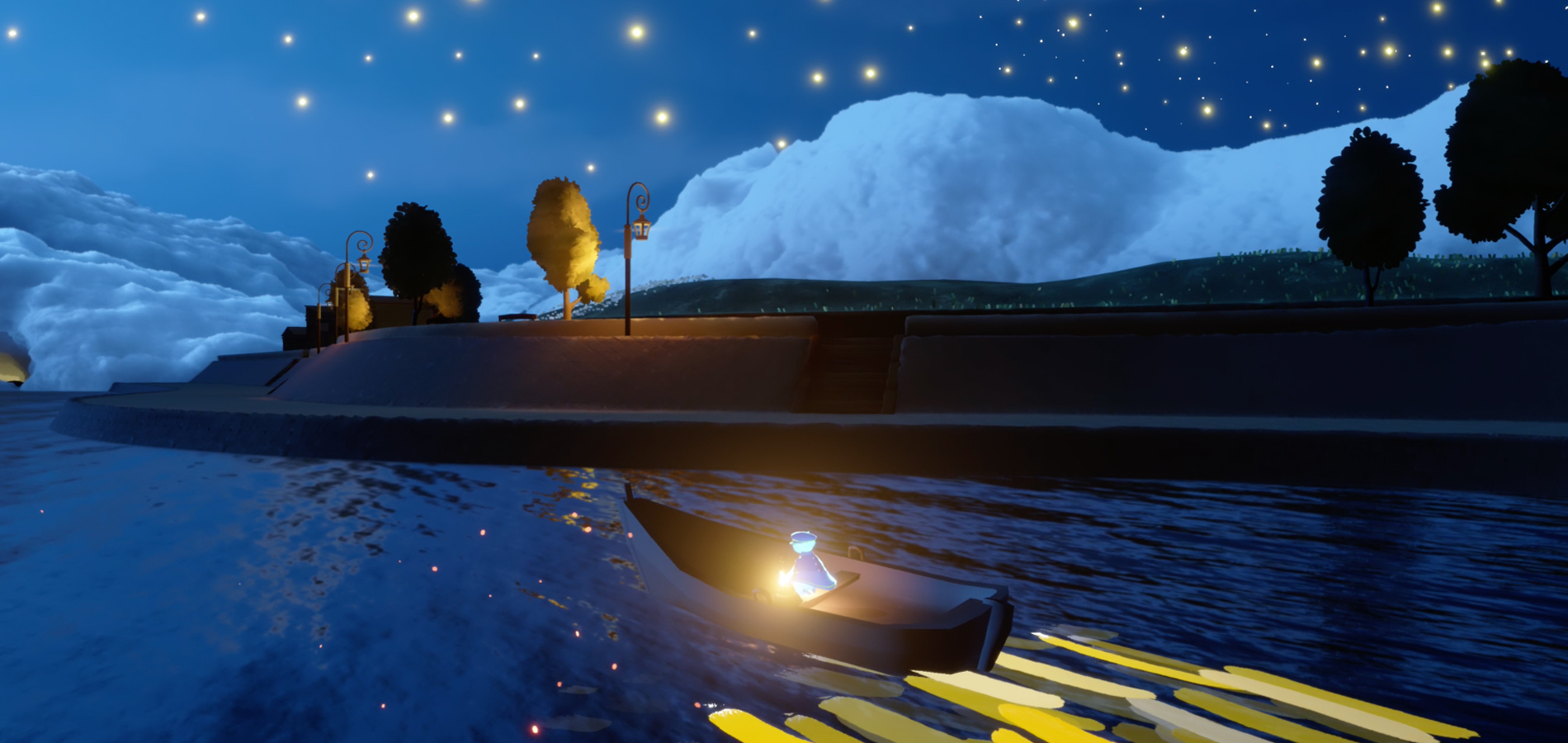
In the landscape of modern gaming, few titles possess the ethereal, atmospheric quality of Sky: Children of the Light. Known for its focus on social connection and breathtaking vistas, the game has recently pushed the boundaries of artistic adaptation with its latest seasonal expansion: "Dear Van Gogh." By transmuting the iconic, turbulent brushstrokes of Vincent van Gogh into a fully navigable 3D environment, developers at thatgamecompany have achieved something rarely seen in the industry—a respectful, interactive dialogue with art history.
The season, now available across PS5, Nintendo Switch, PC, and mobile platforms, invites players to traverse the dreamlike landscapes of the 19th-century master. However, the process of translating two-dimensional oil paintings into a playable, three-dimensional world was a monumental technical and creative undertaking, requiring rigorous research, advanced procedural shaders, and a delicate touch when handling the life story of one of history’s most troubled geniuses.
The Technical Alchemy of "Dear Van Gogh"
The foundation of the project was not the narrative, but the brushstroke itself. Yingxian Lu, Content Producer at thatgamecompany, emphasizes that the team had to prove the visual viability of the concept before committing to a full-scale production. "The visual identity of the project was so crucial that we wanted to make sure we could achieve the look we were aiming for before committing to the project," Lu explains.
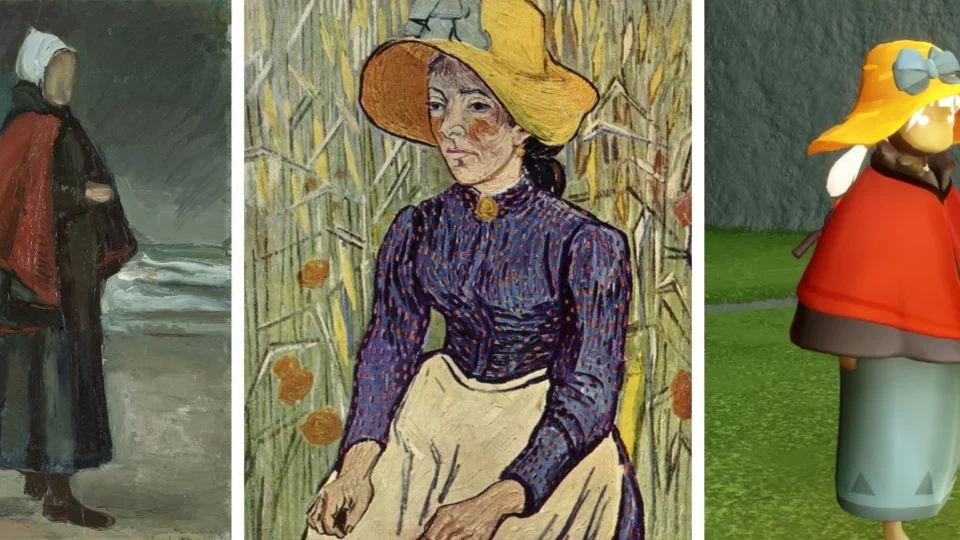
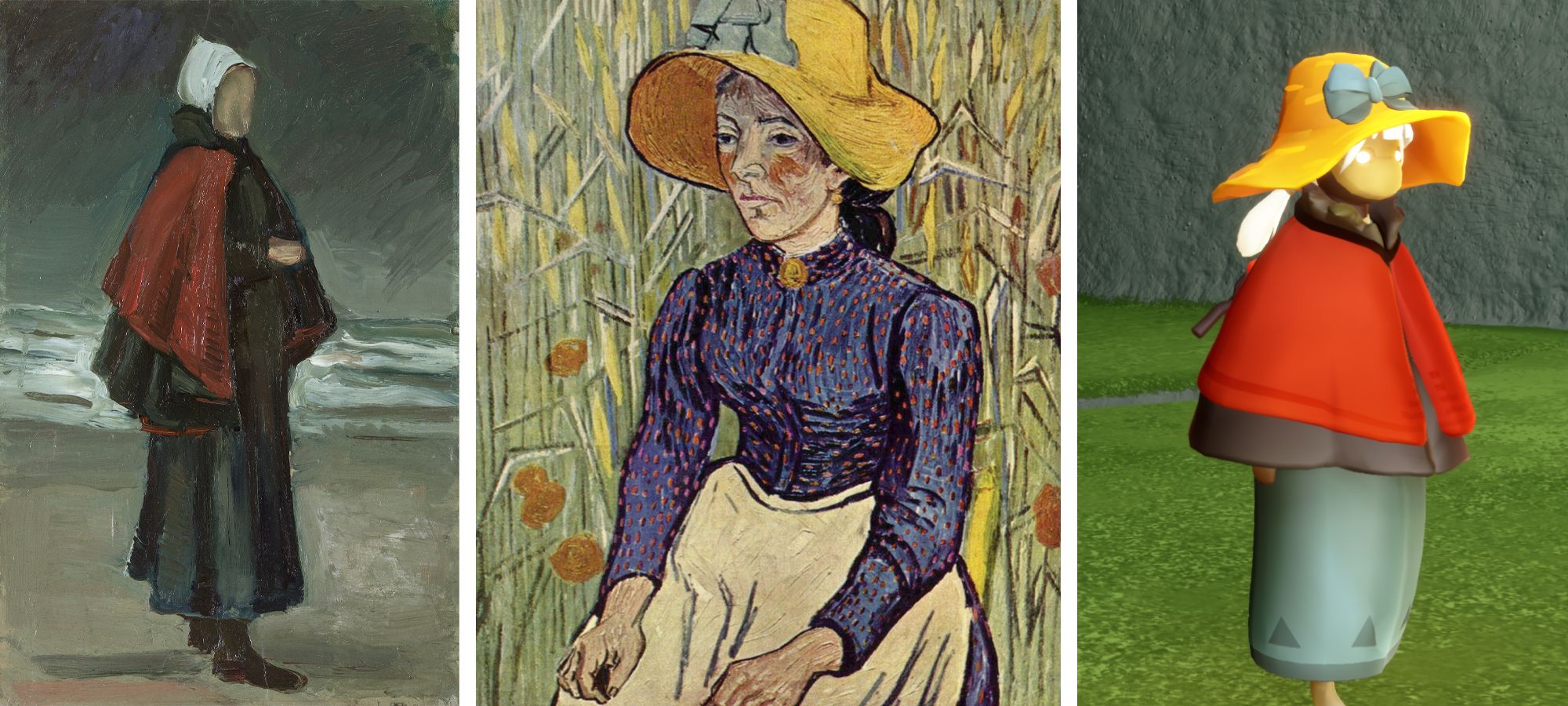
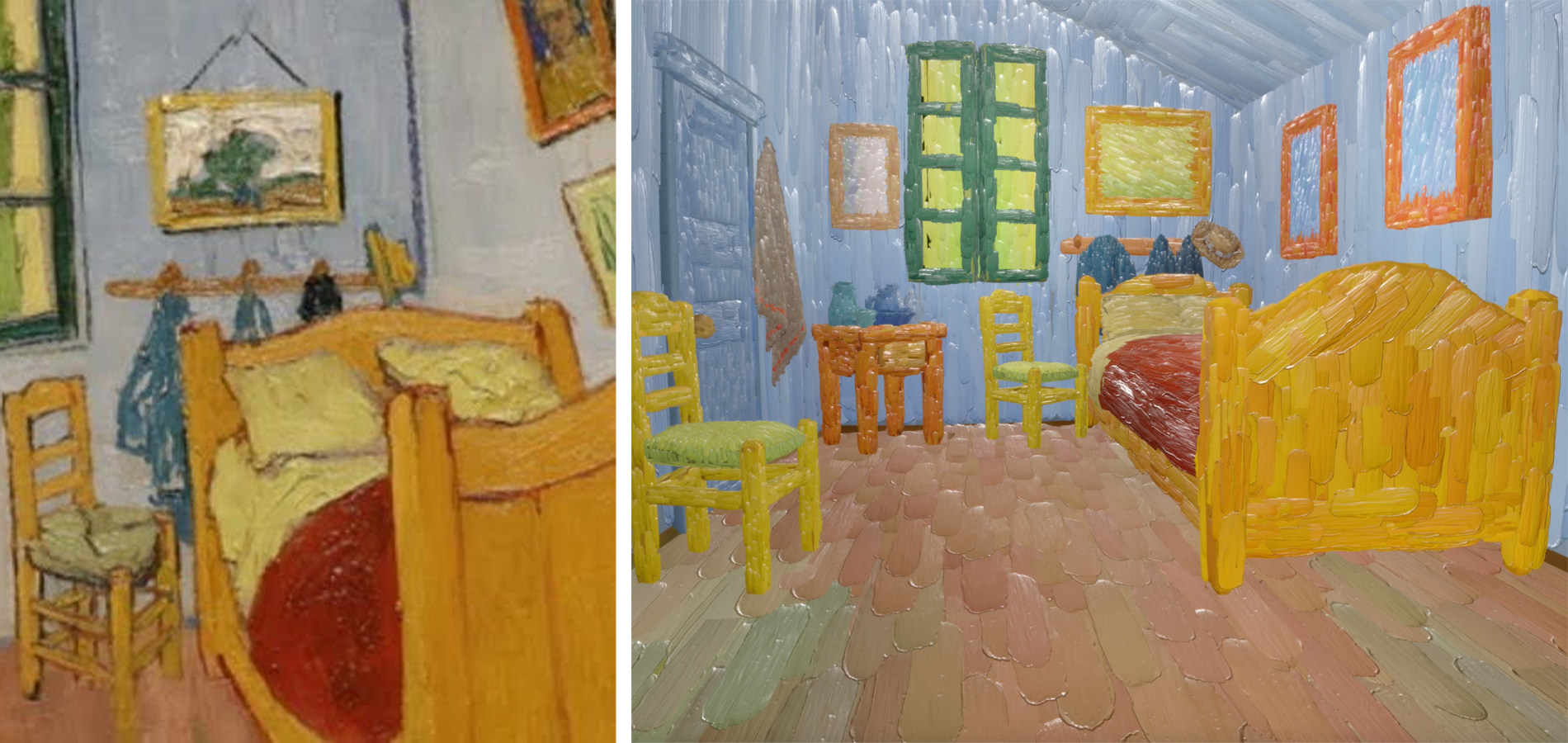
This led to the development of a proprietary brushstroke system. Graphics engineers and 3D environment artists collaborated to create a toolset that allowed artists to manipulate the color, thickness, and scale of "strokes" applied to 3D geometry. To make these digital textures feel like genuine oil paint, the team implemented a "museum light" feature. This simulates the way real paint catches the light in a gallery setting, creating highlights and shadows on the thicker, raised textures of the digital models. Furthermore, the team incorporated a gyro-based effect, where highlights shift as the player tilts their device, providing a tactile, responsive depth that is unique to the medium of gaming.
Chronology: From First Brushstroke to Final Masterpiece
The development of the "Dear Van Gogh" season was far from linear. The team’s journey began with the daunting task of selecting which paintings could support gameplay. While landscapes like the wheat fields were natural candidates, the team faced significant challenges with more static or complex compositions.
- Phase 1: Research and Validation. To ensure accuracy, the team moved beyond digital references. They dispatched researchers to major institutions, including museums in Europe and the Museum of Modern Art (MoMA) in New York, to photograph original works. These high-fidelity photos were used to color-correct the digital assets, ensuring the 3D environments mirrored the exact vibrancy of Van Gogh’s original vision.
- Phase 2: Architectural Reconstruction. For scenes like Van Gogh’s famous bedroom in Arles, the team did not rely solely on the painting. They researched the period-accurate architecture of the region to fill in the gaps, building out the surrounding town to make Arles feel like a living, breathing place.
- Phase 3: The "Single Version" Delivery. In a significant departure from Sky’s traditional episodic release schedule, Creative Director Jenova Chen pushed for a "single version" delivery. This necessitated a complete overhaul of the studio’s internal workflow. By splitting production into parallel milestones and tracking dependencies with rigorous precision, the team managed to deliver the entire emotional arc of the season as a cohesive, uninterrupted experience.
Navigating the "Almond Blossoms" Challenge
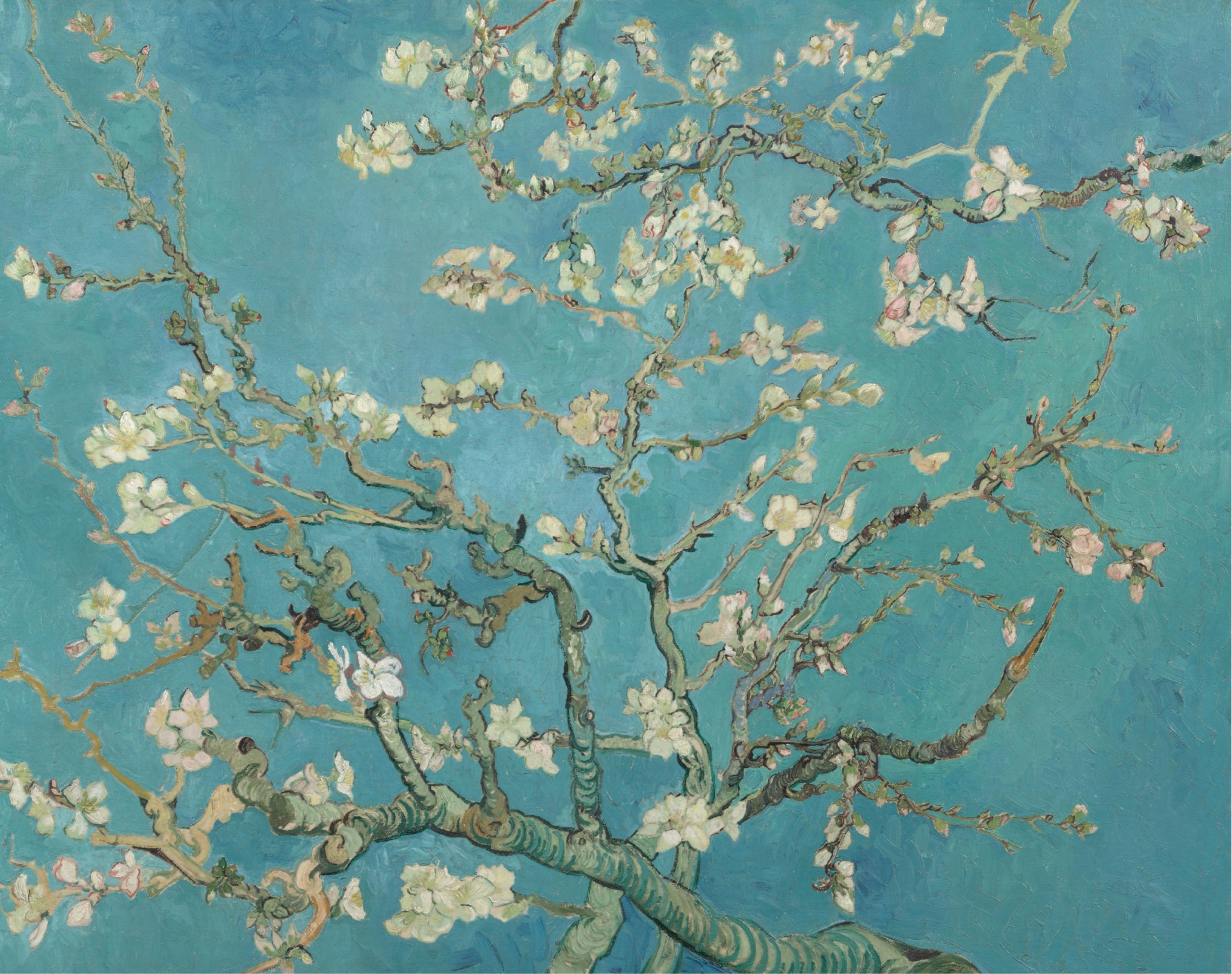
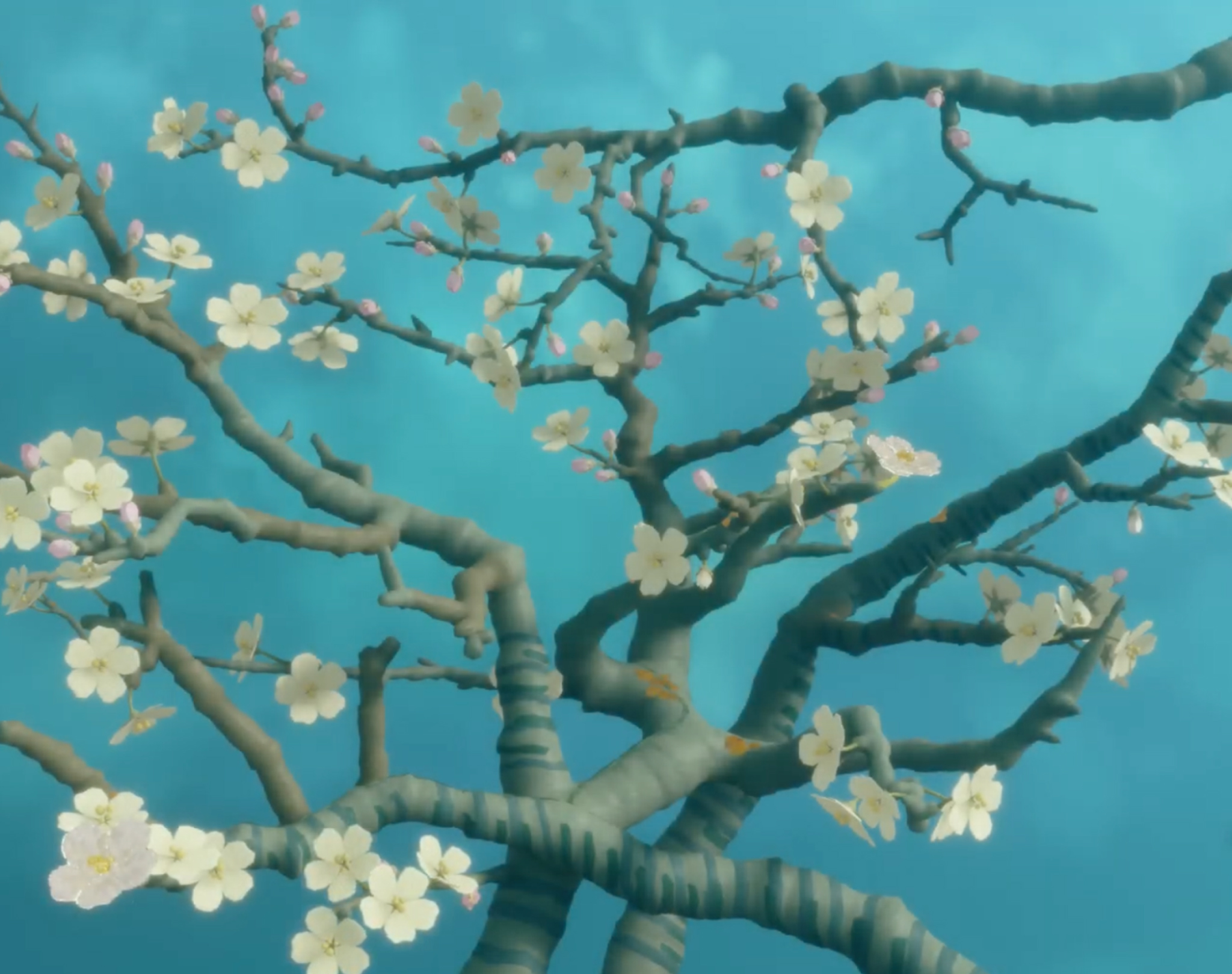
Perhaps the most prominent example of the team’s problem-solving is the level based on Almond Blossoms. The initial design goal was to allow players to platform across the branches of a giant, 3D-realized tree. However, the composition of the original painting posed a significant aesthetic hurdle.
The team realized that adding multiple branches to accommodate gameplay mechanics would clutter the scene, detracting from the "poetic quality" that defines the original work. After many rounds of testing, the solution was as artistic as it was functional: the team added a subtle branch in the center of the sky, with its end hidden behind the clouds. This allowed for the necessary gameplay navigation without compromising the visual integrity of Van Gogh’s composition.
Official Perspectives: Translating Life into Symbolism
One of the most critical aspects of "Dear Van Gogh" is how the game handles the darker elements of the artist’s life. Rather than including explicit depictions of Vincent’s struggles, the team opted for symbolism. Crows, a recurring motif in Van Gogh’s final works, serve as a narrative device for his internal turmoil.
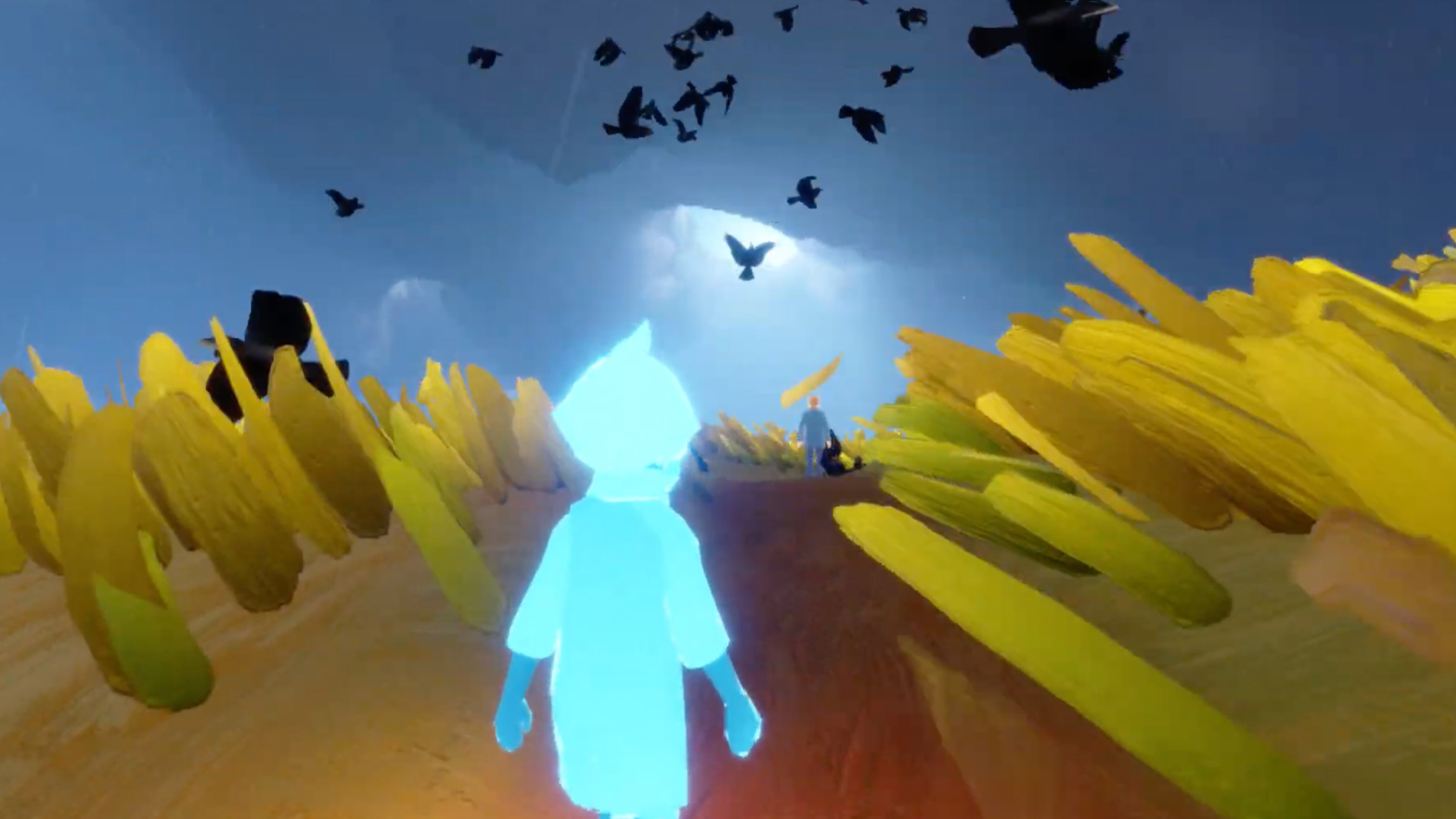
"We didn’t want to add a character or create a story that would change what actually happened in Van Gogh’s life," says Lu. This is why players enter the world as "spirit-shaded" entities—observers of his life rather than participants in it. This design choice reinforces the idea that the player is witnessing, not altering, history.
The team also developed two specific, interactive roles to ground the narrative:
- The Postman: Players deliver letters between Vincent and his brother, Theo. These sequences change in tone—from peaceful river deliveries in Arles to struggling against harsh winds in Saint-Rémy—to mirror the emotional state of the artist during those periods.
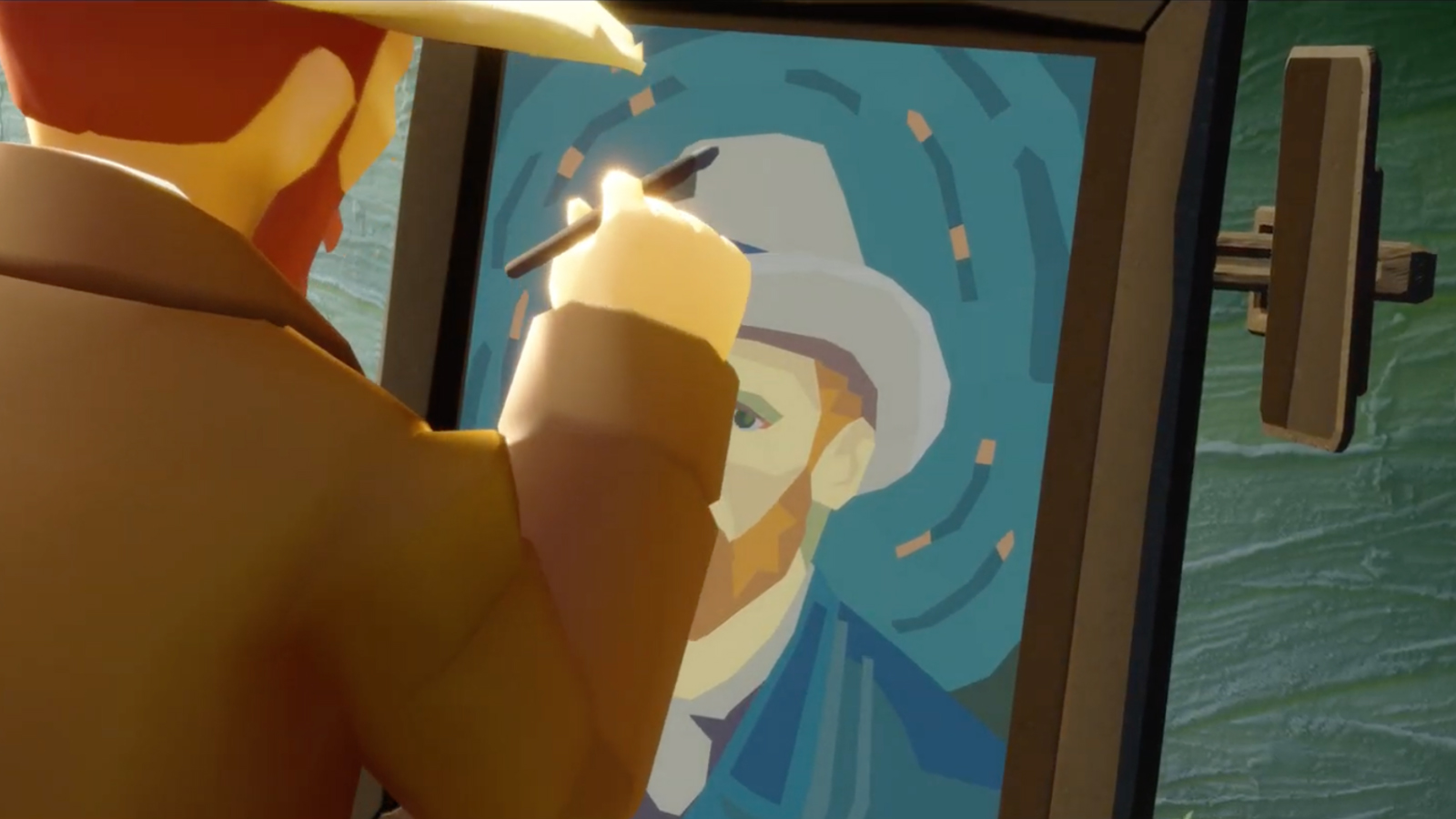
- The Brush: Players effectively become the artist’s hand, filling in sketches, adding color, and completing textures, allowing them to feel the process of creation firsthand.
The Unsung Hero: Johanna van Gogh-Bonger
A significant portion of the project’s emotional core is dedicated to Johanna van Gogh-Bonger, Theo’s wife. As the person responsible for preserving and publishing the brothers’ letters, her contribution to Vincent’s legacy is often overlooked.
"She’s one of the reasons we know Vincent van Gogh today," Lu notes. In the game, Johanna acts as a guide within the gallery, leading players through the stages of Vincent’s life. By highlighting her commitment and perseverance, thatgamecompany has provided a more holistic view of the artist’s story, shifting the focus from the myth of the "tortured genius" to the communal effort of those who loved and supported him.
Implications for the Future of Digital Art
The success of the "Dear Van Gogh" season—with high player engagement and positive critical reception—suggests that there is a vast, untapped audience for "art-first" gaming experiences. By treating paintings not just as background assets but as foundational blueprints for 3D environments, thatgamecompany has demonstrated that games can serve as a new kind of museum—one that you don’t just view, but inhabit.
The finale, centered on the Starry Night, serves as the ultimate proof of concept. As millions of players descend upon the sky to light it up, they effectively collaborate to complete the painting in real-time. It is a moment that perfectly synthesizes the studio’s design philosophy: visuals, narrative, and social interaction converging to create a shared, emotional, and deeply human experience.
As the gaming industry continues to evolve, the lessons learned during the production of "Dear Van Gogh"—particularly the efficiency of parallel production and the power of symbolic storytelling—will likely influence how developers approach historical and artistic subject matter in the future. By respecting the source material while embracing the unique affordances of interactive media, thatgamecompany has not only honored Van Gogh’s legacy but has also set a new standard for how we experience art in the digital age.