Beyond the Five-Star Resort: The Evolution of Corporate Incentive Travel in an Era of Over-Excellence

By Industry Insights Desk
Published in partnership with EventMobi’s "How to Run Your Best Event, Ever" series
Main Facts
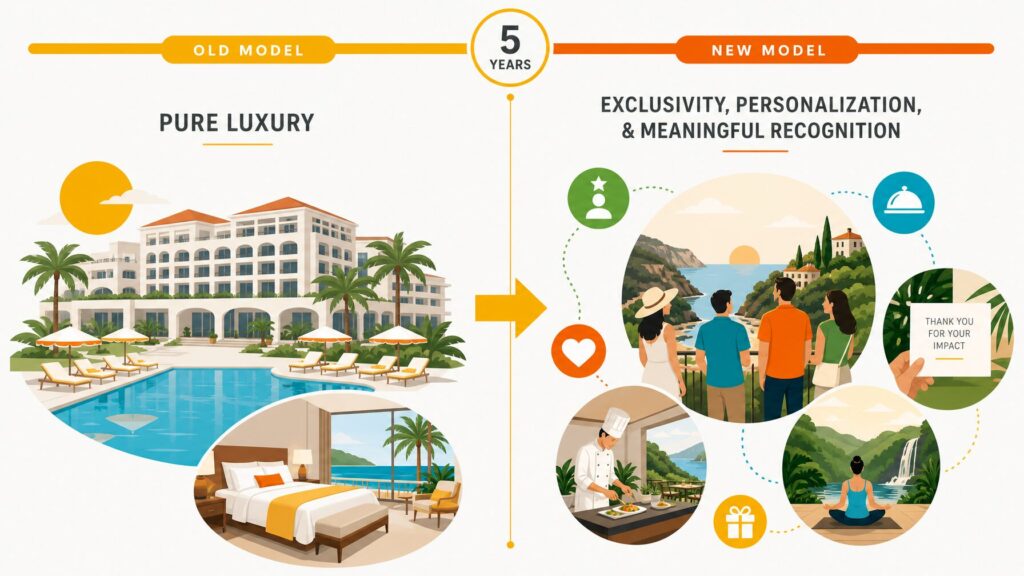
Corporate incentive travel has undergone a profound structural transformation over the past five years. Once defined primarily by extravagant budgets, five-star luxury accommodations, upgraded suites, and singular "wow" moments, the modern incentive trip must now operate on an entirely different plane of execution.

According to industry veteran Amy McCollum, Vice President of Program Management at metroConnections, today’s top-performing corporate earners are exceptionally well-traveled individuals who possess the financial means to book luxury vacations independently. Consequently, traditional markers of luxury—such as high-end hotels, sweeping ocean views, and lavish destination backdrops—no longer serve as effective motivators on their own.
Instead, the benchmark for a world-class incentive trip has shifted toward unreplicable exclusivity, deep personalization, and meaningful peer recognition. Modern incentive management requires meticulous behind-the-scenes engineering, invisible duty-of-care protocols, and a hyper-focus on the individual human beings who earned the reward.

Chronology of an Incentive Evolution: From Extravagance to Intention
To understand how corporate incentive programs reached their current state, planners must look at the shifting priorities of corporate workforces over the last decade:
- Pre-2020 (The Era of Pure Luxury): Incentive trips focused heavily on destination prestige. Success was measured by the star rating of the resort, the scale of the gala dinner, and the inclusion of a massive, headline-grabbing celebrity appearance or spectacle.
- The Post-Pandemic Shift (The Rise of Wellness and Flexibility): As global travel resumed, attendees placed a higher premium on health, personal time, and curated experiences. Standard one-size-fits-all itineraries began to alienate participants who valued individualized pacing over packed group schedules.
- Present Day (The Era of Invisible Infrastructure and Micro-Personalization): Today, luxury is merely an expected baseline. The defining features of top-tier incentive programs are pre-trip physical-digital momentum touch points, seamless risk management, localized and inclusive gifting strategies, and intentional recognition that resonates with both winners and their partners.
Supporting Data and Strategic Insights
Planning an incentive program for hundreds of high-achieving sales representatives, executives, and top performers requires a sophisticated blend of logistical precision and creative restraint. Drawing from nearly two decades of operational experience at metroConnections—where incentive trips account for approximately one-third of all managed events—Amy McCollum outlines several core operational pillars:
1. Merging Physical and Digital Touch Points
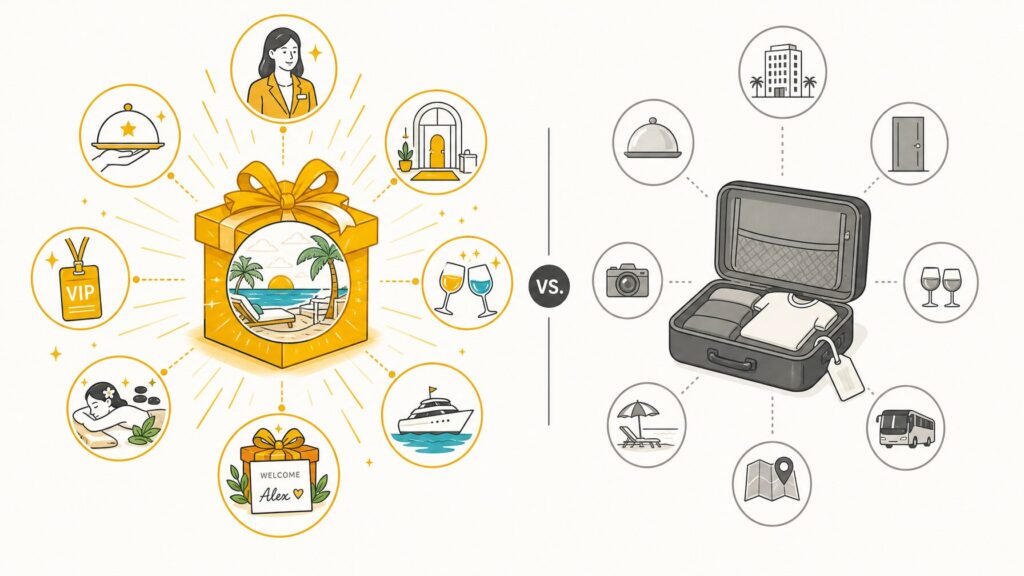
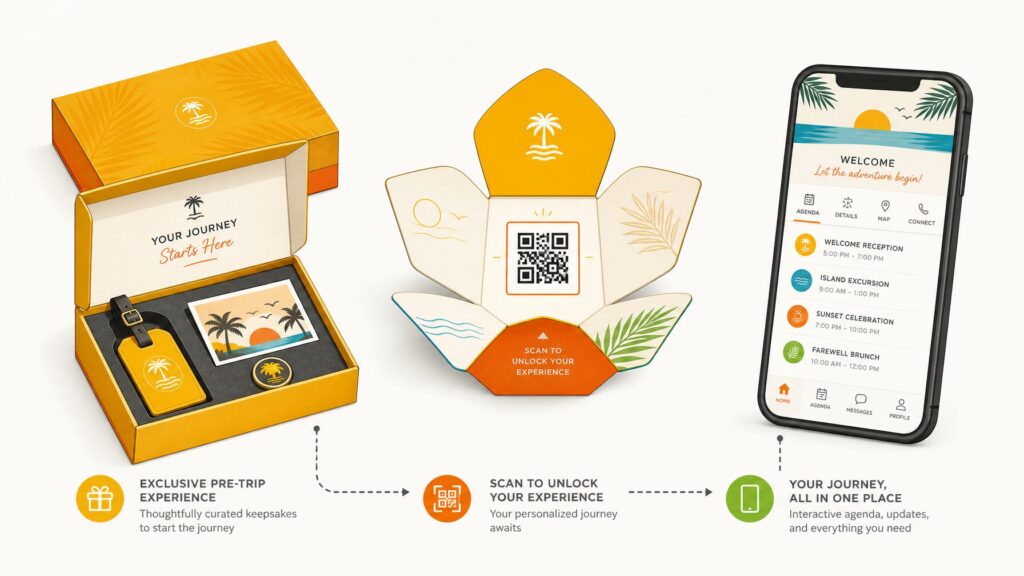
The lifecycle of an incentive trip should extend far beyond the days spent on the ground. To build anticipation and maintain momentum, leading planners utilize thematic pre-trip and post-program mailers.
- Case in Point: For a corporate trip to Greece, organizers shipped curated boxes featuring Greek tile coasters, authentic sangria recipes, and branded insulated wine tumblers.
- Digital Integration: Modern mailers frequently incorporate interactive design elements—such as a fold-out card featuring a QR code that connects attendees directly to a mobile event app. This provides real-time access to agendas while offering planners the flexibility to pivot schedules dynamically in response to time changes or logistical shifts.
2. Micro-Personalization at Scale
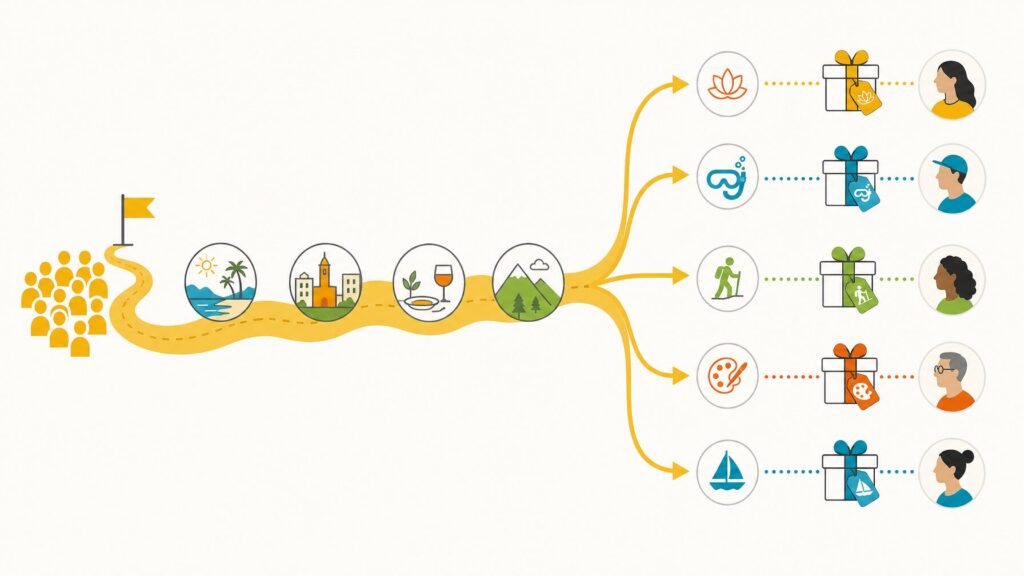
Managing a trip for hundreds of high performers does not mean building hundreds of separate itineraries. Rather, it relies on capturing nuanced preferences during registration and executing thoughtful, small-scale variations.
- Example: On a recent wine-country incentive trip, organizers recognized that a small percentage of attendees did not consume alcohol. Instead of dropping standard bottles of wine into their hotel rooms—a missed opportunity for connection—planners delivered customized mocktail kits paired with premium sparkling water enhancements. This ensured non-drinkers felt equally valued and recognized.
3. The Art of the Invisible Safety Net
Duty-of-care planning has grown increasingly critical as companies dispatch their most valuable assets across the globe. According to McCollum, the cardinal rule of risk management is invisibility: if attendees notice the safety net, something has already gone wrong.
- Vetting must extend beyond the host hotel to encompass every touch point along the traveler’s journey, from airport transit to offsite excursions.
- Contingency protocols must account for property-wide power outages (e.g., packing portable microphone packs for emergency announcements) and multi-lingual visual/audio emergency messaging systems.
Official Responses and Expert Perspectives
Reflecting on the philosophy that drives successful corporate travel programs, Amy McCollum emphasizes that the core objective must never drift from the people the trip is designed to honor:
"Today’s top performers are well-traveled, and a lot of them can book their own luxury resort. What they can’t replicate is that behind-the-scenes, exclusive experience, and the meaningful recognition, in front of their peers, leadership, and a significant other, that feels intentionally designed for them."
McCollum also issues a stark warning against the "pursuit of more"—an industry trap where planners continuously chase bigger spectacles, louder celebrity acts, and heavier production budgets without evaluating core objectives:
"The one thing to never do is lose sight of who the trip is for. It’s easy for a program to drift toward what executives, planners, or trends want, but every decision should come back to what makes the experience more meaningful for the top performers who earned it and their guests."
Furthermore, McCollum highlights common pitfalls in offsite activity management, citing past experiences where whale-watching excursions in Monterey went awry because guests skipped motion-sickness medications, or where overzealous athletes sidelined themselves during casual beach volleyball matches. The remedy, she notes, is transparent, proactive risk communication: never assume adults will intuitively recognize their own physical limitations while traveling.

Implications for Corporate Planners and Business Leaders
The transition from extravagant sightseeing to intentional, human-centric incentive travel carries significant implications for corporate balance sheets and human resource strategies:
- Redefining Return on Investment (ROI): Businesses must align incentive travel strategies directly with underlying performance metrics—such as sales growth, employee retention, and customer satisfaction. Treating the trip as an isolated vacation rather than the culminating chapter of a year-long performance cycle limits its long-term organizational impact.
- Challenging Historical Habits: Organizations must resist the temptation to repeat past itineraries simply because "it has always been done that way." Regular program audits ensure that destinations, activities, and recognition formats remain relevant to evolving demographic groups.
- Elevating Strategic Partnerships: Third-party event management agencies are no longer hired merely to book rooms and ground transportation. Their true value lies in acting as strategic consultants who can navigate complex global risk landscapes while crafting deeply personal, emotionally resonant moments for corporate achievers.
As companies look toward future incentive cycles, the mandate is clear: true luxury is no longer found in the price tag of a destination, but in the thoughtfulness of the design, the exclusivity of the access, and the genuine resonance of the recognition.