
Beyond the Funnel: Why Modern Brands are Adopting the "Proof of Reality" Flywheel

The traditional social media marketing funnel—once the gold standard for digital strategy—is showing its age. For decades, marketers operated under the assumption that a customer’s journey was a predictable, linear path: awareness, interest, consideration, and finally, conversion. In this model, brands pushed content down a narrow pipe, hoping to catch consumers at the end of the line.
However, the modern consumer journey has shattered this framework. Today, buying behavior is erratic, fragmented, and heavily influenced by a decentralized web of peer-to-peer validation, AI-driven discovery, and social search. To stay relevant, brands are moving away from the static funnel and toward the "Proof of Reality Flywheel"—a dynamic, self-sustaining model that turns engagement into compounding momentum.

Main Facts: The End of Linear Marketing
The central crisis facing today’s marketers is a profound trust deficit. As feeds become increasingly saturated with AI-generated content, consumers are developing a sophisticated "authenticity filter." They no longer rely solely on polished, brand-controlled messaging. Instead, they cross-reference information across TikTok, Reddit, private DMs, and AI answer engines.
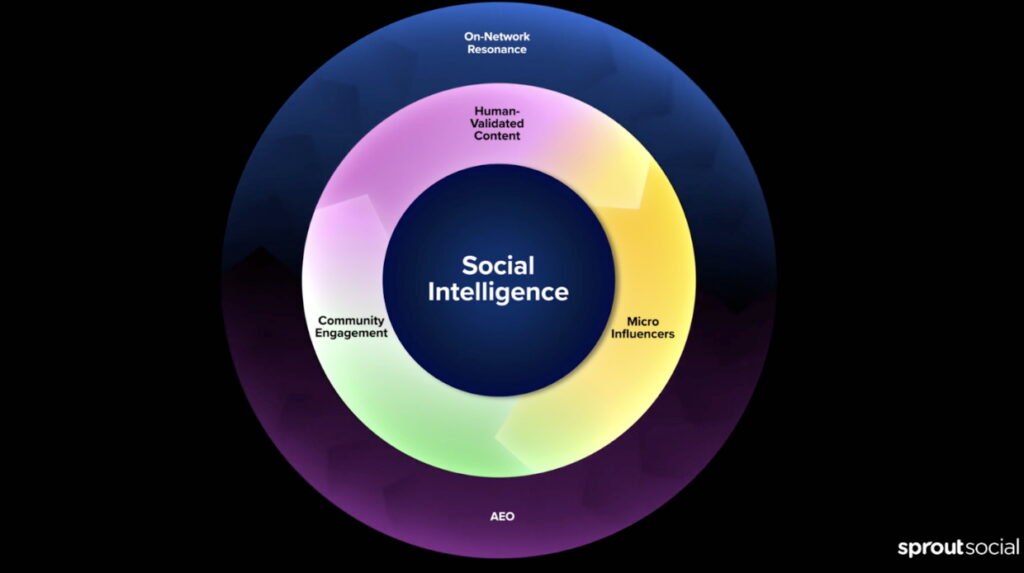
The "Proof of Reality" model posits that attention is no longer a finite resource to be captured and funneled; it is a renewable resource to be cultivated. In this system, every piece of engagement—a share, a save, or a mention—serves as fuel for the next cycle. By prioritizing social intelligence and human-validated content, brands can create an ecosystem where authority, visibility, and trust build upon one another, regardless of where the customer enters the journey.
The Chronology of Change: How We Got Here
To understand the necessity of the flywheel, we must look at the evolution of consumer behavior over the last five years.
- The Early 2020s: Social media was primarily a broadcast channel. Brands used paid ads to push users toward a website. The linear funnel was effective because the platforms controlled the reach.
- 2024–2025: The rise of interest-based algorithms and "dark social" (DMs, group chats) began to obscure traditional tracking metrics. Brands realized that public engagement was only showing a fraction of the story.
- 2026 (The Current Landscape): The integration of AI into search engines (AEO) and the proliferation of AI-generated content have made trust the primary currency. Consumers now demand "proof of reality"—evidence that real humans are actually using, discussing, and recommending a product.
Supporting Data: Why the Traditional Funnel is Leaking
Data from Sprout Social’s Q2 2026 Pulse Survey confirms that the traditional funnel is failing to account for modern discovery paths:

- Fragmented Search: While traditional search engines remain popular, 21% of all searches now originate on social media platforms. Among younger demographics, this percentage is significantly higher.
- The AI Trust Gap: 83% of consumers encounter AI-generated content on social media, with 56% seeing it "often" or "very often." This has created a heightened skepticism toward generic, automated content.
- Cross-Functional Gaps: Despite the clear shift in consumer behavior, only 36% of professionals report that their social intelligence regularly informs decisions outside of the marketing department. This creates a dangerous siloing effect where product and customer service teams remain disconnected from the realities of the market.
Official Perspectives: Shifting the Paradigm
Industry experts argue that the shift to a flywheel is not just a tactical change, but a structural necessity. Unlike the funnel, which ends at conversion, the flywheel incorporates loyalty and advocacy as the final stage that feeds back into the top.
"The traditional funnel treats audience attention as a finish line," says a spokesperson for the industry shift. "The Proof of Reality Flywheel treats it as a beginning. It recognizes that in an era of AI-generated noise, human-validated content is the only way to earn genuine trust."
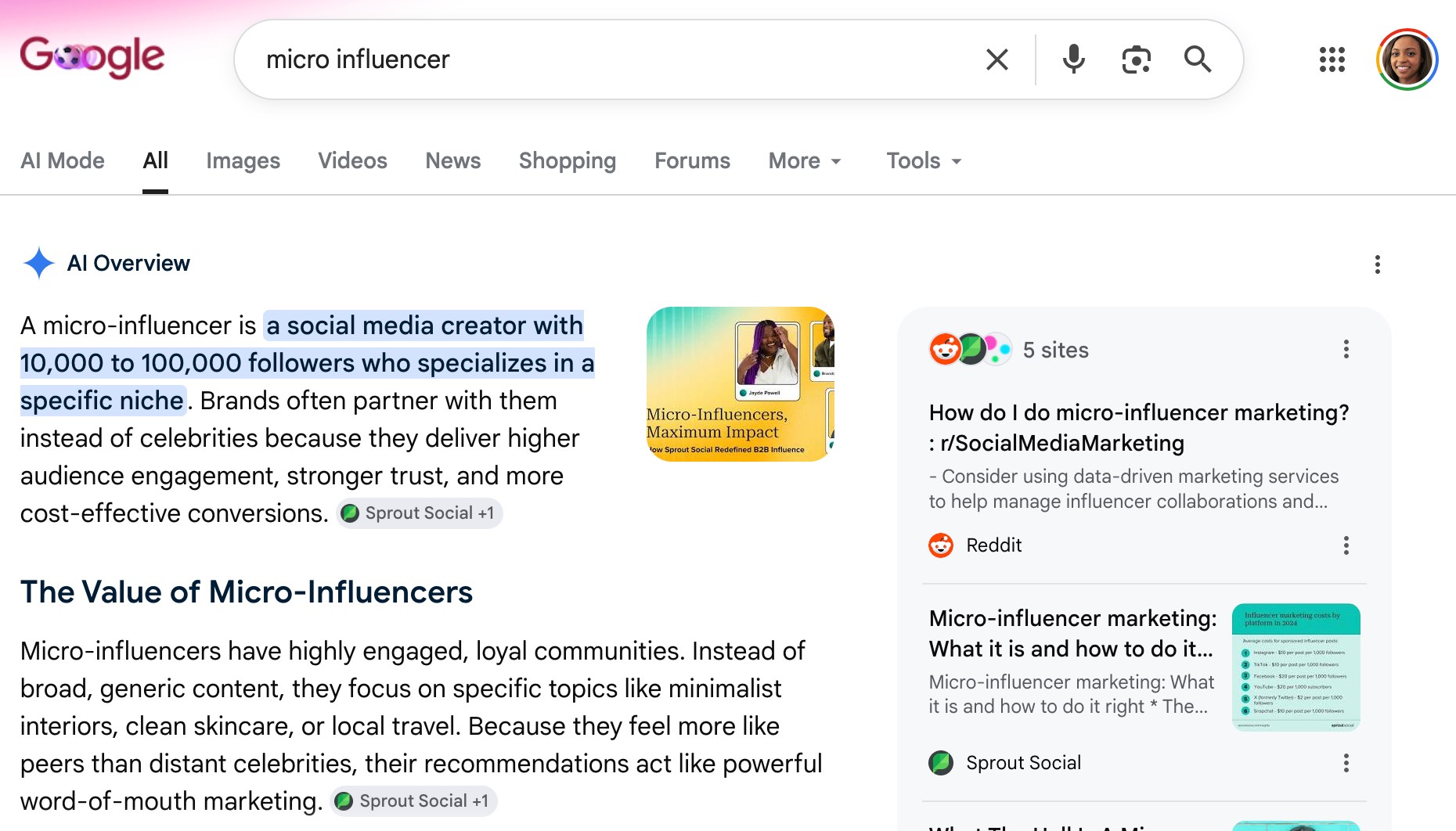
By shifting focus from "single-touch conversion" to "compounding authority," brands are finding that their social media efforts become more efficient over time. When a brand participates in a Reddit thread or partners with a micro-influencer who deeply understands a niche, that effort lives on in search results and AI-driven summaries, providing long-term value that a paid ad cannot replicate.
Implications for Modern Strategy
Transitioning to a flywheel approach requires a fundamental audit of how a company handles social data and content creation.
H3: Redefining Social Intelligence
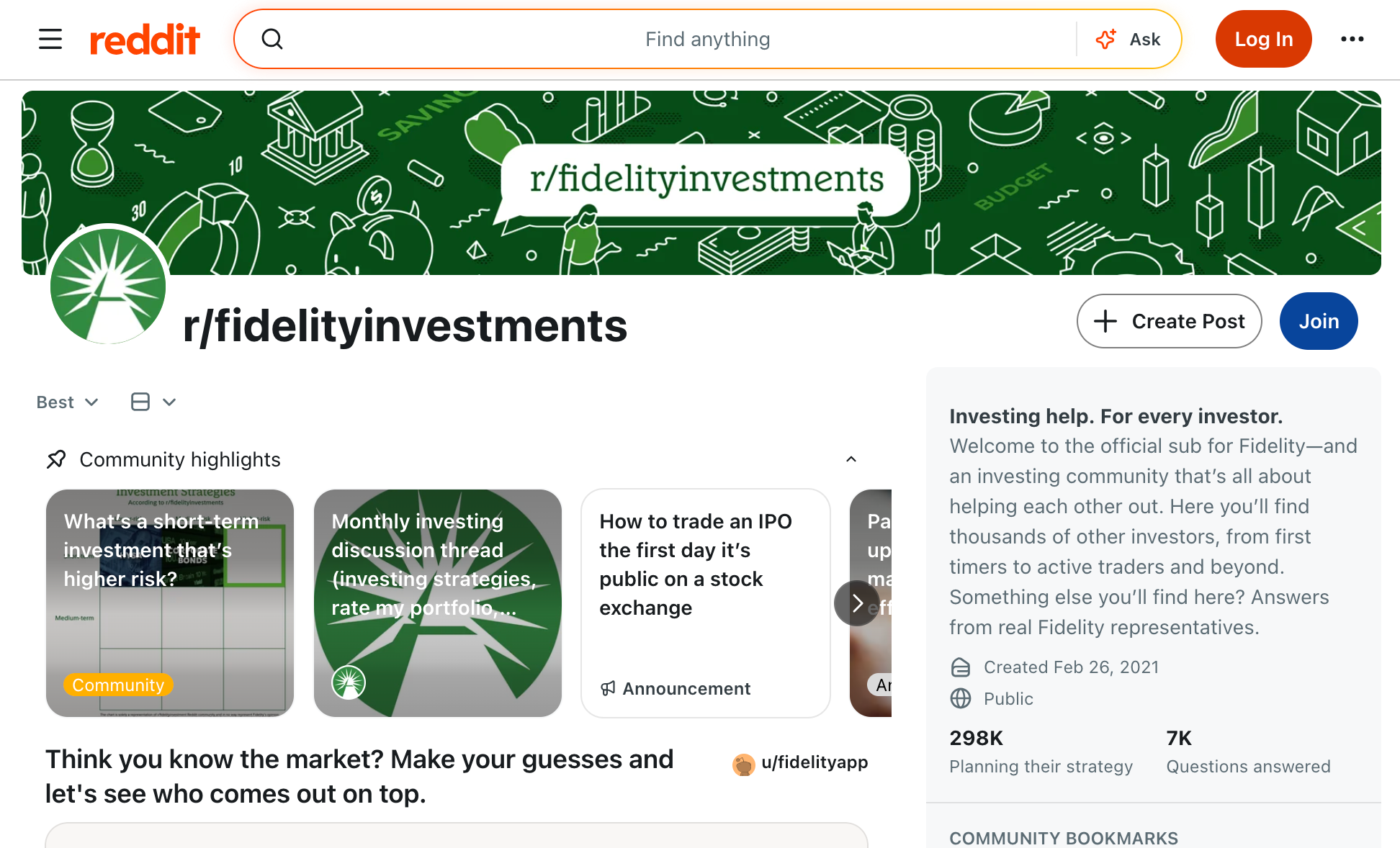
Social intelligence is no longer just about sentiment analysis; it is the "core engine" of the flywheel. Brands must move from reactive monitoring to proactive intelligence gathering. This involves analyzing the questions being asked in niche communities and using those insights to shape the brand’s product roadmap, customer support scripts, and content strategy.
H3: The Shift to Human-Validated Content
To combat the deluge of AI content, brands must prioritize "human-validated" assets. This includes behind-the-scenes footage, authentic tutorials, and expert commentary that feels native to the platform. The goal is not high-gloss production, but high-value utility. If the content answers a specific, nagging question, it is more likely to be picked up by AI discovery tools, further embedding the brand in the digital landscape.

H3: Mastering AI Discovery (AEO)
With the advent of AI answer engines (like ChatGPT or Google’s AI Overviews), the way people "search" is changing. Instead of looking for keywords, they are looking for answers. By creating content that addresses these queries—and ensuring that content is validated by community engagement—brands can ensure they are the ones cited by AI when a consumer asks for a recommendation.
H3: Building Influence Networks
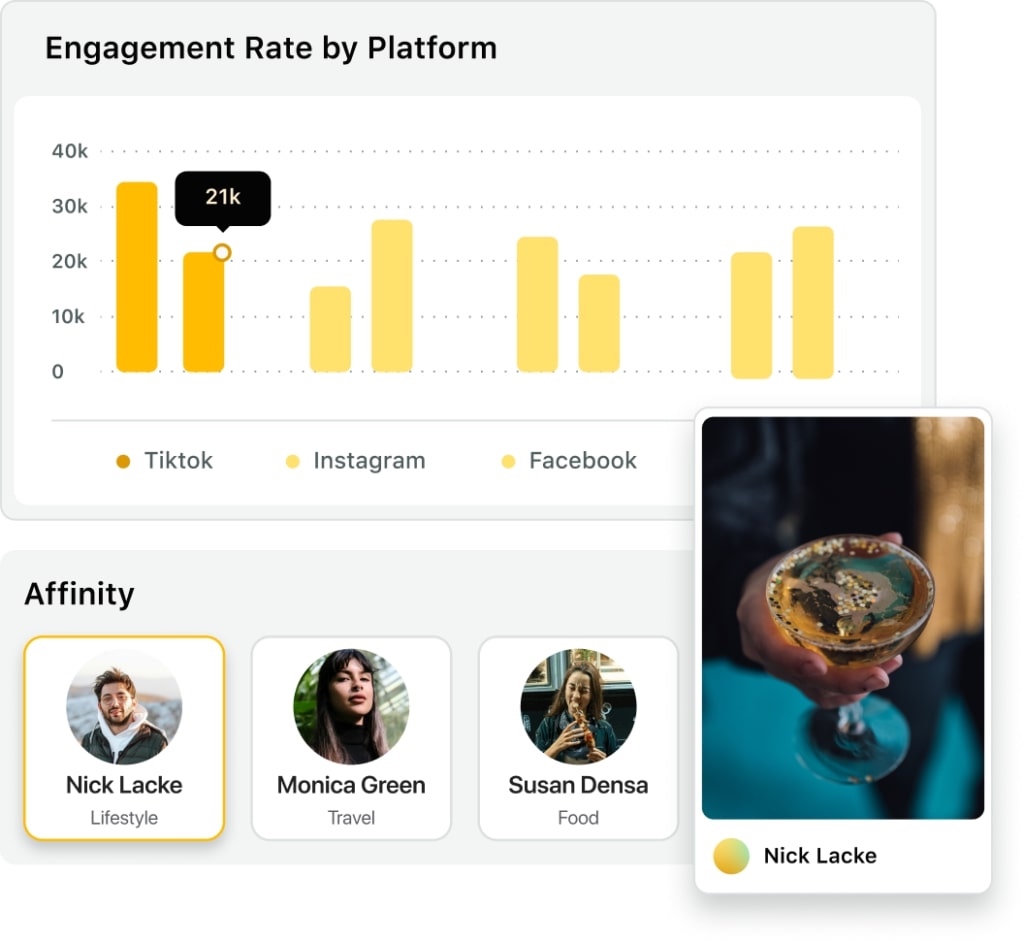
Influence is no longer just about the number of followers a creator has. It is about "topical relevance." The most effective influencers today are those who operate within specific, trusted sub-communities. By partnering with these individuals, brands gain access to established trust circuits. Whether it is a Reddit expert or a niche TikTok creator, these partnerships serve as the bridge that moves a potential buyer from awareness to genuine consideration.
Conclusion: Sustaining the Momentum
The move from a funnel to a flywheel is an acknowledgement that the customer journey is no longer a straight line. It is a messy, circular, and highly social process.
To thrive in this environment, businesses must stop viewing social media as a megaphone for their own messages and start viewing it as a listening post for the market. By fostering social intelligence, producing content that passes the "authenticity filter," and engaging with relevant influence networks, brands can create a self-sustaining system.
The "Proof of Reality" is not just a marketing concept; it is the requirement for survival in the age of AI. Brands that successfully integrate these stages will find that their visibility grows, their authority compounds, and their conversion rates become a natural byproduct of a brand that people actually trust. The flywheel is always moving—the only question is whether your brand is providing the fuel to keep it turning.