Beyond the Hardware: Why Strategic Pre-Production is the True Engine of Event Success

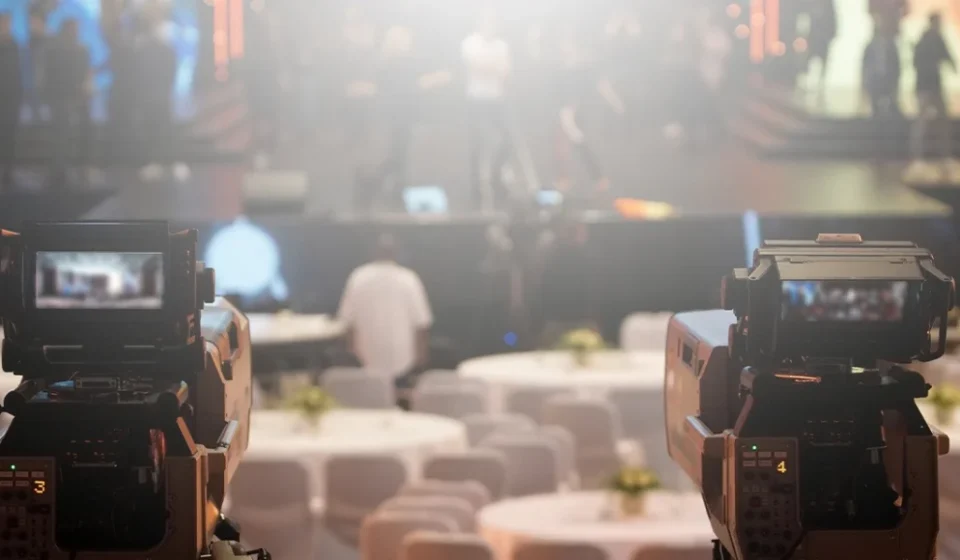
When a keynote speaker hits their mark, the lighting shifts perfectly to mirror the mood of the presentation, and the audio remains crisp and intelligible, the audience experiences a moment of seamless magic. To the attendees, this is the hallmark of a successful event. However, for the veteran meeting planner, this "magic" is actually the result of thousands of invisible, deliberate choices made months—or even years—before the doors ever opened.
As the meetings and events industry navigates an era of unprecedented complexity, the role of audiovisual (AV) support has undergone a seismic shift. No longer is it enough to simply secure a vendor to deliver equipment; today’s high-stakes environment demands a strategic partner capable of mitigating risk, managing complex logistics, and ensuring that the technology serves the broader narrative. In this landscape, the difference between a soaring success and a costly disaster is often found in the work that no one ever sees: pre-production.
The Evolution of Event Production: From Hardware to Strategy
Historically, event production was viewed through a transactional lens. Planners would draft a "wish list" of hardware—LED walls, projectors, line-array speakers, and intelligent lighting packages—and compare bids from various vendors. While equipment is undeniably vital, modern production has evolved into a strategic discipline.
"When evaluating AV proposals, it is natural to focus on the tangible," notes Tina Luppino, President and CEO of The AV Firm®. "But technology alone is merely a tool. Without a cohesive strategy, the best hardware in the world can still result in a disjointed attendee experience."
The shift toward strategic partnership means that the most effective production teams now begin their work by asking questions that have nothing to do with equipment. They inquire about the overarching business objectives, the desired emotional takeaway of the audience, and the potential pain points of the venue. By prioritizing these strategic pillars, technology is relegated to its proper place: as the enabler of the vision, not the sole focus of the conversation.
The Invisible Architecture: A Chronology of Success
To understand how a flawless event is constructed, one must look at the "invisible" timeline of production. The journey from concept to execution is a rigorous process that requires precision long before the first road case is opened on the loading dock.
Phase 1: The Discovery and Conceptualization
Months before the event, the focus is entirely on alignment. Production partners work with planners to audit venue feasibility, analyze sightlines, and confirm that the creative vision is technically achievable within the building’s power and rigging limitations. This is the stage where potential conflicts—such as scheduling bottlenecks or bandwidth limitations—are identified and solved on paper.
Phase 2: The Technical Infrastructure Design
Once the concept is locked, the technical architecture begins. This involves complex CAD drawings, signal flow diagrams, and labor scheduling. It is here that the "invisible" work begins to pay dividends. By simulating the technical requirements, teams can predict potential failure points in the internet infrastructure or the logistical flow of the presenter’s walk-on path.
Phase 3: The Pre-Production "Build"
This is the phase most frequently misunderstood by stakeholders. Pre-production is not a line item for extra hardware; it is the labor-intensive process of testing systems, programming show cues, and coordinating the multifaceted teams that will operate the show. It is the rehearsal of the logistics, ensuring that when the event goes live, the team is reacting to the audience, not to malfunctioning equipment.
Phase 4: Onsite Execution and Post-Mortem
The final phase is the show itself. Because of the rigor applied in the previous three phases, the onsite experience becomes "calm by design." The final step, often overlooked, is the post-event debrief, where data—such as attendee engagement metrics and technical performance reports—is analyzed to inform future strategy.
Supporting Data: The ROI of Proactive Planning
The argument for robust pre-production is not just aesthetic; it is fiscal. Many planners fear that investing in pre-production management adds unnecessary costs to the budget. However, industry data consistently suggests that the opposite is true.
The Cost of Reaction vs. The Value of Prevention
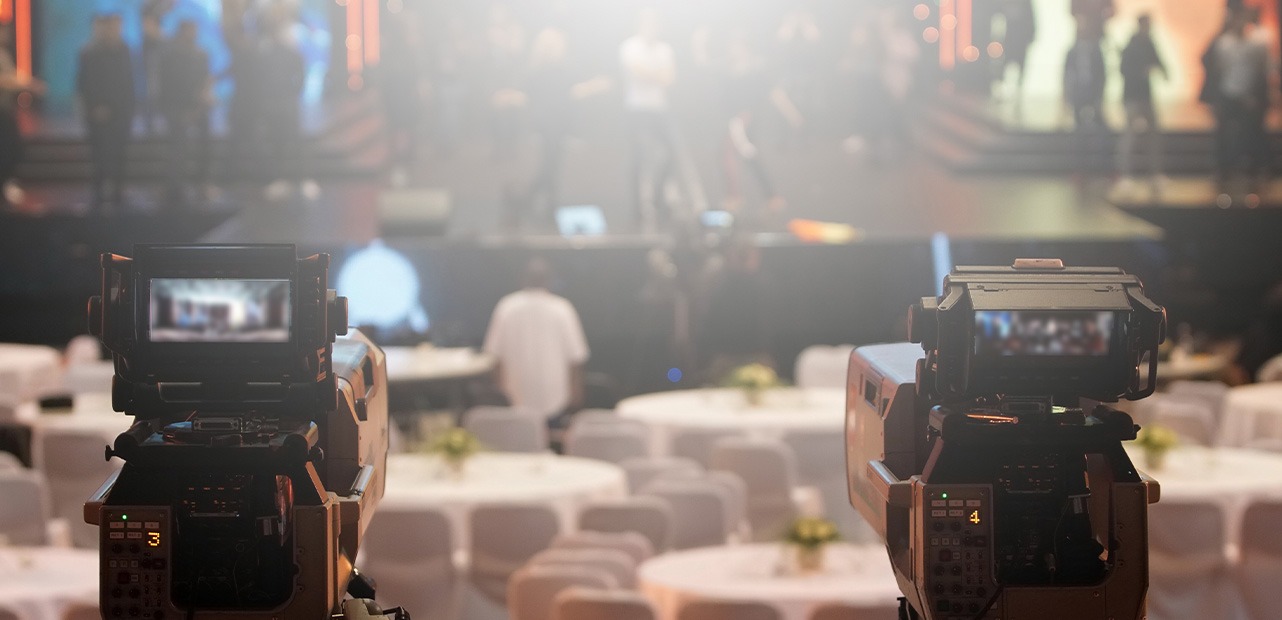
When planning is rushed, the "cost of reaction" takes over. This includes:
- Emergency Labor Costs: Overtime pay for crew fixing issues that should have been caught in testing.
- Expedited Shipping: The high cost of flying in replacement gear last-minute.
- Operational Downtime: The lost productivity of presenters or staff who cannot rehearse due to technical delays.
By investing in pre-production, planners avoid these "emergency premiums." When the infrastructure is vetted, planned, and simulated in advance, the budget remains predictable. The return on investment is not measured in "more gear," but in the costly problems that never had the chance to occur.
The Leadership Layer: Who Builds the Experience?
A common misconception is that the "production team" consists solely of the technicians seen operating consoles on the day of the show. In reality, the infrastructure supporting a modern event is vast and specialized. A high-level production team includes:
- Technical Directors: The architects of the show’s digital and physical infrastructure.
- Logistics Coordinators: The masters of the loading dock, union labor, and venue relationships.
- Creative Technologists: Experts who bridge the gap between artistic vision and technical implementation.
- Broadcast and Streaming Engineers: Essential for the hybrid components that have become standard in modern meetings.
- Project Managers: The primary point of contact who ensures that every vendor—from lighting to catering—is working in concert.
These professionals represent a leadership layer that acts as a buffer between the planner and the chaotic reality of event production. Their work ensures that the attendee never sees the complexity; they only see the consistency.
Official Perspectives: The "First Lady of The AV Firm"
Tina Luppino, a pioneer in the industry, emphasizes that as event expectations rise, the margin for error shrinks. "We are asking planners to deliver more impact with less time and higher stakes," she says. "In that environment, preparation is no longer just a ‘best practice.’ It is a competitive advantage."
Luppino’s approach focuses on a holistic philosophy: the event is a living system. If one part is neglected—be it the internet bandwidth, the rigging safety, or the presenter’s comfort—the entire system is compromised. Her firm’s success is rooted in the belief that women-led, strategic production can disrupt the traditional, hardware-first model of the AV industry by putting the planner’s objectives at the center of every decision.
The Implications for Future Event Planning
As we look toward the future, the complexity of live events will only increase. With the rise of AI-driven content, augmented reality (AR) integration, and the continued demand for high-quality hybrid experiences, the "hardware-first" approach is officially obsolete.
Questions for the Modern Planner
To thrive in this new landscape, planners must vet their partners with the same rigor they apply to their budgets. Before signing a contract, they should ask:
- "What is your process for identifying potential technical risks before we step onsite?"
- "How do you handle cross-departmental coordination with venue staff and other vendors?"
- "Can you demonstrate how your pre-production phase directly protects my budget from overages?"
- "How do you ensure the technology remains subservient to the attendee experience, rather than distracting from it?"
The answers to these questions will reveal a partner’s true capability. The firms that prioritize strategy over salesmanship are the ones that will define the future of the industry.
Conclusion: By Design, Not By Chance
The best events do not happen by chance. They are the result of a rigorous, disciplined, and strategic design process. While the attendees will applaud the speaker and admire the stage design, the professional planner knows the truth: the real success of the event was built in the months of quiet, meticulous, and invisible preparation.
In a world that is increasingly noisy, the ability to create a calm, controlled, and intentional event environment is a rare and valuable skill. By shifting the focus from the equipment list to the strategic plan, planners can protect their budgets, elevate their reputation, and ensure that every event they touch is a triumph of design.