
Main Facts: The Blueprint of a Pop-Culture Icon
The Appletini—officially known as the Apple Martini—stands as one of the most recognizable and enduring contributions of the late-20th-century cocktail renaissance. Eschewing the heavy cream profile of contemporary dessert martinis like the Birthday Cake Martini, the Appletini relies on a crisp, fruit-forward tartness that balances sweetness with an assertive alcoholic kick.
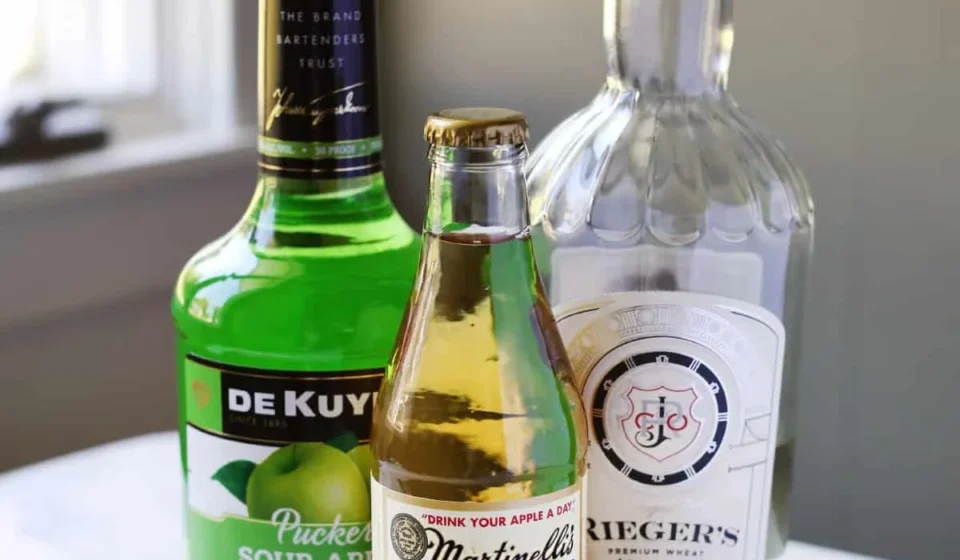
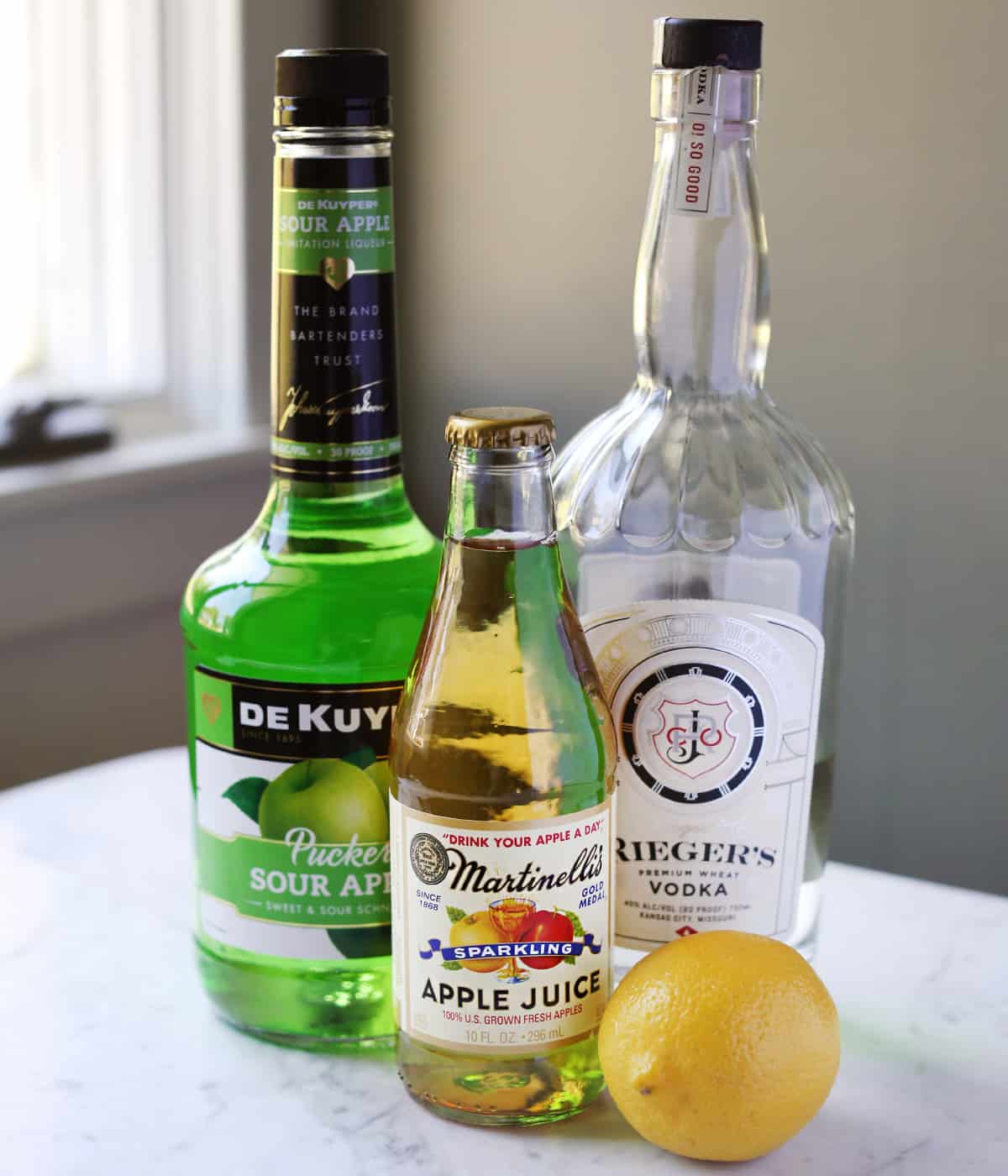
At its core, the drink is deceptively simple. Requiring just four foundational ingredients—typically vodka, sour apple schnapps, apple juice (or cider), and a splash of fresh lemon juice—it is engineered for both high-speed bar production and effortless home mixology. While purists may debate the structural integrity of affixing the word "martini" to a beverage devoid of vermouth or gin, the public has long since rendered its verdict. The Appletini is a staple, bridging the gap between sophisticated lounge culture and accessible, sweet-leaning mixology.
Flexibility remains one of the drink’s greatest assets. While standard formulations favor a clean, neutral vodka to let the vibrant green apple flavor dominate, substituting the spirit for gin introduces a more botanical and traditional martini profile. Furthermore, creative variations—such as rimming the glass with cinnamon and sugar—can lean the drink even further into the dessert-cocktail category, proving that this neon-hued concoction is as versatile as it is iconic.
Chronology: From West Hollywood Origins to Hollywood Screens
The birth of the Appletini is surprisingly well-documented, tracing back to a specific moment of accidental invention on the Fourth of July in 1995.
- July 4, 1995: At Lola’s, a trendy bar and restaurant in West Hollywood, California, representatives from Ketel One vodka approached restaurant owner Loren “Lola” Dunsworth. They were looking to collaborate on a signature vodka-forward drink to elevate the brand’s profile at the establishment.
- The Accidental Discovery: While brainstorming, Dunsworth noticed an uninspired, nearly untouched bottle of apple schnapps sitting behind the bar. Challenged to find a use for it, she asked bartender Adam Karsten to experiment with a formulation.
- The First Pour: Karsten combined the vodka, apple schnapps, and citrus elements, creating a bright green, tart-sweet cocktail that immediately resonated with patrons. Originally dubbed the "Adam’s Apple Martini," the name was swiftly shortened by eager customers to the "Appletini."
- Late 1990s–Early 2000s: The drink rapidly graduated from a West Hollywood novelty to a nationwide phenomenon. Its fluorescent green appearance and approachable flavor profile made it the poster child of the millennium-era cocktail bar.
- Pop Culture Immersion: The Appletini cemented its place in cultural history through prominent television and film appearances. Most notably, it became the signature, recurring drink of choice for the character John Dorian (played by Zach Braff) on the hit medical comedy series Scrubs. Shortly after, the beverage made a notable cameo in David Fincher’s 2010 biographical drama The Social Network, featured during a pivotal meeting between tech moguls Mark Zuckerberg and Sean Parker.
Supporting Data: Dissecting the Appletini
To understand the enduring appeal of the Appletini, one must examine its mechanical composition, preparation physics, and historical context within the broader beverage landscape.
The Standard Four-Ingredient Profile
- The Base Spirit: Standard recipes call for 1.5 to 2 ounces of vodka. The neutrality of vodka ensures that the fruit sugars and acids remain front and center.
- The Modifier: Sour apple schnapps (typically 1 to 1.5 ounces) provides both the characteristic neon green hue and the dominant tart-apple flavor profile, balancing high sugar content with heavy malic acid flavoring.
- The Lengthener: Apple juice or sparkling apple cider (about 0.5 to 1 ounce) grounds the artificial sweetness of the schnapps with authentic orchard notes.
- The Acid Balance: A splash of freshly squeezed lemon juice cuts through the dense sweetness, providing necessary structural tension.
Technical Preparation Metrics
- The Shake: Unlike traditional gin martinis—which are stirred to maintain a silky, undiluted texture—an Appletini demands a vigorous, high-energy shake with ice. This process rapidly chills the liquid, introduces microscopic ice shards that soften the initial alcohol burn, and aerates the juice and schnapps for a lighter mouthfeel.
- Serving Temperature: The cocktail must be served in a heavily chilled martini or coupe glass. Because the drink contains no cream, achieving a sub-zero glass temperature prevents rapid thermal transfer, keeping the drink crisp from the first sip to the last.
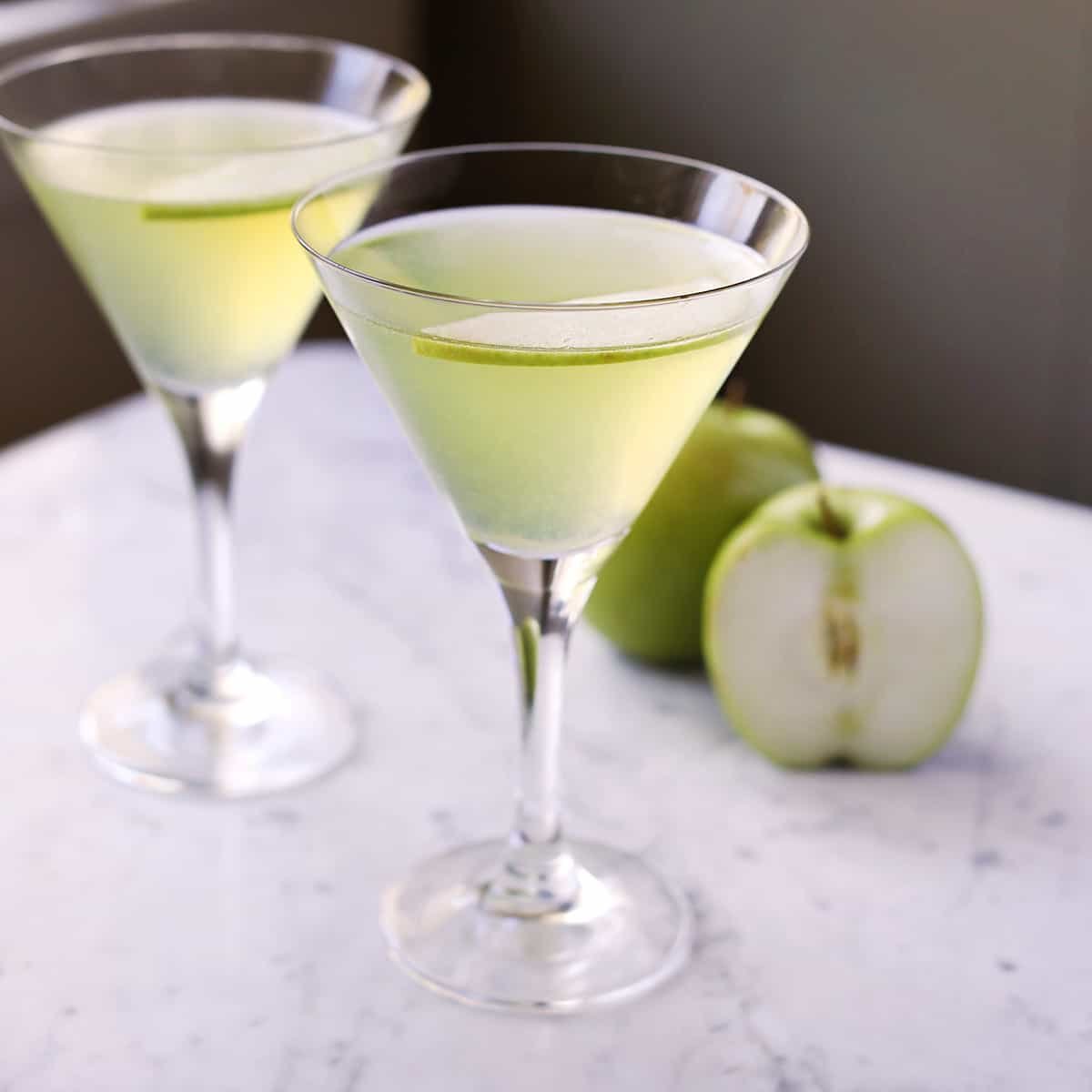
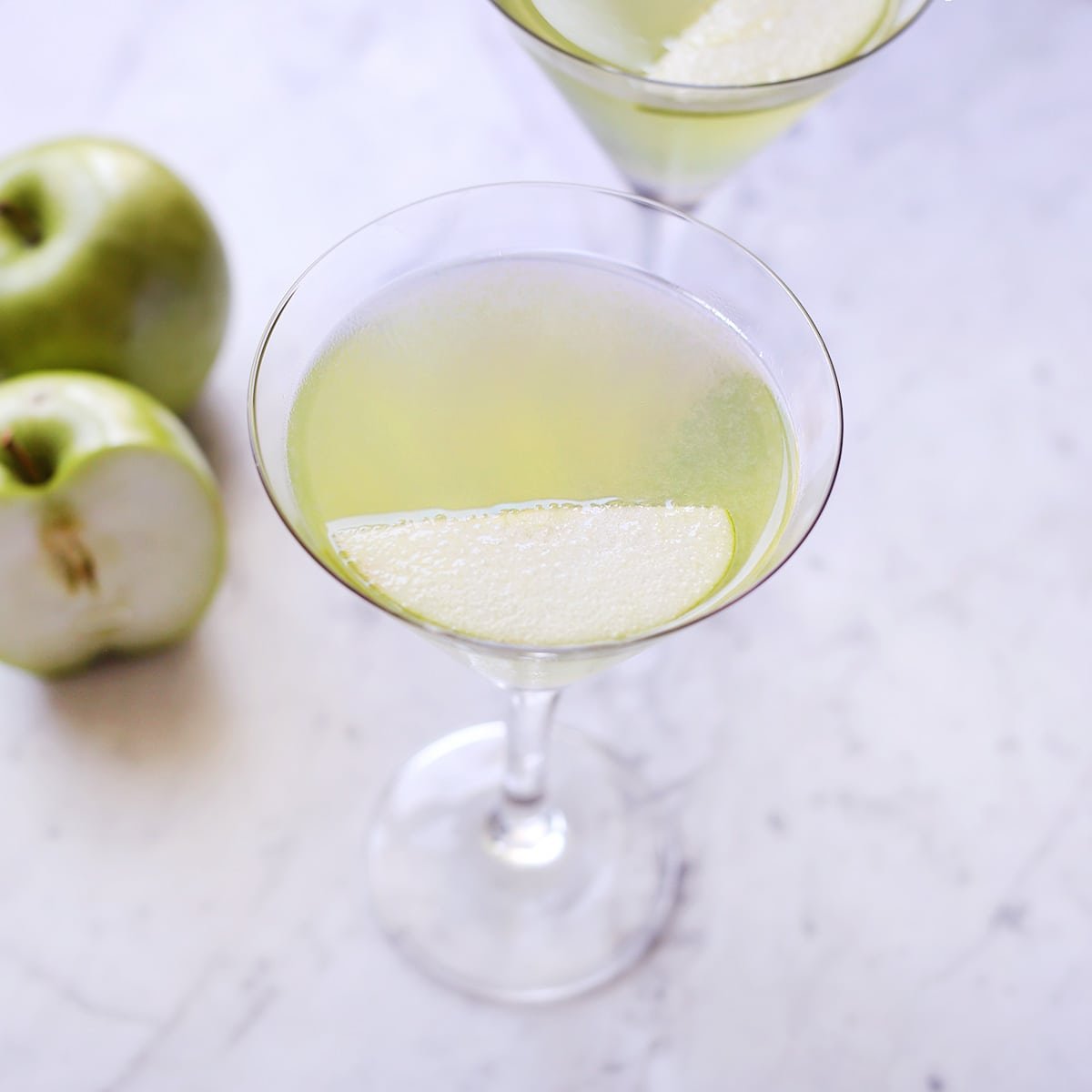
- Garnish Dynamics: Traditionally garnished with a crisp, thinly sliced Granny Smith apple fan, the presentation reinforces the natural fruit origin while providing an aromatic olfactory cue as the drinker brings the glass to their lips.
Nutritional and Comparative Data
When evaluated alongside other popular modern dessert cocktails, the Appletini occupies a unique space:
| Cocktail Variant | Creamy Base? | Primary Alcohol | Flavor Profile |
|---|---|---|---|
| Appletini | No | Vodka (or Gin) | Tart, crisp, sweet-sour fruit |
| Birthday Cake Martini | Yes (Liqueurs/Cream) | Vodka | Rich, confectionary, vanilla |
| Chocolate Martini | Yes (Liqueurs/Cream) | Vodka | Heavy, decadent cocoa |
| Espresso Martini | No (Emulsified foam) | Vodka/Coffee Liqueur | Bitter, roasted, rich |
While creamy martinis can often feel heavy or cloying after a single serving, the bright acidity of the Appletini’s apple and lemon components preserves its drinkability, explaining why patrons historically found it easy to order rounds of them.
Official Perspectives: Mixologists and Culinary Historians
The elevation of the Appletini from a 1990s punchline to a respected nostalgic classic has sparked considerable commentary from professional bartenders and spirits historians.
For decades, craft cocktail purists dismissed the Appletini as a symbol of the dark ages of mixology—an era dominated by artificially colored liqueurs, heavy-handed sweetness, and a reckless disregard for classic cocktail ratios. However, contemporary mixology has undergone a major shift toward inclusivity and nostalgia, prompting a reevaluation of drinks once branded as "guilty pleasures."
"The original wave of 90s cocktails got a bad rap because people associated them with cheap ingredients and hangovers," notes veteran beverage director Elena Vance. "But if you look at the architecture of an Appletini, it’s actually a brilliant exercise in balance. You have a spirit, a sweet modifier, and an acid. When made with high-quality calvados, artisanal apple liqueurs, or fresh-pressed Granny Smith juice instead of purely commercial schnapps, it transforms into an elite, refreshing cocktail."
Culinary historians also point to the Appletini as a crucial stepping stone in American drinking habits. Before its invention, the traditional cocktail market was largely stagnant, dominated by older generations drinking straight spirits, gin martinis, or basic rum-and-cokes. The Appletini, alongside the Cosmopolitan, helped pioneer a new demographic of drinkers—particularly women and younger adults—who viewed the bar not as a place for austere drinking, but as a destination for vibrant, colorful, and playful culinary experimentation.
Implications: The Nostalgia Economy and the Future of the Bar Scene
The resurgence of the Appletini carries broader implications for the contemporary hospitality and beverage industries, highlighting the powerful role that cultural memory plays in modern consumer trends.
1. The Death of Cocktail Snobbery
The revival of 90s and Y2K-era drinks signals a broader cultural fatigue with hyper-serious, overly austere craft cocktail bars. Consumers are increasingly seeking environments where fun, accessibility, and playful presentation trump intimidation. By reclaiming drinks like the Appletini, modern bars are signaling a more relaxed, inclusive approach to high-end drinking.
2. Premiumization of Retro Formats
Just as craft distilleries transformed the basic Gin & Tonic or Old Fashioned by introducing small-batch spirits and artisanal bitters, the modern return of the Appletini has led to elevated iterations. Bartenders are replacing commercial neon-green schnapps with house-infused apple brandies, organic cider reductions, and clarified green apple cordials. This "premiumization" allows venues to command craft cocktail prices for beverages rooted in mainstream nostalgia.
3. Pop Culture’s Enduring Footprint on Menu Design
The original success of the Appletini—bolstered immeasurably by television shows like Scrubs—demonstrates the immense commercial power of media placement. In the era of social media, where TikTok and Instagram dictate beverage trends overnight, the Appletini’s history serves as an early blueprint for how visual appeal and pop-culture alignment can turn a simple four-ingredient drink into an immortal cultural artifact.
Ultimately, whether enjoyed in a retro-themed lounge or shaken at home with a makeshift mason jar, the Appletini remains a testament to the fact that great drinks don’t have to be complicated to leave a lasting impression.