Beyond the Itinerary: A New Paradigm for Engaging Indigenous Communities in Wellness Tourism

In the rapidly expanding wellness travel sector, a critical shift is underway. For decades, the industry has looked toward spas, yoga retreats, and clinical wellness centers to satisfy the growing consumer appetite for rejuvenation. However, as travelers increasingly seek deeper, more transformative experiences, the spotlight has turned toward the profound, ancient wisdom embedded in Indigenous cultures.
Yet, this intersection of wellness and Indigenous tourism is fraught with historical complexity. A recent webinar hosted by the Wellness Tourism Association (WTA) featured Sebastien Desnoyers-Picard—a member of Quebec’s Wendat Nation and a veteran leader in the sector—who argued that for the industry to move forward, it must abandon transactional models in favor of deep, respectful, and intentional partnership.
The Evolution of Indigenous Tourism: A Conceptual Framework
For many event planners and travel professionals, Indigenous tourism is often erroneously reduced to a singular, static image: a remote village, a ceremonial dance, or a souvenir shop. Desnoyers-Picard, who has spent over 25 years in senior-level roles supporting Indigenous community development, challenges this narrow view.
“Indigenous tourism is, fundamentally, tourism made and run by Indigenous people,” he states. “It takes place in our communities, is done with our people, occurs in nature, and spans every possible sector.”
To understand this, one must recognize that Indigenous tourism is not a "product" to be purchased off a shelf. It is a living, breathing expression of a culture that has existed for millennia. By broadening the definition, professionals can move past the tropes of "primitive" experiences and engage with modern, vibrant, and diverse Indigenous businesses operating in both rural landscapes and dense urban centers.
Chronology of a Shift: From Exploitation to Partnership
The current push for ethical engagement did not emerge in a vacuum. It is the result of a long, often difficult journey toward self-determination for Indigenous nations globally.
- The Era of Marginalization (Pre-2000s): Indigenous cultures were often used as aesthetic backdrops for mainstream tourism. Narratives were curated by outsiders, often leading to the commodification of sacred traditions without the consent or participation of the communities themselves.
- The Rise of Indigenous-Led Initiatives (2000s–2015): Organizations began to form to reclaim the narrative. By forming their own tourism boards and economic development councils, Indigenous leaders started setting the rules of engagement.
- The Wellness Integration (2015–Present): As the global wellness economy reached a valuation of trillions of dollars, Indigenous communities identified that their traditional knowledge—ranging from botanical medicine to collective healing—was a natural fit for this market.
- The Call for Intentionality (Today): The modern era is defined by the "partner, not supplier" movement. Professionals are now being asked to shift from "what can I take from this culture?" to "how can I support this culture while facilitating a meaningful exchange?"
Supporting Data and the Wellness Imperative
The economic argument for this shift is robust. Recent industry data suggests that travelers are increasingly willing to pay a premium for "transformative travel." A 2023 survey by the Global Wellness Institute noted that wellness travelers are now prioritizing "cultural authenticity" over "luxury amenities" by a factor of three to one.
However, the "wellness" derived from these interactions is not merely a vacation benefit; it is a psychological and emotional reset. According to Desnoyers-Picard, when a guest disconnects from the frantic pace of modern life to engage in indigenous storytelling, arts, or land-based learning, they enter a state of "cultural mindfulness." This state reduces cortisol, encourages social connection, and provides a sense of perspective that traditional hotel-based wellness cannot replicate.
Official Insights: The Voice of Experience
In his address to the WTA, Desnoyers-Picard provided a blueprint for professionals looking to bridge the gap between their event goals and indigenous community values.
The "No-Rush" Philosophy
"Culture should not be rushed," Desnoyers-Picard emphasizes. "I don’t think wellness is a place where it should be rushed either."
Many planners operate on tight, military-style schedules. When they approach an Indigenous community, they often demand a one-hour window for a "cultural experience." This is inherently antithetical to the nature of the culture. Authentic connection requires time for introduction, conversation, and reflection. When an itinerary is packed to the minute, the human element—the very thing that makes the interaction transformative—is sacrificed.
Avoiding the "Checkbox" Mentality
One of the most persistent issues in the events industry is the "DEI (Diversity, Equity, and Inclusion) Checkbox." Planners often seek out an Indigenous component simply to satisfy a grant requirement or a CSR (Corporate Social Responsibility) mandate.
"Don’t approach a community with a completed itinerary and ask them to fill a slot," warns Desnoyers-Picard. "If you haven’t included the community in the planning process, you aren’t building a partnership; you are creating a transaction."
Cultural Appreciation vs. Appropriation
The distinction between these two concepts is the most significant hurdle for new organizers. Appropriation involves taking a sacred element (a ceremony, a piece of art, or a traditional garment) and using it for profit or entertainment without understanding its context or asking for permission.
Appreciation, conversely, is a collaborative effort. It involves asking: "Is this appropriate for a public audience?" and "What is the history behind this?" If a ceremony is closed to the public, the answer is "no." Professionals must learn to be comfortable with that "no." As Desnoyers-Picard notes, "It’s okay to not have access to all ceremonies. Don’t feel offended by that. It is a sign of respect for the sanctity of the culture."
Practical Implications for Event Planners
For those planning retreats, summits, or incentive travel, the path forward requires a fundamental redesign of the logistics process.
1. Lead with Curiosity, Not Expectations
When reaching out to a local Indigenous tourism board or community leader, arrive without a script. Explain the goals of your event and ask the community: "What is appropriate for you to share with our group, and how can we support your community’s goals?" This simple change in language transforms a pitch into a consultation.
2. Recognize the Urban Reality
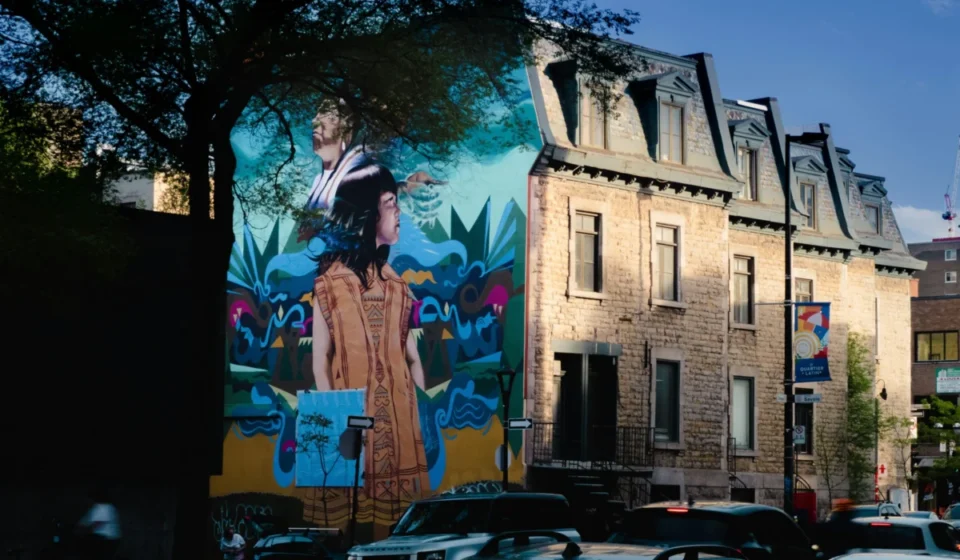
Indigenous tourism is not confined to the woods. Many Indigenous entrepreneurs operate in major metropolitan areas, offering walking tours, art galleries, and culinary experiences that reflect the history of the land upon which the city was built. Planners should stop looking for the "remote" and start looking for the "authentic," regardless of the zip code.
3. Establish Long-Term Relationships
Treating Indigenous partners as "suppliers" is a mistake. A supplier is someone you pay for a one-off service. A partner is someone you build a multi-year relationship with. When you return to the same community, you build trust. That trust allows for deeper, more sophisticated programming that benefits both the visitors and the hosts.
4. Invest in the Community Economy
Ensure that the financial benefits of the engagement stay within the community. When booking services, prioritize Indigenous-owned caterers, guides, and artists. By keeping the economic loop local, planners contribute to the sustainability of the culture they are visiting.
The Path Ahead: A New Standard of Excellence
The future of the wellness tourism industry lies in its ability to reconcile the need for profit with the necessity of ethics. As Sebastien Desnoyers-Picard so eloquently summarized, "You’re not entering a product. You’re entering a way of life."
For the event professional, this is an invitation to do better. By embracing the principles of respect, humility, and long-term partnership, the industry can stop merely "consuming" culture and start fostering environments where true, restorative, and transformative wellness can occur.
As we look toward the next decade of travel, the most successful events will not be those with the most luxurious venues, but those that leave the host community feeling respected, empowered, and fairly compensated—and the guests feeling fundamentally changed by the connection they were privileged enough to witness.