
The 2026 FIFA World Cup has officially drawn to a close, with Spain ascending to the pinnacle of global football after a hard-fought campaign. While the world watched the tactical battles on the grass, a different kind of competition was unfolding on the sidelines: the grueling, high-stakes race to document the tournament. For the photographers tasked with capturing the essence of the expanded 2026 edition, the tournament was less about a single vantage point and more about navigating logistical labyrinths, stringent FIFA restrictions, and the shifting landscape of modern sports reportage.
PetaPixel sat down with two Nikon Ambassadors, Andrew Hancock and Joel Marklund, to dissect the challenges of covering the most ambitious tournament in sporting history. Their experiences reveal a tale of two very different approaches to the same monumental event—one defined by international transit and political theater, the other by localized precision and artistic ingenuity.
The Logistical Marathon: A Shift in Scale
For Joel Marklund, who oversees the Scandinavia-based Bildbyrån sports agency, the 2026 World Cup presented a logistical paradigm shift. Having covered the 2022 tournament in Qatar—noted for its compact, single-city footprint—Marklund found the North American edition, spanning the U.S., Mexico, and Canada, to be a logistical gauntlet.
"For me, I covered four matches in four days at the beginning of the World Cup," Marklund recounts. "It was an incredibly intense trip. There were nights with zero sleep, where late-evening matches were immediately followed by the earliest possible morning flights to the next host city."
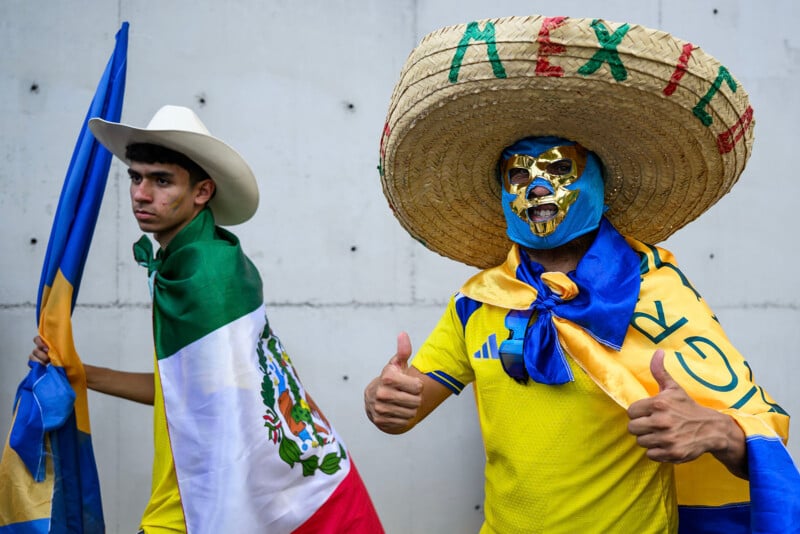
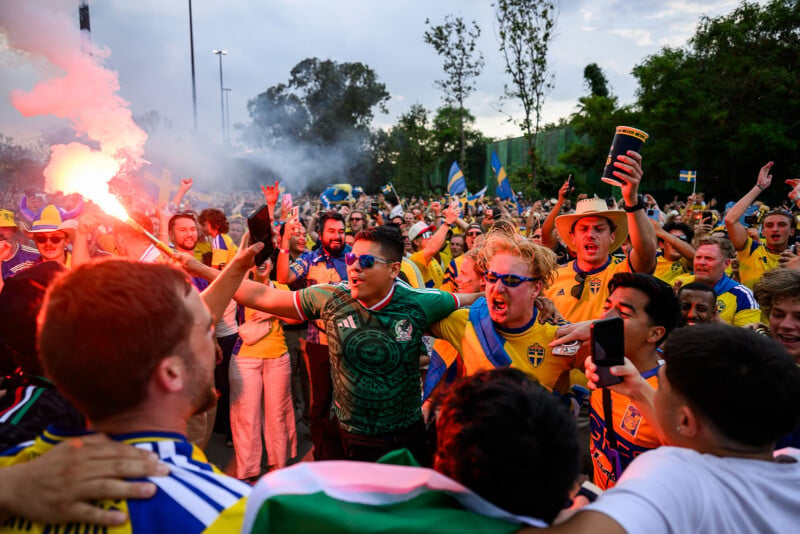
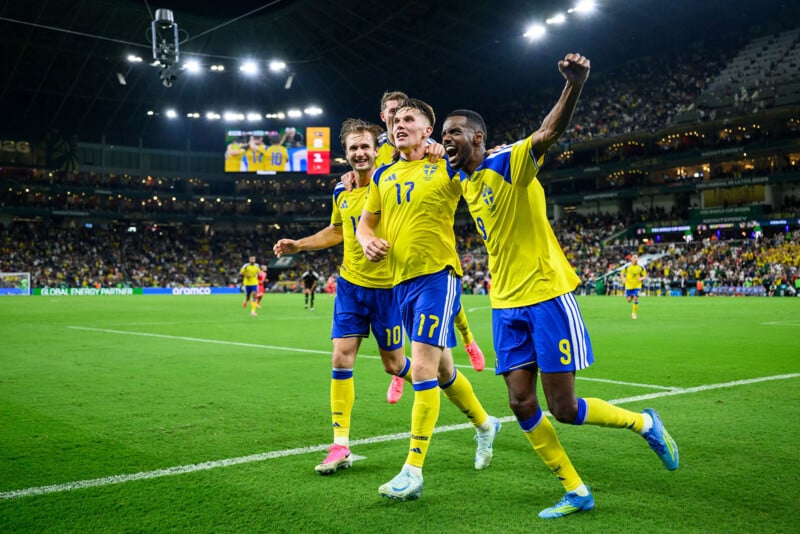
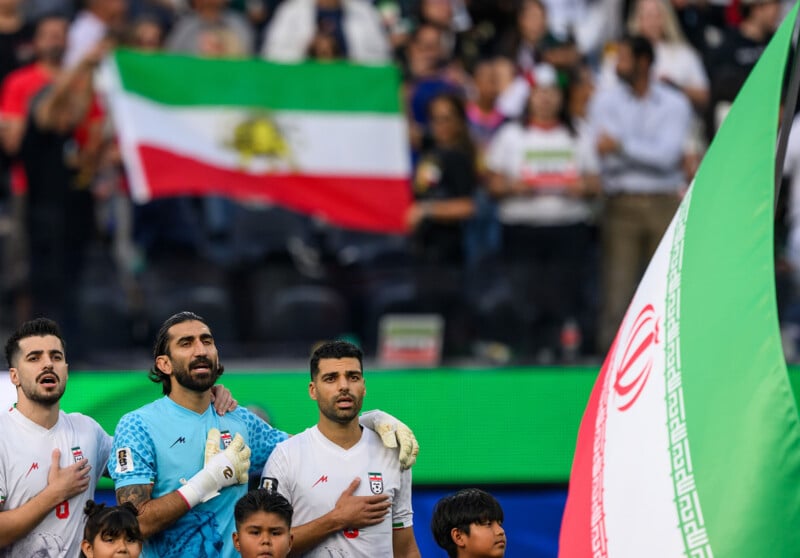
Marklund’s itinerary read like an airline manifest: from the vibrant atmosphere of Sweden versus Tunisia in Monterrey, Mexico, to a high-profile showdown between Iran and New Zealand in Los Angeles. His lens also captured the tactical intensity of Argentina against Algeria in Kansas City, and the drama of England versus Croatia in Dallas. The physical toll was significant, compounded by the need to fly back to Europe mid-tournament to cover Wimbledon before returning to the States for the semifinal and final rounds in Dallas, Atlanta, and New Jersey.
The Fortress: Navigating High-Security Finals
The tournament concluded at MetLife Stadium in New Jersey, an event that tested the patience and stamina of the world’s press corps. Marklund describes arriving at 7:00 AM for a match that did not kick off until 3:00 PM—an eight-hour lead time that, while seemingly excessive, proved essential.
"You might think eight hours is overstretching, but a World Cup final demands more than just camera gear; it requires navigating massive security perimeters," Marklund explains. "With the U.S. President in attendance, we were dealing with Secret Service protocols on top of FIFA’s standard security. Even arriving at dawn, it took over three hours just to clear the perimeter."
This security layer was not merely a hurdle for journalists; it became part of the story. Marklund notes that the presence of political figures—specifically Donald Trump—on the podium during the trophy presentation underscored a tournament where sport often felt like a mere "puzzle piece in a bigger picture."
The Photographer’s Cage: Constraints and Creativity
If Marklund’s struggle was one of distance and logistics, Andrew Hancock’s challenge was one of confinement. Operating primarily out of Dallas, with side trips to Houston and Kansas City, Hancock covered 16 matches with a mandate to find unique visual narratives. However, he faced a reality that every sports photographer dreads: severe lack of mobility.
"When it comes to my approach, I like to be as mobile as possible," says Hancock. "With this World Cup, to say mobility is limited is an understatement. Once the whistle blows, we are essentially tethered to our assigned seats if we have pitch-side access."
FIFA’s strict management of camera positions—limiting the number of outlets allowed to place remotes behind goals or in elevated stadium tiers—forced Hancock to become a master of anticipation. Before every match, he would analyze team heat maps and historical player movement data to select a seat that might maximize his odds of catching a significant moment.
"These decisions were tactical," Hancock explains. "They didn’t just dictate where I sat; they dictated which lenses I carried. I was trying to predict the flow of the game before the players even touched the ball."
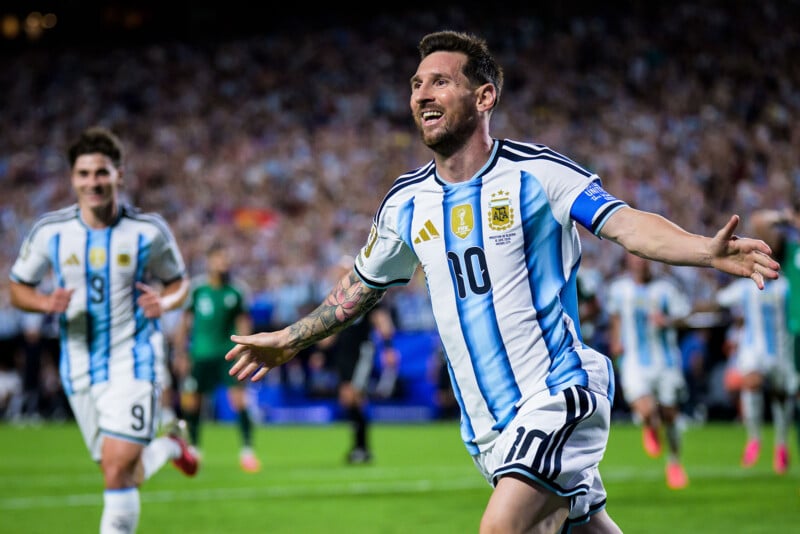
The "Curse" of the Goal Celebration
Despite his meticulous planning, Hancock encountered a statistical anomaly that highlights the fickle nature of sports photography: the direction of goal celebrations.
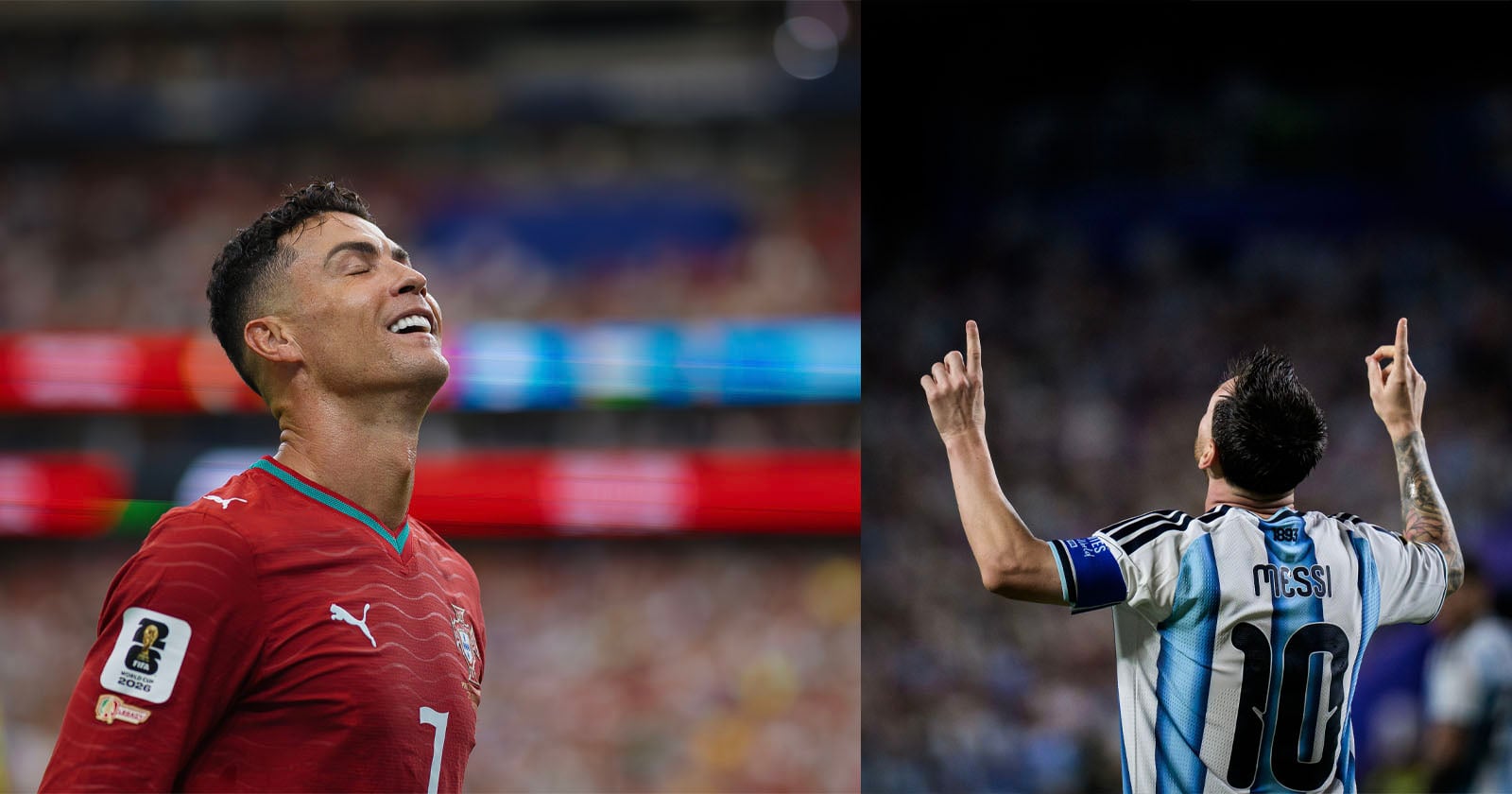
"I didn’t expect to be cursed with near-zero celebrations," he admits. "Out of 50 goals in the matches I covered, 47 celebrations went away from me. I had only two celebrations come toward me, and both were during the first week of the tournament."
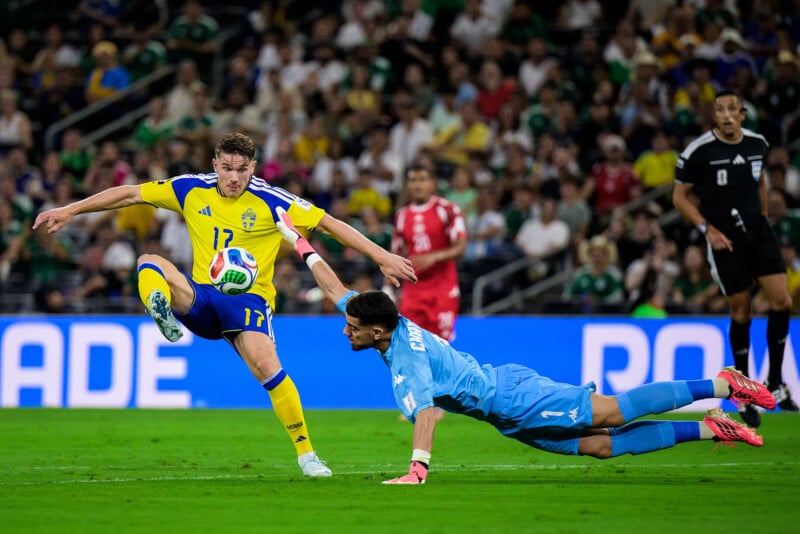
This statistical drought forced a shift in focus. Instead of chasing the fleeting joy of a goal-scorer, Hancock turned his lens toward the "dejection of the opponent," a narrative element that becomes increasingly poignant as the tournament advances into the knockout stages. This pivot transformed his coverage from a standard action-based archive into a more psychological study of the game’s losers, finding beauty in the sorrow of defeat.
Innovations in the Frame: Multiple Exposure
To break free from the rigidity of his fixed position, Hancock experimented with in-camera multiple exposure techniques. By merging stadium details, crowd atmosphere, and game action into a single frame, he moved beyond photojournalism into conceptual art.
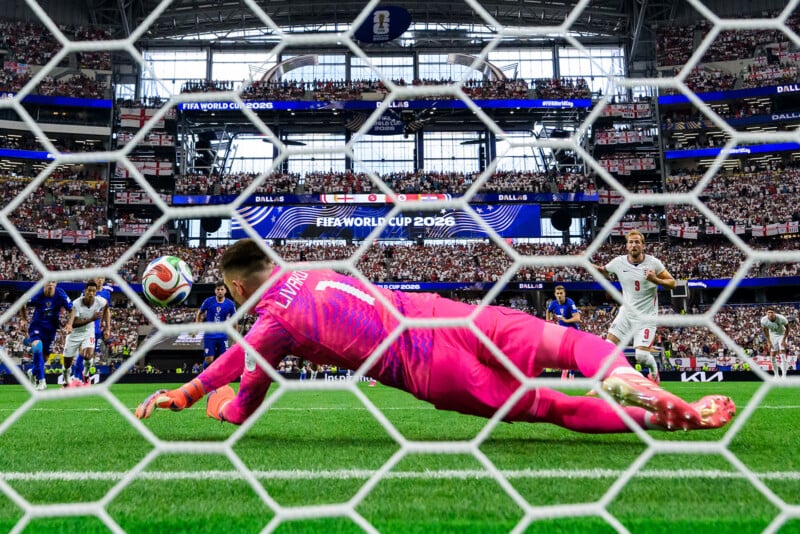
"I wanted to create something special, something that captured the environment of the tournament rather than just a moment of play," Hancock says. His work in this area—fusing the faces of players with national symbols like the sun on the Argentine flag—serves as a testament to the creative resilience of photographers when faced with restrictive environments.
Implications for Future Tournaments
The 2026 World Cup will be remembered for its scale, its commercialization, and its intersection with global politics. Marklund points to the implementation of "hydration breaks"—which he alleges were leveraged for advertising—and the controversial intervention in player disciplinary actions as evidence of a tournament where the sport itself was often secondary to the spectacle.
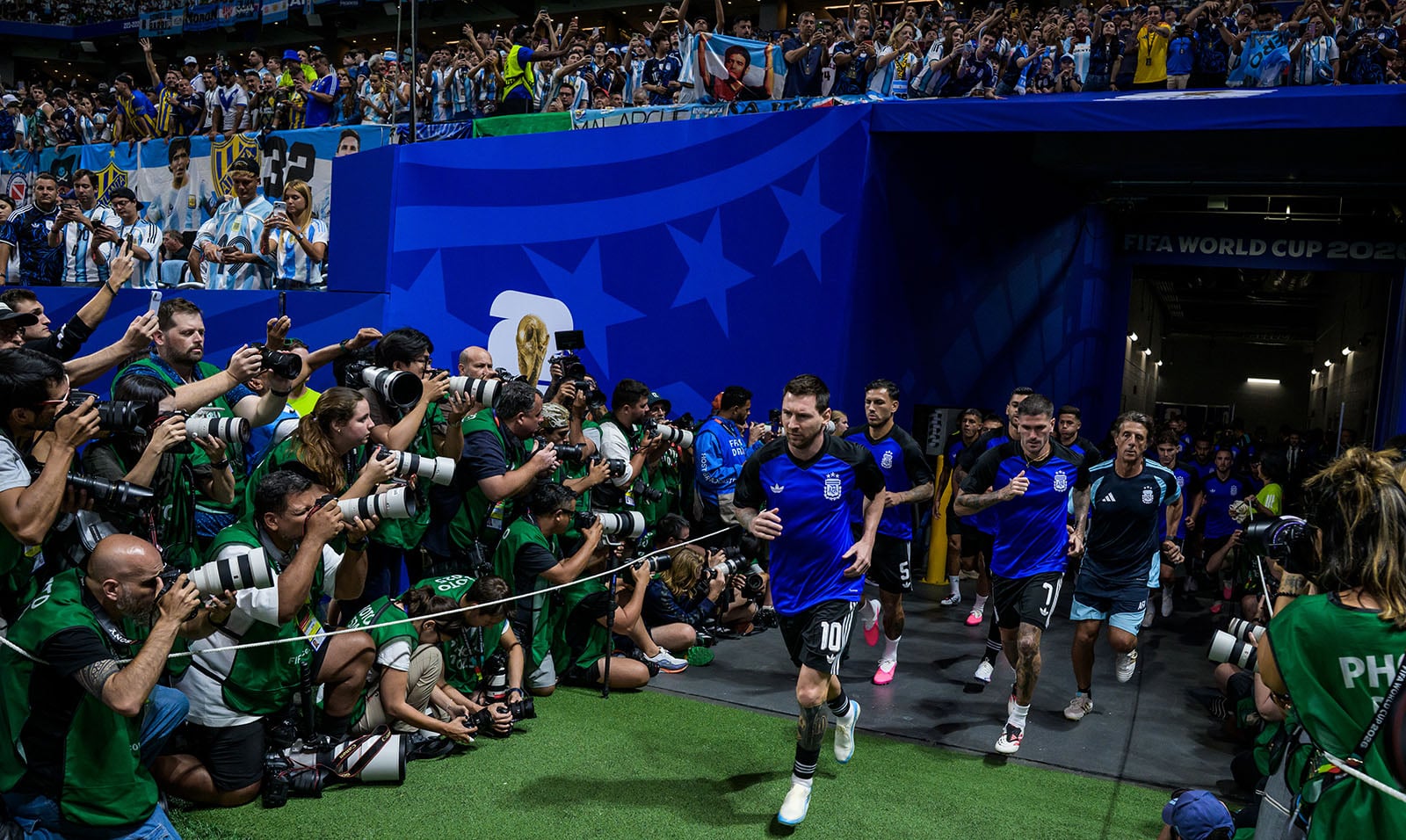
For photographers, the takeaway is clear: the era of the "unrestricted" pitch is over. As FIFA continues to tighten control over media access, the next generation of sports journalists will need to lean harder into technology—such as remote camera systems and advanced in-camera processing—to remain competitive.
Andrew Hancock, reflecting on the month-long ordeal, remains optimistic about his growth. "It was a great learning experience. I have a much clearer understanding of how to anticipate the unpredictability of these events. I know I’ll be in a much better position to make the images I’m capable of making in 2030."
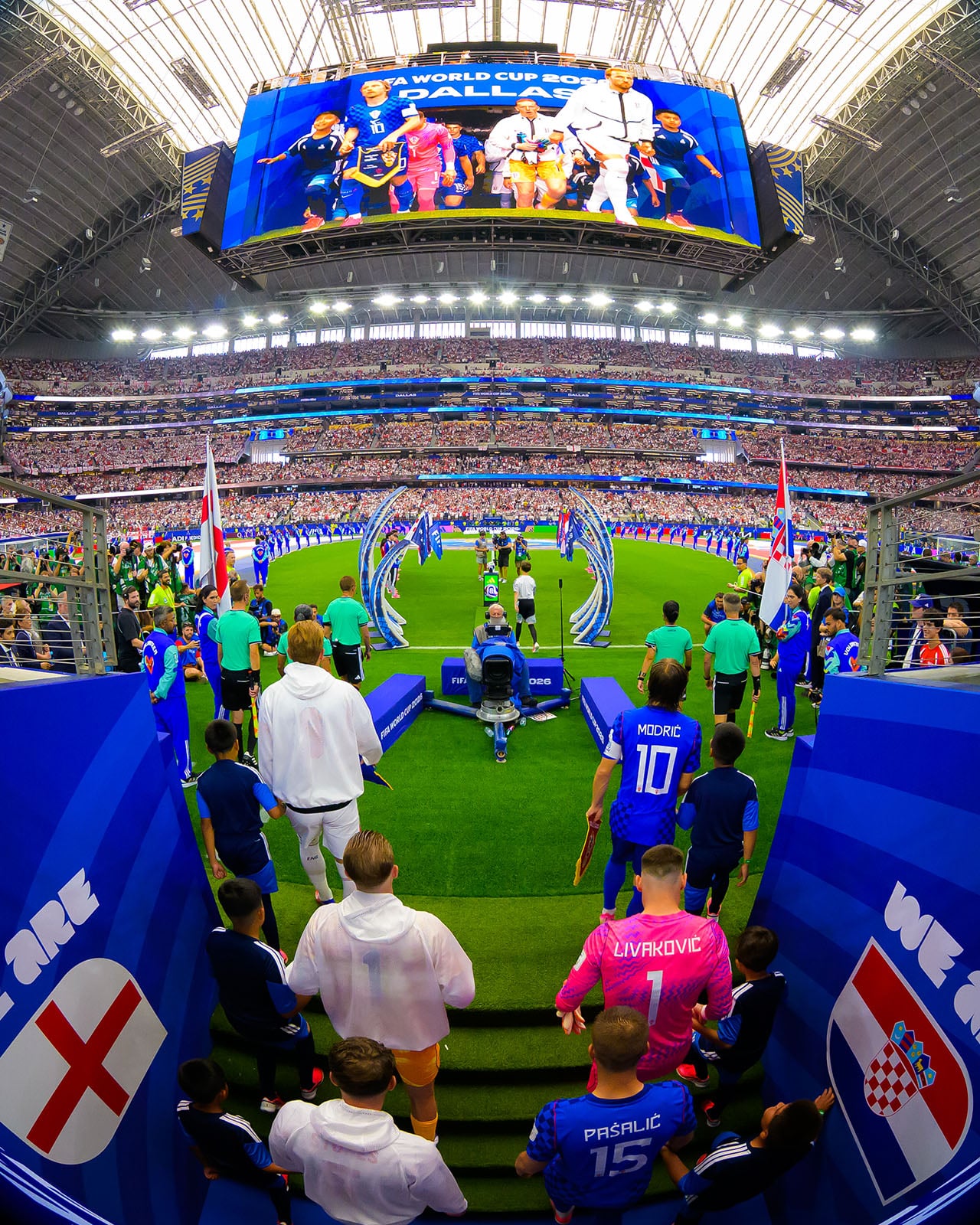
As the dust settles on the 2026 World Cup, the legacy left behind is not just the trophy held by Spain, but the thousands of images that tell a story of a sport at a crossroads. For Marklund, Hancock, and their peers, the tournament was a reminder that even in a world of controlled angles and security checkpoints, the human element—the celebration, the dejection, and the raw emotion of the game—remains the most important capture of all.
Key Takeaways and Data Points
- Logistical Strain: The 2026 tournament featured significantly higher travel demands than the 2022 Qatar event, with photographers often covering matches in different time zones within a 48-hour window.
- Media Restrictions: FIFA’s control over camera positions significantly impacted the ability of photographers to capture "classic" goal celebration shots, with many journalists reporting a success rate of less than 5% for head-on celebration imagery.
- Political Intersection: The presence of high-level political figures at the final match introduced unprecedented security hurdles, with journalists spending up to three hours entering stadium perimeters.
- Technological Evolution: Photographers are increasingly relying on in-camera creative features (like multiple exposure) and data-driven seat selection to differentiate their work in a crowded digital marketplace.
- The "Commercial" World Cup: Observers noted a marked increase in the commercialization of the game, including the use of required hydration breaks for promotional opportunities.