Beyond the Sharp Image: Kristi Odom on the Art of Connection and Conservation in Wildlife Photography

In the high-stakes world of professional wildlife photography, the prevailing ethos is often defined by technical perfection: razor-sharp focus, lightning-fast shutter speeds, and the pristine capture of an animal in its most dramatic pose. However, Nikon Ambassador and acclaimed photographer Kristi Odom is challenging this orthodoxy. By prioritizing emotional resonance over technical "perfection," Odom is redefining what it means to document the natural world.
In a recent appearance on the PetaPixel Podcast, Odom discussed her philosophy, detailing how photographers can move beyond the "collectors’ mindset" to forge a deeper, more artistic connection with nature. For Odom, the camera is not merely a tool for recording data; it is an instrument of empathy, a vessel for storytelling, and, ultimately, a catalyst for conservation.
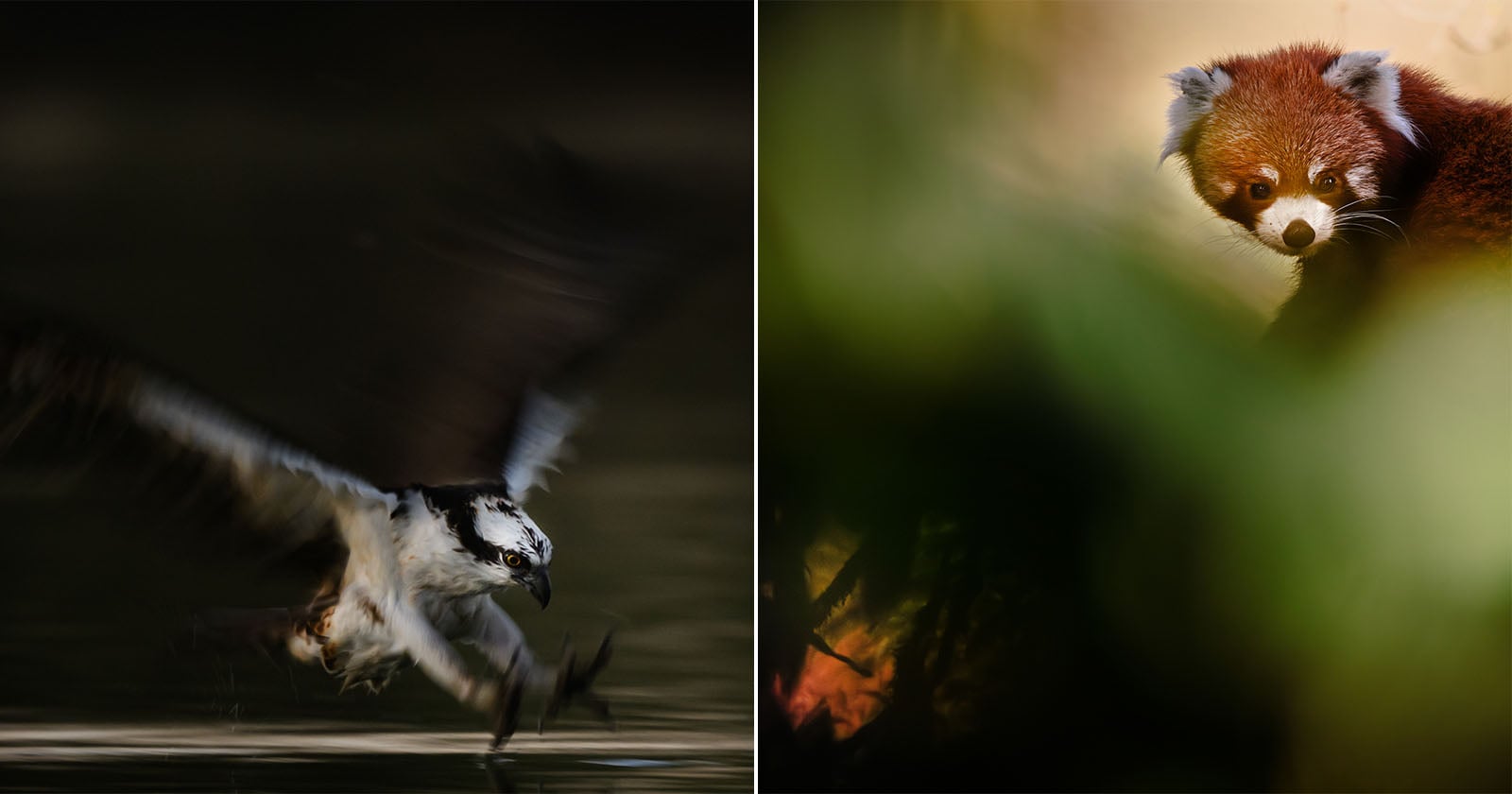
The Philosophy of Motion: Connecting Through the Lens
"I love using my camera to connect deeply with nature," Odom explains. Her approach begins with a fundamental question that shifts the photographer’s focus from the equipment to the subject’s internal experience: What am I feeling?
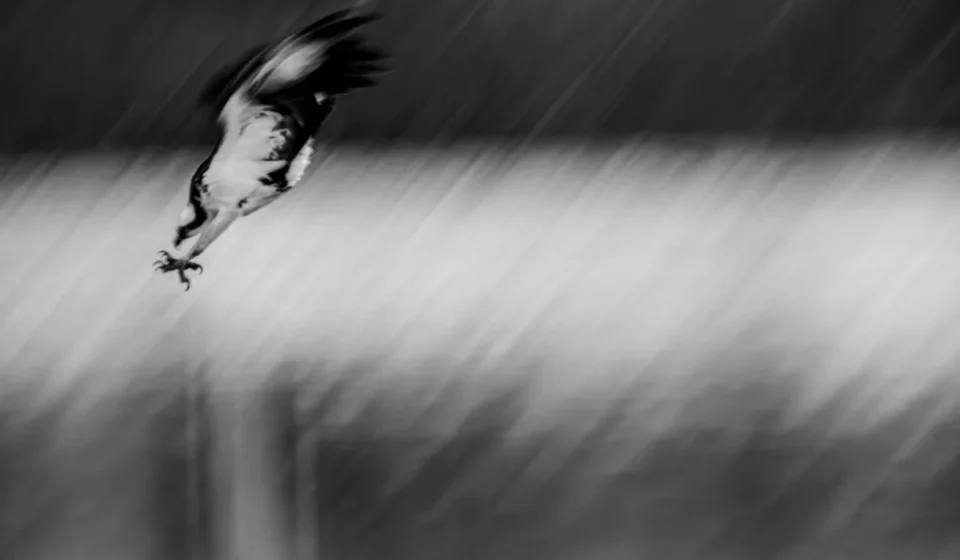
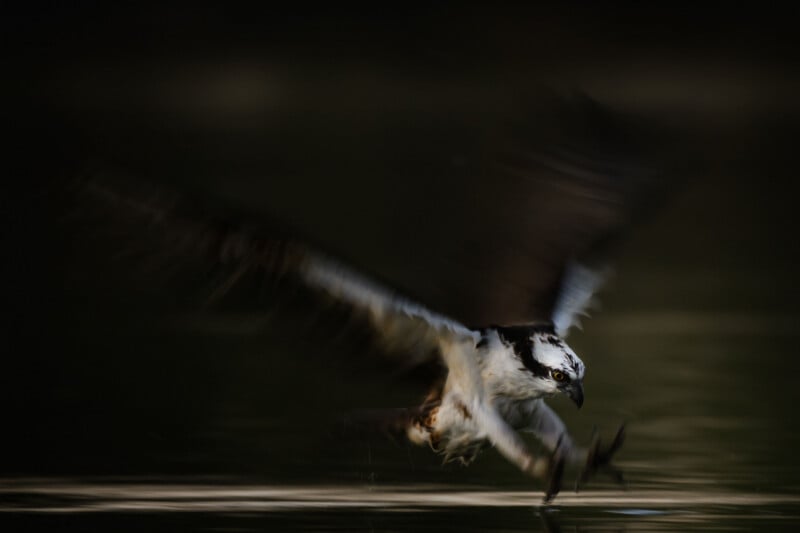
Often, the answer is "movement." While many wildlife photographers seek to freeze action—rendering a bird’s wing-beat as a still, frozen sculpture—Odom often embraces the blur. She views the technical settings of a camera—aperture, shutter speed, and ISO—not as rigid constraints, but as an artistic palette.

"Aperture determines what elements are in focus to tell your story. Shutter speed decides whether you freeze a moment or emphasize movement. ISO influences the texture of the image," she notes. By intentionally choosing settings that deviate from the "optimal" (such as a 1/60s shutter speed in bright light), Odom captures the kinetic energy and the chaotic grace of wildlife in a way that static, ultra-sharp images often fail to convey.
Chronology of a Creative Evolution
Odom’s journey from a traditional photographer to a narrative-driven artist did not happen overnight. Her early career was forged in the demanding world of wedding photography, where she learned the importance of timing, lighting, and human connection. She carried those skills into the wild, adapting her early gear—a 70-200mm telephoto zoom—to subjects that were far less cooperative than a bridal party.
The Early Days of Adaptation
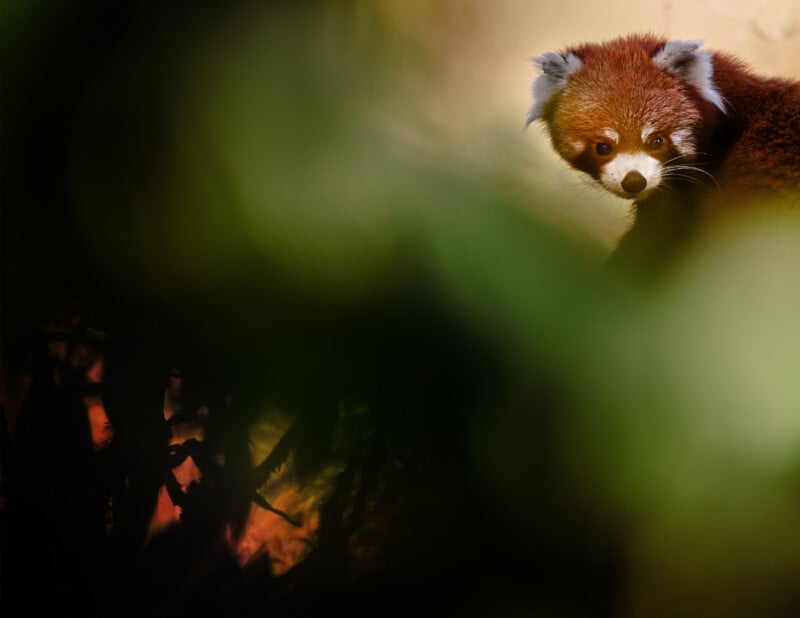
Working with a shorter lens than most traditional wildlife photographers, Odom was forced to be creative. She could not rely on extreme focal lengths to isolate her subjects from a distance. Instead, she had to immerse herself in the environment. She spent hours, days, and weeks learning the behavioral patterns of her subjects, finding their paths, and understanding the nuances of their movement. This period of intense observation taught her that the background is as important as the subject—a lesson she carries into her work today.
The Shift to Professional Filmmaking
As her stills began to gain recognition, Odom found herself naturally gravitating toward video. What started as short, social media-friendly clips of bees or osprey dives evolved into professional conservation storytelling. Today, she produces films for nonprofits that serve a dual purpose: they educate the public and generate critical funding for environmental protection.
Data and Practice: The "Osprey Project"
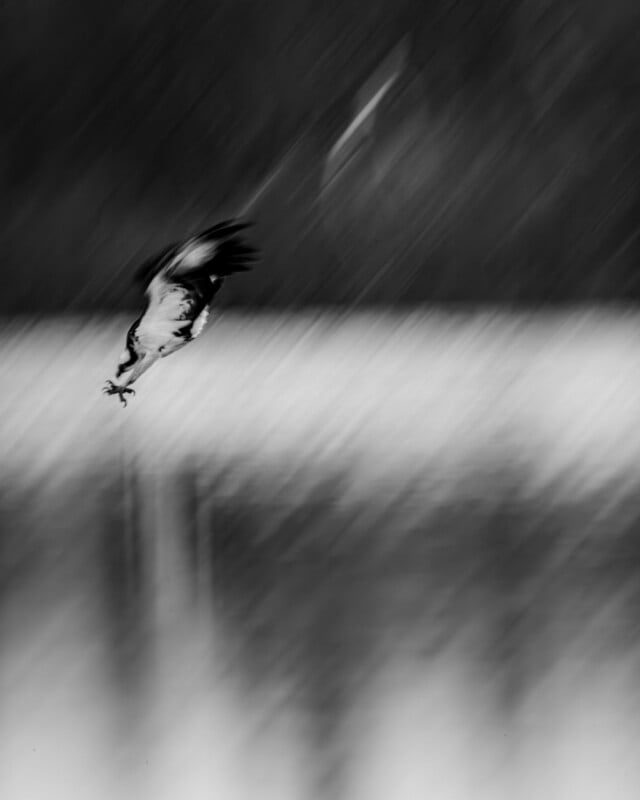
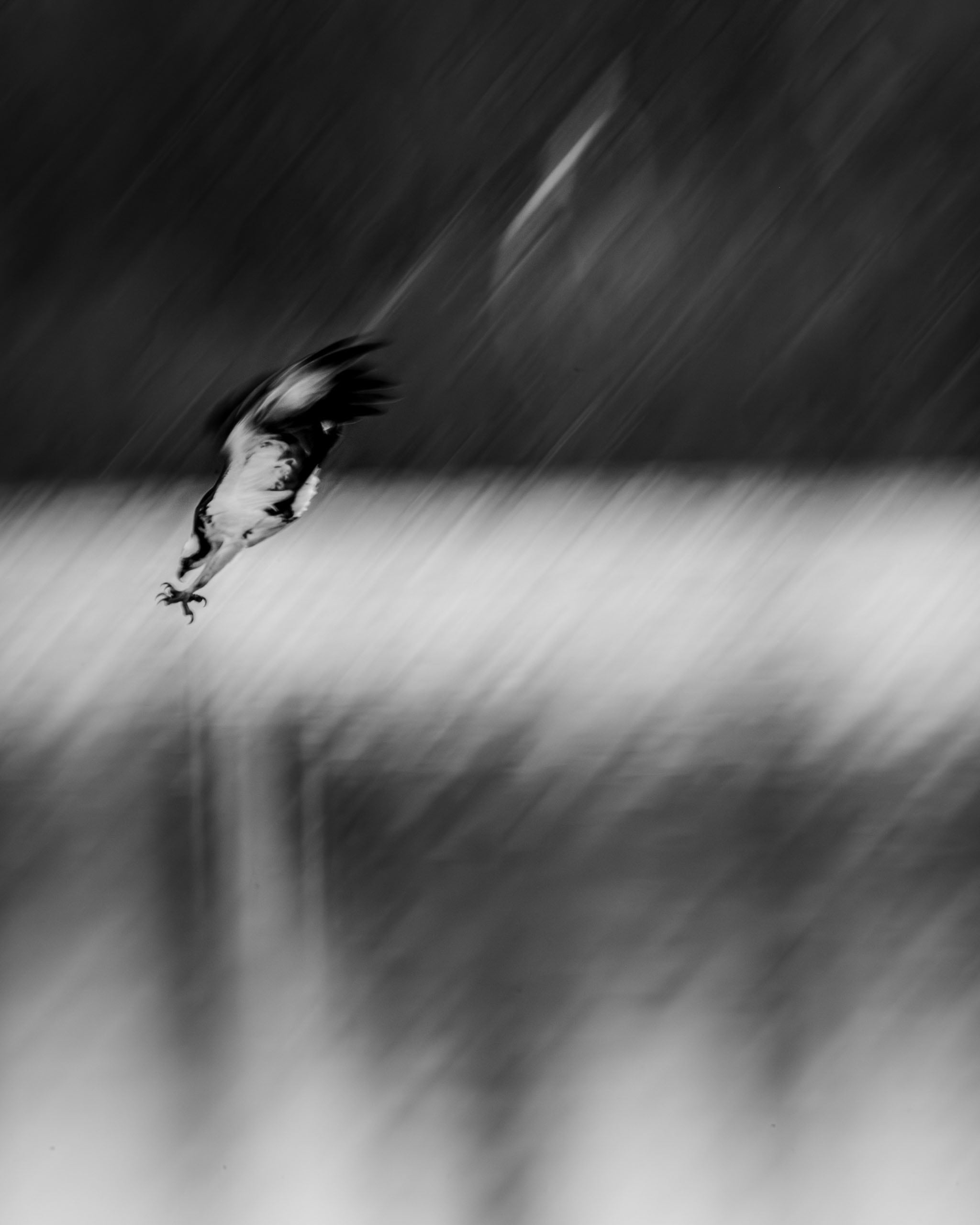
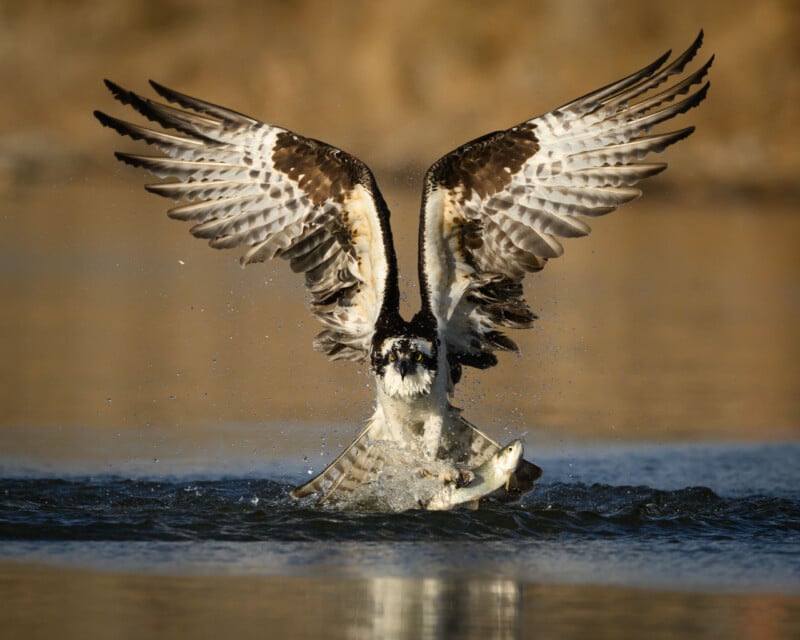
Odom’s recent work with ospreys serves as the ultimate case study in her counter-intuitive methodology. Ospreys are classic subjects for bird photographers, typically shot with high-speed shutter bursts to capture the exact moment of impact with the water.
Odom spent over 20 days in the field, shooting alongside other photographers. While her peers waited for the perfect light and shutter speed to capture the "perfect" shot, Odom experimented with slower shutter speeds. She faced skepticism; other photographers, noticing her settings, openly questioned her technical knowledge, assuming she had made a mistake.
"Most of these photos totally failed," she admits with a laugh. However, the ones that succeeded were transformative. They captured the raw, blurred intensity of the dive—the feeling of the raptor crashing into the water—rather than just the anatomy of the bird. This project highlighted a growing divide in the wildlife community: those who seek to catalog animals versus those who seek to capture the soul of the encounter.
The Three Pillars: What Do I See, Feel, and Eliminate?
To help her students and followers find their own artistic voice, Odom suggests a three-part mental framework that should be applied before the shutter is pressed:
- What do I see? This requires moving past the subject and looking at the interplay of light, shadow, and the environment.
- What do I feel? This is the emotional anchor. If the scene feels chaotic, the photographer must decide how to represent that chaos—perhaps through motion blur or a wider depth of field.
- What can I eliminate? This is the most crucial step. Every element in the frame that does not contribute to the narrative is a distraction. The art of photography is as much about what you leave out as what you include.
The Power of Monochromatic Storytelling
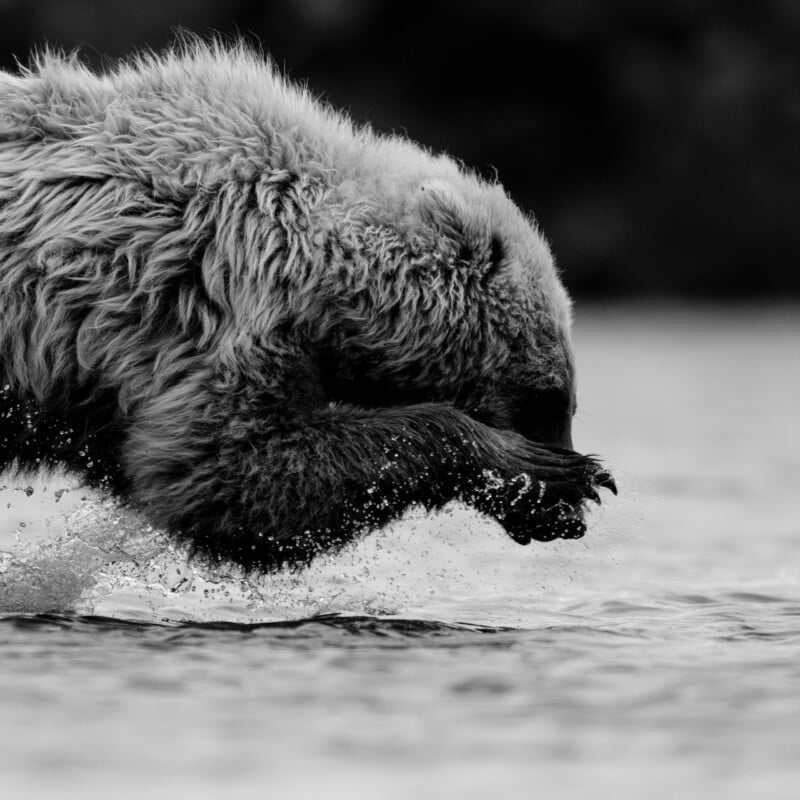
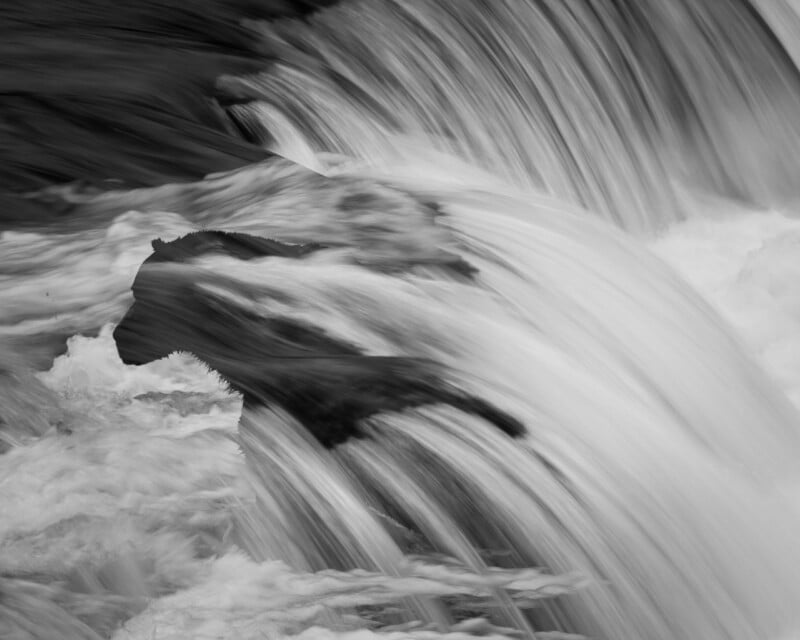
Odom’s affinity for black-and-white photography is rooted in her formative years running a darkroom at Georgia Tech. Inheriting her grandfather’s camera and learning on Tri-X film, she developed an eye for the fundamental building blocks of an image: texture, shadow, and light.
While she acknowledges that color is an "incredibly powerful" emotional tool, she argues that it can sometimes act as a barrier to the viewer’s connection with the subject. "By removing color, the viewer pays more attention to the expression, the gesture, the quality of the light, and the relationship between highlights and shadows," she says. In removing the distraction of color, she forces the viewer to engage with the raw essence of the creature.
Implications: Photography as a Conservation Engine
Perhaps the most significant implication of Odom’s work is the tangible impact it has on conservation. Her films and photographs have helped raise over a million dollars for wildlife advocacy. She views this not as a side effect of her photography, but as the primary mission.
Odom tells a poignant story of a woman in her workshop who captured a photo of a polar bear to share with her grandchild. That single image sparked a conversation, fostering a sense of wonder in the child. This is the "contagious passion" Odom advocates for: a cycle of connection that begins with a single image and ends with a lifelong commitment to protecting the planet.
"We have this incredible tool that can help people fall in love with our planet, and when people care about something, they’re much more likely to protect it," Odom asserts. She emphasizes that one does not need to be a professional with a six-figure camera setup to make a difference. The barrier to entry for conservation-minded storytelling is curiosity, not gear.
Conclusion: Slowing Down in a Fast-Paced World
Kristi Odom’s message is a necessary counter-balance to the modern "gear-acquisition syndrome" that plagues the photography industry. By encouraging photographers to embrace limitations, to find beauty in "subpar" conditions, and to prioritize emotional storytelling over clinical sharpness, she is paving the way for a more thoughtful generation of creators.
Whether she is lying in the dirt waiting for a pika to emerge or filming the intricate flight path of a bee, Odom reminds us that the process is the prize. The "right" shot is not the one that is the sharpest or the most technically perfect; it is the one that forces us to stop, look, and care. As Odom concludes, the world is in desperate need of storytellers who can translate the wonder of the wild into the human experience. Through her lens, and through the lessons she imparts to others, she is ensuring that the story of our natural world continues to be told with both clarity and deep, abiding heart.