
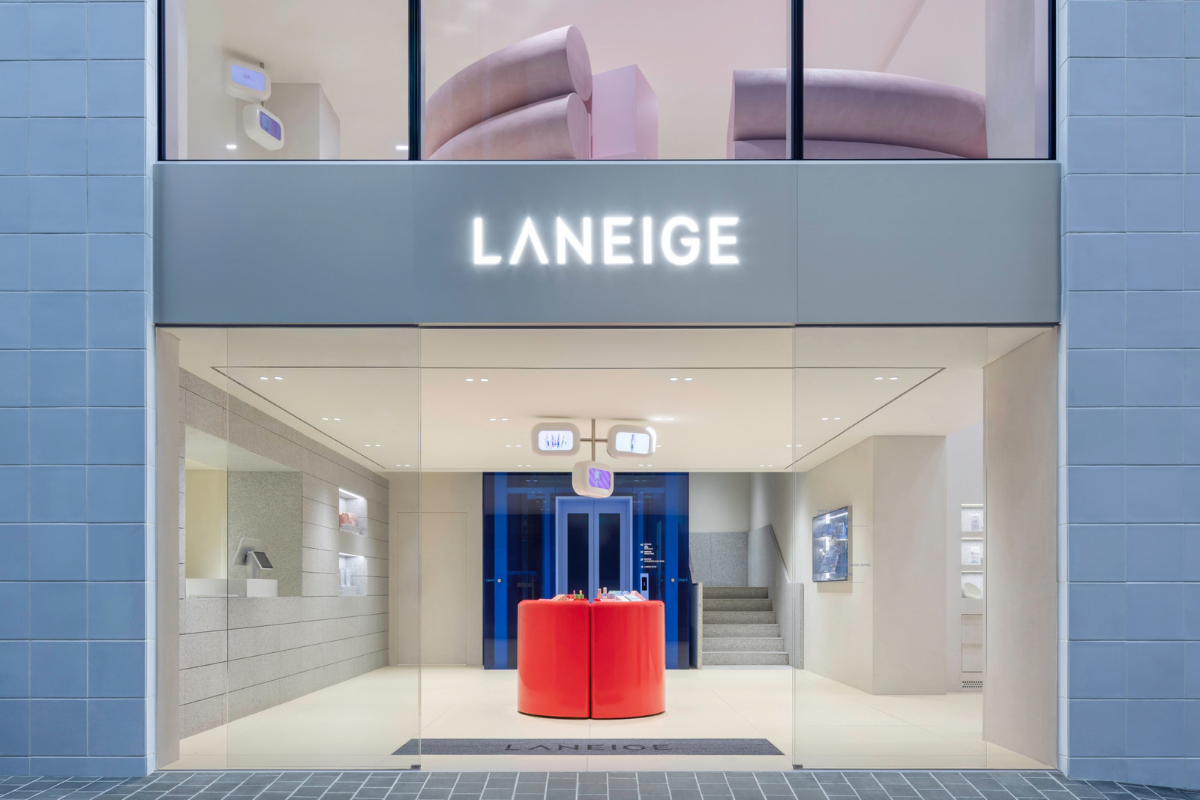
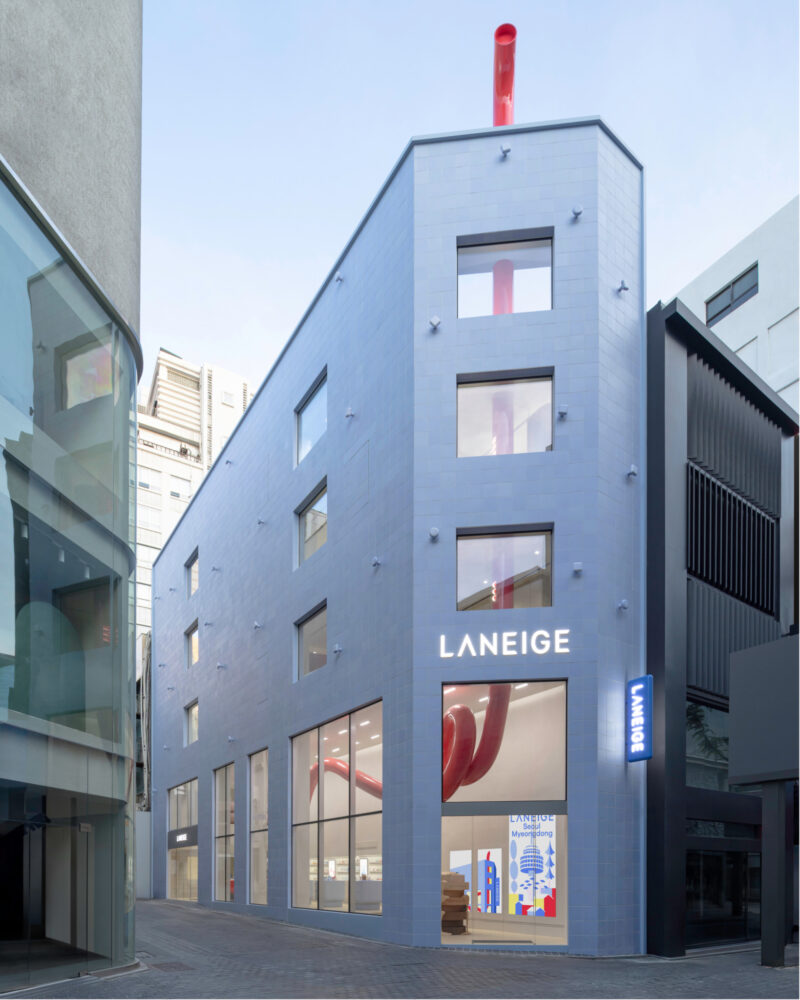
In the hyper-competitive retail landscape of Myeongdong, Seoul’s epicenter of beauty and fashion, the new Laneige flagship store does not merely sit on the street—it demands to be experienced. Designed by the Los Angeles-based creative studio PlayLab, Inc., this four-story retail destination marks a radical departure from the conventional beauty boutique. Rather than relying on traditional aisles of merchandise, the flagship acts as a living laboratory, where architectural scale and skincare science collide to transform the act of shopping into a multisensory, personalized odyssey.
The Architectural Vision: Bold Gestures and Human Scale
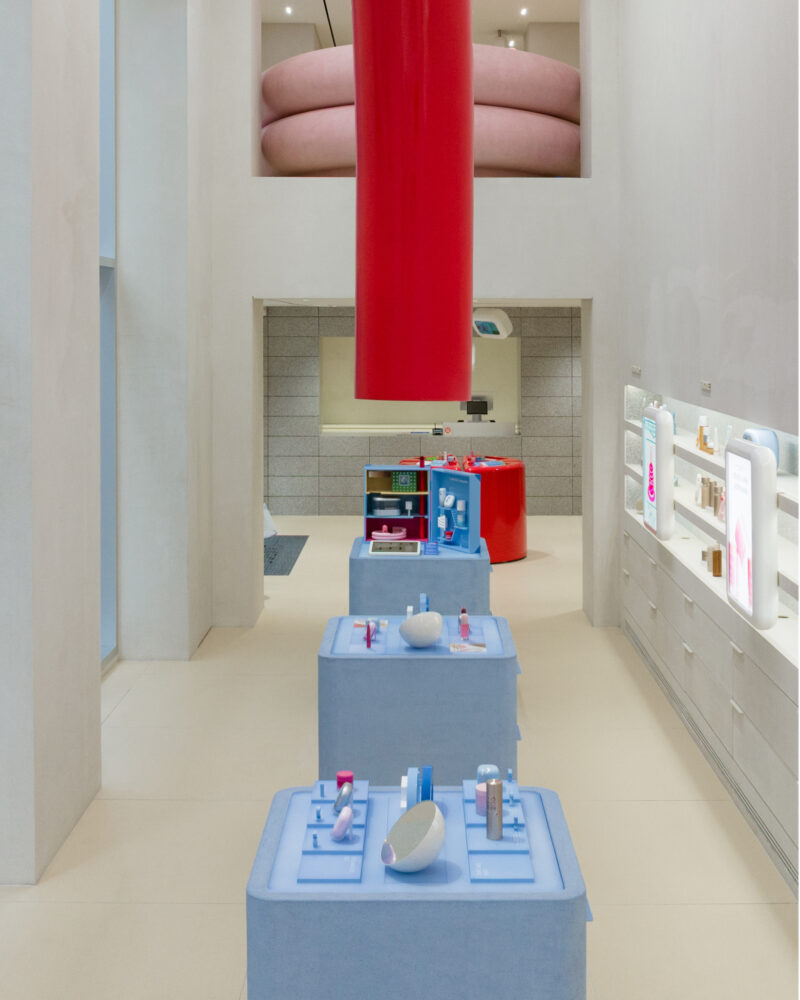
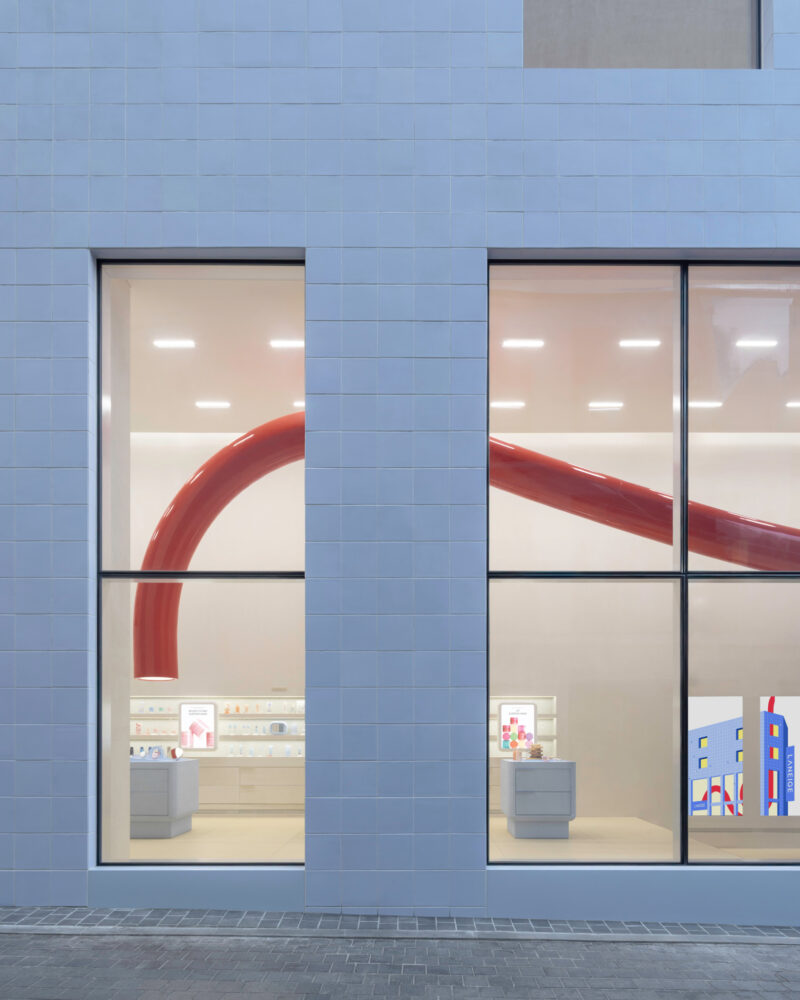
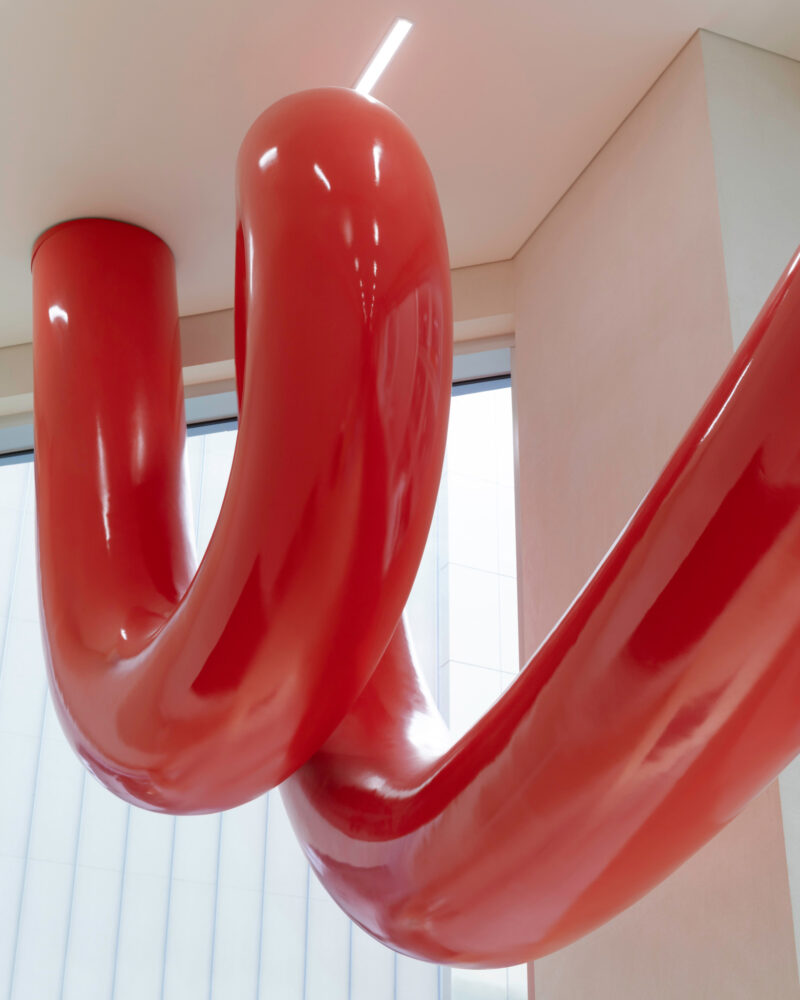
At the heart of the flagship’s identity is a dramatic, sculptural red tube that pierces the lobby, spiraling upward through the building’s core before breaking through the roof toward the sky. This is not merely an aesthetic choice; it serves as a visual umbilical cord, a constant, vibrant thread that guides visitors through the distinct identities of each floor.
Jeff Franklin, co-founder of PlayLab, notes that the design philosophy was rooted in the inherent challenge of retail beauty: products are physically small, often becoming lost or eclipsed by their surroundings. "We wanted to make spaces and installations that portrayed the products’ unique attributes at the larger human scale," Franklin explains. By scaling up the experience, PlayLab has successfully elevated the brand’s bespoke skincare offerings into physical, immersive environments.
Chronology: Crafting a New Retail Paradigm
The development of the Laneige flagship was a meticulous exercise in balancing the brand’s heritage of "skincare science" with a modern, experiential mandate.
- Conceptualization Phase: PlayLab, Inc. began by deconstructing the Laneige customer journey. The team moved away from the "inventory-first" model, choosing instead to focus on the "interaction-first" model.
- Structural Integration: The building was reconfigured to accommodate massive, bespoke installations that would serve as the anchor for each level. The iconic red tube was integrated early in the design process to ensure structural coherence across the four floors.
- Material Selection: The studio selected a curated palette of stone, metal, plaster, and lacquer. This restraint provides a "clean, comfortable aesthetic" that acts as a neutral canvas, allowing the bold, color-coded installations to stand out as the protagonists of the space.
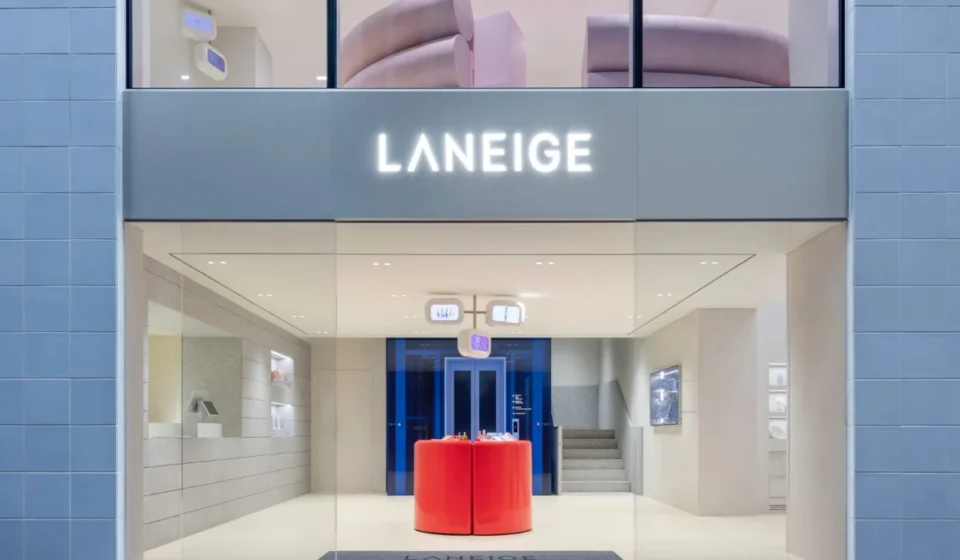
- The Facade Transformation: Addressing the visual noise of Myeongdong, the exterior was encased in blue tile. This creates a calm, bright, and recognizable beacon in a chaotic district, signaling a transition from the bustle of the city to the serenity of the brand’s interior world.
The Three Pillars of Customization
The true innovation of the Laneige flagship lies in its operational core. The space hosts three primary bespoke experiences, each utilizing advanced technology to synthesize a unique product for the individual customer.
1. The Lip Sleeping Mask Lab
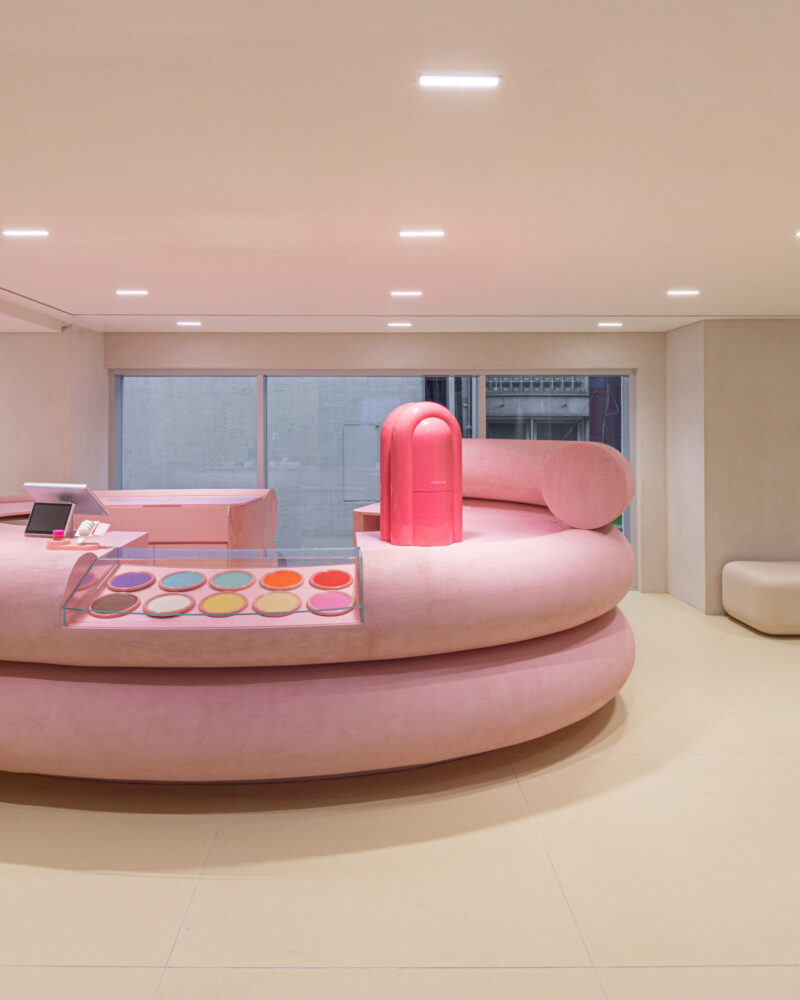
Drawing inspiration from the whimsical aesthetic of an ice cream parlor, this station allows visitors to curate their own version of the brand’s signature Lip Sleeping Mask. With ten distinct scents and a complex array of mixing options, customers can explore up to 45 unique combinations, turning a routine purchase into a creative ritual.
2. The Neo Cushion Glow Atelier
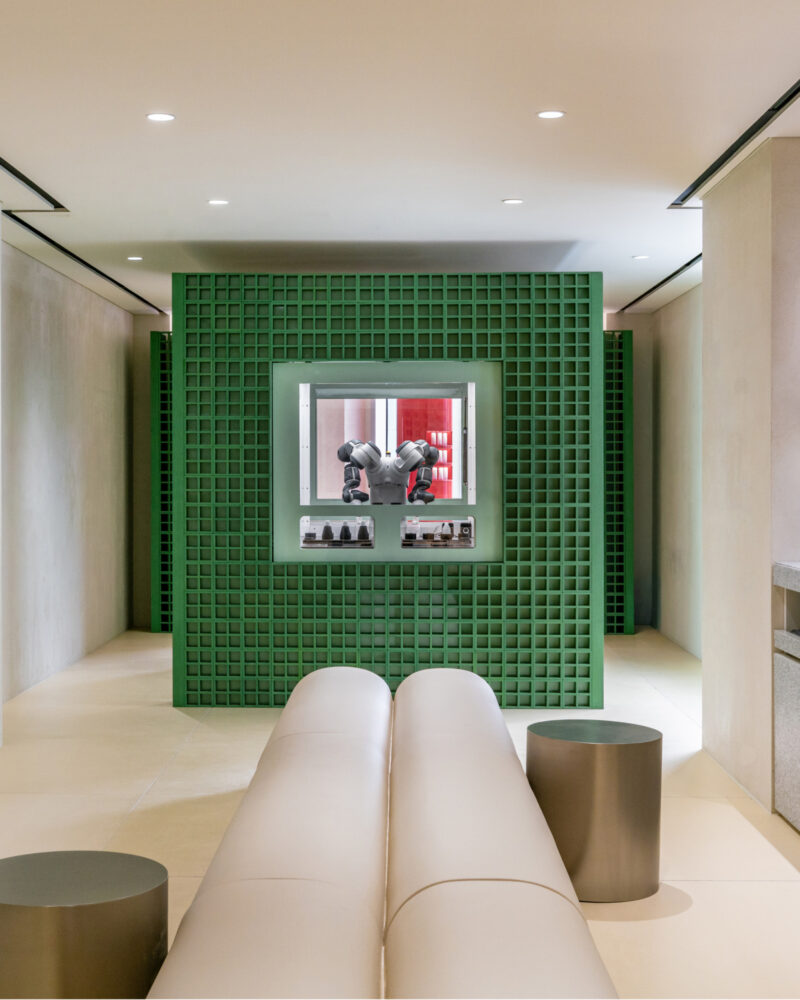
The process of matching foundation is often fraught with trial and error. Here, Laneige has implemented a one-on-one color consultation process. Customers are analyzed to find their perfect match among 150 possible shades. Once selected, a robotic arm on-site manufactures the compact in real-time, highlighting the brand’s commitment to precision and speed.
3. AI-Driven Cream Skin Formulation
Perhaps the most sophisticated offering is the AI-powered skin analysis station. By scanning the customer’s skin, the technology generates a data-backed formula for the brand’s popular Cream Skin product. The system selects from 25 possible formula variations, which are then mixed on-site, providing a product that is as biologically relevant as it is personal.
Supporting Data: Why Experience Matters
The shift toward "experiential retail" is not merely a design trend; it is a strategic necessity in the current economic climate. According to retail industry analysis, physical stores that integrate high-touch, personalized services see a significantly higher dwell time than those that function purely as points of sale.
- Dwell Time: By designing the store as a vertical journey, Laneige encourages customers to spend more time within the ecosystem. The red tube, acting as a navigational anchor, serves as a "call to adventure" that encourages foot traffic to the upper floors.
- Conversion Rates: The inclusion of on-site customization—such as the robotic production of the Neo Cushion—increases the perceived value of the product. When a customer participates in the creation of their product, their emotional investment in the brand increases, leading to higher customer loyalty and repeat visits.
- Digital Integration: The use of AI skin analysis bridges the gap between digital data and physical product, providing a seamless "phygital" (physical + digital) experience that is becoming the gold standard for luxury beauty brands.
Official Responses and Creative Intent
Jeff Franklin and the PlayLab team describe the project as a deliberate move away from the "silent" retail of the past. By using the store as a canvas for large-scale installations, they aimed to make the abstract science of skincare feel tangible.
"We aimed to use the bespoke skincare installations to create places for discovery, making each floor a unique experience and drawing people up through the building," says Franklin. The studio’s approach highlights a fundamental truth about modern luxury: it is no longer defined by the exclusivity of the product alone, but by the exclusivity of the process. By making the manufacturing process visible—such as the robotic arm visible through a yellow perforated panel—Laneige is demystifying its science while simultaneously elevating its aesthetic.
Implications: The Future of Beauty Retail
The Laneige flagship in Seoul acts as a blueprint for the future of the global retail industry. As e-commerce continues to dominate the convenience-based market, physical brick-and-mortar stores are being forced to reinvent their purpose.
The Death of the "Shelf-Only" Store
The primary implication of this project is the decline of the traditional shelf-filled store. For a brand to justify the cost of high-rent real estate in districts like Myeongdong, the store must function as a marketing billboard, a community hub, and a production facility all in one.
The Rise of Architectural Storytelling
Laneige has proven that architecture can be used as a narrative tool. The red tube is not just a piece of art; it is a storytelling device that guides the customer through the brand’s history and values. Future retail designs will likely favor this "sculptural narrative" over standard interior layouts.
Sustainability and Efficiency
While the store is expansive, the efficiency of on-site customization—mixing products based on demand rather than pre-packaging bulk inventory—points toward a more sustainable retail future. By creating products on-demand, brands can significantly reduce waste and storage requirements, a shift that is likely to gain momentum across the beauty industry.
Conclusion
Laneige’s Seoul flagship is a triumph of design and strategy. By prioritizing the "human scale" of beauty, PlayLab, Inc. has managed to turn the sterile environment of a laboratory into a vibrant, living space. The store does not just sell cream, masks, and foundation; it sells the experience of being understood. As the retail sector continues to evolve in the wake of digital transformation, this flagship stands as a reminder that the most powerful thing a brand can offer is not just a product, but a journey that the customer can participate in, inhabit, and remember. Through its bold color, clever technology, and vertical flow, Laneige has successfully ensured that its product remains the focal point of a grander, more imaginative, and profoundly personal architectural vision.