Breaking the Noise: How Brands Can Overcome Peak Social Media Saturation Through Insight-Led Strategy

By Global Business Insights Desk
Published: October 2026
Main Facts: The Crisis of Content Overload
It is time to pull the ripcord on creating content for content’s sake. Across boardrooms and digital marketing agencies worldwide, a unified sentiment echoes with exhausted frequency: social media saturation has reached a boiling point, leaving audiences overwhelmed and social media professionals thoroughly burnt out. Like the endless, memory-draining tabs open in a web browser, keeping up with the relentless stream of information in modern social feeds has become entirely unsustainable.
Today, more than 5.5 billion people actively use social media worldwide, with the average individual spending approximately two hours and 20 minutes on social networks every single day. Yet, audiences are simultaneously everywhere and nowhere. Modern network algorithms increasingly surface content based on hyper-specific user interests rather than tangible human connections.
When paired with the rapid-fire pace of meme culture and an unprecedented deluge of AI-generated content flooding daily feeds, a hard ceiling has emerged. Consumers simply cannot mentally and emotionally process the sheer volume of posts competing for their attention. To combat this, industry leaders are turning away from the traditional, high-volume posting model, pivoting instead toward strategies rooted in quality, originality, and data-driven resonance.
Chronology: The Evolution of the Content Treadmill
To understand how the digital ecosystem arrived at peak saturation, it is necessary to examine the historical trajectory of brand publishing and platform shifts over the past two decades:

- The Early Era of Organic Reach (Pre-2015): Social media platforms operated primarily on chronological timelines. Brands could rely on straightforward, frequent posting schedules to secure organic visibility, and attention spans—averaging roughly 2.5 minutes in the mid-2000s—accommodated longer-form text and static imagery.
- The Algorithmic Pivot (2015–2020): As user bases expanded into the billions, chronological feeds gave way to algorithmic discovery. Networks began prioritizing engagement, driving brands to increase output. Short-form video formats emerged, drastically accelerating the speed of cultural trends.
- The Attention Span Compression (2020–2023): Research data highlighted a dramatic contraction in human screen attention spans, dropping from minutes to a fleeting 47 seconds by 2023. Despite this decline, the pressure on social media managers to churn out higher volumes of content intensified.
- The AI Slop Deluge (2025–2026): The rapid commercialization of generative artificial intelligence flooded feeds with low-quality, automated content. By mid-2026, social listening metrics recorded tens of millions of mentions regarding "AI slop," prompting major platforms like LinkedIn to introduce dedicated reporting features that flagged over one million pieces of substandard content within a single month.
- The Strategic Reset (Late 2026 and Beyond): Forward-thinking enterprises began pulling back on high-frequency, low-impact publishing schedules. Brands started adopting "less is more" frameworks, prioritizing original storytelling, audience-informed edutainment, and niche cultural alignment over blind volume metrics.
Supporting Data: By the Numbers
The crisis of social media saturation is validated by a robust body of empirical research, benchmark studies, and consumer surveys gathered throughout 2025 and 2026:
- Global Usage: Over 5.5 billion people use social media worldwide, dedicating an average of 2 hours and 20 minutes daily to these platforms.
- Brand Output: According to industry content benchmarks, brands published an average of 9.5 posts per day across networks in 2024, with specific media and consumer-facing sectors multiplying that figure significantly higher (some averaging up to 64 posts daily).
- Attention Metrics: Human screen attention spans have plummeted dramatically, dropping from 2.5 minutes in 2004 to just 47 seconds by 2023. Furthermore, 44% of consumers state they will only watch video content longer than one minute if the initial five seconds immediately capture their interest.
- The AI Slop Phenomenon: Between December 2025 and August 2026, social listening tools tracked more than 10.8 million direct mentions of "slop" or "AI slop" across public networks. Within a single month of launching an AI-flagging tool, LinkedIn recorded over 1 million user reports.
- Consumer Priorities: A Q3 pulse survey revealed that one-third of consumers consider the originality of a brand’s content to be the primary factor making a brand stand out as a favorite—ranking second only to core product and service quality. Additionally, 84% of consumers agree that it is essential for corporate social content to actively keep pace with authentic online culture.
Official Responses and Industry Insights
As marketing departments grapple with declining organic engagement rates and mounting platform fragmentation, industry leaders and corporate pioneers are speaking out on the imperative for strategic transformation.
"The pressure on social teams to continually do more has reached a breaking point," notes a lead strategist at a major digital insights firm. "When 87% of marketers report planning to expand their presence to new social networks simply to chase declining engagement, they aren’t solving the problem—they are merely adding to the ambient noise."
Enterprise brands are beginning to heed these warnings by fundamentally restructuring their operational workflows. For example, enterprise tech provider BMC experienced a critical turning point when social intelligence data revealed that their audience consistently favored in-depth thought leadership over one-off promotional assets. Rather than adhering to a rigid quota of daily posts, BMC overhauled its narrative strategy. The company launched The BMC Briefing, a monthly LinkedIn editorial experience packaging product education, customer case studies, and industry perspectives into a cohesive narrative format.
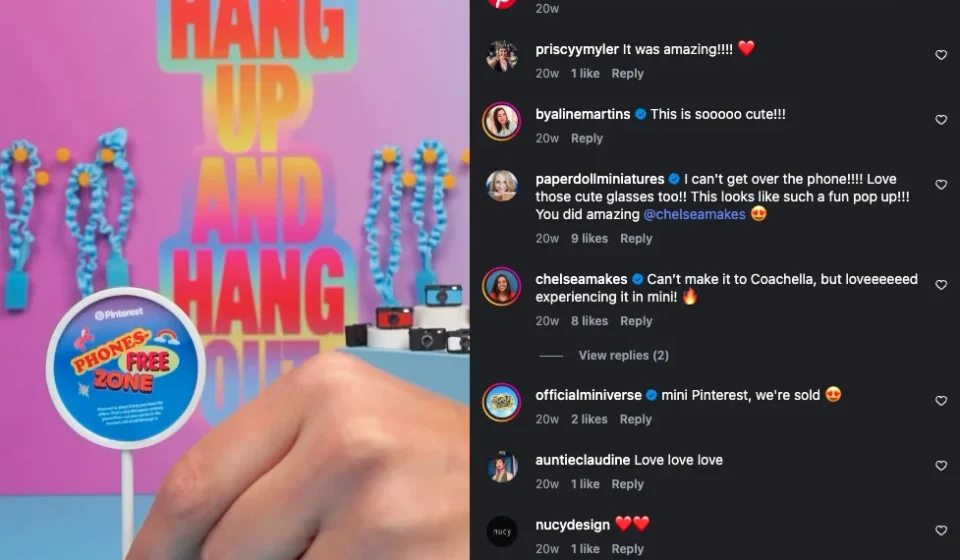
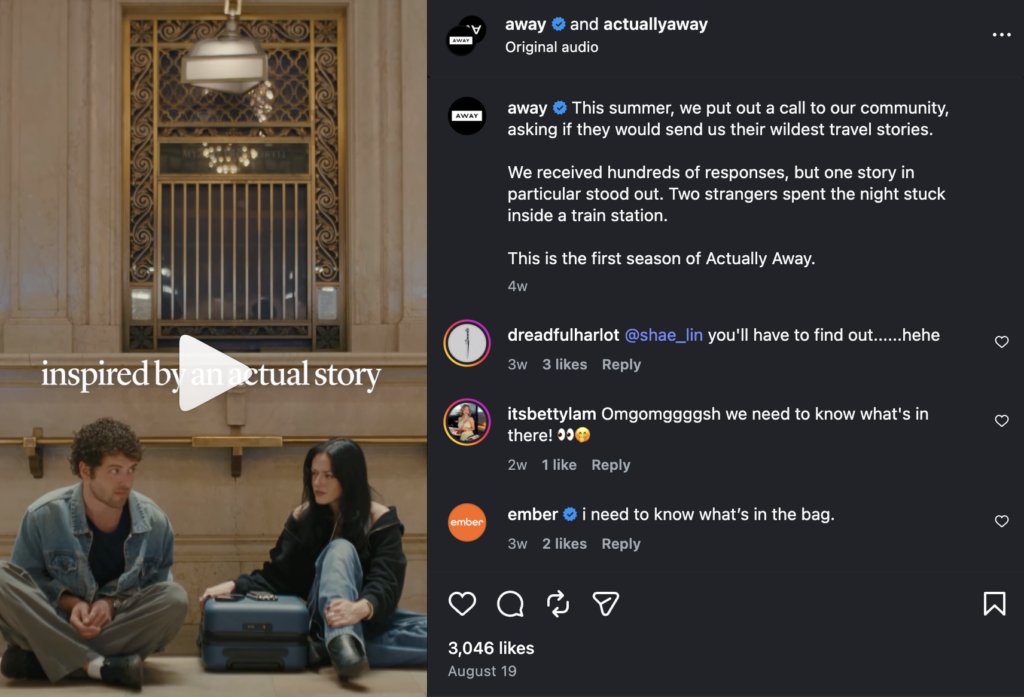
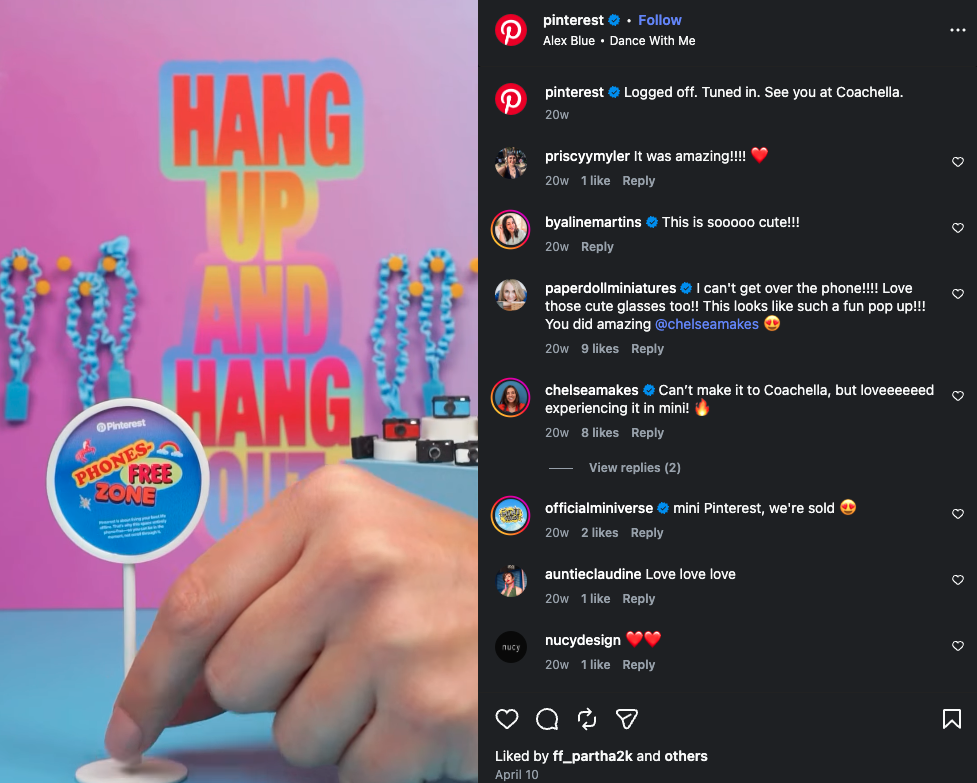
Similarly, consumer brands are experimenting with originality to combat fatigue. Travel brand Away and apparel retailer Nuuly have turned to "microdramas"—narrative-driven video series that showcase products within an entertaining, escapist storyline designed to cut through uniform corporate feeds. Furthermore, Pinterest made waves with its physical, phone-free Coachella activation, deliberately bucking the digital-first trend by leaning into an "analog aesthetic" that saw a 260% surge in platform searches.
Implications: A New Playbook for Social Success
The era of unchecked content production is officially over. For marketing professionals, executives, and digital strategists, navigating peak social media saturation requires adopting new operational rituals and redefining what constitutes success.
1. Shift from Volume to Originality
In a digital landscape saturated with automated content and uninspired templates, original thought is the ultimate differentiator. Brands must lean into their unique organizational strengths and proprietary insights—elements that automated competitors cannot replicate.
2. Calibrate Content Around Generative and Generational Nuances
Understanding audience preferences is no longer optional. While short-form video dominates, data shows distinct generational divides: Gen Z viewers are far more tolerant of longer-form video content in their feeds compared to older demographics. Social teams must leverage granular audience analytics to tailor post length, format, and distribution channel precisely.
3. Practice Disciplined Trendjacking
While 84% of consumers expect brands to engage with modern internet culture, uncalculated trend participation contributes directly to digital pollution. Organizations must deploy a data-first approach—using social listening tools to verify whether a cultural moment genuinely aligns with brand values before jumping into the conversation.
4. Redefine Success Metrics
Traditional metrics centered purely on reach and raw impressions often mask underlying audience fatigue. Forward-looking social teams are shifting their focus toward engagement quality—prioritizing meaningful metrics such as comments, shares, community growth, and active community participation over passive eyeballs.
Ultimately, social media saturation presents both a formidable challenge and a profound opportunity. By scaling back excessive publication volumes, embracing authentic original storytelling, and grounding strategies in rigorous social intelligence, brands can break through the noise and build lasting, resonant connections with their audiences.
Frequently Asked Questions
What is social media saturation?
Social media saturation is the point at which the volume of content published to social feeds outpaces audiences’ capacity and willingness to consume it. The result is a diminishing return on investment: more content is produced, attention per post decreases, and engagement rates decline.
Is social media marketing oversaturated?
Yes. Organic social media is oversaturated by virtually every measure of per-post return. While content volume has held steady or risen, engagement rates have dropped across nearly major network. However, “oversaturated” does not mean ineffective—it simply means the cost of consumer attention has increased, and undifferentiated content no longer clears the bar.
How much content are brands publishing on social media?
According to industry content benchmark data, brands publish an average of 9.5 posts per day across networks. Consumer-facing industries and digital media publishers frequently exceed this baseline significantly, with some media brands averaging upwards of 64 posts daily.
How can brands overcome social media saturation?
Brands can overcome saturation by shifting from high-volume output to specificity and high-impact storytelling. Effective tactics include producing fewer, more original pieces of content; investing in serialized, recognizable narratives; practicing disciplined, data-backed trend engagement; and measuring success through qualitative resonance rather than raw reach.
Related posts: