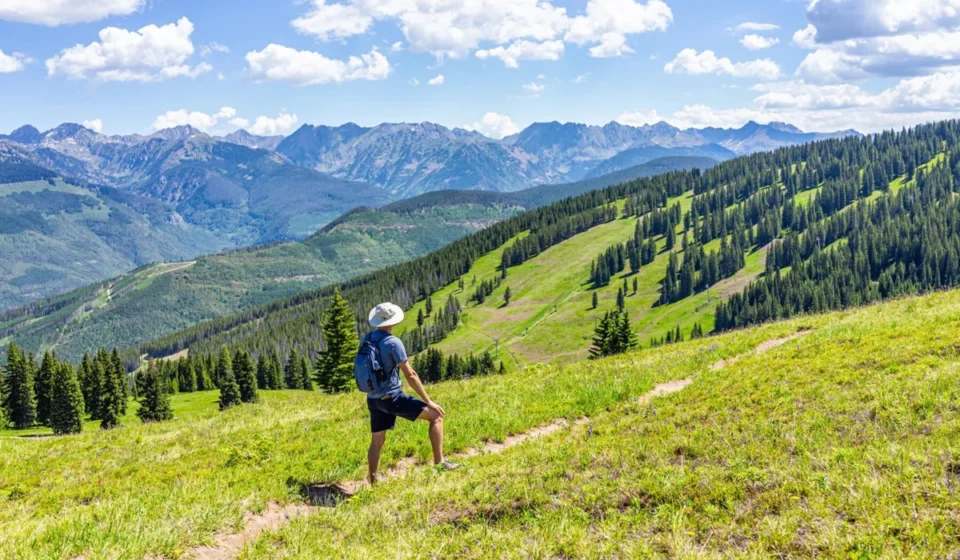

Nestled in the heart of the White River National Forest, Vail, Colorado, is synonymous with world-class skiing. For decades, the name has conjured images of powder-dusted bowls, glitzy après-ski lodges, and the high-altitude charm of a Bavarian-inspired village. Yet, beneath the veneer of its status as a premier global ski destination lies a history as rugged as the peaks that surround it and a cultural landscape that flourishes long after the snow melts.
From the ancestral footsteps of the Ute and Arapaho nations to the clandestine training grounds of World War II soldiers, Vail’s identity is a complex tapestry. Today, the town is evolving into a year-round sanctuary for those seeking more than just a descent on skis—offering everything from historical pilgrimages to surreal encounters with local wildlife.
The Ancestral and Industrial Foundations
Indigenous Stewardship
Long before the first chairlift was installed, the Gore Range and the Eagle River Valley served as vital seasonal hunting grounds for the Ute and Arapaho peoples. For centuries, these groups navigated the challenging topography with intimate knowledge of the seasons. To the Ute, the high alpine basins were not merely a backdrop, but a living resource. Their presence in the region was defined by a nomadic, respectful engagement with the land, moving to lower elevations as the harsh, unforgiving winters took hold.
The Crucible of Camp Hale
The modern incarnation of Vail finds its deepest roots in a period of intense global conflict. In the early 1940s, the U.S. Army identified the area near Pando—located just south of modern-day Vail—as the ideal location to train soldiers for mountain warfare. This site became Camp Hale.
At an elevation of over 9,000 feet, Camp Hale was the home of the 10th Mountain Division. It was here that thousands of men learned to ski, climb, and survive in sub-zero, high-altitude conditions. These soldiers were not just troops; they were pioneers of outdoor athletics. Many of the men who trained in the biting winds of Camp Hale would return home after the war to found the American ski industry, carving out resorts across Colorado, including the very slopes that define Vail today.
Chronology: From Wilderness to World-Class
- Pre-1900s: The Eagle River Valley is used seasonally by the Ute and Arapaho nations.
- 1942: The U.S. Army establishes Camp Hale to train the 10th Mountain Division.
- 1962: Pete Seibert and Earl Eaton, both veterans of the 10th Mountain Division, officially incorporate Vail.
- 1966: The Eisenhower Tunnel opens, drastically shortening the drive from Denver and catalyzing the town’s growth.
- 1980s–1990s: Vail solidifies its international reputation as a luxury destination, hosting the Alpine World Ski Championships.
- 2022: Camp Hale is designated as a National Monument by President Joe Biden, cementing its historical legacy in perpetuity.
The Modern Appeal: Beyond the Ski Lift
While the winter months draw millions, the "off-season" has become the town’s best-kept secret. As the snow recedes, the landscape reveals a vibrant alpine ecosystem that invites a different kind of exploration.
Romanticism in the High Peaks
Vail has cultivated a reputation as a destination for romantic escapes, and for good reason. With the gondolas running through the summer, visitors can transport themselves to the top of Vail Mountain in minutes. Here, the experience shifts from adrenaline-fueled skiing to serene contemplation. Local outfitters now offer curated mountaintop picnic experiences, where gourmet local fare is paired with panoramic views of the Sawatch Range.
The "Goat" Factor: Wildlife Tourism
Perhaps the most unconventional of Vail’s new attractions is the rise of wildlife-centric tourism. The high alpine meadows surrounding the valley are home to thriving populations of mountain goats. Unlike the shy elk or deer, these sure-footed climbers are often visible near the ridgelines. Local guides have begun offering "goat-watching" treks, providing visitors with a chance to observe these fascinating creatures in their natural habitat while learning about the fragility of the alpine environment.
Supporting Data: The Economics of Elevation
Vail’s transition from a niche ski town to a year-round tourism powerhouse is reflected in its economic metrics. According to recent municipal reports, the summer tourism season now accounts for nearly 40% of the town’s total annual tax revenue.

- Tourism Impact: The Vail Valley generates over $1.5 billion annually in economic activity.
- Visitor Demographics: While winter visitors are predominantly focused on snow sports, summer visitors are increasingly driven by cultural events, including the Vail Dance Festival and the Bravo! Vail Music Festival.
- Environmental Stewardship: With over 17,000 acres of protected forest within the White River National Forest boundaries, the town has invested heavily in sustainable infrastructure to mitigate the impact of its 2.5 million annual visitors.
Official Responses and Strategic Vision
The leadership in Vail, including the Town Council and the Vail Valley Partnership, has shifted its messaging in recent years. The goal is no longer just to sell "skiing," but to sell "mountain living."
"Vail was built by people who understood the grit required to live in the mountains," says a spokesperson for the local tourism board. "Our goal is to honor that legacy by ensuring that our guests experience the history of Camp Hale and the beauty of our wilderness, whether they are on skis, hiking boots, or simply enjoying the village atmosphere. We are moving toward a model of regenerative tourism where visitors leave the valley better than they found it."
The recent designation of Camp Hale-Continental Divide National Monument has provided a significant boost to this narrative, allowing the town to lean into its identity as a site of historical importance rather than just a commercial playground.
Implications: The Future of High-Altitude Living
As climate change alters traditional ski seasons, towns like Vail are being forced to adapt. The implication is clear: the future of the mountain resort depends on diversification.
The "All-Season" Pivot
By focusing on historical education, high-altitude wellness, and wildlife conservation, Vail is insulating itself against the volatility of climate-impacted snow years. The integration of the town into the National Monument system ensures that the surrounding lands are protected from commercial over-development, maintaining the "unlikely" beauty that first drew settlers to the valley.
Challenges of Success
The success of this pivot brings its own set of challenges. Increased summer traffic creates strain on local infrastructure and housing. The town is currently engaged in a massive effort to address workforce housing, recognizing that the very people who facilitate the "romantic mountain experience" must be able to afford to live in the community they serve.
Conclusion: A Town of Constant Reinvention
To walk the streets of Vail today is to witness a town in constant, thoughtful conversation with its past. Whether you are drinking a local brew on a sun-drenched deck while watching mountain goats navigate the cliffs, or standing in the quiet, hallowed grounds of the Camp Hale valley, the spirit of the place remains unchanged.
Vail is a testament to the idea that a location is defined not by its geography, but by the people who choose to inhabit it. From the Ute hunters who moved with the rhythm of the seasons to the soldiers who trained for war on these slopes, the valley has always been a place of resilience. Today, as it opens its doors to a world seeking connection, adventure, and beauty, Vail proves that its greatest assets are not found on a map, but in the enduring, rugged soul of the Rocky Mountains themselves.
For those planning a visit, look past the lift ticket. There is an entire world waiting in the high altitude—a world of history, wildlife, and quiet, mountain-top wonder that is, in every sense, the true heart of the Rockies.