From Vacation Snapshot to Botanical Breakthrough: How an Unsuspecting Tourist Discovered a New Plant Species Online

By Global Science & Nature Desk
Published: September 2026
Main Facts
In a modern triumph for citizen science and digital connectivity, a completely new species of flowering plant has been discovered entirely by accident. The breakthrough began when an unnamed German tourist took a casual photograph of an unusual wildflower while vacationing in the picturesque region of Monchique, nestled in Portugal’s sun-drenched Algarve. Unaware that she was capturing a major piece of botanical history, she uploaded the image to iNaturalist—a popular global online platform where amateur naturalists and everyday citizens record and share observations of plants and wildlife.
The photograph caught the eye of João Farminhão, a discerning Portuguese botanist and researcher at the University of Coimbra’s Centre for Functional Ecology (CFE). Farminhão suspected that the plant might represent a previously unidentified species of toadflax. Following months of investigation, field expeditions, and collaborative academic research, the plant was formally introduced to the scientific community as Linaria alfercensis (commonly known as the Alferce toadflax).
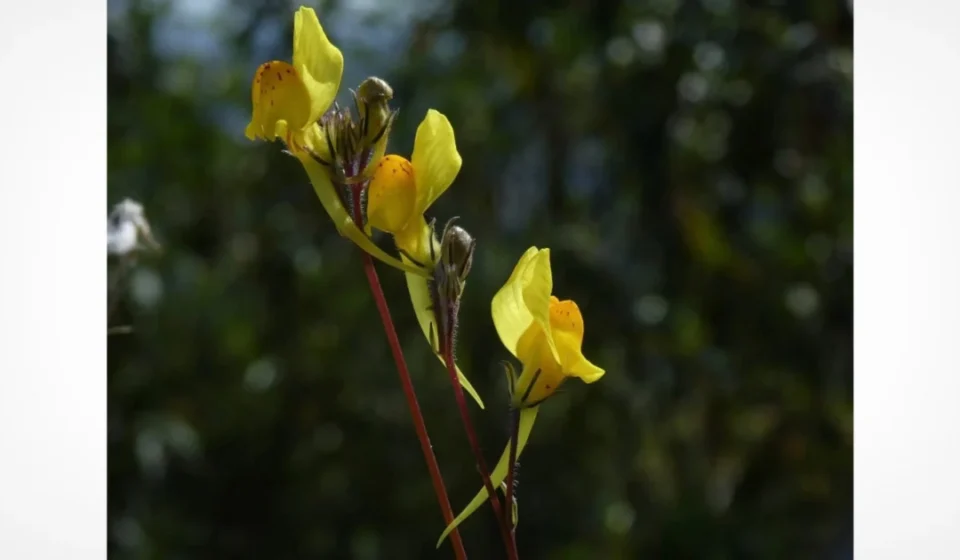
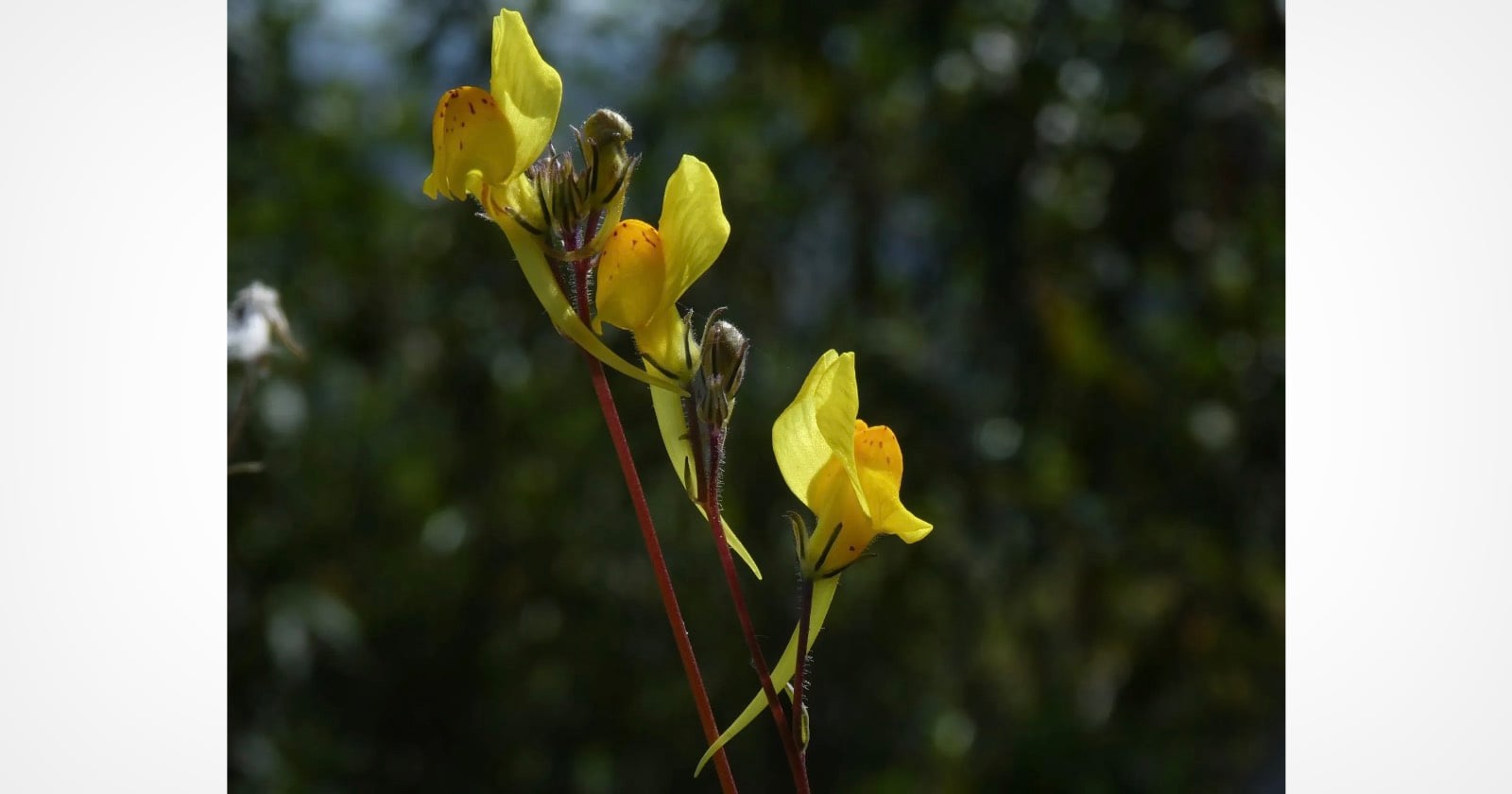
Distinguished by its striking vertical stalk, speckled yellow petals accented with reddish-brown spots, and two dark stripes on the underside, Linaria alfercensis possesses an erect growth habit that immediately sets it apart from its closest botanical relatives. However, the excitement of the discovery is heavily tempered by conservation realities. Botanists have revealed that the species exists in precarious numbers—with only a few dozen individual flowering plants known to survive in the wild—prompting urgent calls for its classification as “Endangered.”
Chronology of a Discovery
The journey from a casual holiday snap to a peer-reviewed botanical classification unfolded over several years, highlighting the incredible potential of crowdsourced biodiversity monitoring.
March 2023: The Vacation Snapshot
During a scenic trip through Portugal, an amateur German traveler explored the mountainous terrain of Monchique in the Algarve. While trekking through the hills of Cerro do Castelo de Alferce, she noticed a slender, striking wildflower growing along the landscape. Captivated by its unique appearance, she snapped a photograph. Upon returning from her trip, she uploaded the image to iNaturalist, initially misidentifying it under a broad, incorrect category common to similar regional flora.
Late 2023 to Early 2024: The Digital Catch
Months later, João Farminhão was browsing observations on iNaturalist as part of his routine interest in regional Mediterranean flora. The tourist’s uploaded image broke through the digital noise. Farminhão noticed subtle morphological anomalies—traits that did not match any known, documented species of toadflax (Linaria) native to the Iberian Peninsula. Recognizing the potential significance, he marked the location data for field verification.
Spring 2024: The Field Expedition
Driven by scientific curiosity, Farminhão traveled to Cerro do Castelo de Alferce in Monchique to locate the exact coordinates provided by the digital record. Navigating the rugged terrain, he successfully tracked down a tiny, isolated population of the mysterious plant. Subsequent collection and morphological analysis confirmed his initial hypothesis: the plant did not match any existing entries in historical botanical literature or taxonomic keys.
August 2026: Formal Publication
Following extensive cross-institutional analysis, Farminhão teamed up with researchers from the University of Lisbon, the University of Barcelona, and Madrid’s prestigious Royal Botanical Garden. Together, they authored a comprehensive taxonomic study formally naming the species Linaria alfercensis. The research was officially published in August 2026, cementing the tourist’s accidental photograph as a watershed moment for modern botany.
Supporting Data and Botanical Characteristics
The scientific classification of Linaria alfercensis sheds light on the rich, yet fragile, biodiversity remaining within the Mediterranean basin—a recognized global biodiversity hotspot.
- Taxonomic Identity: Belonging to the genus Linaria (commonly known as toadflaxes), the plant forms part of the large plant family Plantaginaceae.
- Morphological Features: Unlike many prostrate or sprawling toadflax species that creep along the ground, Linaria alfercensis exhibits a distinctively erect growth habit. Its flowers feature vivid yellow petals adorned with delicate reddish-brown spots, accompanied by two distinct dark stripes running along the underside of the corolla.
- Geographical Distribution: At present, the known global population of Linaria alfercensis is hyper-endemic, confined almost exclusively to a single micro-habitat in Cerro do Castelo de Alferce, Monchique.
- Population Status: Field surveys conducted by the research team indicate that the species is critically restricted, with only a few dozen mature flowering individuals documented in the wild.
Official Responses and Conservation Efforts
The revelation that a new plant species was hiding in plain sight—only to be found on the brink of extinction—has triggered swift reactions from environmental authorities, academic institutions, and conservation groups in Portugal.
Researchers from the University of Coimbra have formally recommended that the International Union for Conservation of Nature (IUCN) classify Linaria alfercensis as Endangered. This high-risk categorization stems from a combination of severe natural and anthropogenic pressures facing the micro-region of Monchique.
Environmental Threats
Botanists have identified several immediate hazards threatening the fragile population of Linaria alfercensis:
- Eucalyptus Plantations: Monodominant commercial eucalyptus forestry in the surrounding hills alters soil chemistry, depletes local water tables, and disrupts native understory ecosystems.
- Invasive Species: Aggressive non-native flora, particularly invasive mimosa acacia (Acacia dealbata), outcompetes native vegetation for sunlight, space, and nutrients.
- Wildfire Vulnerability: The Algarve region has experienced devastating wildfires in recent years. Because Linaria alfercensis is restricted to such a tiny population pool, a single catastrophic fire event could wipe out the entire wild species in a matter of hours.
Implemented Safeguards
In response to the alarming fragility of the discovery, local environmental officials and municipal authorities in Monchique have mobilized. Emergency conservation measures have been enacted around the primary population concentration at Cerro do Castelo de Alferce. These steps include erecting protective physical barriers to prevent accidental trampling by hikers, establishing monitoring zones to track plant health, and launching eradication programs targeting invasive acacia plants in the immediate vicinity.
"This discovery underscores just how much of our natural world remains undocumented, even in well-traveled regions of Europe," notes the research collective behind the study. "It also proves that the general public plays an indispensable role in modern conservation. Without citizen science platforms like iNaturalist, this species could easily have vanished before science ever knew it existed."
Implications for Modern Conservation and Photography
The story of Linaria alfercensis highlights a broader, fascinating trend in modern wildlife and nature conservation: the growing power of accidental photography and digital crowd-sourcing. Everyday shutterbugs, tourists, and casual hikers are increasingly acting as front-line biological sentinels.
This event mirrors other remarkable wildlife rediscoveries and documentations in recent years. Earlier in 2026, nature photographers made headlines across the globe when they captured the first-ever definitive photographic evidence of the Rusty Lark—a small African bird species that had been officially feared extinct for an astonishing 94 years within the Sahel region. Similarly, marine photographers made scientific history by documenting the first-ever recorded instance of humpback whales mating, which stunned biologists further by revealing an encounter between two males.
These milestones send a powerful message to photographers and outdoor enthusiasts worldwide: every image captured in nature holds potential scientific value. Whether through professional telephoto lenses or the camera of a smartphone on vacation, ordinary people are capturing glimpses of biodiversity that escape traditional academic surveys.
As digital platforms like iNaturalist continue to bridge the gap between amateur observation and professional taxonomy, naturalists remain hopeful that more hidden treasures of the natural world will be brought to light—and, crucially, protected before it is too late.
Related posts: