
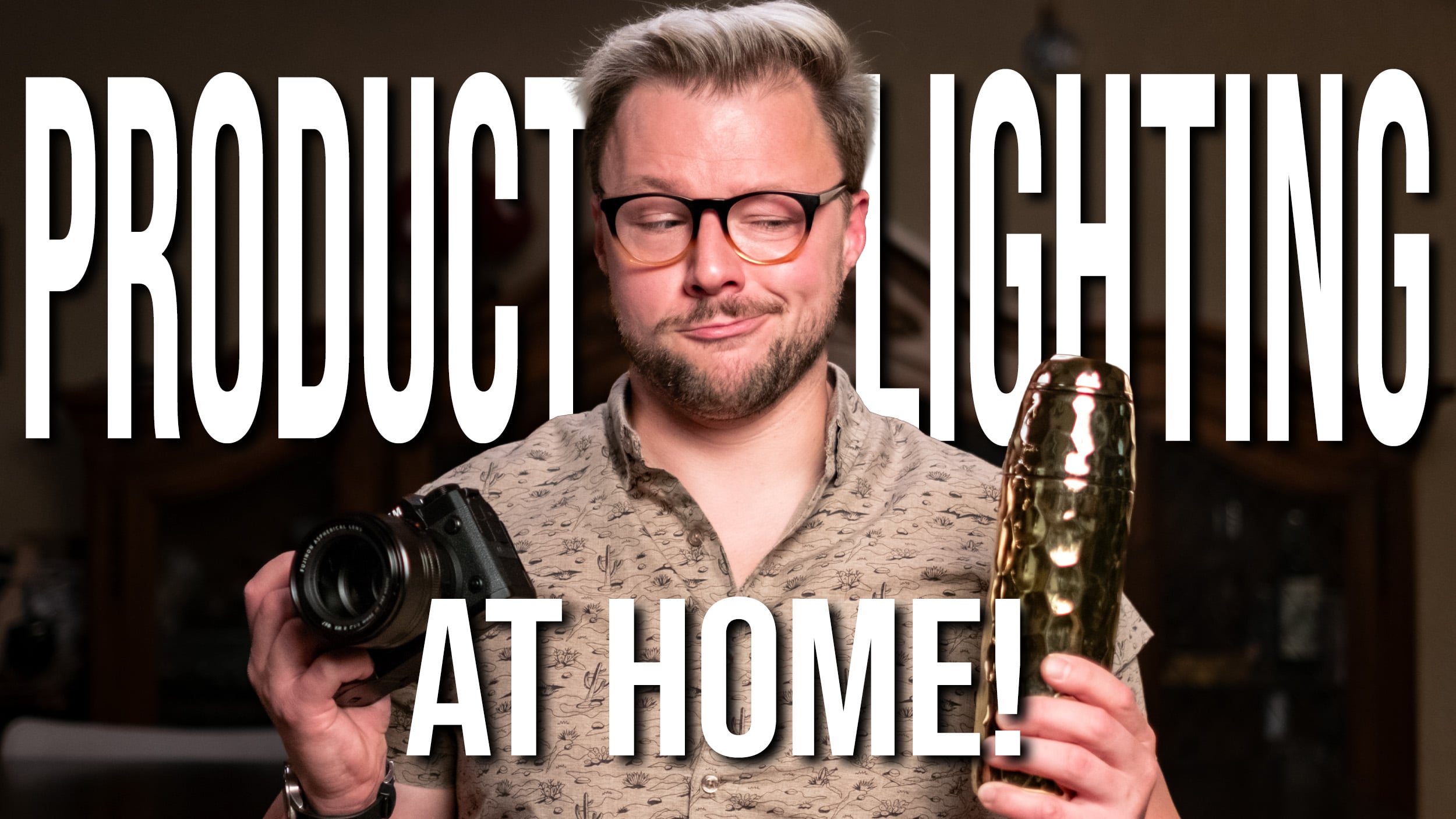
In an era where content is currency, the divide between professional studio production and home-based creative work is rapidly narrowing. Recently, a prominent culinary brand reached out to a content creator to test an unreleased cocktail shaker—a task typically relegated to a mundane feedback survey. Choosing to bypass the standard corporate protocol, the creator opted for a more ambitious route: producing a high-end, cinematic promotional video from the confines of their own dining room.
This project serves as a compelling case study in modern videography, demonstrating that technical expertise, lighting discipline, and creative problem-solving can consistently outperform the constraints of limited space and entry-level equipment.
The Challenge of Reflective Surfaces
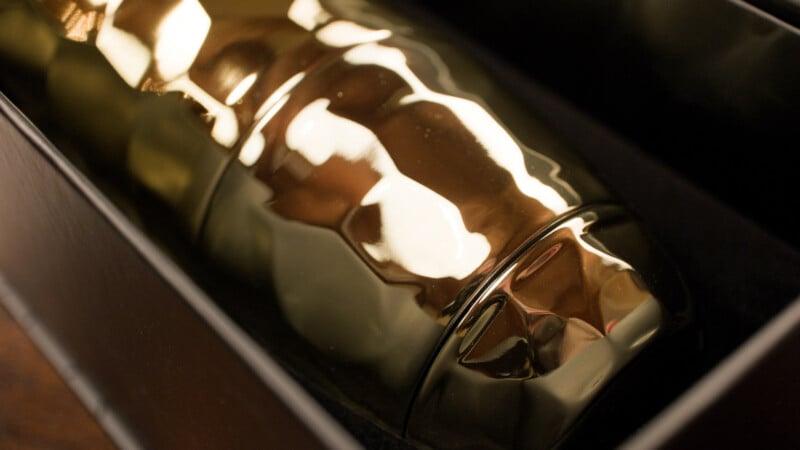
When dealing with high-end kitchenware, aesthetics are the primary focus. The cocktail shaker in question featured a complex, faceted gold design, making it a "nightmare" for traditional product photography due to its extreme reflectivity. Every surface acts as a mirror, catching unwanted ambient light and colors from the room.
Mastering the Light
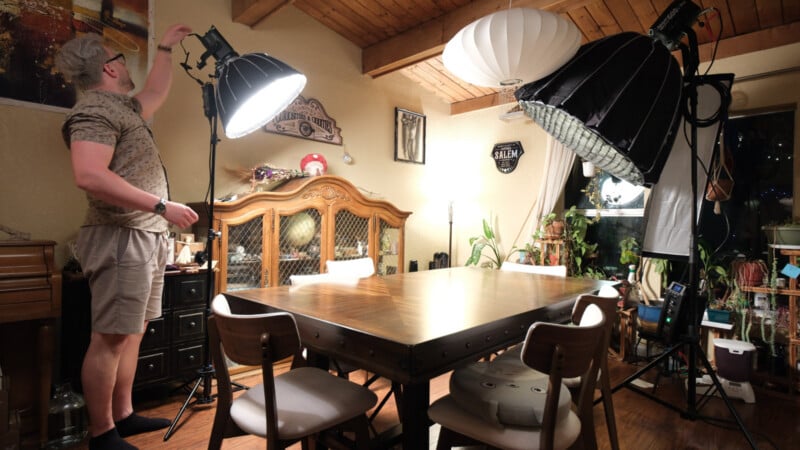
The primary hurdle was total light control. While a professional studio would provide a light-controlled environment, a residential dining room presents a chaotic mix of natural daylight and interior fixtures. The creator adopted a "Plan B" strategy: achieving a near-blackout state by sealing windows with curtains.
By eliminating ambient light, the creator gained total command over the color temperature. They opted for a warm, inviting 2,700K to 2,900K, which complemented the metallic gold finish of the product. This decision illustrates a fundamental rule of cinematography: if you cannot control the room, you must eliminate the room’s influence on your light.
The Lighting Rig Breakdown
To highlight the product’s geometry, the creator utilized a three-point lighting setup, modified to accommodate the reflective nature of the metal:
- The Key Light: An Aputure 600 Bicolor LED equipped with a medium dome softbox. The addition of a grid was critical here; it allowed for the narrowing of the light beam, preventing "spill" onto the background and ensuring the light focused exclusively on the shaker.
- The Edge Lights: To ensure the product didn’t blend into the dark background, two Nanlite 150 units were deployed. One utilized a small circular dome, while the other employed a Godox softbox. Both were fitted with grids to maintain tight control, providing a crisp, clean separation line along the shaker’s edges.
Chronology: From Concept to Final Edit
The production process was structured into three distinct phases: environment preparation, static macro photography, and dynamic movement.
Phase 1: Environment and Setup
Preparation began by transforming the dining area into a makeshift studio. This involved clearing the space, blackout procedures, and the careful positioning of lights. By prioritizing the lighting rig before touching the camera, the creator ensured that the reflections on the gold facets were intentional rather than accidental.
Phase 2: Static Macro and Detail Work
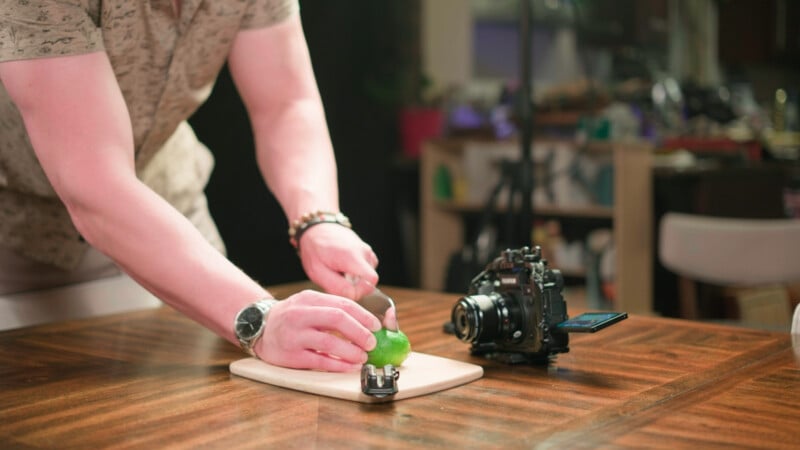
Once the lighting was locked, the focus shifted to macro details. Utilizing a standard tripod, the creator captured the "prep" shots: the tactile experience of slicing citrus and the pouring of ingredients. Manual focus was the tool of choice here, as the precision required for macro videography often defeats the predictive algorithms of modern autofocus systems. Overhead shots, achieved by mounting the tripod directly over the table, provided the necessary "top-down" culinary aesthetic common in modern social media marketing.
Phase 3: Introducing Dynamic Motion
Static shots are rarely enough for high-end product work. The creator implemented two specific techniques to introduce life into the edit:
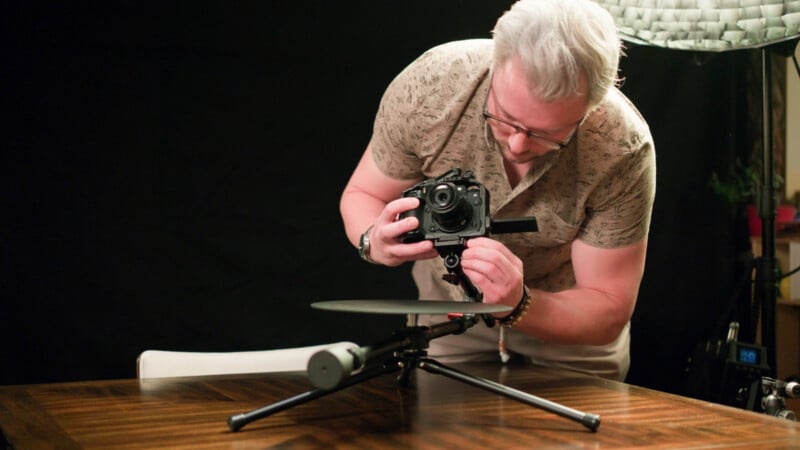
- Turntable Sequences: To capture the way light played across the faceted gold, the shaker was placed on a motorized turntable. This allowed the camera to remain stationary while the product rotated, revealing new light glints and surface details with every degree of turn.
- Slider Ingenuity: The final sequence involved a "tracking" shot of a blade slicing packaging. In a clever reversal of conventional filming, the camera remained stationary while the product moved along a motorized slider. This trick created the illusion of a complex camera dolly movement, proving that perspective is often more important than the actual movement of the sensor.
Supporting Data and Technical Choices
The production relied on a blend of high-end LEDs and standard consumer-grade movement tools. The choice to record in 120 frames per second (fps) for the action sequences—such as pouring liquids—was a deliberate post-production strategy. By shooting at a higher frame rate, the creator gained the ability to slow down the footage in editing, turning mundane actions into "hero" moments that emphasize the premium quality of the product.
Gear List Summary:
- Lighting: Aputure 600 Bicolor, two Nanlite 150s.
- Modification: Medium dome softbox, circular dome softbox, Godox softbox, and various grids.
- Movement: 30-inch motorized slider, small tabletop turntable, standard tripod.
Official Responses and Industry Context
While the culinary brand has not officially released the video as their primary marketing material, the internal reaction to the creator’s unsolicited project has been positive. In the industry, this shift toward "prosumer" content is becoming the standard. Brands are increasingly looking for creators who can produce "studio-quality" results without the overhead of renting a commercial studio space or hiring a full production crew.
The implication here is clear: the barrier to entry for high-quality commercial production is lower than ever. When a single individual can match the production value of a boutique creative agency in their own dining room, it forces companies to reconsider their marketing budgets and their reliance on traditional, high-cost production models.
Implications for Future Content Creation
The success of this project offers a blueprint for independent creators and small businesses alike. The core takeaway is that limitations are often the catalyst for creativity.
1. The Myth of the "Perfect Space"
The creator’s experience proves that you do not need a cyclorama wall or a professional soundstage. By using blackout curtains and controlled lighting, you can effectively "hide" the reality of your environment. This is a critical lesson for creators working in apartments or small home offices.
2. The Power of Intentional Movement
Motion is the primary differentiator between amateur and professional video. Whether it is a slow push-in or a controlled rotation on a turntable, adding a sense of physical travel to a shot elevates the audience’s perception of the product’s value.
3. Psychological Barriers
The most significant hurdle in product videography is not the gear—it is the assumption that one needs the "nicest" equipment. By refusing to accept the "boring" path of a survey and instead challenging themselves to create a professional asset, the creator demonstrated the value of proactive content development.
In conclusion, the modern creator must view themselves as a technician of light and movement. As technology continues to democratize, the difference between a high-end commercial and a home-produced video will no longer be the camera body or the lens, but the discipline of the creator behind the rig. By controlling the environment, meticulously planning the lighting, and executing intentional, precise movements, anyone can elevate a simple product into a premium brand experience. The "studio" is no longer a place you go—it is a state of mind you create.