Beyond Tradition: A Technicolor California Elopement Redefines Modern Nuptials

In an era where the "wedding industrial complex" often demands rigid adherence to expensive, high-pressure traditions, a growing movement of couples is choosing to rewrite the script entirely. Recently, Bryn and Taylor, a couple traveling from Texas to the sun-drenched landscapes of California, demonstrated that the most memorable celebrations are those untethered from expectation. Their two-day elopement—a masterclass in vintage aesthetic, budget-conscious styling, and deeply personal storytelling—offers a refreshing blueprint for what a wedding can look like when joy is the only metric of success.
The Vision: 1960s Americana Meets Ghibli Magic
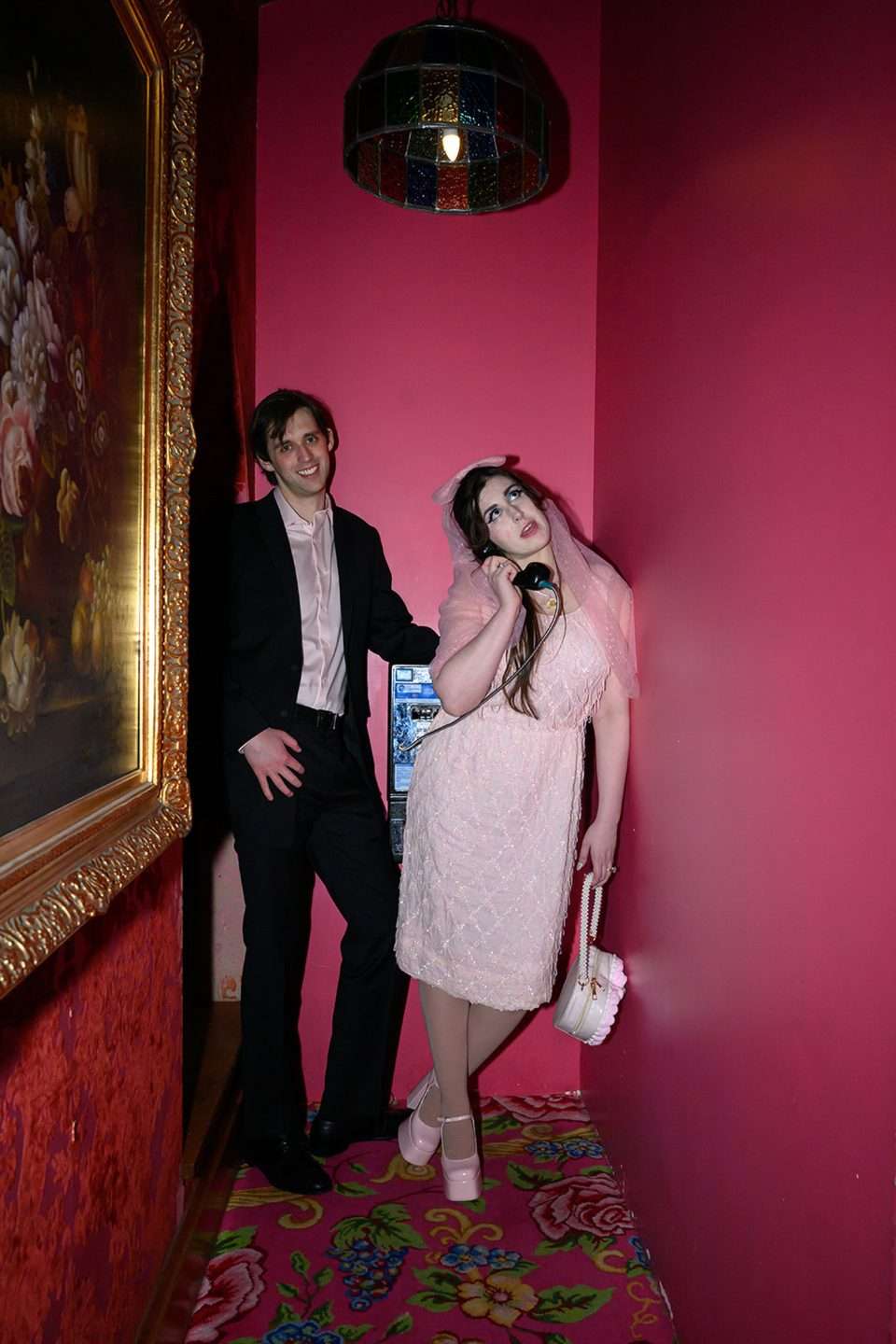
The aesthetic foundation of the weekend was rooted in a specific, whimsical duality. The couple sought to marry the road-trip nostalgia of 1960s Americana with the high-concept, dreamlike atmosphere found in the films of Hayao Miyazaki.
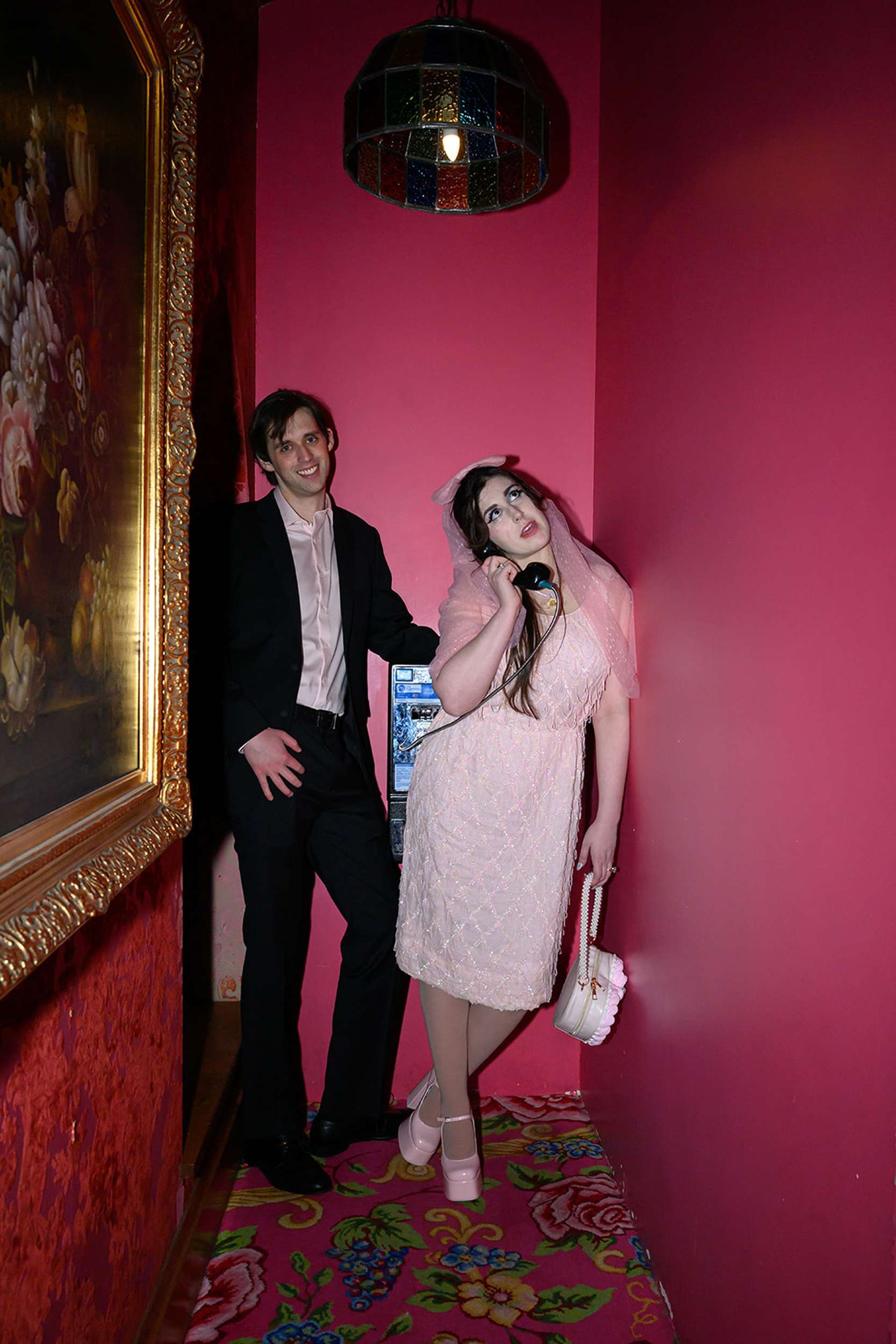
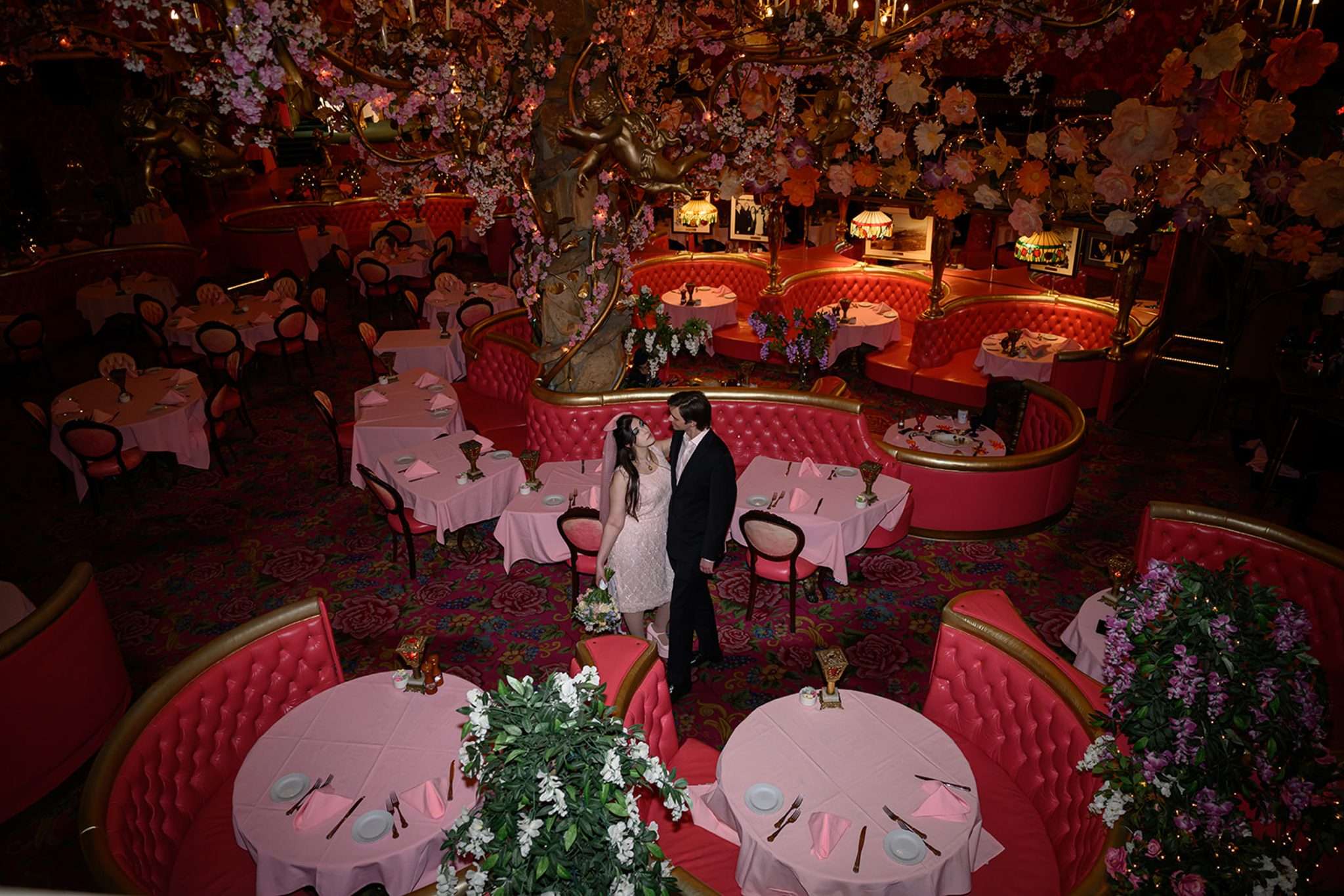
"Bryn’s dream wedding started when she saw the Madonna Inn’s Steakhouse on Pinterest," notes the couple. The iconic, hyper-pink aesthetic of the California landmark served as the perfect backdrop. For Bryn, the venue was a real-world manifestation of Howl’s Moving Castle—specifically, a "girly-pop" reimagining of the protagonist’s bedroom. The surrounding California wilderness, meanwhile, provided the dramatic, ethereal contrast of a star-eating sequence, grounding the playful interior shots with the rugged, windswept beauty of the Big Sur cliffs.
A Chronological Adventure: Two Days of Freedom
Rather than condensing their commitment into a single, high-stress Saturday, the couple opted for a two-day itinerary designed for exploration rather than coordination.
Day One: The Pink Interior
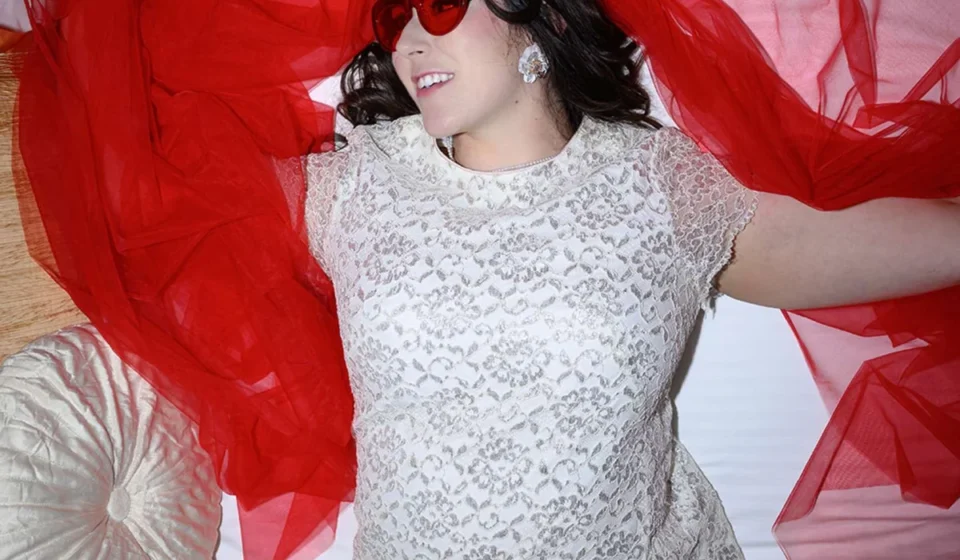
The first leg of their journey focused on the surrealist charm of the Madonna Inn. By eschewing a traditional venue rental and reception, the couple spent their time creating intimate, editorial-style portraits within the hotel’s famous, saturated interiors. Without a guest list to manage or a timeline dictated by catering staff, they were able to focus entirely on the artistry of the day, turning the process of being photographed into an immersive experience.
Day Two: The Cliffs of Big Sur
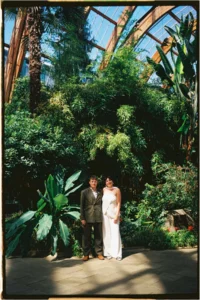
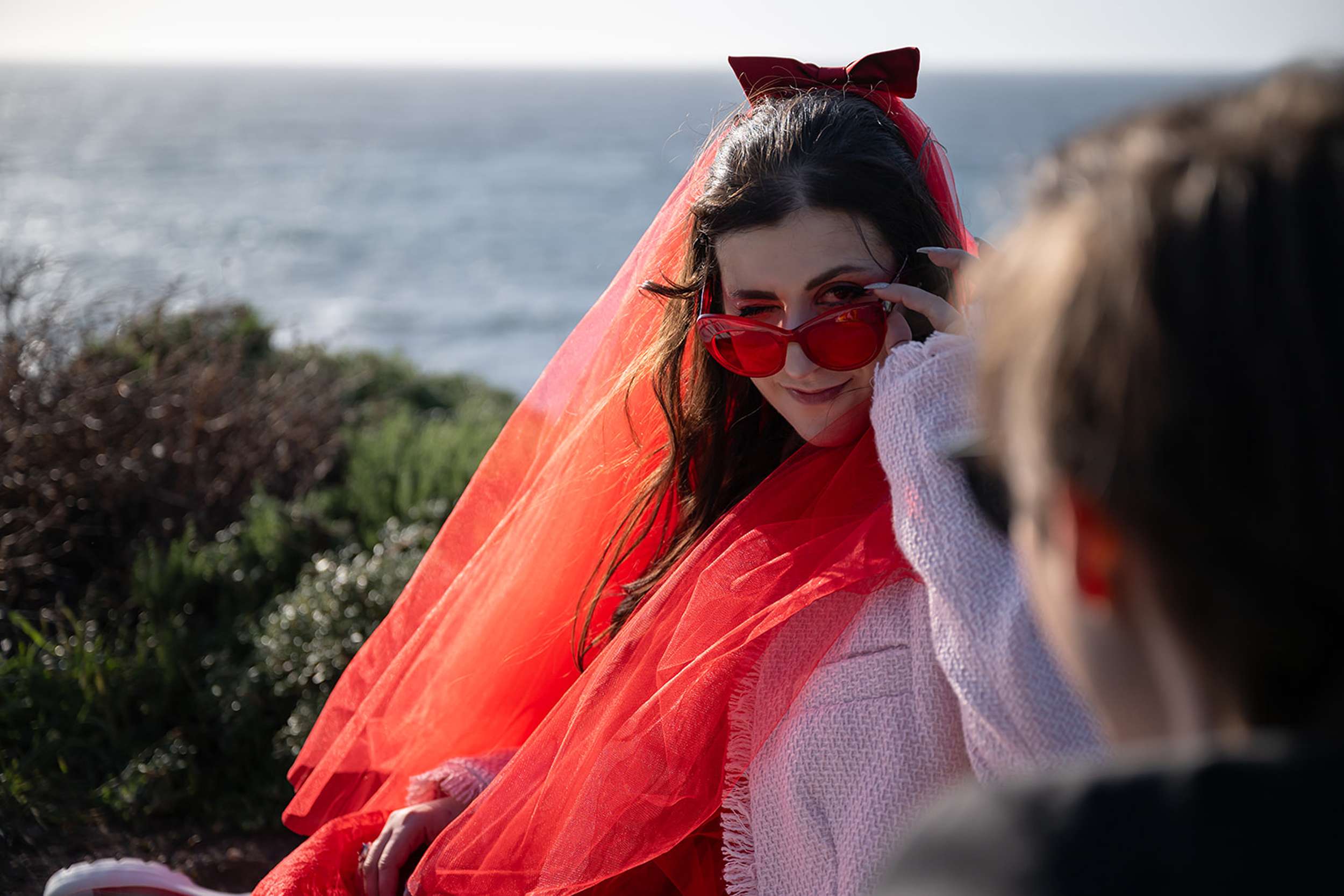
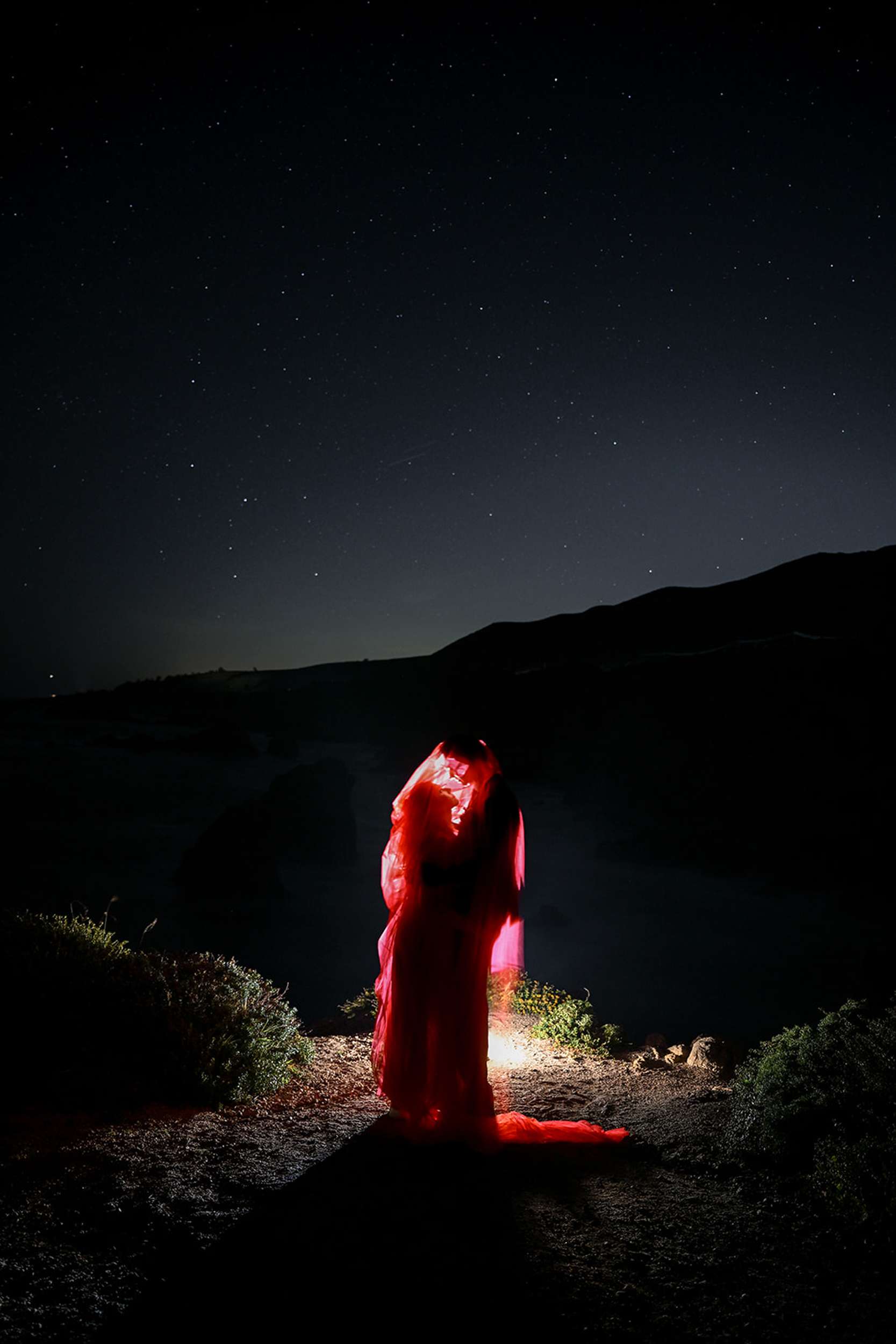
The transition from the kitsch, vibrant pinks of the inn to the moody, expansive blues and greens of Big Sur marked a thematic shift. Here, the focus moved to the natural landscape. It was on these rugged cliffs that the couple solidified their union, trading the chaos of a traditional ceremony for the quiet intensity of the Pacific coastline.
The Aesthetics of Individuality: Vintage Style on a Budget
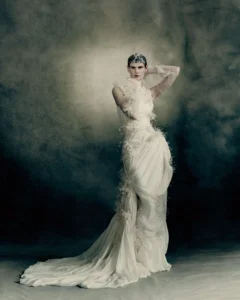
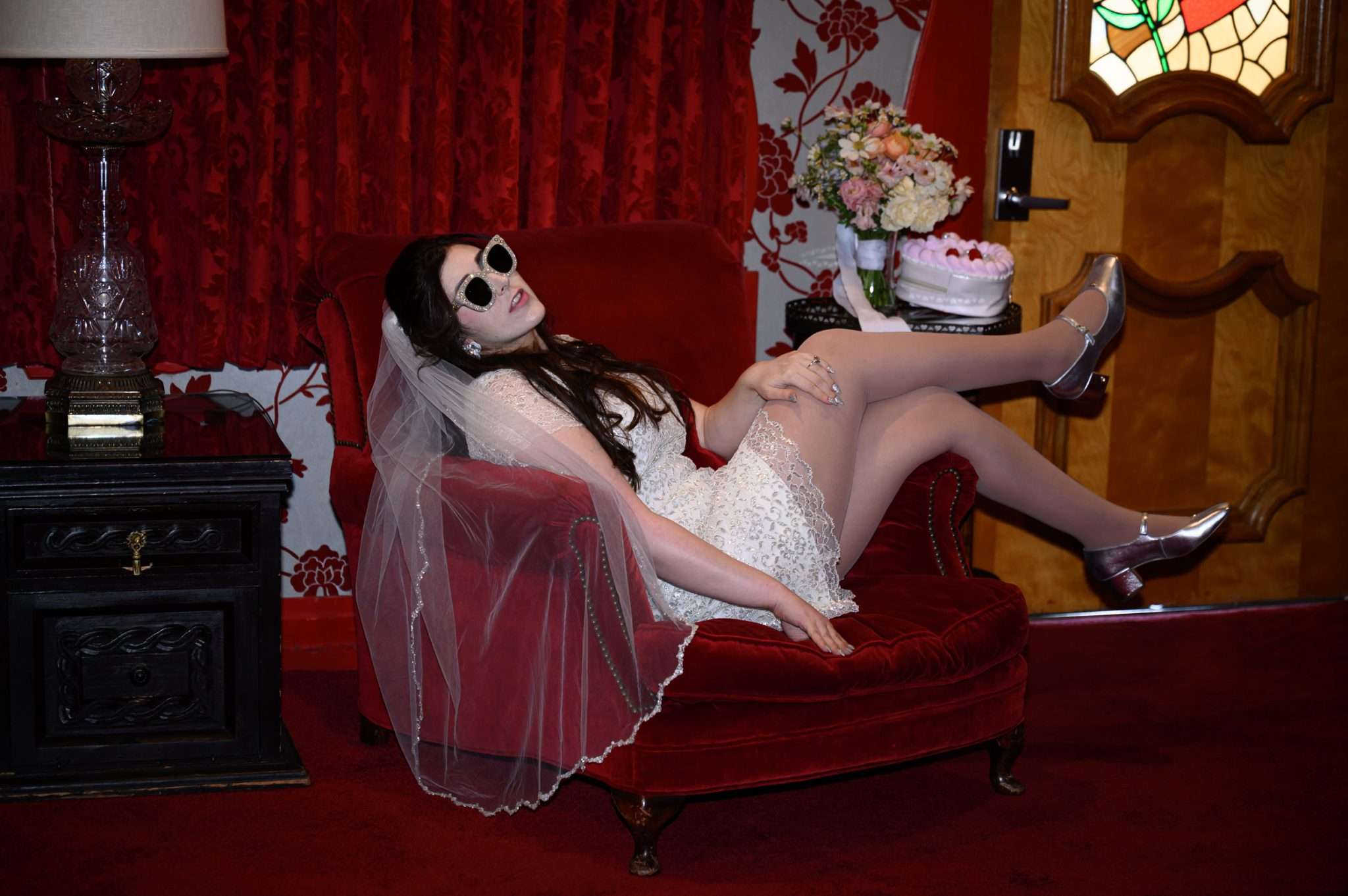
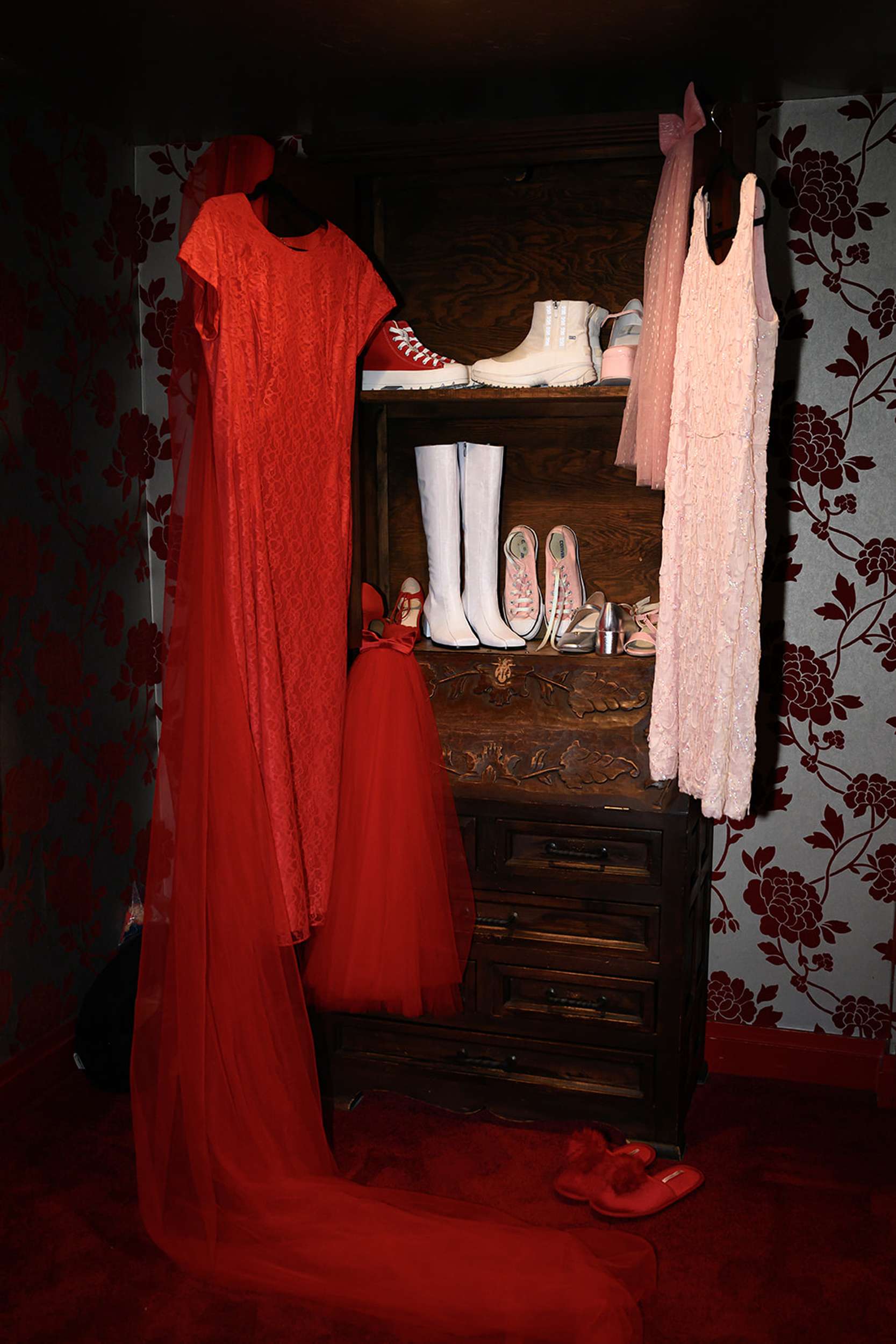
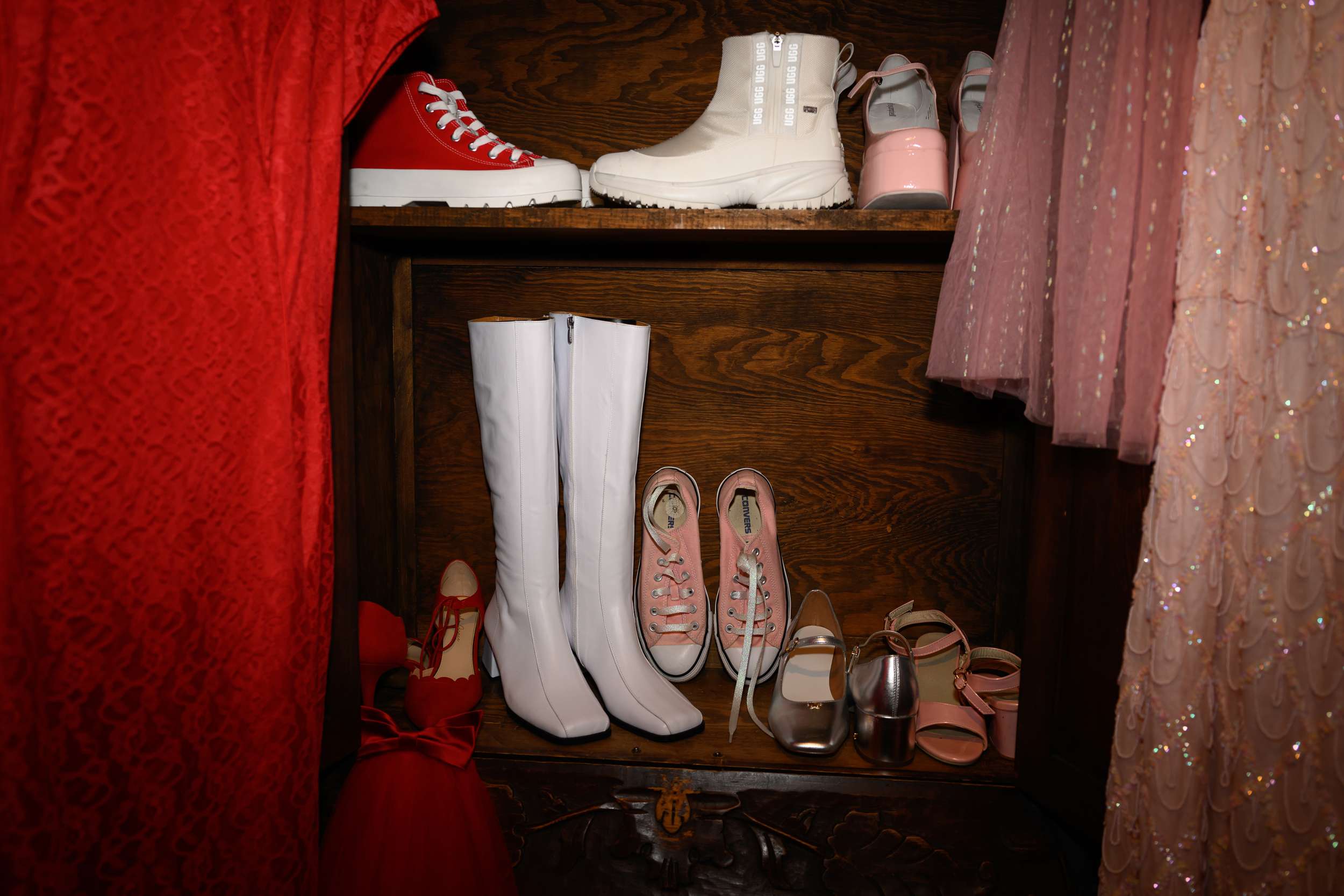
One of the most striking aspects of this elopement was the couple’s commitment to sustainable and high-impact, low-cost fashion. Bryn opted for three distinct vintage dresses, showcasing that high-fashion bridal looks do not require a five-figure budget.
"Buying vintage pieces was not only more cost-effective, but also allowed for greater individuality," Bryn explains. "What are the chances of someone else having the same 60-year-old dress as you? It was also fun to breathe new life into quality pieces that have been sitting in storage or in the back of a grandmother’s closet for decades."
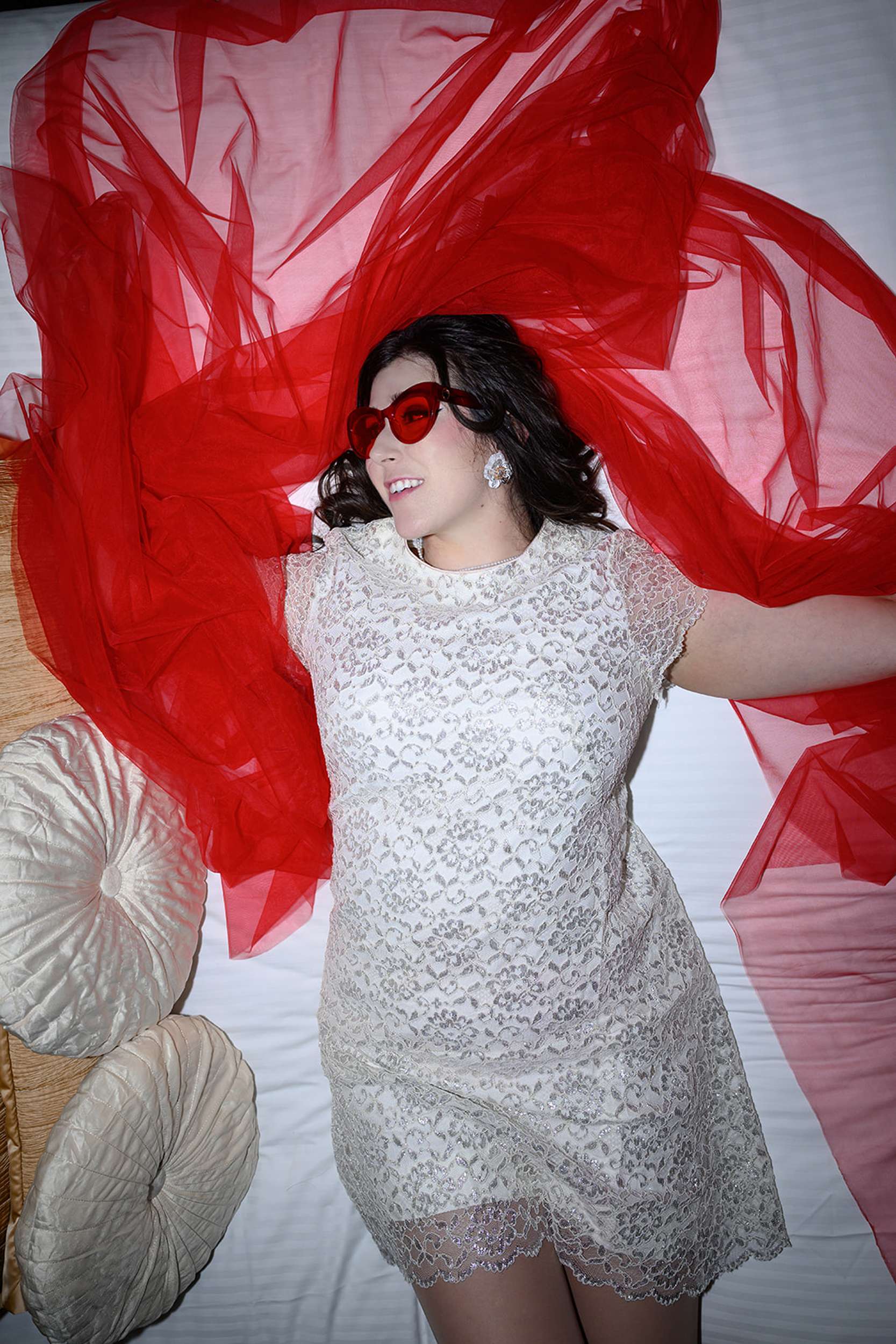
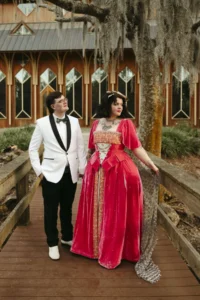
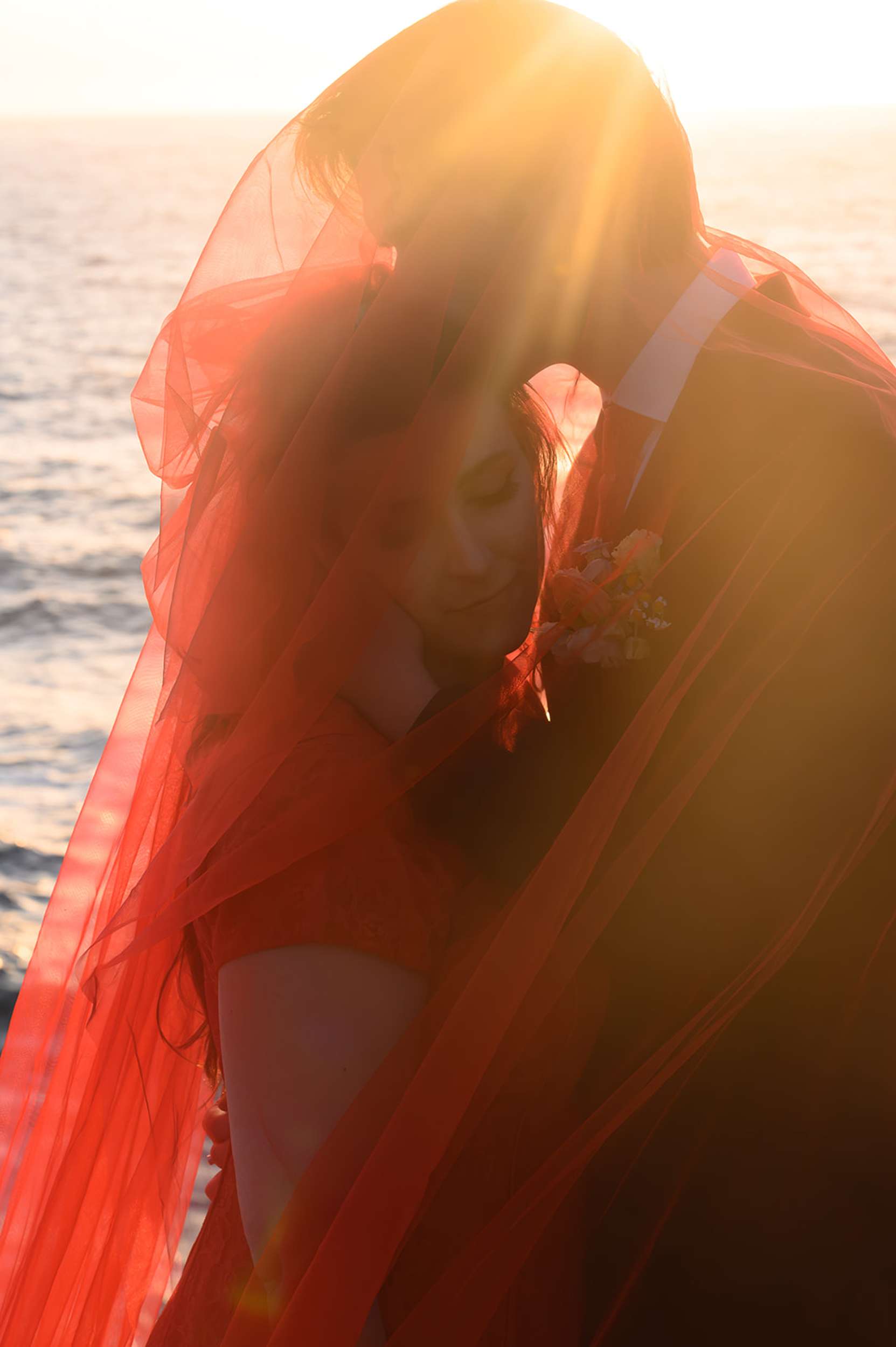
Two of the gowns were sourced for under $100, while the third remained under $200. To accessorize, Bryn utilized custom Etsy veils, complemented by a dramatic long red veil from Amazon that served as a visual anchor against the dramatic backdrop of the Big Sur cliffs. Taylor, matching the retro-glamour vibe, donned a vintage blue tuxedo that was sourced secondhand and professionally tailored to ensure a modern, sharp fit.
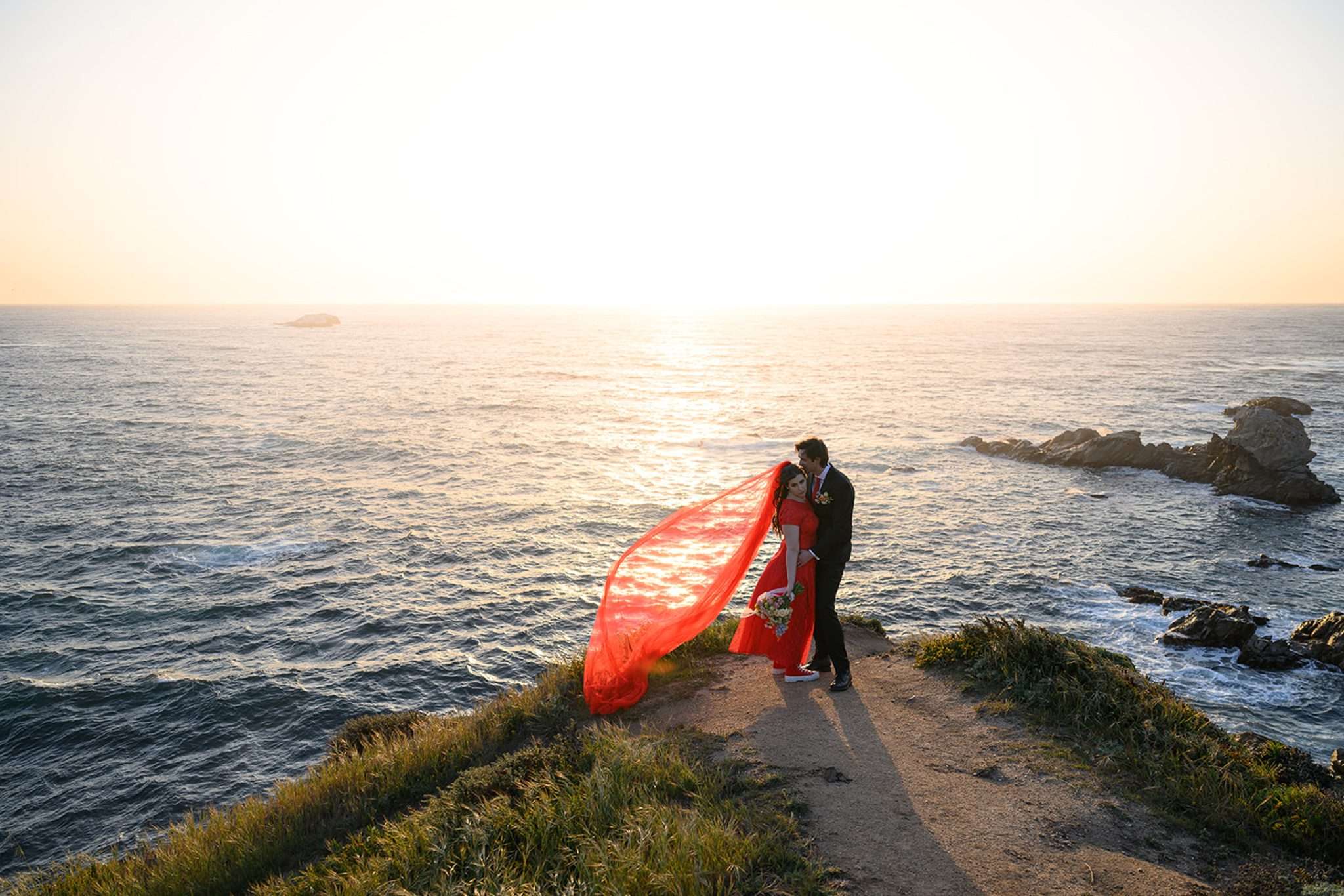
In a move that defied the pressure to hire a professional glam squad, the couple opted for DIY hair and makeup, relying on online tutorials. As Bryn quipped, "Remember: you can teach yourself any skill if you are delusional enough and watch enough YouTube tutorials!"
Supporting Data: The Power of Intentional Investment
The couple’s budget allocation serves as a case study in modern priority-setting. By eliminating the costs of venue rentals, floral installations, catering, and guest logistics, they were able to pivot their financial resources toward what they valued most: memories and professional documentation.

The largest portion of their budget was reserved for their photographer, Julia Goldburg. Having discovered Goldburg’s work on Instagram three years prior, Bryn and Taylor knew that the visual legacy of their elopement was their highest priority.
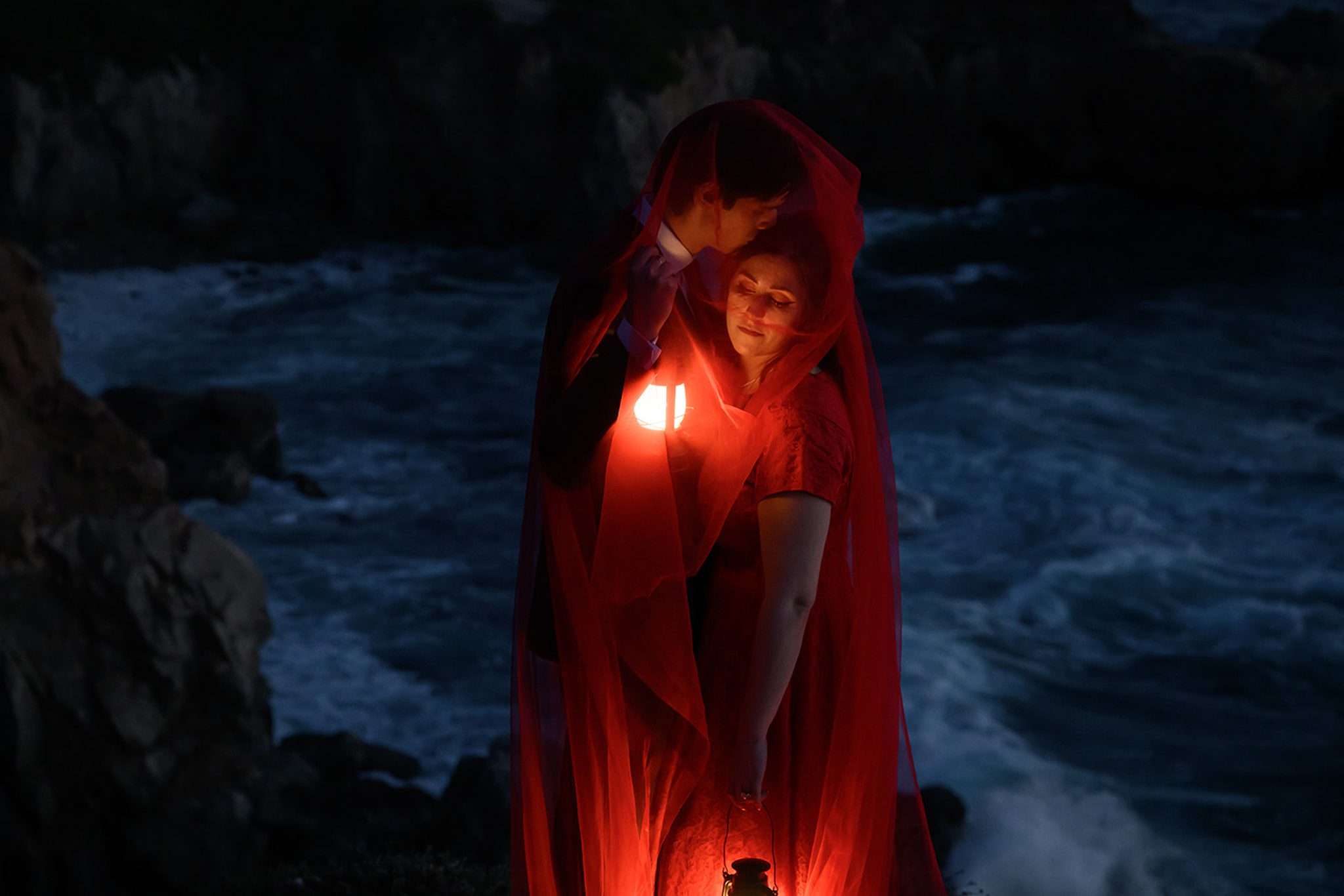
Goldburg’s role, however, extended far beyond that of a traditional photographer. She functioned as a de facto planner, location scout, and even the officiant, proving that when a couple chooses to elope, they aren’t just buying photography—they are buying a curated experience. Bryn offers a poignant piece of advice for future couples: "If the photographer can’t photograph every kind of person well, that is not a good photographer."
Official Reflections: The Strength of Lineage
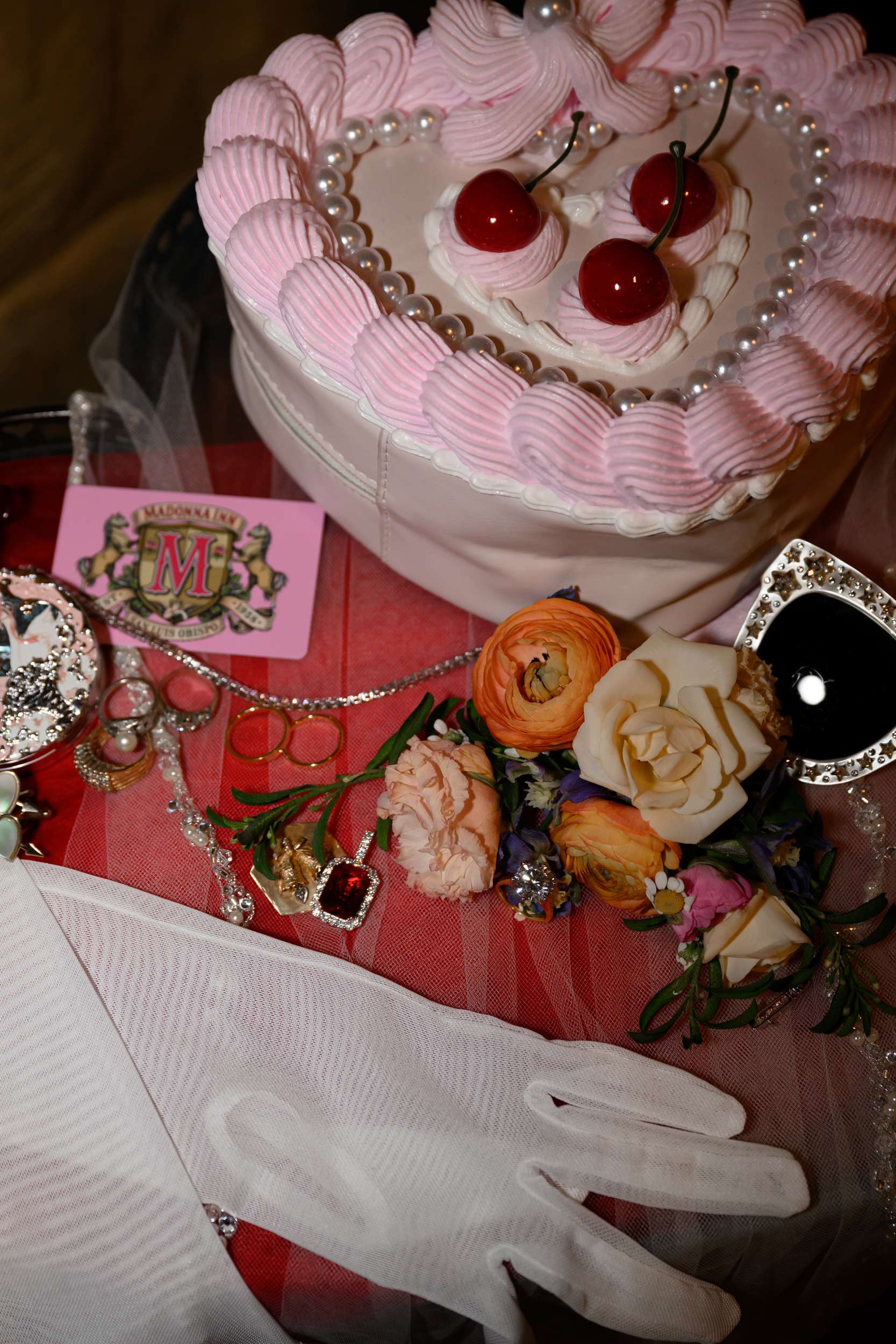
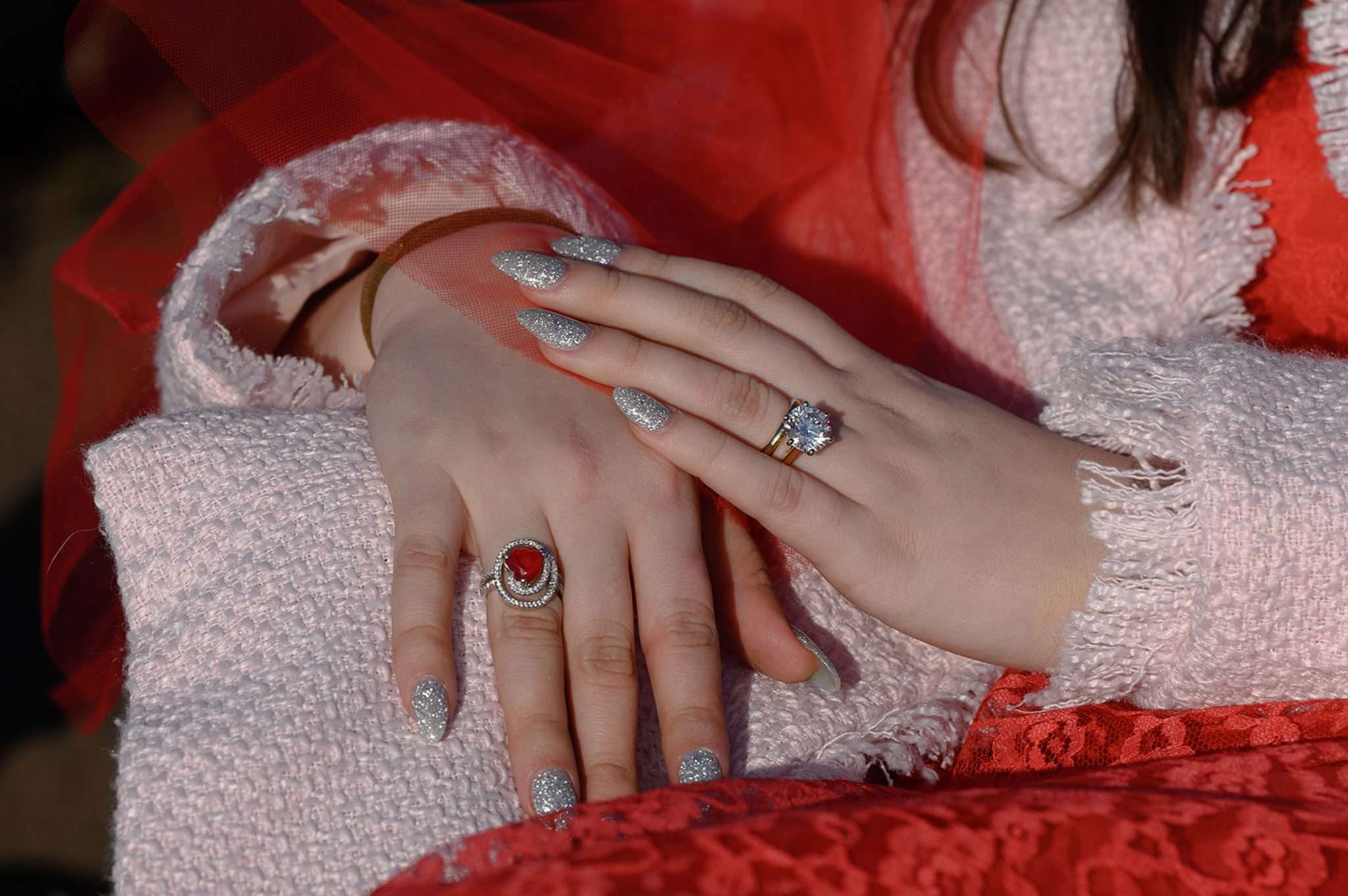
The ceremony was punctuated by a profound connection to the past. Bryn wore a collection of heirloom rings passed down from several generations of women in her family. This act of wearing her grandmother’s, two great-grandmothers’, and one great-great-grandmother’s jewelry served as more than just an aesthetic choice; it was a ritual of empowerment.
"I felt my witchiest, woo-woo self wearing all the rings from the women of my family line," she says. "Wearing their jewelry was like having all their strength combined. It made me feel very connected to the feminine divine, and it reminded me that I come from a long line of fierce women. Hell yeah."
The Implications: A Shift in the Cultural Narrative
Perhaps the most significant aspect of this elopement is the message it sends to the wider public regarding body image and societal expectations of a "bride."
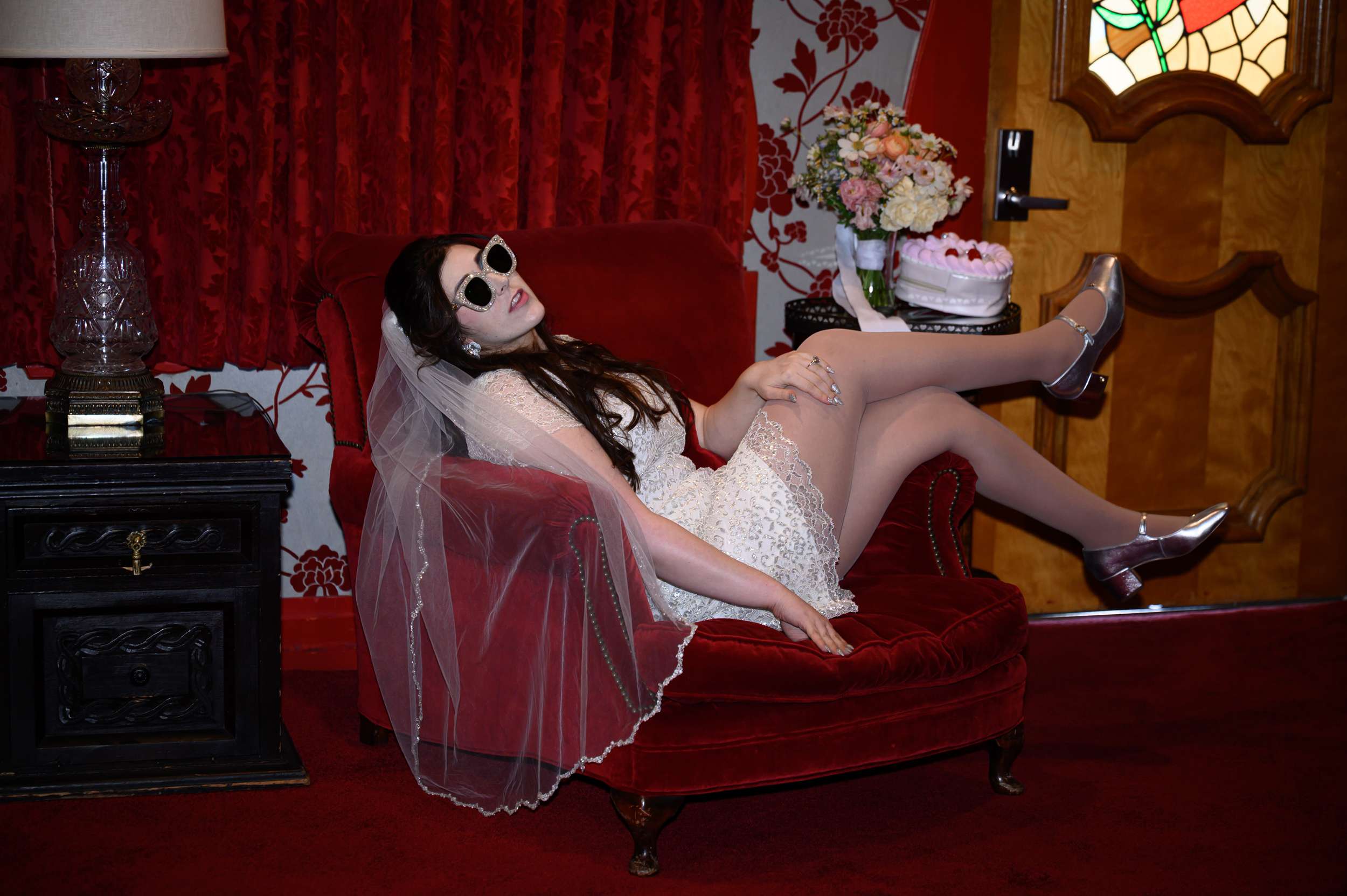
Bryn, at 34, speaks candidly about her physical presence—her weight and her facial scars—and how those features challenged her own internal narrative of what a bride "should" look like.
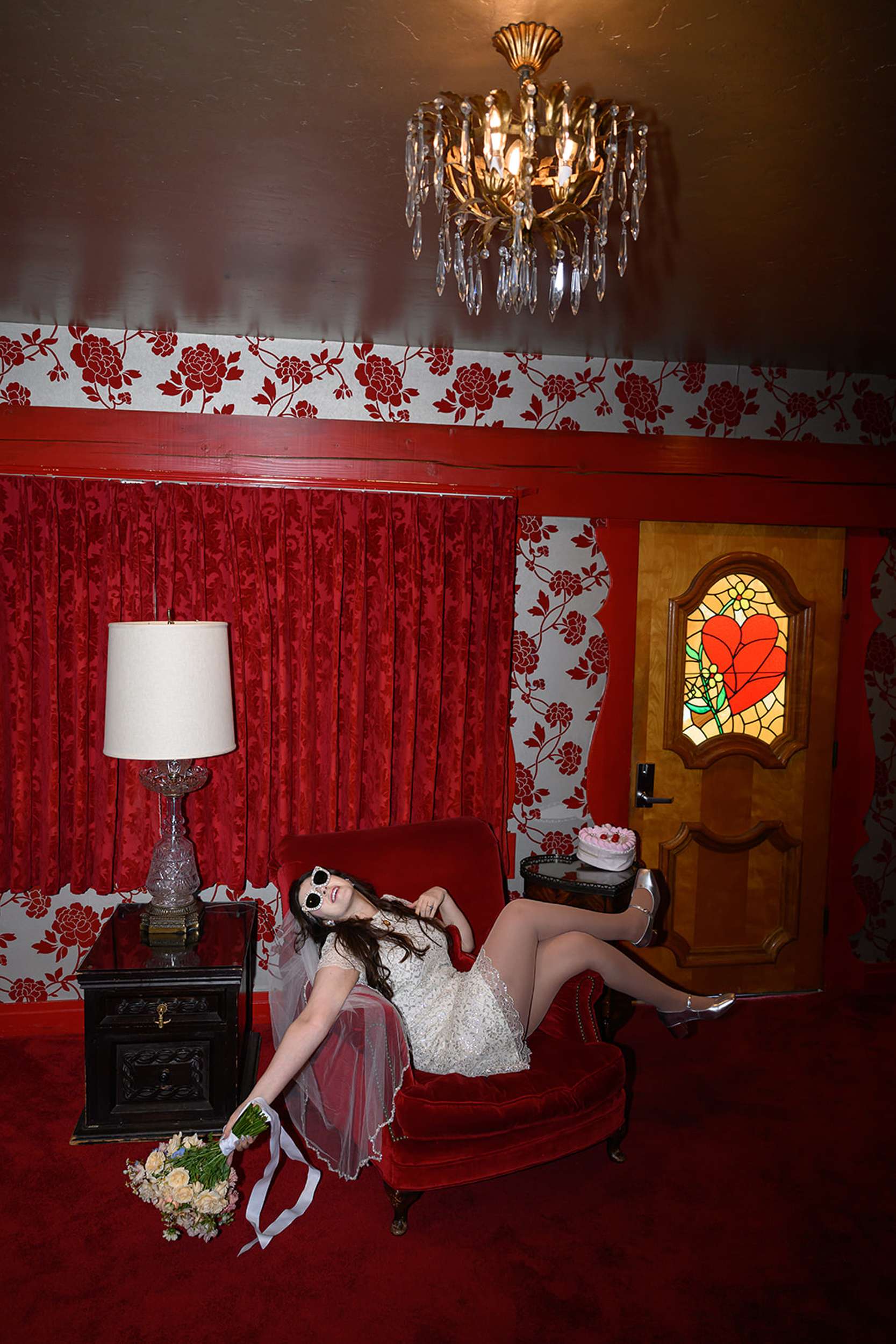
"As a millennial, I remember women being torn to shreds for being anything over 130 pounds," she reflects. "I honestly can’t say I can remember ever seeing anyone over 30 depicted as the quintessential bride. I certainly have never seen a woman with facial scars in really any media. My hope is that someone who needs it will see themselves in these [photos], and that we will all stop feeling like we all need to look the same in order to be considered beautiful."

Conclusion: Prioritizing Joy Over Expectation
The story of Bryn and Taylor is a clarion call to couples who feel the weight of social pressure when planning their weddings. Their experience underscores a fundamental truth: a wedding is a personal commitment, not a public performance.
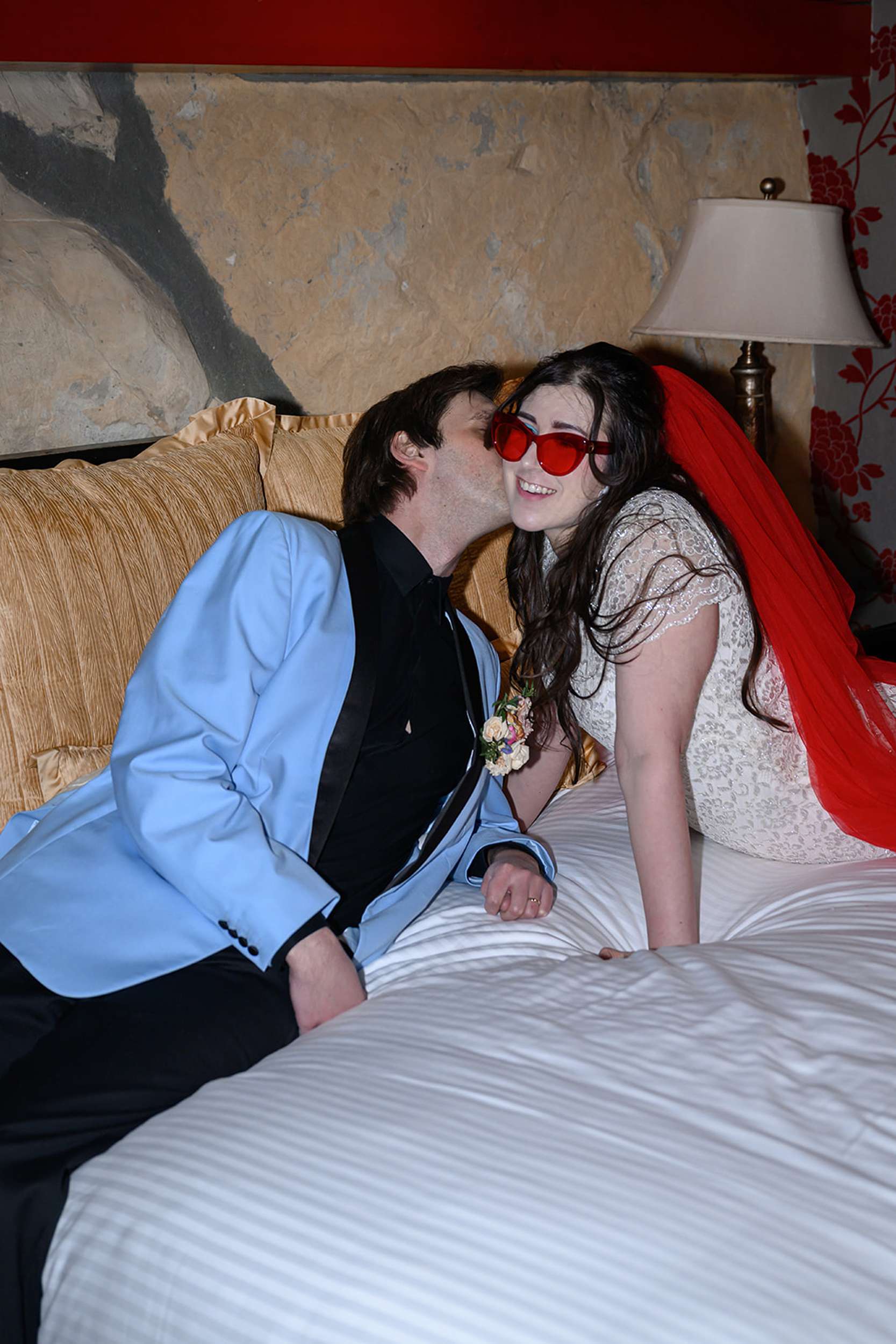
"You do not owe anyone a special day," Bryn emphasizes. "If they want a big, expensive party and meal, nothing is stopping them from throwing a celebration for themselves. Anyone who makes you feel uncomfortable should not be there with you. Please prioritize your joy over the perceived societal pressures or the knee-jerk reflex to people-please."

By choosing to bypass the conventional structure, Bryn and Taylor didn’t just save money or avoid stress—they created a space where their identities, their histories, and their love could exist without filters or compromise. Their California road trip remains a powerful reminder that when you strip away the expectations of others, what remains is the only thing that matters: the two people at the center of it all.