Bridging the Talent Gap: How LEO Events and the University of Tennessee Are Cultivating the Next Generation of Experiential Production Leaders

Main Facts: A New Model for Experiential Education
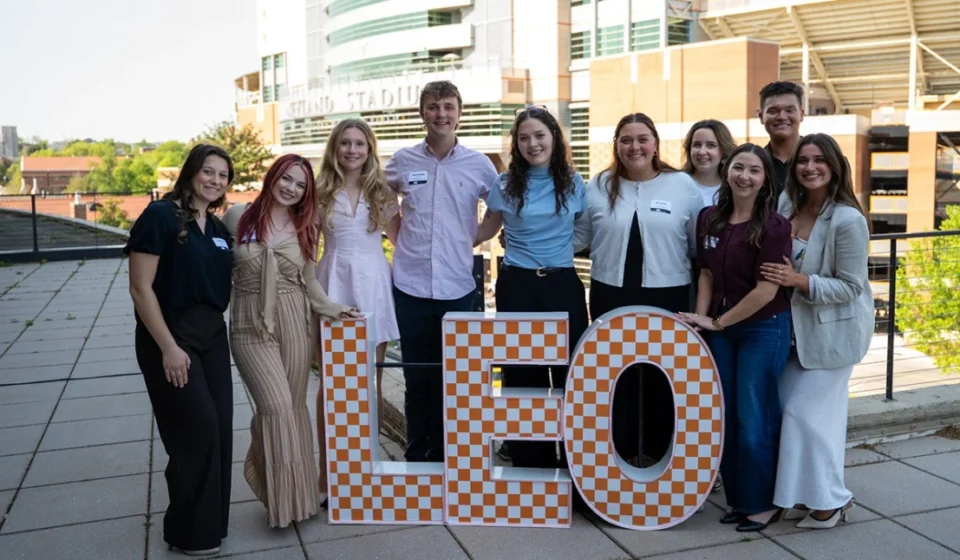
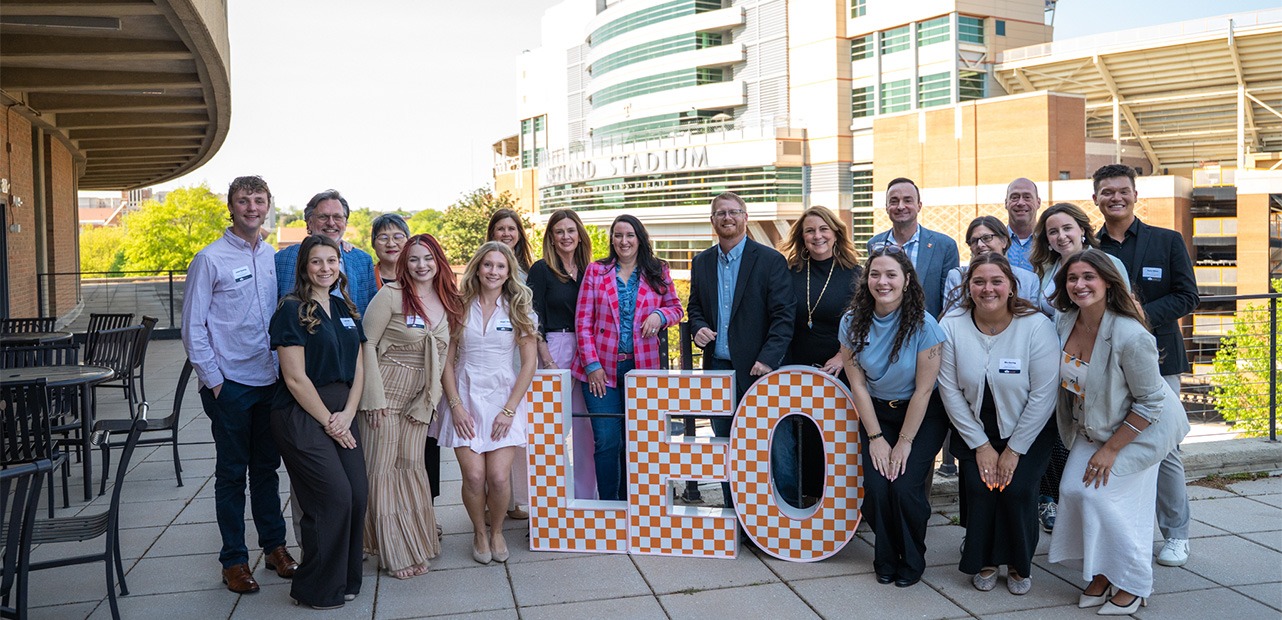
In the highly competitive landscape of corporate meetings, brand activations, and B2B experiential marketing, the demand for specialized, agency-ready talent has never been higher. Yet, a persistent gap has historically existed between university communications curricula and the operational realities of live event production. To bridge this divide, Memphis-based experiential agency LEO Events, in collaboration with the University of Tennessee, Knoxville (UTK), launched the LEO Fellows program.
Designed specifically for communications students, the initiative introduces undergraduates to the complex, high-stakes world of corporate event production. Rather than limiting students to observational roles or administrative tasks, the LEO Fellows program integrates academic coursework, simulated agency challenges, and mandatory on-site live production assignments.
Co-founded by UTK alumna Cindy Brewer, LEO Events is a major player in the B2B live events space, producing large-scale national programs for prominent brands such as Walmart, AutoZone, and Hilton. Through the LEO Fellows program, the agency is addressing a critical industry challenge: the lack of structured career pathways for communications majors into the multi-billion-dollar experiential events sector.
Chronology: The Evolution of a Modern Talent Pipeline
The creation of the LEO Fellows program was shaped by shifting economic conditions, a global pandemic, and a strategic realignment between academic leadership and alumni business owners.
[1991] Cindy Brewer graduates from UTK; enters PR/events due to a shifting post-Gulf War job market.
  │
[2012] Brewer co-founded LEO Events, growing it into a premier national B2B agency.
  │
[2020-2021] The COVID-19 pandemic halts live events, prompting LEO to rethink its talent pipeline.
  │
[~2021] UTK College of Communication dean hosts an alumni listening tour; Brewer highlights the corporate events sector.
  │
[2023] LEO Events runs a successful pilot program with a small group of UTK students.
  │
[Fall 2024] The official LEO Fellows program launches its inaugural academic cohort.
  │
[Sept 2026] Scheduled milestone: LEO Fellows will manage a major UTK institutional event under LEO oversight.
The Genesis (1991–2012)
The program’s roots trace back to the personal career trajectory of Cindy Brewer. Graduating from UTK in 1991 with a degree in broadcasting, Brewer entered a job market heavily disrupted by the Gulf War. This economic climate forced her to pivot from traditional media to public relations and event management, eventually leading to the co-founding of LEO Events in 2012. Over the next decade, the agency expanded rapidly, managing complex, multi-brand corporate events across the United States.
The Pandemic Catalyst (2020–2021)
The COVID-19 pandemic served as a major turning point for the agency’s recruitment strategy. Historically, LEO Events—and the experiential sector at large—focused hiring efforts on experienced professionals who could immediately manage high-pressure live shows. However, the pandemic-induced pause in live events decimated traditional talent pipelines. This disruption forced LEO’s leadership to reconsider the value of entry-level talent, realizing that training young professionals from the ground up in the "LEO Way" was a more sustainable long-term strategy.
The Academic Connection (2021–2023)
The framework for the partnership began to take shape during an alumni listening tour initiated by the newly appointed dean of UTK’s College of Communication and Information. During these discussions, Brewer noted that while universities offered hospitality, tourism, and traditional marketing degrees, they rarely presented corporate live production as a viable, lucrative career path for communications majors.
Implementation and Scale (2023–2026)
Following an internal trial phase in 2023 to test the concept with existing staff and freelancers, the first official cohort of LEO Fellows launched in the fall of 2024. The partnership has since grown from classroom guest lectures to a structured, multi-year pipeline. This evolution will culminate in September 2026, when the University of Tennessee, Knoxville, will entrust the LEO Fellows to produce and manage one of the largest institutional events in the university’s recent history under direct agency oversight.
Supporting Data: Program Structure, Metrics, and Outcomes
To ensure the program delivers measurable value to both the students and the agency, LEO Events structured the fellowship around concrete performance metrics, academic touchpoints, and professional milestones.
Core Program Requirements and Touchpoints
The fellowship is structured to ensure deep engagement throughout the academic year, blending campus-based learning with intense field experience:
- On-Site Live Show Deployments: Each fellow is required to work a minimum of two major live events per academic year. These assignments are not simple site visits; they are immersive, 6-to-7-day working deployments where students operate as active production, meeting, or logistics coordinators.
- Annual Touchpoints: LEO Events executives interact with each fellow face-to-face or virtually 7 to 10 times over the course of the academic year.
- Practical Labs: The agency conducts two intensive, on-campus labs annually. One of these labs focuses entirely on the Request for Proposal (RFP) process, where fellows are split into teams of six to analyze, budget, and pitch a simulated event to agency leadership.
Recruitment and Placement Metrics
The programmatic approach has yielded strong recruitment data for LEO Events, demonstrating that early-stage cultivation is an effective hiring strategy:
| Metric | Program Performance (Two-Year Period) |
|---|---|
| Total Full-Time Hires via Pipeline | 6 professionals |
| Primary Talent Channels | LEO Fellows, UTK Apprenticeships, Summer Internships |
| Average On-Site Duration per Show | 6 to 7 days of continuous live operations |
| Classroom Lab Frequency | 2 intensive simulations per academic year |
These six full-time hires represent a significant talent influx for an agency of LEO’s size, proving that the program serves as an effective vetting and onboarding mechanism.
Official Responses: Stakeholder Perspectives
The Agency Perspective: Redefining "Entry-Level" Talent
Cindy Brewer, co-founder and principal of LEO Events, emphasizes that the program has fundamentally changed how the agency views young professionals.
"The pause created by the pandemic allowed us to reconsider what we were seeking in new talent," Brewer explained. "We realized there was value in reaching people at the ground level. These students are bright, engaged, and eager to learn. They are willing to work hard and understand that being onsite can involve long hours, late nights, early calls, and a lot of time on their feet. It is demanding work, but it is also worthwhile and enjoyable."
Brewer also noted that the program has successfully dispelled common student misconceptions about the industry. "Before the pandemic, many applications from graduating college students expressed an interest in wedding planning or social events. Those are wonderful career paths, but that is not what we do at LEO Events. Once we shifted the language and narrative at the University of Tennessee, we began seeing students use terms such as corporate events and corporate production."
Overcoming Internal Skepticism
A critical test for the program was how seasoned production veterans, freelancers, and clients would react to having undergraduate students on active, high-budget corporate sets.
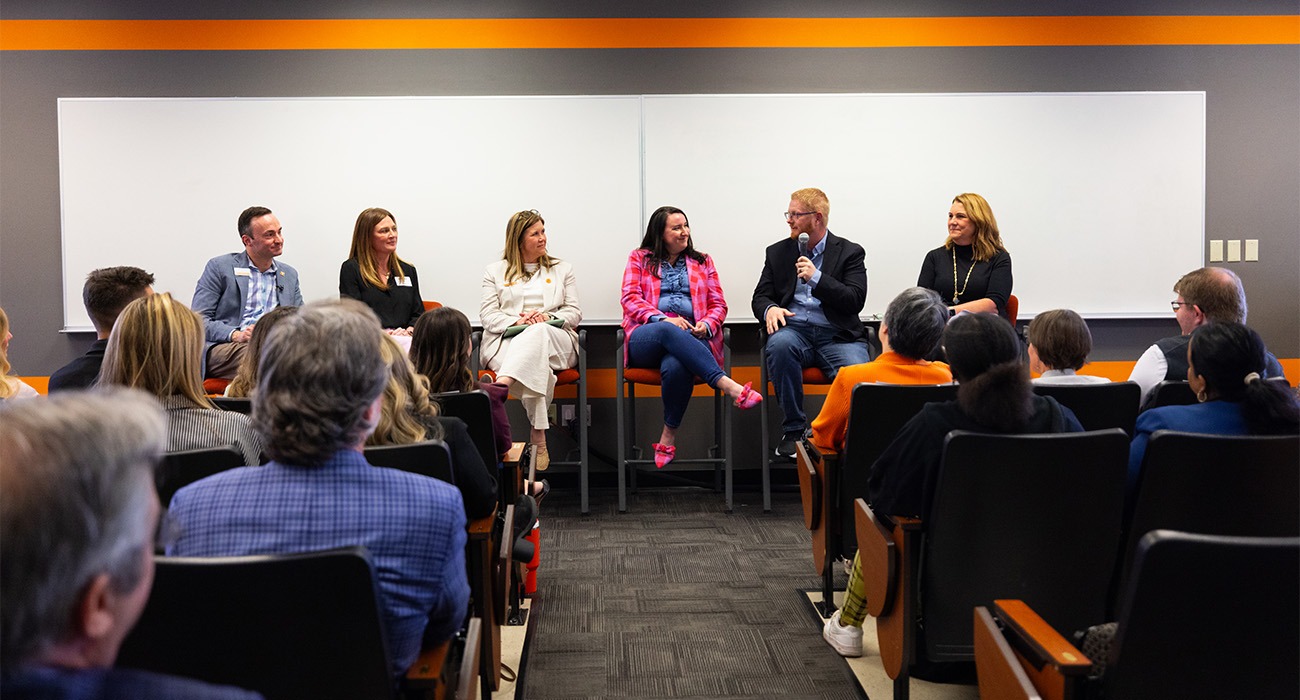
"Before starting the first cohort, we conducted a trial period with our team in 2023," Brewer recalled. "I expected a lot of doubters, especially among people who had been with us for a long time. There can be an assumption that an intern or entry-level college student needs to be given tasks simply to occupy their time, rather than being trusted to contribute at a meaningful level. I was proven completely wrong and absolutely blown away by the response. That positive reaction came from our full-time team, freelancers, and vendors."
Implications: A Blueprint for the Experiential Industry
The success of the LEO Fellows program carries several broad implications for both higher education and the experiential marketing sector.
1. Broadening the Scope of Communications Degrees
Traditionally, communications students look toward advertising agencies, public relations firms, broadcast journalism, or social media management. The LEO Fellows program demonstrates how these foundational skills—such as copywriting, graphic design, and public relations—directly translate to lucrative roles in corporate production.
A student with strong writing skills can transition into executive speechwriting and scriptwriting for corporate keynotes. Similarly, a graphic designer can find a career creating massive, multi-screen scenic content for arena-sized brand activations.
2. Immersive Reality vs. Classroom Theory
While traditional hospitality and event management programs often focus heavily on food and beverage logistics or hotel room blocks, they can overlook the technical complexities of arena-level corporate production.
By placing students on active, multi-brand shows—such as LEO’s work for Hilton and Walmart—the program exposes fellows to the broader ecosystem of convention centers, labor unions, AV production, and client relations. When these students return to the classroom, they possess a practical framework that enriches their academic coursework.
3. A Replicable Corporate-Academic Partnership Model
As the live events and experiential marketing industries continue to face talent shortages, the LEO Fellows program serves as a scalable model for other agencies and universities. Rather than relying on transactional, late-stage summer internships, agencies can build deep, multi-year relationships with regional universities.
This cooperative approach ensures that when students graduate, they do not require months of basic industry onboarding. Instead, they enter the workforce as fully trained, high-functioning professionals ready to execute complex live experiences from day one.