Bringing Hogsmeade Home: The Cultural Phenomenon and Ultimate Culinary Guide to Crafting Theme Park-Quality Butterbeer

LOS ANGELES — More than two decades after J.K. Rowling’s literary masterpiece first enchanted global audiences, the cultural appetite for the Wizarding World of Harry Potter shows no signs of waning. Among the various spells, potions, and enchanted artifacts embedded in the public consciousness, few sensory experiences rival the legendary status of Butterbeer. Long celebrated in the pages of the novels and later immortalized across Universal Studios theme parks worldwide, this sweet, frothy beverage has officially transcended its fictional origins. Today, culinary enthusiasts and die-hard fans alike are mastering the art of recreating this iconic potation in their own kitchens, transforming ordinary movie nights into immersive journeys straight to the heart of Hogsmeade.
Main Facts: Deconstructing the Mythos of Butterbeer
At its core, Butterbeer is a rich, non-alcoholic, sweet beverage characterized by its sparkling cream soda base, buttery undertones, and a velvety, caramel-infused cold foam resting lavishly on top. While millions of tourists flock to The Wizarding World of Harry Potter at Universal Studios destinations—seeking out the drink at vibrant red carts or inside the rustic timber beams of The Three Broomsticks—the surging popularity of homemade recipes has democratized the experience.
The modern iteration of the drink is entirely alcohol-free, making it accessible to witches, wizards, and muggles of all ages. However, historical and literary contexts paint a more nuanced picture of the beverage’s lineage. In the canon of the novels, Butterbeer is famously enjoyed by underage students visiting the snowy village of Hogsmeade, with characters noting that it possesses a very slight alcoholic content capable of giving lightweight house-elves or young wizards a mild buzz.
Historically, the drink’s roots stretch even further back. Real-world culinary archives indicate that "Buttered Beer" was an authentic English drink dating back to the Tudor period in the 1500s. Unlike the modern, hyper-sweet dessert beverage associated with the franchise, historical recipes typically incorporated traditional ale, raw sugar, whole eggs, butter, and warming winter spices such as nutmeg and cloves.
Chronology: From Tudor Taverns to Theme Park Empires
To understand how Butterbeer became a global household staple, one must trace its journey across centuries and media formats:
- The 16th Century (Tudor Era): English literature and cookery books first reference "Buttered Beer" as a restorative, warm winter pub drink brewed from actual beer, eggs, spices, and butter.
- July 1999 (Harry Potter and the Prisoner of Azkaban): J.K. Rowling introduces Butterbeer to the global lexicon, embedding it deeply into the sensory landscape of Harry’s adventures at Hogwarts.
- June 2010 (The Wizarding World Opens): Universal Orlando Resort opens the inaugural Wizarding World of Harry Potter at Islands of Adventure, introducing millions of visitors to the commercialized, chilled, and frozen variations of the sweet, foam-topped beverage.
- The 2020s (The Rise of DIY Gastronomy): Propelled by social media platforms, culinary blogs, and an increased interest in immersive home entertainment, fans begin reverse-engineering the theme park recipe, perfecting accessible at-home equivalents using readily available grocery store ingredients.
Supporting Data & Recipe Mechanics: The Anatomy of the Perfect Brew
Recreating the exact flavor profile of the Universal Studios version requires an understanding of balancing carbonation, high-fat dairy, and concentrated flavor extracts. According to culinary testing by enthusiast networks, the magic of the beverage relies on a precise two-part construction: the sparkling base and the cascading cold foam.
Phase One: The Sparkling Base
The foundation of the drink starts with a high-quality cream soda. Unlike standard colas or generic sodas, cream soda provides the necessary vanilla-forward sweetness and effervescence.
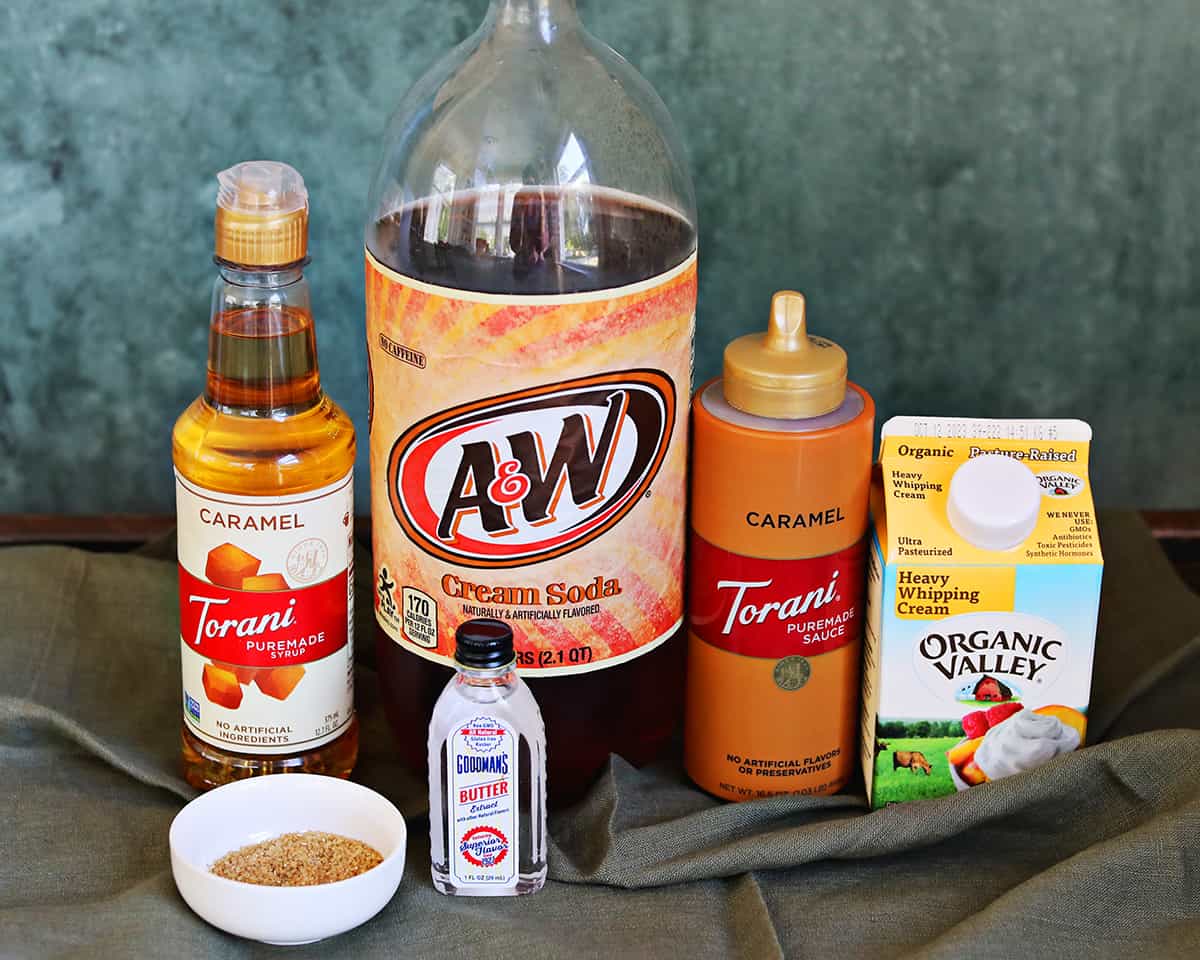
- Ingredients: Premium cream soda, concentrated butter extract (or butterscotch flavoring), and caramel syrup.
- Technique: Combine the cream soda with carefully measured drops of butter extract and clear caramel syrup (though standard caramel sauce can be substituted to streamline the shopping list). This creates a golden, highly carbonated elixir that mimics the rich, buttery aroma characteristic of the books.
Phase Two: The Caramel Cold Foam Topping
Culinary consensus dictates that the topping is the most critical element of the recipe, providing the signature mustache-leaving foam experienced by visitors in the theme parks.
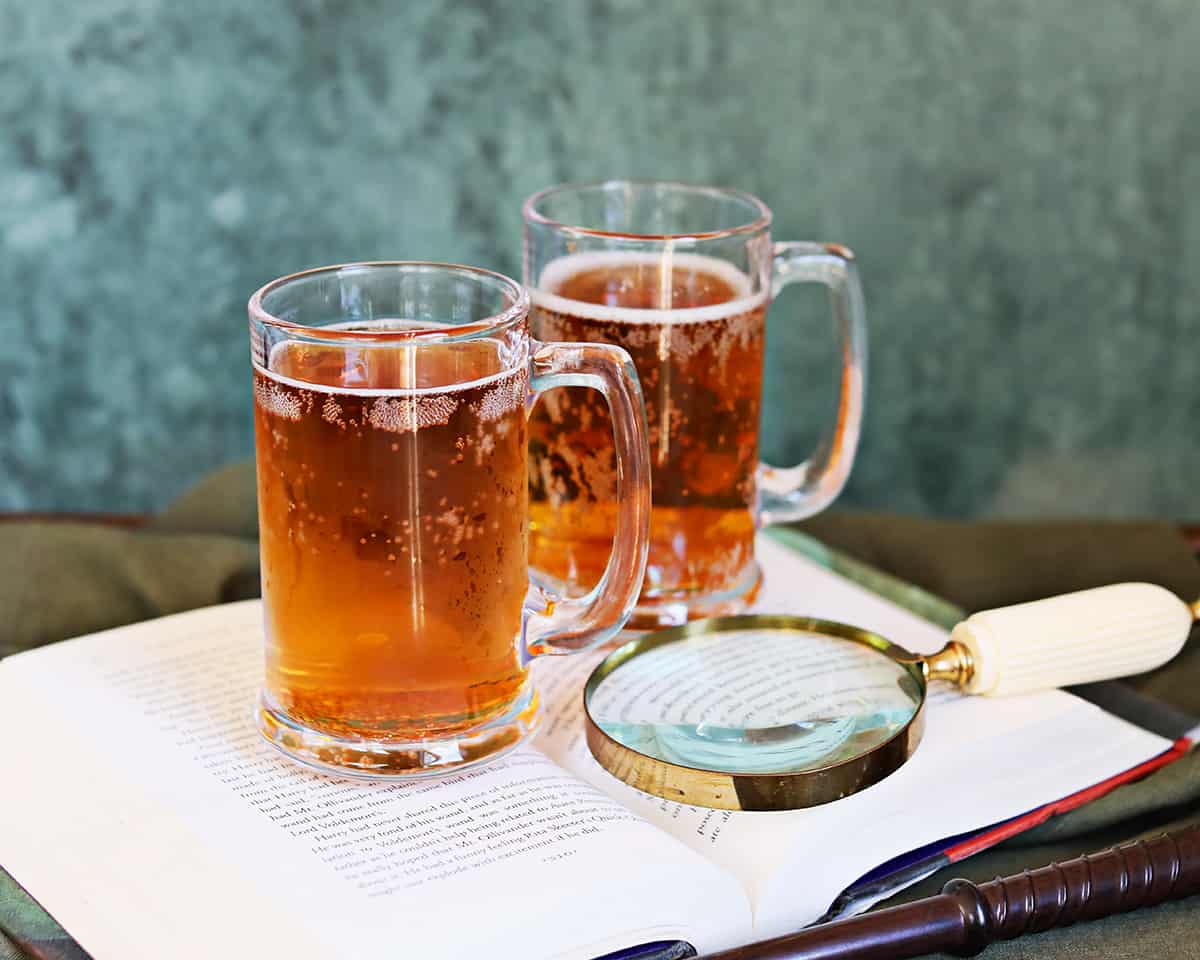
- Ingredients: Half-and-half (or heavy cream) and rich caramel sauce.
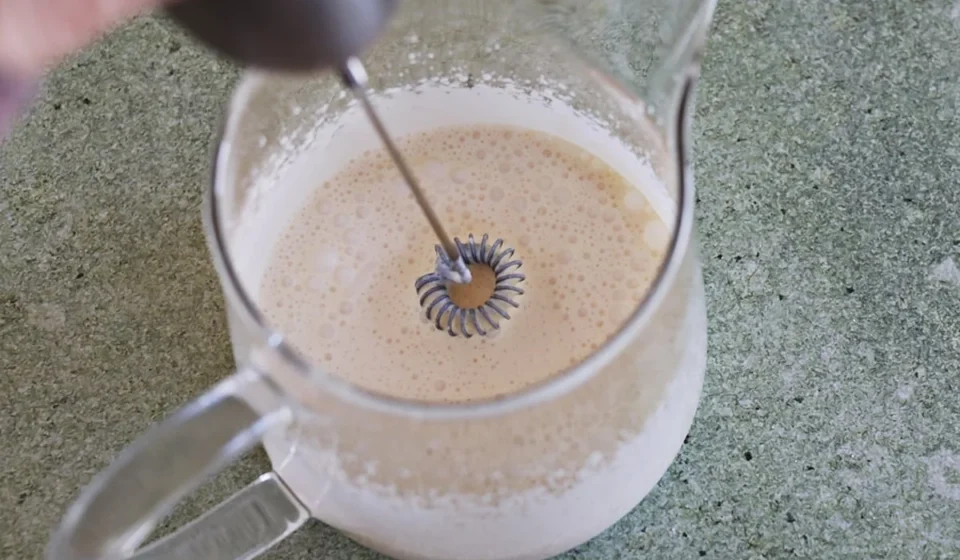
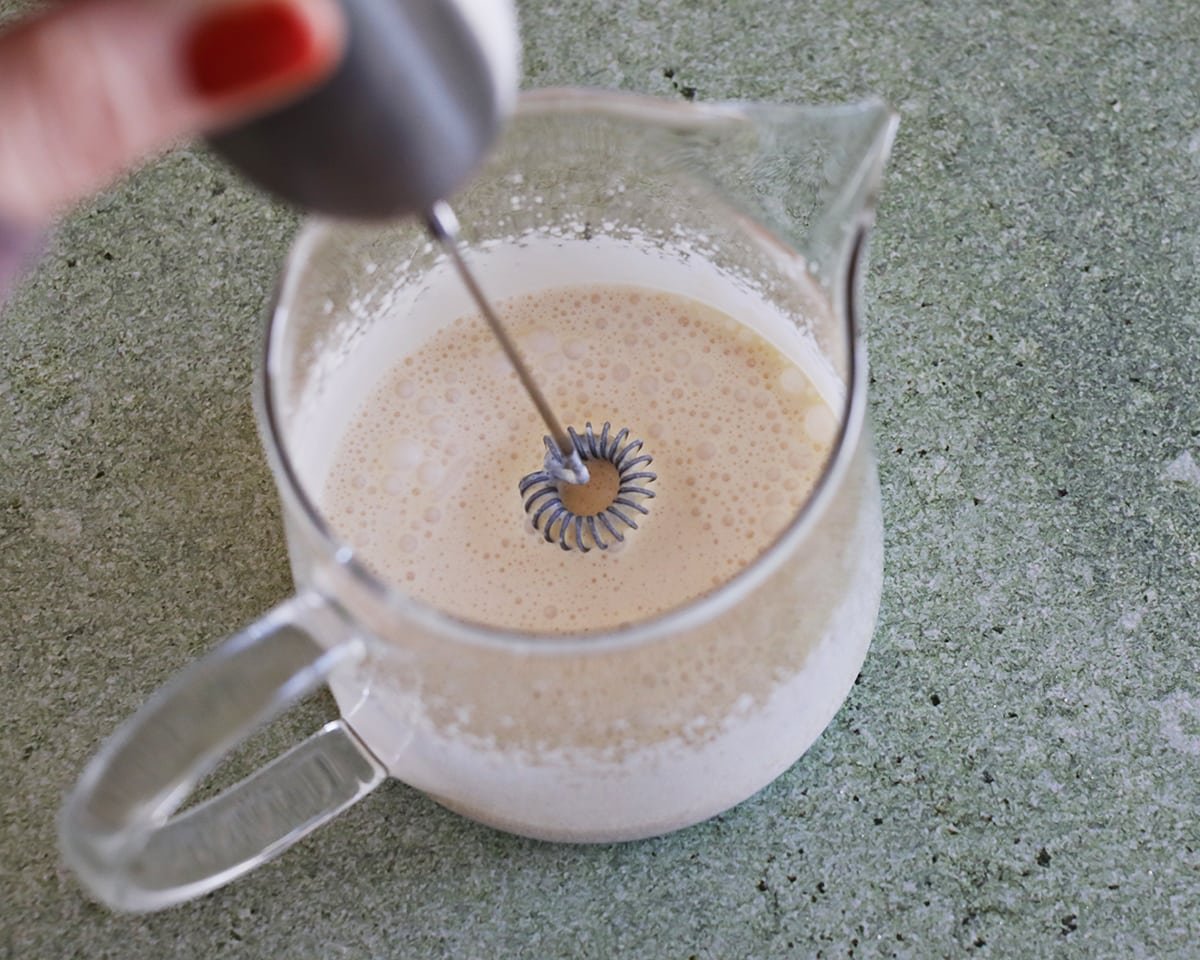
- Technique: In a separate vessel, the dairy and caramel are aggressively aerated using a handheld milk frother. The goal is to whip the mixture until it reaches an intermediate consistency—thicker than liquid cream, yet lighter and more fluid than stiff whipped cream.
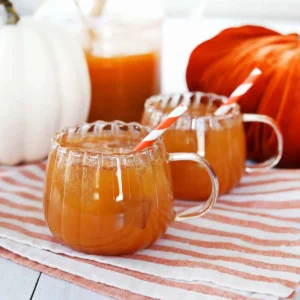
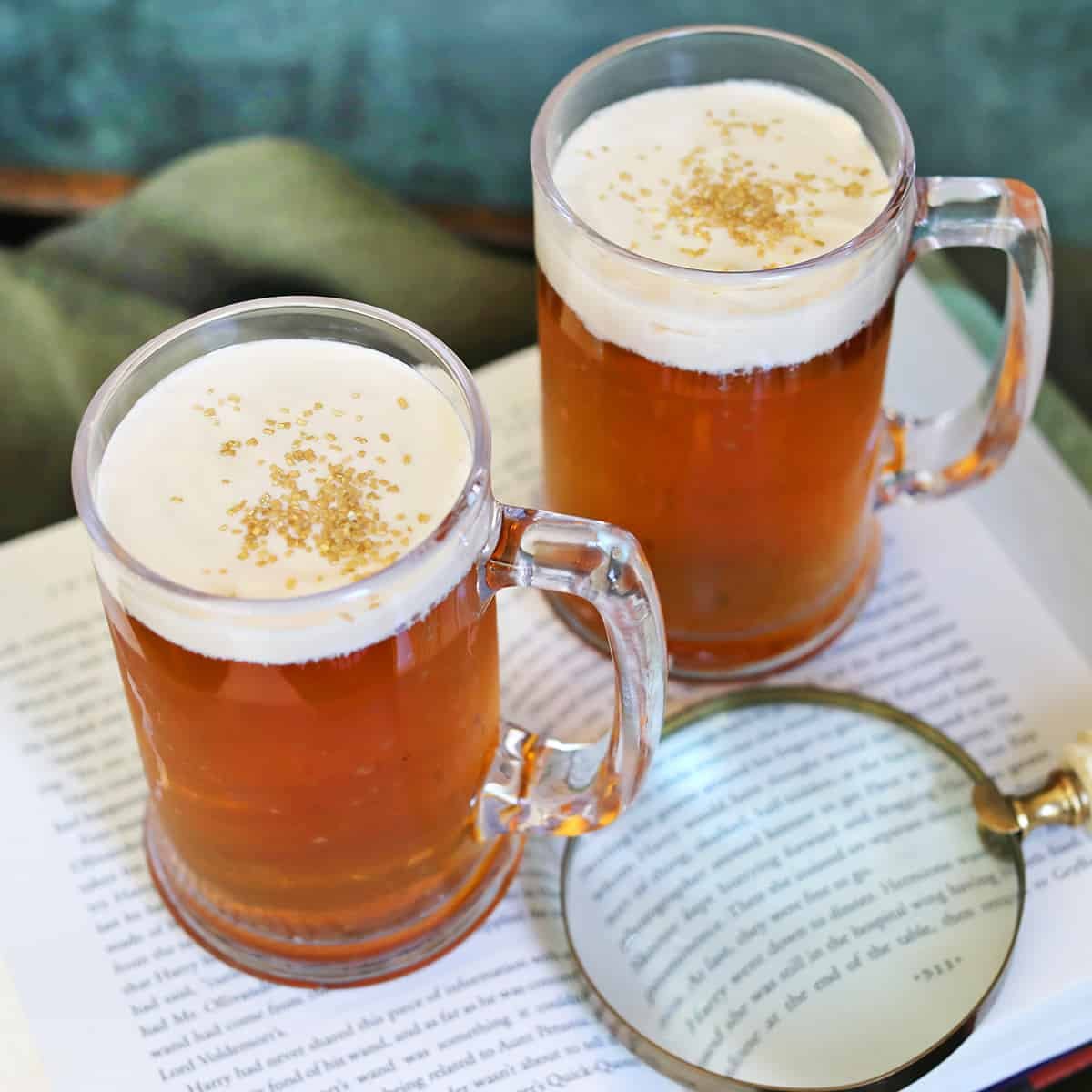
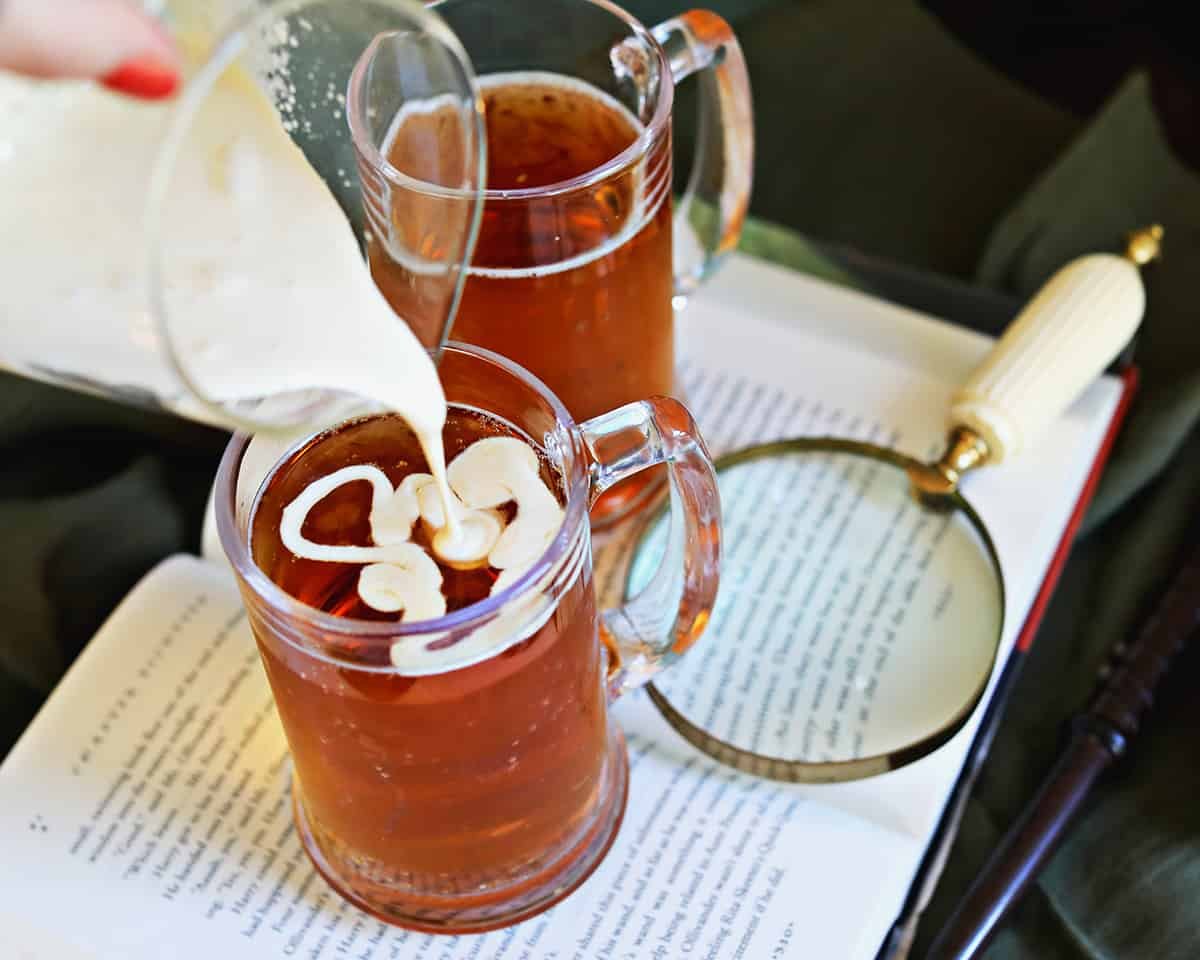
When the velvety caramel foam is gently poured over the chilled, sparkling base, it slowly cascades into the drink, creating a visually striking layered effect that is best served in traditional glass or child-safe plastic beer mugs.
Official Responses and Expert Insights: Customization and Inclusivity
Culinary experts note that one of the primary reasons the modern homemade Butterbeer recipe has achieved viral status is its remarkable culinary flexibility. Unlike precise baking recipes that demand exact chemical ratios, this beverage functions more like a customizable cocktail or coffee drink.
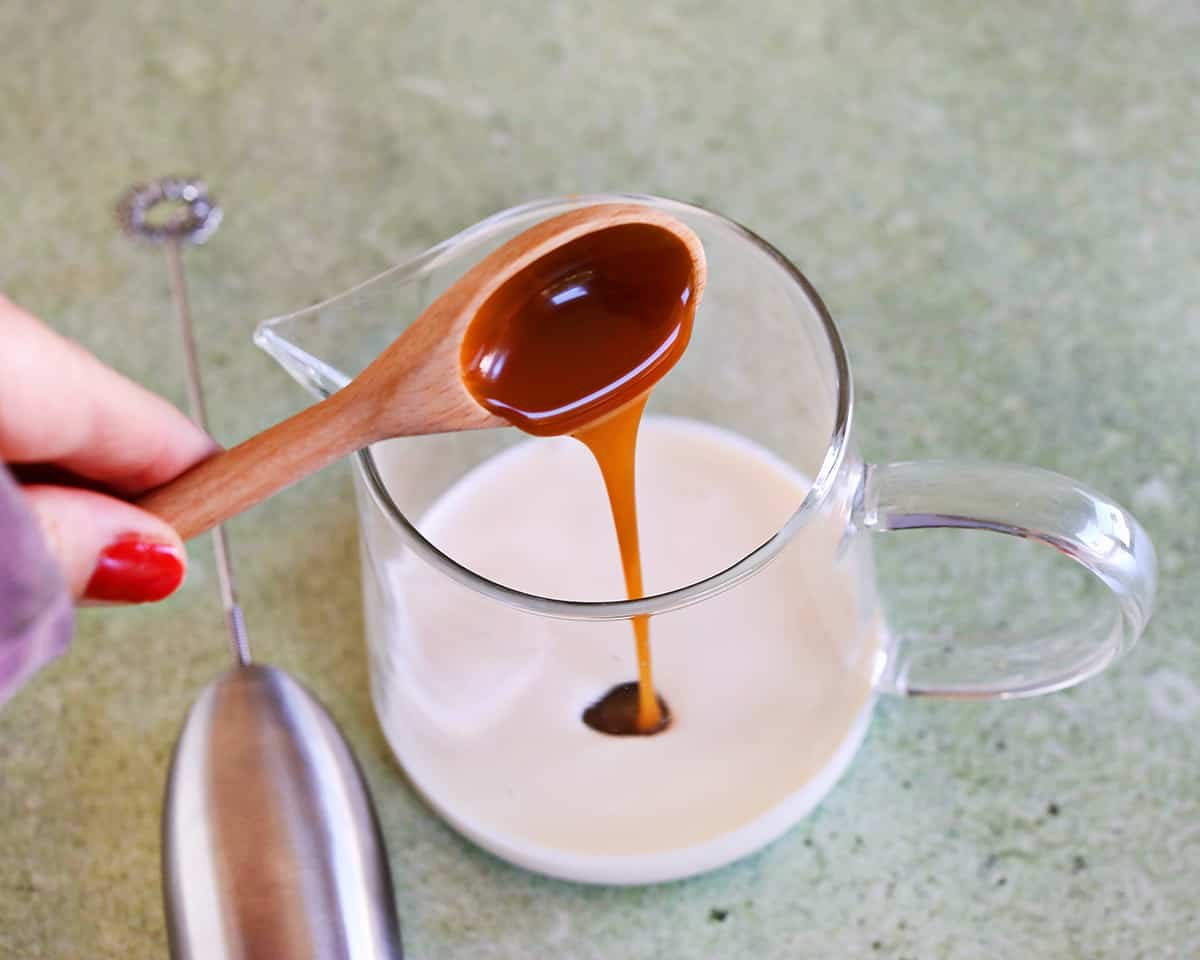
"This recipe is exceptionally forgiving," notes a leading home-cooking developer. "You can substitute almost any of the ingredients, scale down the sweetness, or omit elements entirely based on dietary restrictions without losing the core identity of the drink."
For instance, dietary adjustments have opened the gates of Hogsmeade to a broader demographic. By swapping traditional half-and-half for plant-based alternatives—such as oat milk or vegan coffee creamers—and ensuring the caramel and flavor extracts are plant-based, creators can easily produce a completely vegan-friendly version of the beverage. Similarly, those monitoring sugar intake can opt for diet cream sodas and sugar-free caramel sauces, proving that modern food science can accommodate both nostalgia and wellness.
Implications: The Trend of Immersive At-Home Gastronomy
The sustained popularity of DIY Butterbeer points to a broader shift in consumer behavior: the rise of "immersive gastronomy" within domestic spaces. As streaming services, movie franchises, and pop-culture fandoms continue to dominate entertainment culture, fans are no longer content with merely watching or reading stories; they want to consume them literally.
Hosting Harry Potter movie marathons, themed birthday parties, and literary club gatherings has become an exercise in multi-sensory world-building. By bringing theme-park-exclusive culinary staples into the home kitchen, fans bridge the gap between fantasy and reality.
Whether served steaming on a cold autumn evening or chilled over ice during a summer marathon of The Sorcerer’s Stone, homemade Butterbeer serves as more than just a sweet treat. It is a portal to childhood wonder, a testament to the enduring power of imaginative storytelling, and proof that a little bit of magic can be whipped up with a milk frother, some cream soda, and a dash of culinary creativity.