
As the Northern Hemisphere basks in the warmth of summer, the natural world undergoes a vibrant transformation. For the observant photographer, this season represents the pinnacle of wildlife activity. From the frenetic energy of nesting birds and the industrious movement of pollinators to the quiet, hidden lives of forest dwellers, nature is currently performing a masterclass in subjects for the lens. Yet, many aspiring photographers mistakenly believe that capturing professional-grade wildlife imagery requires travel to distant national parks or exotic, remote wildernesses. In reality, the most compelling stories of the natural world are often unfolding just beyond our doorsteps.
The Essence of Wildlife Photography: It Starts at Home
The misconception that one needs a telephoto lens the size of a cannon and a flight to the Serengeti to capture wildlife is a significant barrier to entry for many. The truth is that your backyard, a nearby community garden, or a local urban park is a microcosm of ecological interaction.

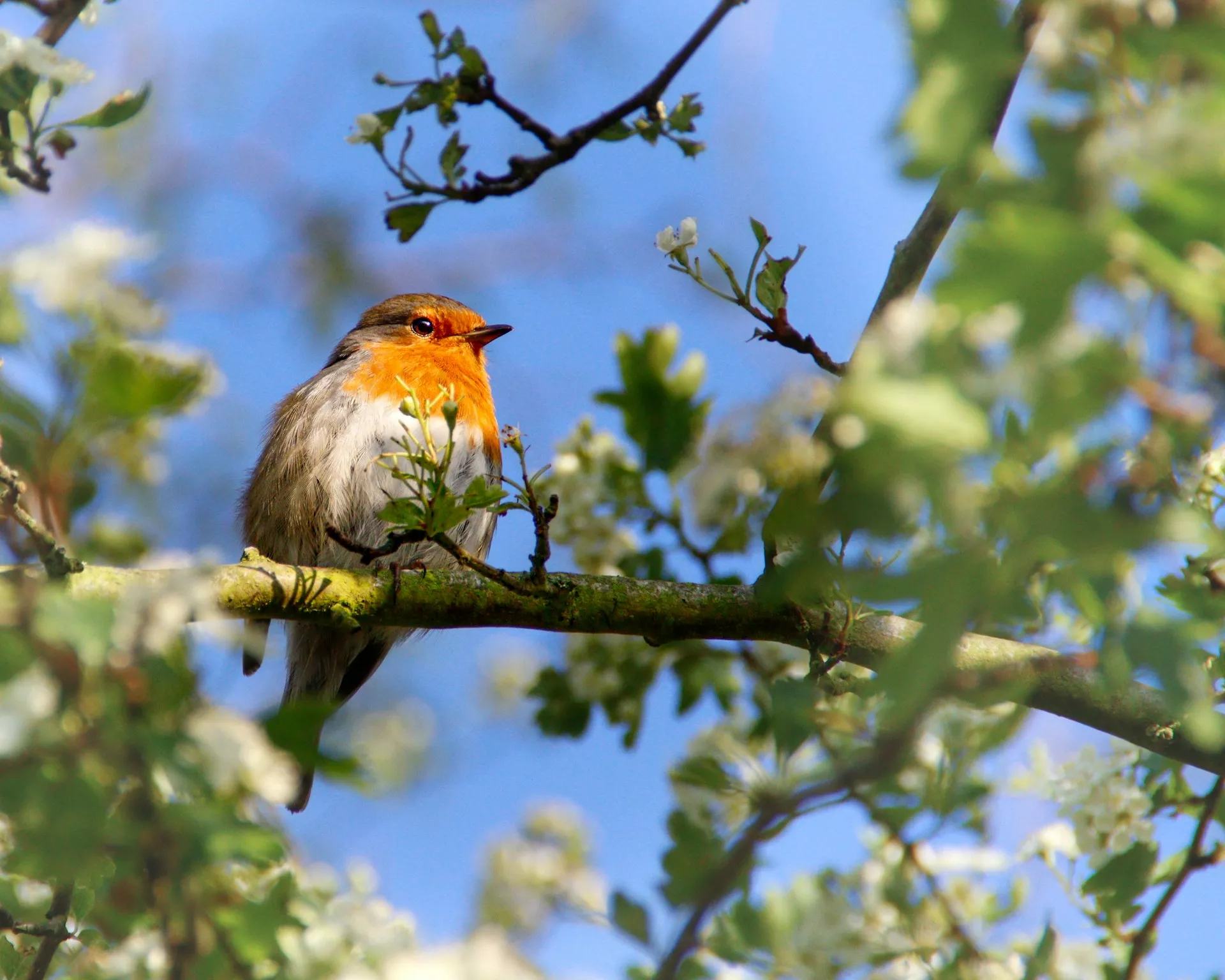
Wildlife photography is fundamentally about patience, observation, and an intimate understanding of the environment. Whether it is a squirrel foraging for nuts in an oak tree or a starling bathing in a garden birdbath, these common subjects offer the perfect training ground. By focusing on local fauna, photographers can learn to predict animal behavior, master their gear, and—most importantly—understand the interplay of light, which remains the single most critical element in any successful image.

Chronology of the Season: Understanding Biological Rhythms
To succeed in wildlife photography, one must operate on nature’s clock. The season’s progression dictates the behavior of your subjects:

- Late Spring (The Awakening): This period is characterized by intense activity. Birds are busy feeding fledglings, and insects begin to emerge in large numbers. It is a time of high energy and vulnerability, requiring the photographer to be both observant and respectful of nesting sites.
- Early Summer (The Peak): As temperatures climb, the landscape becomes lush. The "golden hour"—shortly after sunrise and shortly before sunset—becomes the prime window for photography. Animals are more active during the cooler parts of the day, seeking food and shade.
- Mid-to-Late Summer (The Maturity): By this stage, juveniles have grown, and behaviors shift toward preparation for the coming autumn. Insects are at their most diverse, providing macro photography enthusiasts with a bounty of subjects, from intricate butterflies to the busy, industrious bee.
Supporting Data: The Science of Light in Photography
Light is not merely an illuminator; it is the fundamental medium of photography. In wildlife, where you cannot control the subject or the environment, you must become an expert at manipulating how you capture the light that is available.

The Characteristics of Light
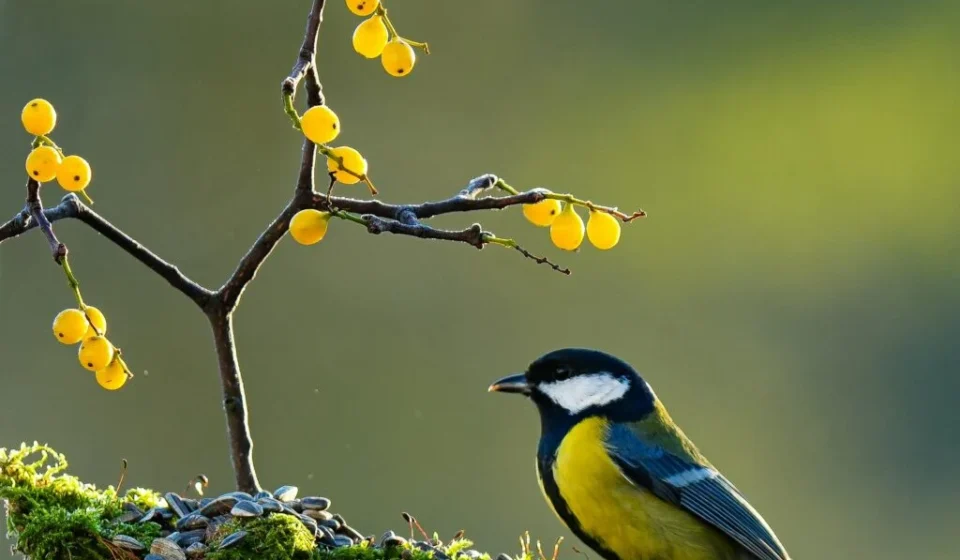
- Directionality: Side-lighting can emphasize the texture of fur or feathers, adding a three-dimensional quality to the image. Back-lighting can create a dramatic "halo" effect, separating the subject from the background.
- Color Temperature: The "Golden Hour" offers a warm, soft glow that reduces harsh shadows. Conversely, the "Blue Hour" or overcast conditions provide diffused, soft light that is ideal for reducing high-contrast glare on reflective surfaces like wet leaves or animal eyes.
- Intensity and Diffusion: Harsh, midday sun creates high contrast and deep, unsightly shadows. Skilled photographers learn to seek out natural diffusers, such as tree canopies or cloud cover, to soften the light and prevent the "blown-out" highlights that ruin detail.
For those looking to deepen their technical proficiency, resources such as the eBook Understanding Light by Photzy serve as essential guides. Mastering the technical side of exposure—understanding how light interacts with your sensor—is what separates a casual snapshot from a professional-grade portrait of nature.

Professional Perspectives: The Art of Perspective
Professional wildlife photographers often emphasize that there is no such thing as "bad" light, only light that is used incorrectly for a specific goal. While the golden light of dawn and dusk is preferred for its aesthetic appeal, an overcast day offers a uniform, soft lighting environment that is technically easier to manage.

The real challenge for the photographer is in the application of angles and composition. By changing your vantage point—perhaps by getting low to the ground to meet the eye level of a frog or a rabbit—you create a sense of intimacy. This perspective shift transforms a subject from a distant creature into a character in a narrative. When you learn to manipulate your position relative to the available light, you gain the ability to alter the entire mood of an image, turning a simple garden bird into a regal, high-contrast portrait.

Implications: The Ethics and Rewards of Local Photography
The move toward "backyard wildlife photography" has profound implications for both the individual and the environment.

Ethical Considerations
Wildlife photography is a privilege, not a right. The primary implication of being in nature with a camera is the responsibility to "do no harm." This means keeping a respectful distance, avoiding the use of flash near nests or dens, and prioritizing the safety of the animal over the acquisition of the perfect shot. If your presence causes the animal to flee or alter its natural behavior, you are too close.

Environmental Stewardship
When you spend time documenting the wildlife in your own backyard, you develop a personal connection to the ecosystem. This fosters a sense of stewardship. Photographers who spend hours watching a finch or a butterfly in their garden are far more likely to advocate for native plantings, reduced pesticide use, and the protection of local habitats. You become an amateur naturalist, and your photos serve as a record of the biodiversity in your specific corner of the world.

Conclusion: Developing Your Eye
The barrier to entry for great wildlife photography is not gear, but mindset. While a high-end telephoto lens helps, the ability to see light, understand behavior, and position oneself effectively is the true craft. As you head out this summer, remember that every common garden visitor is an opportunity.

Whether you are capturing the iridescent wings of a butterfly or the alert posture of a squirrel, focus on the fundamentals:

- Research: Learn the habits of the animals you intend to photograph.
- Patience: Often, the best shots happen when you remain still and allow the wildlife to accept your presence.
- Technique: Use the light, don’t fight it. Study the principles of light behavior to turn every exposure into a deliberate artistic choice.
Photography is an endless journey of learning. By focusing on the natural world around us, we not only improve our technical skills but also gain a deeper appreciation for the complex, beautiful, and vibrant life that exists right outside our doors. The summer is fleeting, but the memories—and the images—you capture will last a lifetime. Get out there, respect your subjects, and let the light guide your lens.