Elevating the Culinary Workspace: Why Iconic Design Matters in the Modern Kitchen

It is a well-worn sentiment among home chefs and design enthusiasts alike: the tools we use to prepare our meals fundamentally alter our relationship with the act of cooking. When you work with a piece of equipment that is both a masterpiece of contemporary design and a functional powerhouse, the kitchen ceases to be a place of labor and transforms into a studio of creation.
While some might argue that a kitchen gadget need only perform its singular task, the discerning eye recognizes that the best design icons offer more. They provide a tactile satisfaction, a visual harmony, and a longevity that transforms the mundane task of boiling water or grinding pepper into a ritual of appreciation. As Amazon kicks off its "Early Prime Big Deals"—a precursor to the massive October Prime Day event—the market is currently flush with discounts on high-end kitchen accessories that marry form and function.
The Philosophy of Functional Aesthetics
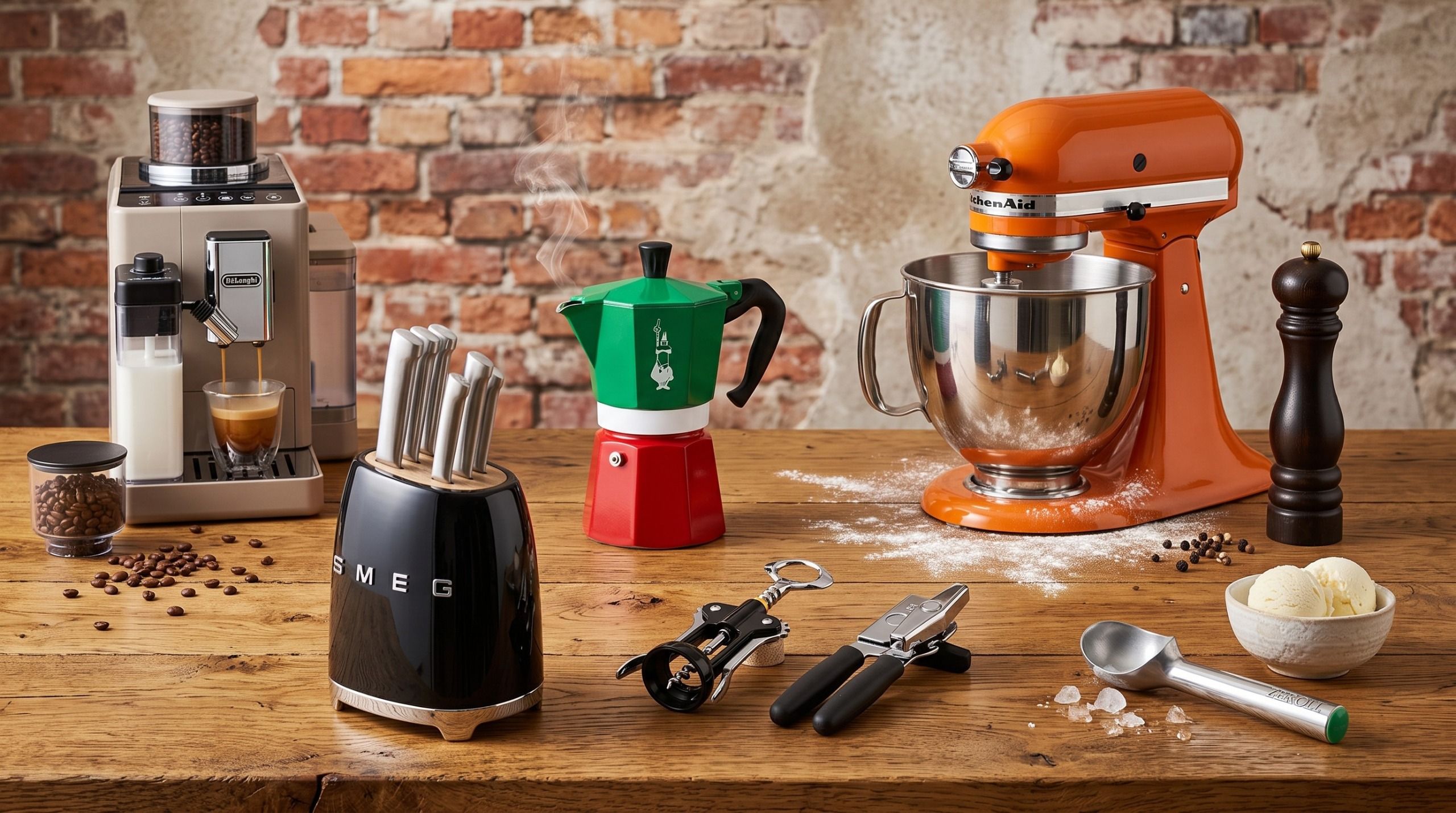
The intersection of industrial design and culinary utility is a space occupied by giants. From the minimalist curves of Alessi’s household objects to the robust, utilitarian precision of Le Creuset or KitchenAid, iconic kitchen accessories have earned their place in history by refusing to compromise.
True design icons are not merely decorative; they are engineered for endurance. A pepper mill that feels perfectly weighted in the hand, or a coffee machine that provides a precise extraction while looking like a sculpture on the countertop, serves as a testament to the idea that our environment dictates our creative output. Investing in these pieces—especially when they are available at a reduced price point during sales events—is not just a purchase; it is an investment in the daily quality of life.
Chronology of the Prime Sales Event
Amazon’s "Early Prime Big Deals" represents a strategic shift in how retail giants approach the fourth-quarter shopping season.
- Pre-Event Warmup (Early October): Amazon initiated a series of "Early Prime Big Deals," targeting consumers eager to avoid the late-December rush. These deals are designed to clear warehouse inventory while priming the pump for the main event.
- The Prime Factor: While many of these deals are accessible to the general public, the ecosystem is built around the Prime membership. Members receive the added benefit of expedited, free delivery—a crucial factor when purchasing heavier items like cast-iron cookware or high-end espresso machines.
- The Main Event (Mid-October): The official Prime Day event is expected to see a deepening of these discounts, particularly on high-ticket smart kitchen appliances and brand-name culinary accessories.
- Post-Event Logistics: Following the sale, analysts expect a surge in home renovation and kitchen refresh projects, as consumers integrate their newly acquired "design icons" into their living spaces.
Supporting Data: The Value of Design-Led Kitchenware
Market research indicates that the "premiumization" of the kitchen space has seen a consistent upward trend since 2020. According to data from recent consumer behavior reports, over 65% of households are willing to pay a premium for kitchen tools that offer a "professional" or "design-forward" aesthetic.
Why this obsession? The psychology of the "open-plan" home has made the kitchen the focal point of the modern house. When the kitchen is visible from the living room, the aesthetics of a toaster or a kettle matter as much as the sofa or the lighting fixtures.
Key Metrics for Kitchen Investment:
- Longevity: Iconic pieces (e.g., manual citrus juicers, cast iron Dutch ovens) have an average lifespan of 20 to 50 years, significantly outperforming mass-market plastic alternatives.
- Resale Value: Unlike standard appliances, iconic design pieces often retain 40–60% of their retail value on the secondary market, making them a sound financial asset.
- Ergonomic Efficiency: High-end design is rarely just visual. Research shows that well-designed handles and intuitive weight distribution reduce repetitive strain during long cooking sessions.
Official Responses and Industry Insights
Industry experts suggest that the current wave of sales reflects a broader shift in consumer values. We spoke with design consultants who noted that the "minimalist luxury" trend is currently dominating the kitchen sector.
"Consumers are tired of ‘disposable’ appliances," says Sarah Jenkins, a retail analyst focusing on homeware. "What we are seeing with these Amazon sales is a movement toward ‘curated consumption.’ People are buying fewer items, but they are choosing items that have a design pedigree. They want the piece that looks like it belongs in a museum but works like a workhorse."
Amazon’s own data suggests that during these early sales windows, search volume for "design-led kitchen" and "durable culinary tools" has spiked by 22% compared to the same period last year. This underscores a collective desire to merge high-end aesthetics with the convenience of e-commerce.
Implications for the Modern Home
The implications of this shift are profound. As high-end design becomes more accessible through promotional events, the barrier to entry for a "designer kitchen" is lowering. This has several secondary effects:
- The Rise of the "Prosumer": Home cooks are increasingly utilizing professional-grade tools. This is driving a higher standard of home cooking, as better tools allow for more precise temperature control and preparation techniques.
- Sustainability: By purchasing icons that are built to last, consumers are indirectly participating in a more sustainable model of consumption. Replacing a cheap, plastic-heavy appliance every two years creates significant e-waste; replacing it with a stainless steel or enameled cast-iron icon once in a decade is a move toward circularity.
- The Aesthetic Standardization: There is a risk that kitchens may begin to look homogenous as specific design icons gain ubiquity. However, the counter-argument is that these icons provide a "neutral" canvas upon which a home cook can express their culinary personality.
Conclusion: Investing in Your Daily Ritual
Whether you are a professional chef or someone who simply enjoys a morning coffee, the tools you choose to surround yourself with define your experience. The current Amazon sales event offers a unique window to acquire these pieces of functional art at a price that reflects accessibility rather than exclusivity.
As you browse the current listings, look beyond the discount percentage. Consider the heritage of the brand, the materials used, and the way the object feels in your hands. Does it simplify your morning? Does it bring a spark of joy to your afternoon prep? If the answer is yes, then you are not just buying a kitchen accessory—you are curating a space that celebrates the art of living.
For those who are not yet Prime members, the 30-day trial remains a viable gateway to secure these items with the benefit of free shipping. However, the most important takeaway is that the best kitchen design icons are those that survive the trends, outlive the fads, and continue to serve with grace and beauty for years to come. In an era of fleeting digital experiences, there is something profoundly grounding about the weight of a well-made tool in the palm of your hand.