
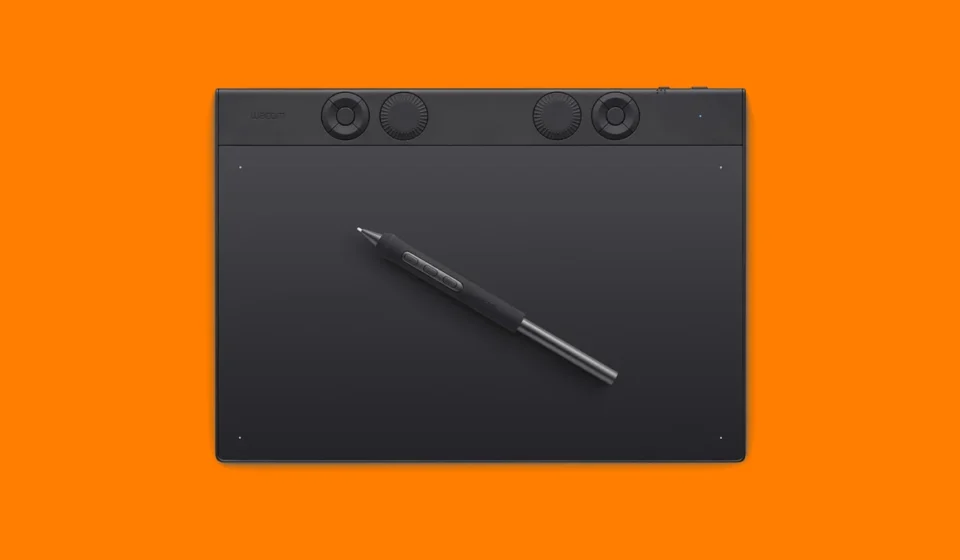
The Gold Standard Reimagined: Why the Wacom Intuos Pro Deal is a Milestone for Digital Artists

For over a decade, Wacom has maintained an iron grip on the professional creative market, positioning its devices not merely as peripherals, but as essential extensions of the digital artist’s hand. While the landscape of pen-input technology has become increasingly crowded with budget-friendly competitors, the release of the updated Wacom Intuos Pro has reaffirmed the company’s dominance in precision, ergonomics, and build quality.
For professional illustrators, retouchers, and motion designers, the Intuos Pro has long been the industry benchmark. However, its high price point has often acted as a barrier to entry for freelancers and students. In a rare and significant shift, the Intuos Pro Medium has seen a price reduction to $299.95 at Amazon, marking an $80 discount from its standard retail price of $379.95. This move presents a rare opportunity for those looking to upgrade their workstation without waiting for the seasonal volatility of major sales events.
Main Facts: The Evolution of a Flagship
The updated Intuos Pro Medium is not merely a cosmetic refresh; it is a fundamental re-engineering of the user experience. At its core lies the Pro Pen 3, a stylus that has been hailed as the most significant design shift in Wacom’s history. Unlike previous iterations, the Pro Pen 3 offers unprecedented customization, allowing artists to adjust the weight, grip thickness, and center of gravity to suit their specific drawing style.
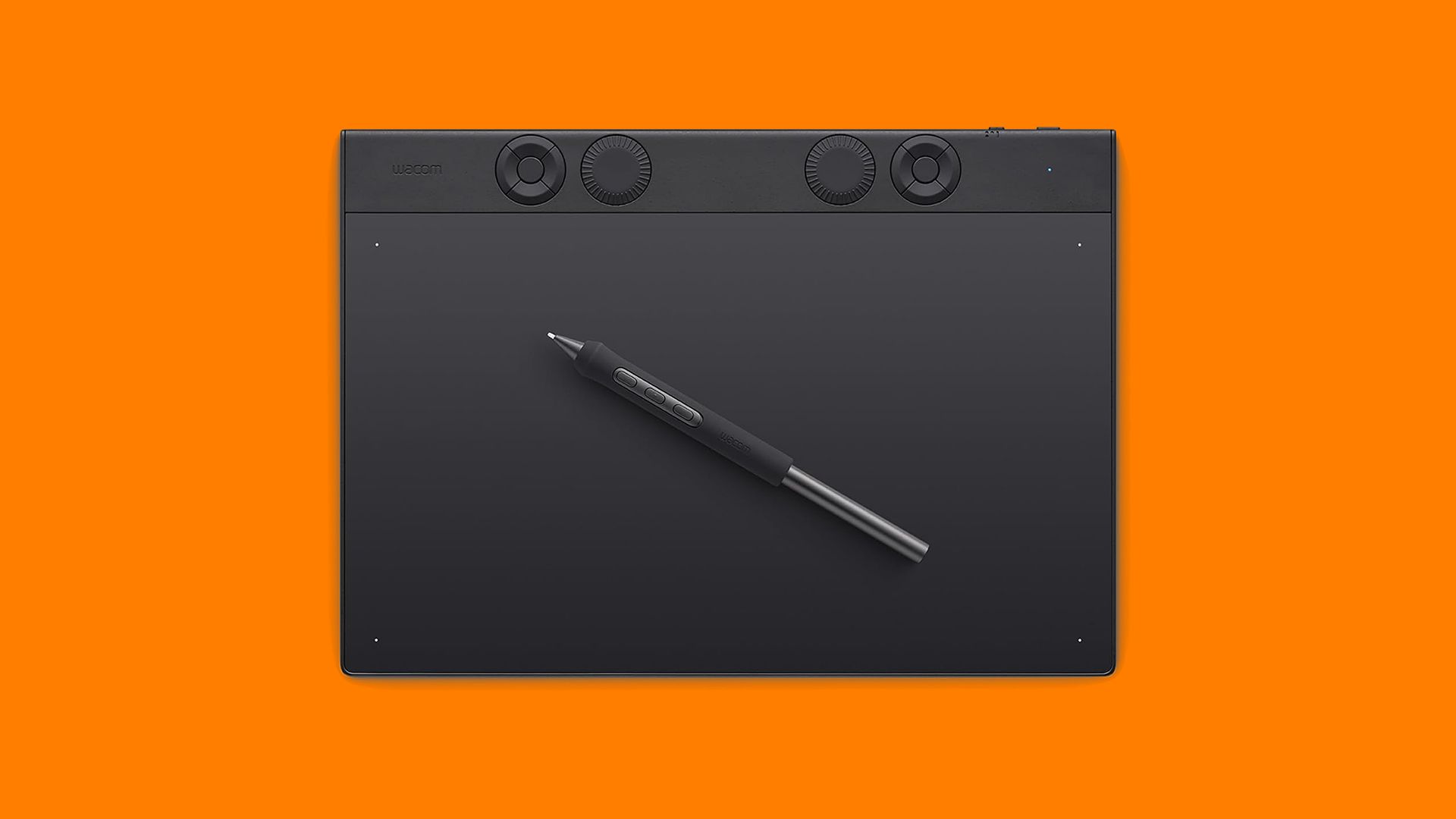
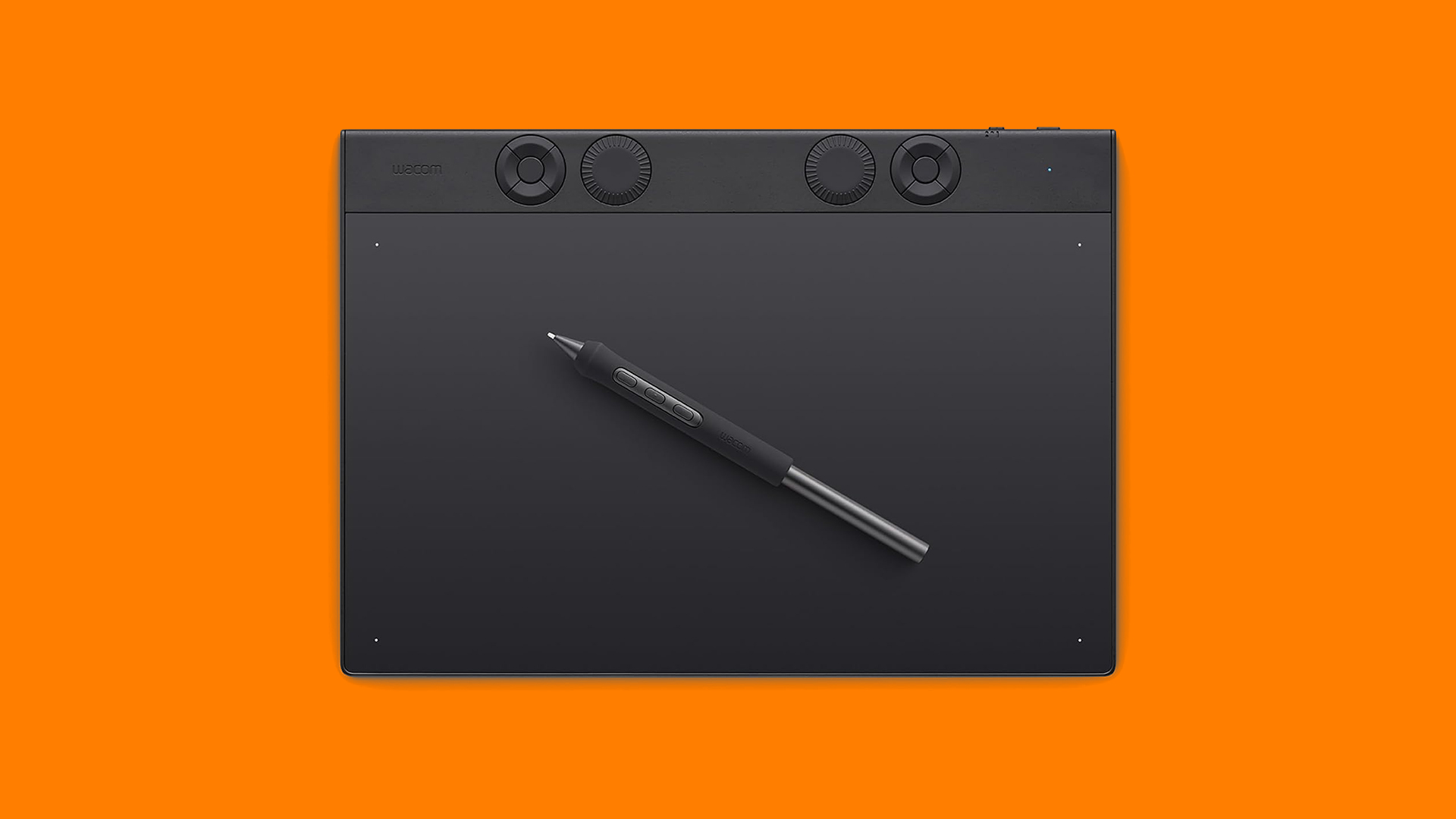
The tablet itself features a sleek, durable chassis that feels engineered for years of daily professional use. The active drawing area—measuring 10.4 x 5.8 inches—strikes a delicate balance between a desktop-friendly footprint and a canvas size that allows for natural, sweeping brush strokes. When compared to the plastic-heavy build quality of entry-level tablets, the Intuos Pro’s premium materials provide a tactile, responsive feedback loop that is essential for high-fidelity digital art.
A Chronology of the Intuos Pro Market
Wacom’s pricing strategy for the Intuos Pro line has historically been rigid, reflecting the company’s status as the premium "pro-sumer" and professional choice.
- Initial Launch: Upon the debut of the redesigned Intuos Pro, the device commanded a premium price point consistent with Wacom’s top-tier professional range.
- The Prime Day Benchmark: The last time this specific $80 discount was observed occurred during Amazon’s Prime Day event in mid-June. This established a floor for the device’s price, signaling to the market that while deep discounts are rare, they are not impossible.
- The Current Offering: With the latest price adjustment, we are seeing a return to that June pricing model. Industry analysts suggest that this preemptive discount—occurring well before the expected October sales cycles—is a strategic move to capture market share from mid-range competitors who have been encroaching on Wacom’s territory.
Supporting Data: Why Performance Matters
In our extensive testing, the Intuos Pro consistently outperformed its rivals in key performance metrics. The digital arts team at Creative Bloq spent three weeks putting the device through a rigorous stress test, focusing on latency, pressure sensitivity, and workflow integration.
Precision and Latency
The Pro Pen 3 technology utilizes electromagnetic resonance (EMR), which eliminates the need for batteries or charging. This ensures that the connection between the pen and the tablet remains consistent, regardless of how long the user spends at the desk. During high-speed line work, the input latency was virtually undetectable, a critical factor for animators who require split-second synchronization between their hand movements and the digital output.
Workflow Ergonomics
The relocation of the Quick Key dials is perhaps the most practical improvement in the current model. By placing these at the top of the tablet, Wacom has cleared the drawing surface of clutter, allowing for a more ergonomic posture. These keys, coupled with the customizable radial menu, allow users to map complex commands—such as layer masking, brush resizing, and canvas rotation—directly to their fingertips. In professional environments where speed is synonymous with profitability, this level of customizability is invaluable.
Portability and Connectivity
For the modern creative, the office is rarely static. The Intuos Pro Medium is thin enough to slide into a standard laptop bag alongside a 14-inch or 16-inch workstation. The inclusion of multi-Bluetooth support allows for seamless switching between a Windows-based desktop and a macOS laptop, a feature that was once a point of friction for multi-platform creators. In real-world testing, the device delivered 10-12 hours of battery life on a single charge, effectively covering a full workday without the need for a tethered cable.
Official Perspectives and Industry Impact
While Wacom has not issued a formal statement regarding the specific nature of this price drop, industry observers note that the company is responding to a broader shift in digital art hardware. As software like Adobe Photoshop, Procreate, and Blender become more accessible, the demand for hardware that can keep pace with these tools has grown.
"The Intuos Pro isn’t just a tool; it’s an investment in your career," notes our lead reviewer. "While the upfront cost is higher than a generic tablet, the durability and precision prevent the ‘hidden costs’ of frustration, compatibility issues, and hardware degradation that often plague cheaper alternatives."
By lowering the price to the $300 mark, Wacom is effectively bridging the gap between the hobbyist enthusiast and the working professional, making its proprietary technology accessible to a wider demographic of creative talent.
Implications for the Creative Industry
The decision to discount the Intuos Pro has significant implications for both the consumer and the hardware market at large.
For the Consumer
For the independent freelancer or the student of the arts, this deal represents a rare opportunity to acquire professional-grade equipment at a significant discount. The "buy once, cry once" philosophy—often touted by veteran designers—is much easier to swallow when the barrier to entry is lowered by nearly 20%. Investing in a device that will last for half a decade or more is far more economical than purchasing a budget tablet that requires replacement every two years.
For the Hardware Market
Wacom’s price adjustment signals a hardening of the competitive landscape. With Chinese manufacturers and agile startups producing increasingly sophisticated tablets, the legacy giant is clearly unwilling to cede ground. By offering the Intuos Pro at a lower price, Wacom forces competitors to either lower their own margins or demonstrate a level of build quality and software support that is difficult to replicate.
Long-term Workflow Efficiency
The ultimate implication of using a device like the Intuos Pro is the long-term impact on the user’s workflow. Professional digital artists often suffer from repetitive strain injuries or fatigue resulting from inefficient input devices. The refined ergonomics of the updated Intuos Pro, paired with the highly responsive Pro Pen 3, minimize the physical burden of long-form illustration and editing.
Final Verdict
The Wacom Intuos Pro Medium remains, without question, the definitive choice for those who take their digital craft seriously. Its combination of build quality, pen precision, and workflow-enhancing features makes it a staple in professional studios worldwide.
With the current $80 discount, the value proposition has shifted significantly. While it is still a premium investment compared to entry-level hardware, the reduction in price makes it the most attractive deal we have seen this year. Whether you are a professional looking to upgrade your aging setup or an aspiring artist ready to make the jump to industry-standard equipment, this is an opportunity that should not be overlooked. With another sales event potentially looming in October, those who purchase now can avoid the potential stock shortages and shipping delays that often accompany major retail holidays, ensuring that their creative output remains uninterrupted.