Comments Off on Embracing the Aesthetic Shift: How Fall, Dark Academia, and Halloween Decor Are Driving a Seasonal Retail Renaissance
As the scorching temperatures of late summer begin to wane, a profound cultural and economic shift takes place across the retail landscape. For millions of consumers, autumn is not merely a change in weather; it is an aesthetic and emotional reset. Characterized by the rich visual vocabulary of dark academia, back-to-school nostalgia, and the whimsical spookiness of Halloween, the autumn season has evolved into one of the most lucrative and culturally significant retail periods of the year.
Market analysts and lifestyle editors alike have noted a surge in consumer demand for items that cultivate coziness, introspection, and a touch of the macabre. To understand this phenomenon, this report examines the core drivers of the autumn shopping trend, a chronological overview of its market rise, supporting consumer data, industry insights, and the broader implications of seasonal identity curation.
Main Facts: The Anatomy of the Autumn Aesthetic Boom
The seasonal transition into fall triggers a massive wave of consumer spending centered around home transformation, personal styling, and nostalgic entertainment. Far from being restricted to the traditional October 31st Halloween window, the "fall vibe" economy now spans from late August through November, fueled by social media platforms like TikTok, Instagram, and Pinterest.
Key components of this seasonal retail boom include:
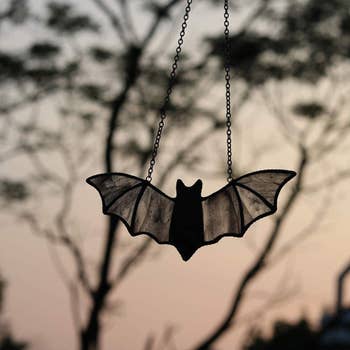
The Dark Academia and Whimsical Goth Subgenres: Consumers are increasingly drawn to moody interiors, vintage-inspired accents, and literary motifs. Items such as Edward Gorey playing cards, stained-glass raven lamps, and bat-shaped suncatchers bridge the gap between classic literature and modern whimsy.
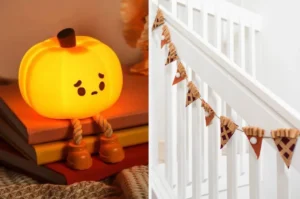
Elevated Everyday Functional Decor: Rather than cheap, disposable plastic novelties, shoppers are investing in durable, design-forward items—such as mini pumpkin Dutch ovens, candle-warming lamps, and ambient projection lighting—that integrate seamlessly into home decor while maintaining seasonal charm.
Nostalgic Self-Care and Apparel: From Twilight-inspired cosmetics and Lisa Frank collaborative body washes to block-heel ankle boots featuring hidden star-shaped treads, seasonal products are heavily tied to personal identity and millennial/Gen-Z nostalgia.
Chronology: The Evolution of the "Summerween" and Autumn Retail Curve
The timeline of autumn retail has undergone a dramatic compression and early expansion over the past half-decade, reshaping how brands launch seasonal campaigns.
Early July – Mid-August (The Rise of "Summerween"): Retailers have begun introducing autumn and Halloween merchandise months ahead of schedule. Fueled by internet subcultures, consumers increasingly embrace "Summerween," prompting brands like Lush, Craft Club, and major home goods suppliers to drop spooky collections while the weather is still warm.
Late August – Early September (The Back-to-School Crossover): As students prepare for the academic year, dark academia aesthetics peak. Bookstore-themed games, stationery, and vintage-styled apparel (such as knit hoods and embroidered crew socks) dominate purchases, blending scholarly nostalgia with cozy preparation.
October (Peak Spooky Season): Consumer engagement reaches its apex. Demand for interactive decor, party supplies, and specialized beauty products—ranging from Halloween-themed hydrocolloid pimple patches to Glamnetic’s cat-eye press-on nails—drives record-breaking digital and brick-and-mortar sales.
November (The Transition to Deep Coziness): As the final Halloween decorations are packed away, the market pivots toward high-end ambient lighting, candle warmers, and hearty culinary tools like smoked sea salt and cast-iron cookware, sustaining the cozy aesthetic well into the winter months.
Supporting Data: What Shoppers Are Buying and Why
Consumer behavior reports and e-commerce analytics reveal that shoppers are willing to invest across a wide spectrum of price points, balancing budget-friendly impulse buys with statement splurges.
1. Beauty and Personal Care
Glamnetic Halloween Press-On Nails ($19.99): Combining seasonal motifs with high durability, these semi-haunted gemstone and cat-eye designs have become a staple for quick, salon-quality manicures.
Tree Hut x Lisa Frank Sugar Sky Body Wash ($10.99): Tapping into childhood nostalgia with bubblegum, banana, and musk scent notes, this foaming gel wash bridges back-to-school memories with modern skincare formulations.
2. Home Decor & Atmospheric Lighting
Tiffany-Style Raven Lamp ($119.99): A premier splurge item featuring stained glass and a piercing red-eyed raven, capturing the sophisticated edge of gothic literature.
Northern Lights Projector ($29.99+): Transforming ordinary rooms into celestial sanctuaries with dynamic wave patterns and built-in white noise or Bluetooth speaker capabilities.
Mini Pumpkin Dutch Ovens ($13.99+): Oven-, microwave-, and dishwasher-safe ceramic pots that double as functional tableware for soups and dips or as standalone stovetop decor.
3. Entertainment and Novelty Goods
Edward Gorey Playing Cards ($16.95): Featuring inimitable, whimsical drawings of people and cats, turning standard card games into an atmospheric experience.
"Bookshelf" Pocket Strategy Game ($16.99): A compact, tin-packaged game requiring players to stack miniature books under shifting rule restrictions—effectively a tiny, literary version of Jenga.
Official Responses and Industry Perspectives
Retail analysts and curators emphasize that modern seasonal shopping is driven by a desire for emotional comfort and tactile engagement in an increasingly digital world.
According to leading lifestyle editors and e-commerce curators, service journalism in the lifestyle sector prioritizes authenticity over pure commercialism. By vetting products through real-world testing—such as evaluating the durability of work-ready press-on nails or the practical utility of candle-warming lamps—curators aim to guide consumers toward purchases that genuinely enhance their daily lives during the darker, colder months.
"Sometimes it’s the little things that get us through the day, ya know?" notes one prominent reviewer, capturing the sentiment shared by thousands of consumers who utilize whimsical window clings, prismatic suncatchers, and ambient lighting to combat seasonal fatigue and elevate their living spaces.
Implications: The Psychological and Economic Impact of Seasonal Curation
The booming market for fall and Halloween lifestyle products carries several notable implications for the broader retail ecosystem:
The Longevity of Seasonal Micro-Trends: Retailers are learning that consumers no longer view Halloween or autumn as single-day events. Instead, seasonal aesthetics are viewed as an extended lifestyle identity. Items that can transition from a Halloween party setup to general autumn home decor (such as flame-effect LED bulbs or ceramic pumpkin pots) see significantly higher long-term retention.
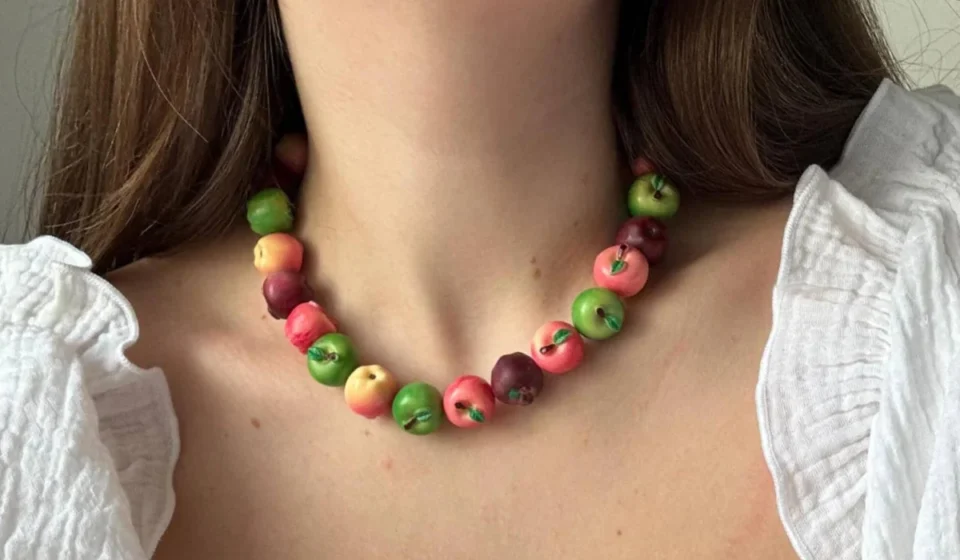
The Blending of High-Street and Niche Artisanal Goods: The market successfully accommodates mass-market giants like Amazon and IKEA alongside independent creators on platforms like Etsy (such as Ni Grama Dramy’s handmade apple necklaces or Whisker Works’ ghost painting craft kits). This diversity allows consumers to curate a personalized aesthetic that feels unique rather than mass-produced.
Mental Health and Environmental Comfort: Environmental psychology suggests that lighting, scent, and tactile home goods play a crucial role in regulating mood as daylight hours shorten. Products like candle warmers (which extend candle life while diffusing richer scents like Maldon Smoked Sea Salt or artisanal mushroom soaps) reflect a consumer shift toward sustainable, comforting rituals.
As the retail calendar continues to evolve, the autumn transition proves that consumers are eager to invest in joy, nostalgia, and a touch of magic—transforming their homes into sanctuaries of cozy, beautifully curated escapism.