Fujifilm Eterna 55 Evolution: A Comprehensive Roadmap for the Future of Cinema

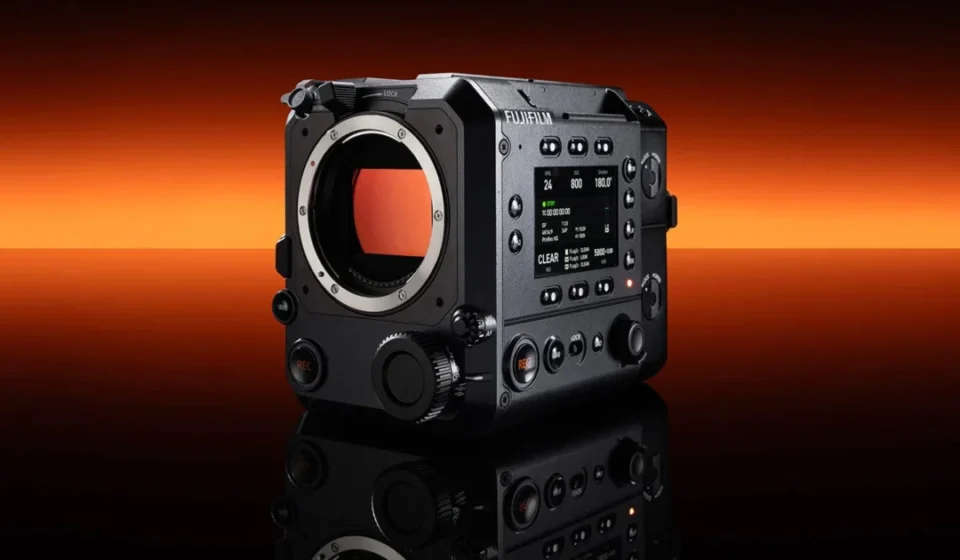
Since its high-profile debut in September 2025, the Fujifilm GFX Eterna 55 has stood as a landmark achievement in the manufacturer’s storied history. As Fujifilm’s inaugural foray into the dedicated digital cinema camera market, the Eterna 55 arrived with a $16,500 price tag and an IMAX-certified sensor designed to push the boundaries of large-format cinematography. Now, less than a year after its launch, the company has unveiled an ambitious, multi-phase firmware roadmap that promises to transform the Eterna 55 from a promising newcomer into a powerhouse production tool.
This strategic update plan, which spans from the immediate present into early 2027, aims to address both user feedback and the rapidly evolving demands of modern film sets. By layering new software capabilities onto its robust GFX architecture, Fujifilm is signaling a long-term commitment to its professional user base.
The Core Transformation: A Strategic Roadmap
Fujifilm’s decision to publish a formal firmware roadmap is a deliberate attempt to build confidence among production houses and independent filmmakers who rely on the reliability and longevity of their camera systems. The updates are divided into three distinct phases, each targeting specific pain points in the professional workflow—from stability and file management to advanced exposure control.
Version 1.10: The Foundation of Stability
The immediate rollout of firmware version 1.10 marks the first step in this evolution. While the manufacturer has categorized this as a stability and usability update, it serves as the essential bedrock for the more complex features arriving later. By refining the internal processes of the camera, Fujifilm ensures that when the more resource-heavy features—such as automatic electronic ND adjustments—arrive, the underlying operating system is optimized to handle the increased processing demands.
Version 1.20: Workflow and Anamorphic Expansion
Scheduled for arrival before the conclusion of 2026, version 1.20 is designed to integrate the Eterna 55 more deeply into professional post-production pipelines. Key highlights include:
- Native MXF Playback: By adding in-camera playback support for the Material eXchange Format (MXF), Fujifilm is streamlining the review process for DPs and directors who need to check rushes on set without needing to offload data to external monitors or NLEs.
- App-Based Configuration Management: A new companion app will allow for the backup and restoration of camera settings. This is a vital feature for rental houses and multi-cam productions where matching the settings of multiple Eterna 55 units is critical for consistency.
- Anamorphic Versatility: The update adds support for Open Gate 4K 4:3 anamorphic desqueeze. This expands the creative toolkit for filmmakers using modern anamorphic lenses, allowing them to fully utilize the large GFX sensor to achieve that distinct, cinematic wide-screen aesthetic.
- Latency Optimization: Building on the foundations laid by previous patches, version 1.20 promises further improvements to SDI and HDMI output latency, addressing the critical need for near-zero delay in live monitoring environments.
The Breakthrough: Automating Exposure with Version 1.30
The most anticipated update, version 1.30, is slated for release in early 2027. This update introduces features that bring the Eterna 55 into direct competition with top-tier cinema cameras from industry stalwarts like Sony and ARRI.
The Power of Automatic Electronic VND
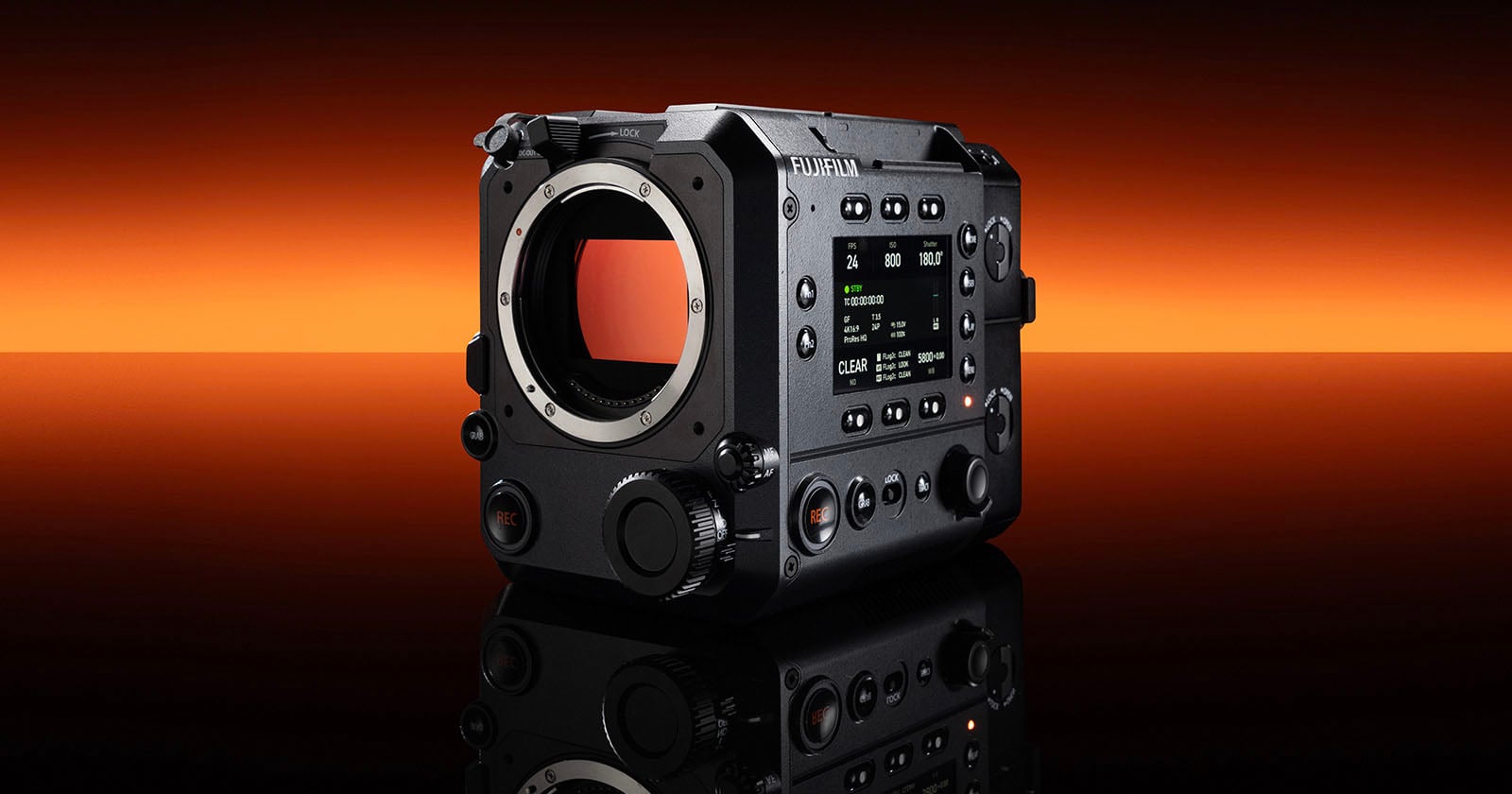
Perhaps the most significant addition is the introduction of automatic, in-camera adjustment of the electronic Variable Neutral Density (VND) filter. While the Eterna 55 already features a built-in electronic VND, version 1.30 will allow the camera to dynamically adjust ND density while maintaining a fixed iris, shutter angle, and ISO.
For cinematographers, this is a game-changer. It enables the use of the "iris pull" effect—adjusting depth of field without changing exposure—without the need for cumbersome external matte boxes or manual filter stacking. By allowing the camera to compensate for changing ambient light automatically, the Eterna 55 can maintain a constant look even when moving between high-contrast lighting environments.
Advanced Lens Control and Integration
Beyond exposure, version 1.30 focuses on physical control. The inclusion of Local Application Control Bus System (LANC) support opens the camera to a wider array of third-party remote controllers, standardizing the Eterna 55’s place on professional rigs. Furthermore, the update allows for remote control of the Fujifilm Duvo series lenses directly through the camera’s Multi-function dial, located both on the body and the top handle. This integration is designed for "run-and-gun" or documentary-style shooting where speed and ergonomics are paramount.
Chronology of the Eterna 55 Ecosystem
To understand the significance of these updates, one must look at the rapid pace at which the Eterna 55 has integrated into the professional market:
- September 2025: The GFX Eterna 55 is officially launched at a $16,500 price point, bringing the large GFX sensor to the cinema market.
- October 2025: Fujifilm releases the F-Log2 C LUT suite, specifically designed to translate the unique color science of the Eterna 55 into the "classic film" looks that the brand is famous for.
- January 2026: The camera receives its IMAX certification, confirming its status as a high-fidelity image capture device capable of meeting the stringent standards of the world’s largest cinema screens.
- July 2026: Fujifilm announces the comprehensive firmware roadmap, setting the stage for 2026 and 2027 development.
- Late 2026: Expected release of version 1.20, focusing on playback and anamorphic workflows.
- Early 2027: Anticipated arrival of version 1.30, introducing the automated electronic VND and expanded lens control protocols.
Implications for the Filmmaking Industry
The Eterna 55 was already a formidable tool, defined by its open-gate capture capabilities on the large GFX sensor. However, the move toward automated features suggests that Fujifilm is shifting its target demographic. While the camera is clearly aimed at high-end cinema, the inclusion of automated exposure and easier remote control suggests a desire to capture the "prosumer-to-professional" crossover market—filmmakers who require the image quality of an IMAX-certified sensor but need the efficiency of modern electronic assistants.
The "Electronic" Advantage
By doubling down on its electronic VND, Fujifilm is betting that the future of cinema is not just in optical fidelity, but in the efficiency of the operator. Traditionally, changing ND filters during a shot was a manual, often interruptive process. By moving this function into the digital domain and making it an automated "intelligent" feature, Fujifilm is reducing the cognitive load on the camera operator. This allows the DP to focus more on framing, movement, and performance, rather than constantly checking a light meter or fiddling with a filter wheel.
Compatibility and Ecosystem
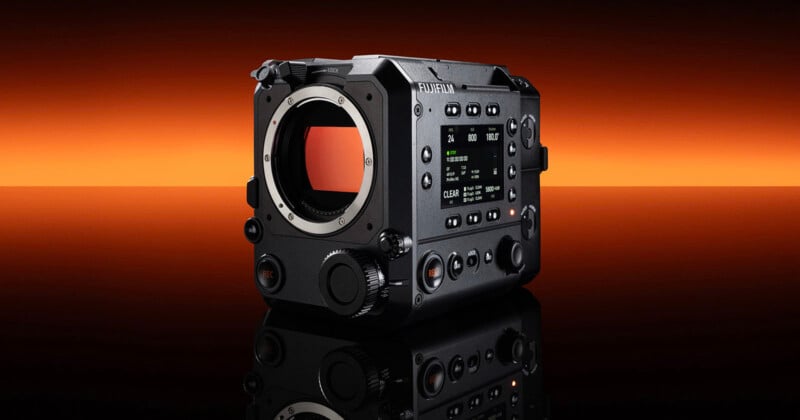
The focus on the Duvo series and LANC support shows that Fujifilm understands the importance of an ecosystem. A camera is only as good as the glass in front of it and the accessories surrounding it. By ensuring that the Eterna 55 plays nicely with industry-standard protocols, Fujifilm is making it easier for rental houses to stock the camera alongside existing industry-standard kits.
Official Stance and Future Outlook
Fujifilm has maintained that these updates are not just "fixes," but a proactive effort to expand the "capabilities and applications" of the camera. The company’s firmware web page remains the central hub for these updates, reinforcing the idea that the Eterna 55 is a "living" piece of technology.
While the roadmap currently extends to early 2027, industry analysts expect that the Eterna 55 platform will likely serve as the foundation for future iterations of Fujifilm’s cinema line. By refining the software now, the company is gathering valuable telemetry and user feedback that will inevitably inform the design of the Eterna 55’s successor.
For current owners and prospective buyers, the roadmap offers a rare level of transparency. In an industry where hardware is often abandoned for newer models, Fujifilm’s commitment to iterating on the Eterna 55’s software over an 18-month period is a clear statement of value. It effectively extends the shelf life of a $16,500 investment, ensuring that the Eterna 55 remains a competitive, modern, and highly capable instrument for years to come.
As the industry looks toward the 2027 update, the focus will undoubtedly shift to how these automated features perform in high-stakes production environments. If the Eterna 55 can successfully blend the cinematic "soul" of Fujifilm’s color science with the cutting-edge convenience of electronic automation, it will have solidified its place as a permanent fixture in the modern cinematographer’s toolkit.