Global Travel Briefing: Regulatory Shifts, Infrastructure Challenges, and Safety Updates

As the global travel landscape continues to evolve, a series of significant developments have emerged this week that impact millions of travelers and citizens alike. From abrupt aviation infrastructure bottlenecks in Southern California to stringent new border security protocols in East Asia and environmental health hazards in Singapore, the international mobility sector is experiencing a period of intense volatility. Simultaneously, the U.S. government has recalibrated its risk assessments for two of Europe’s most visited nations, Italy and the United Kingdom, while federal safety regulators remain locked in a heated debate over aviation oversight.
This comprehensive briefing provides an in-depth look at these critical travel stories, offering context, data, and the potential implications for your upcoming itineraries.
1. Aviation Infrastructure Under Pressure: The LAX Ground Stop
The fragility of modern aviation infrastructure was laid bare on the morning of September 14, 2026, when the Federal Aviation Administration (FAA) issued a temporary ground stop for arrivals at Los Angeles International Airport (LAX).
The Sequence of Events
The disruption, which also impacted air traffic in San Diego, was triggered by critical staffing shortages at the Southern California Terminal Radar Approach Control (TRACON). This facility is the nerve center for one of the world’s most congested pieces of airspace. The ground stop halted inbound flights, causing a ripple effect of delays and logistical headaches for thousands of passengers. By 9:10 a.m., the FAA announced that the restriction had been lifted, though the recovery process for airline schedules extended well into the afternoon.
Implications for Travelers
This incident highlights the lingering fragility of the post-pandemic aviation workforce. While the FAA maintains that such stops are a "last resort" measure to ensure safety, they serve as a stark reminder that air traffic control staffing levels remain a bottleneck for the industry. Travelers are advised to leverage real-time flight tracking apps and maintain direct communication with their carriers, as staffing-related delays can often cascade into cancellations if crew-duty limits are reached.
2. Tightening Borders: China’s New Exit and Entry Protocols
Effective September 15, 2026, the People’s Republic of China implemented sweeping new regulations governing both the exit of its citizens and the entry of foreign nationals. These measures represent a significant tightening of border control policy, framed by Beijing as a move to bolster national security.
Regulatory Changes and Penalties
The new rules introduce more rigorous exit-ban mechanisms. Under the updated framework, Chinese citizens who are deemed to have engaged in illegal or criminal activities overseas—specifically those threatening national security—may face travel bans upon their return, lasting anywhere from six months to three years. Furthermore, the regulations expand the scope of exit restrictions to include violations related to export-control laws and the unauthorized transfer of sensitive technological data.
For foreign travelers, the stakes are equally high. The regulations clearly define penalties for visa fraud or the submission of false information at the border. Offenders may now face entry bans ranging from one to five years.
Official Rationale and Public Perception
Chinese authorities have publicly emphasized that these regulations are targeted specifically at "unlawful cross-border activity," such as organized gambling and telecommunications fraud, rather than the average tourist. However, human rights organizations and international legal experts have raised concerns regarding the ambiguity of terms like "national security," which could be interpreted broadly, creating a layer of uncertainty for international business travelers and researchers.
3. Environmental Hazards: Singapore’s Air Quality Crisis
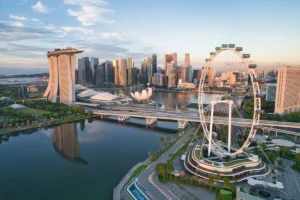
Singapore, a global hub for business and tourism, faced a significant public health challenge on September 15 as air quality plummeted to the "unhealthy" range across all five regions of the city-state.
The Science of the Haze
The pollution was the result of transboundary smoke—haze generated by forest fires in Sumatra and Kalimantan, Indonesia. Winds carried the particulate matter toward Singapore, pushing the 24-hour Pollutant Standards Index (PSI) above 100. In the central region, the index peaked at a concerning 154.
Health Guidance and Travel Advice
The National Environment Agency (NEA) of Singapore classifies a PSI of 101–200 as unhealthy. During these periods, the government advises the general public to limit strenuous outdoor physical exertion. Vulnerable populations—including children, the elderly, pregnant individuals, and those with pre-existing heart or lung conditions—are encouraged to take extra precautions.
For those visiting the region, reliance on the 24-hour PSI can be misleading, as it represents a cumulative average. Travelers are encouraged to monitor the one-hour PM2.5 readings, which offer a more precise, real-time assessment of local air quality. With dry, windy conditions expected to persist, the regional haze remains a fluid situation that could impact outdoor sightseeing plans.
4. Safety Oversight: The NTSB-FAA Standoff
In a move that has sent shockwaves through the aviation industry, the National Transportation Safety Board (NTSB) has publicly condemned the FAA’s lack of progress on critical safety recommendations following the tragic midair collision near Ronald Reagan Washington National Airport in January 2025.
The Point of Contention
The NTSB has officially labeled the FAA’s response to 11 of 33 safety recommendations as "unacceptable." The 2025 crash, which claimed 67 lives, remains the deadliest U.S. aviation disaster in over two decades. The NTSB argues that the implementation of "ADS-B In" technology—which allows pilots to see and track nearby aircraft in real-time—could have provided the necessary warnings to prevent the collision.
The FAA’s Counter-Position
While the FAA has initiated reviews of helicopter flight paths in major urban centers and ordered stricter separation standards between rotary-wing and fixed-wing aircraft, they have stopped short of mandating ADS-B In across all platforms. The agency cites technical and cost-benefit hurdles as primary reasons for their reluctance. This public friction between the investigator (NTSB) and the regulator (FAA) highlights an ongoing philosophical divide regarding how much, and how quickly, new technology should be forced upon the aviation industry to prioritize safety over operational efficiency.
5. Risk Assessment: U.S. State Department Updates for Europe
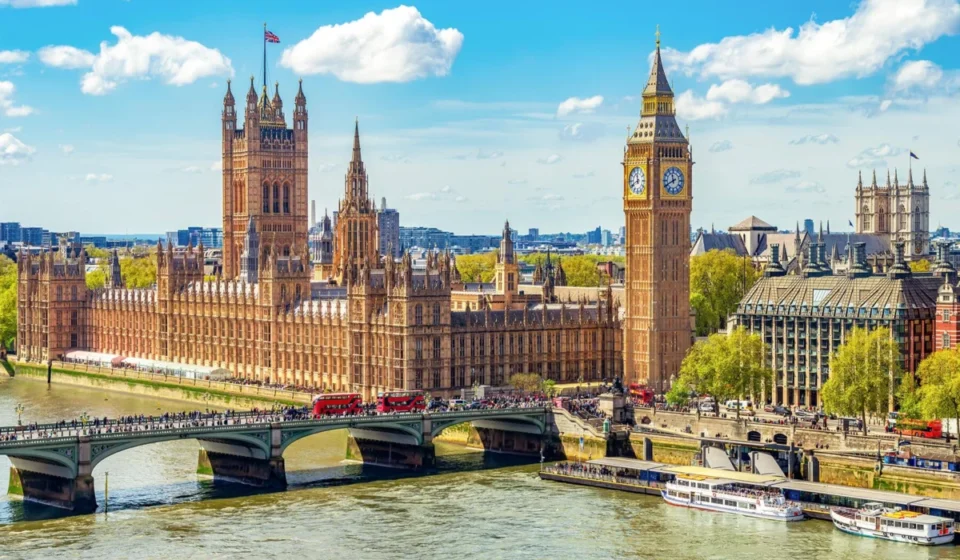
The U.S. State Department recently refreshed its travel advisories for Italy and the United Kingdom. While both remain at "Level 2: Exercise Increased Caution," the nuance behind these designations has shifted, reflecting evolving geopolitical and social climates.
Italy: The Persistent Threat of Petty Crime
Italy’s updated advisory remains focused on a dual threat: terrorism and petty crime. While the threat of terrorism is a general consideration for major European capitals, the State Department places heavy emphasis on the prevalence of pickpocketing, bag-snatching, and vehicle break-ins. These crimes are particularly concentrated in high-traffic tourist hubs, train stations, and on public transit. Visitors are advised to maintain situational awareness and secure their belongings with extra vigilance.
The United Kingdom: Terrorism and Regional Stability
The update for the United Kingdom is notable for what it removes: the formal citation of "civil unrest" as a primary risk factor. However, terrorism remains the core justification for the Level 2 status. Interestingly, the advisory notes that while widespread violence is not a concern, travelers should remain aware of localized tensions in Northern Ireland, where dissident groups continue to target security personnel. Much like Italy, the U.K. remains a hotspot for opportunistic crime, and travelers should not let the "Level 2" status lower their guard regarding their personal property in crowded areas.
Implications: How to Navigate the New Normal
For the modern traveler, the landscape is increasingly complex. The integration of technology in travel, such as digital visa systems and real-time environment tracking, is now a necessity rather than an advantage.
- Be Proactive with Insurance: Given the instability in aviation staffing and the potential for environmental disruptions, comprehensive travel insurance that includes "cancel for any reason" or "trip interruption" coverage is more important than ever.
- Understand Local Jurisdictions: When traveling to countries with strict national security or border laws, such as China, it is vital to research current entry/exit requirements thoroughly before departure. Ignorance of local regulations regarding digital data or visa applications can lead to severe, long-term consequences.
- Prioritize Situational Awareness: Whether it is monitoring the PSI in Singapore or keeping a tight grip on your passport in Rome, the burden of personal security rests heavily on the individual. Utilizing official government resources, such as the U.S. State Department’s STEP program (Smart Traveler Enrollment Program), can provide vital alerts and support in the event of an emergency.
As we move forward, the intersection of safety, policy, and infrastructure will continue to dictate the ease with which we traverse the globe. Staying informed and flexible remains the best strategy for navigating these unpredictable times.