Comments Off on Inside the Professional Fall Foliage Kit: How Photographer Kate Garibaldi Prepares for Autumn’s Fleeting Window
By Staff Wildlife & Landscape Photography Desk
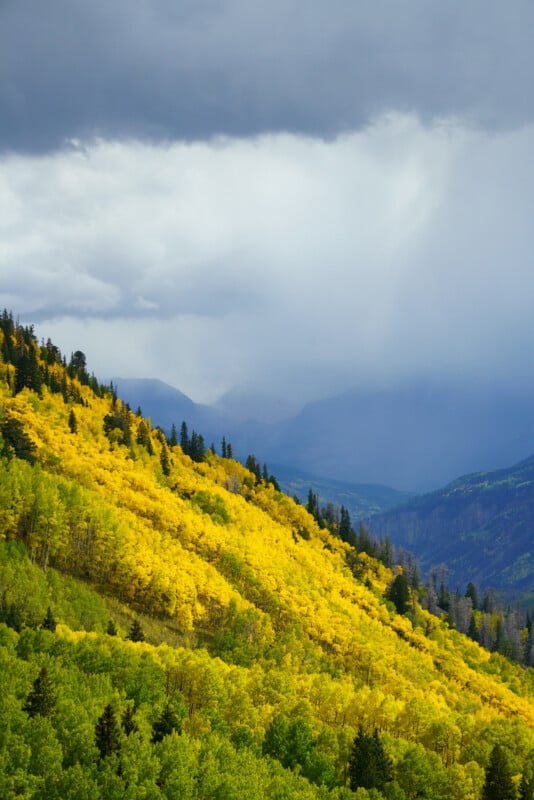
As the crisp air of September sweeps across the Northern Hemisphere, forests transform into vibrant canvases of crimson, amber, and gold. For landscape, macro, and wildlife photographers, autumn represents one of the most anticipated, yet painfully brief, seasons of the year. Capturing these fleeting transformations requires far more than simply showing up with a camera; it demands meticulous preparation, gear versatility, and an intimate understanding of shifting environmental conditions.
Professional photographer and gear reviewer Kate Garibaldi has pulled back the curtain on her personal autumn field kit, offering an in-depth look at the precise equipment, dual-bag strategies, and field techniques she relies on to capture stunning autumn vistas. Far from a rigid checklist, Garibaldi’s approach emphasizes adaptability—striking a careful balance between mobility and comprehensive preparedness when heading into the backcountry.
Main Facts: The Anatomy of a Dual-Bag Autumn System
Garibaldi’s philosophy centers on the reality that fall photography is rarely a one-size-fits-all endeavor. While her foundational accessories remain consistent throughout the season, her transportation strategy splits into two distinct paths depending on the primary target: expansive landscapes or distant wildlife.
The Core Camera Body: Sony a7R IV, prized for its high-resolution sensor which captures intricate details in dense foliage and distant ridges.
The Glass Lineup: A flexible array including the Tamron 90mm f/2.8 Di III Macro VXD, Viltrox AF 56mm f/1.7, Viltrox AF 20mm f/2.8, and the Sigma 50-500mm telephoto zoom. (Note: This list frequently rotates due to editorial lens-testing cycles.)
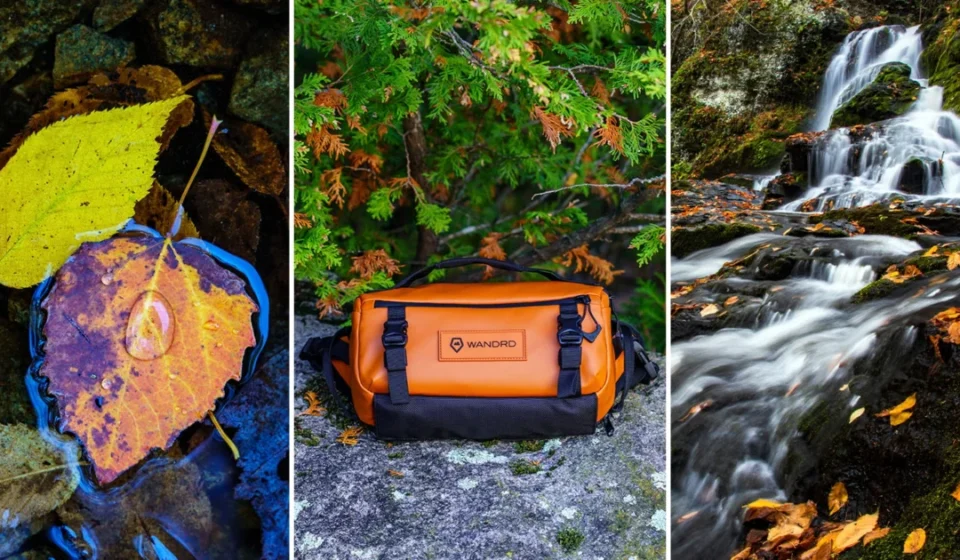
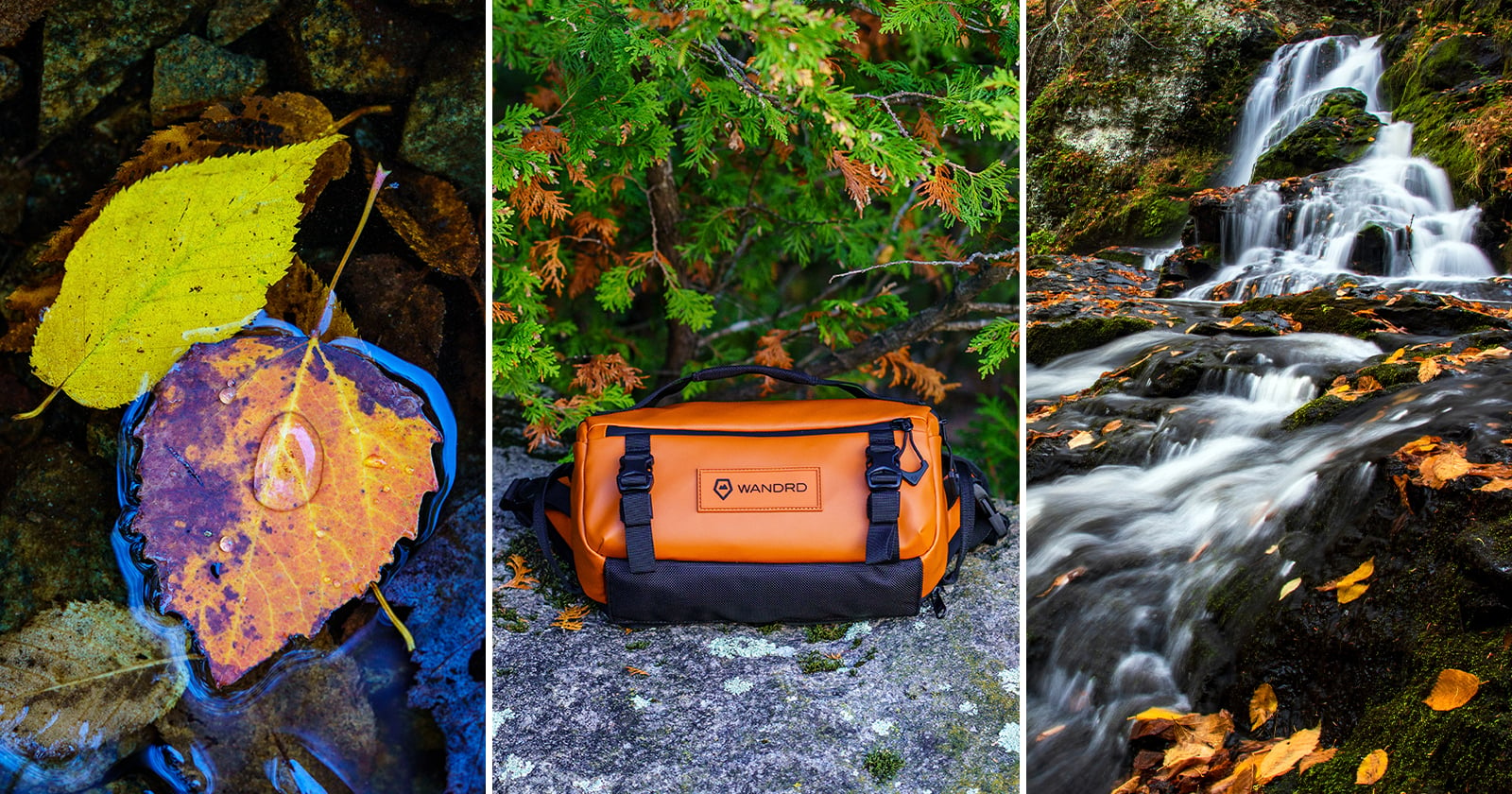
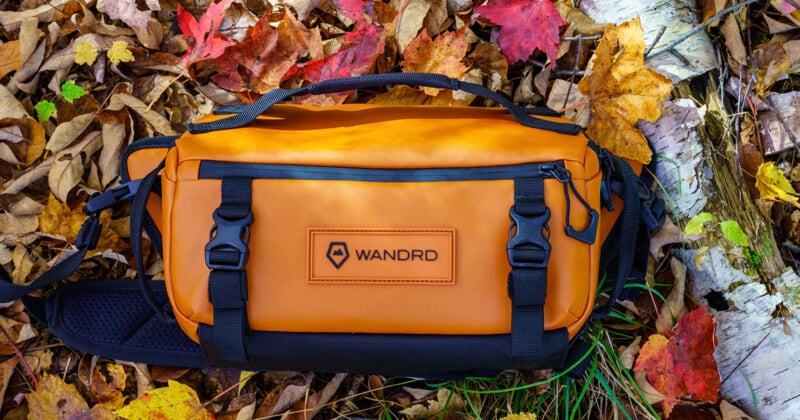
Bag Setup A (Lightweight Landscape): WANDRD Rogue Sling 9L (Sedona Orange / Yuma Tan), utilized for rapid movement, day hikes, and tight spaces where a 500mm lens is unnecessary.
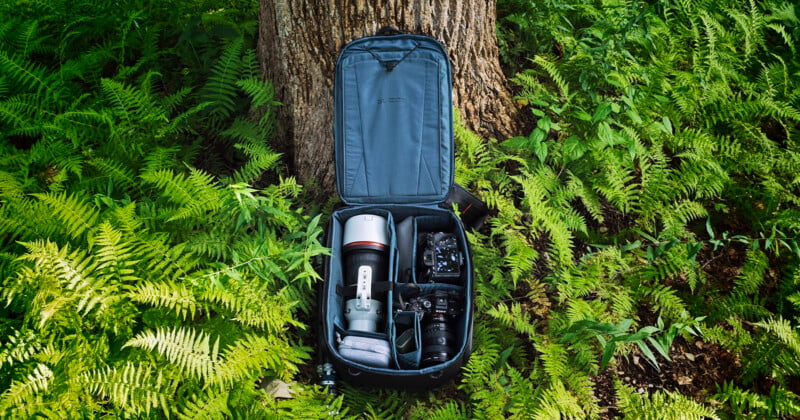
Bag Setup B (Comprehensive/Wildlife): PGYTECH OneMo 2 backpack, deployed when heavy telephoto glass and extended gear hauling are required.
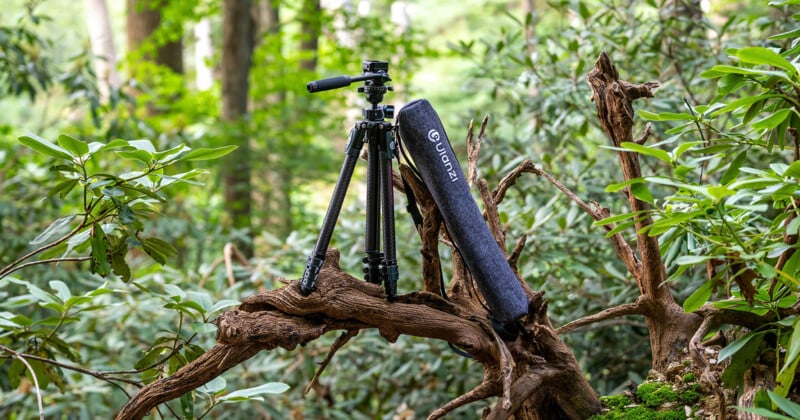
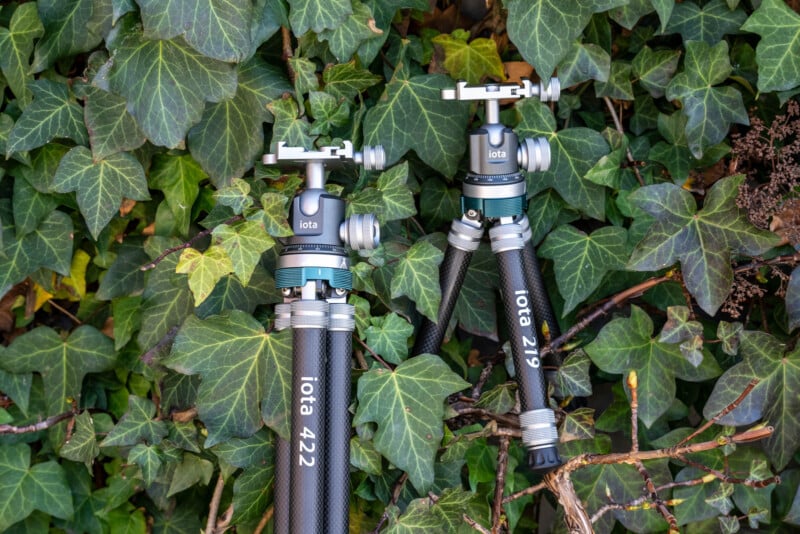
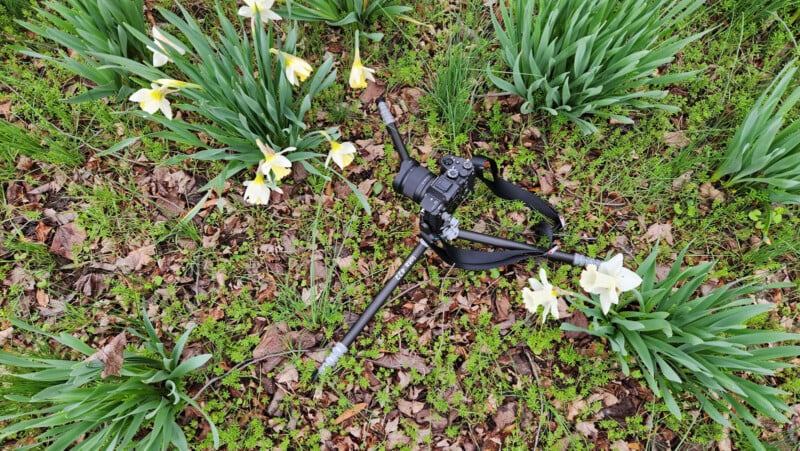
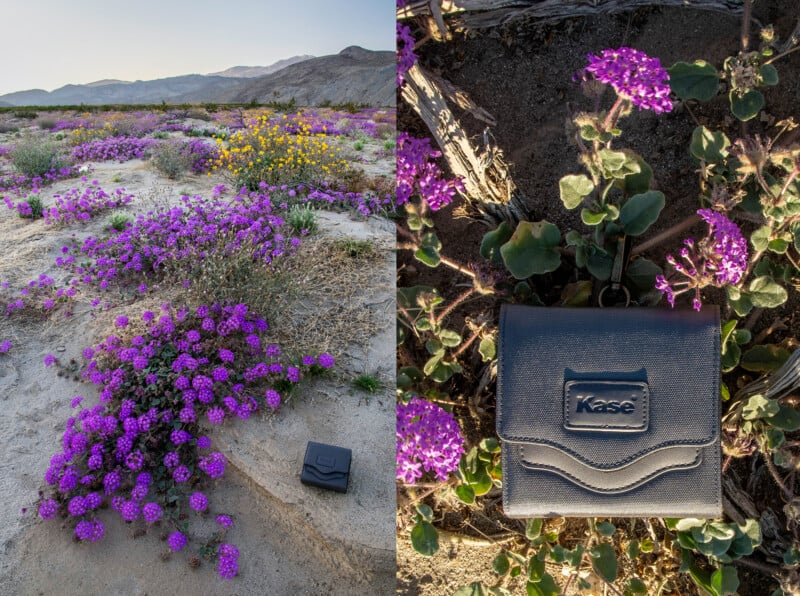
Support & Filters: Carbon fiber tripods (Ulanzi JJ06 and Promaster Iota 422) paired with a magnetic Kase filter system incorporating circular polarizers (CPL) and neutral density (ND) filters.
Chronology and Field Evolution: Adapting to the Season
Understanding how an experienced professional builds an outfit involves looking at how field days unfold chronologically. Garibaldi’s deployment of gear is intrinsically linked to the shifting phases of an autumn shoot, which often begins long before the shutter is ever clicked.
Phase 1: Pre-Dawn Decisions and Bag Selection
The planning process begins the night before, based on weather forecasts, target locations, and localized foliage reports. If the itinerary calls for navigating rugged trails in search of intimate forest floor compositions, cascading streams, and dramatic morning mist, Garibaldi packs light. The WANDRD Rogue Sling 9L is hoisted over her shoulder, housing her Sony body, a couple of prime or macro lenses, cleaning supplies, and a compact tripod.
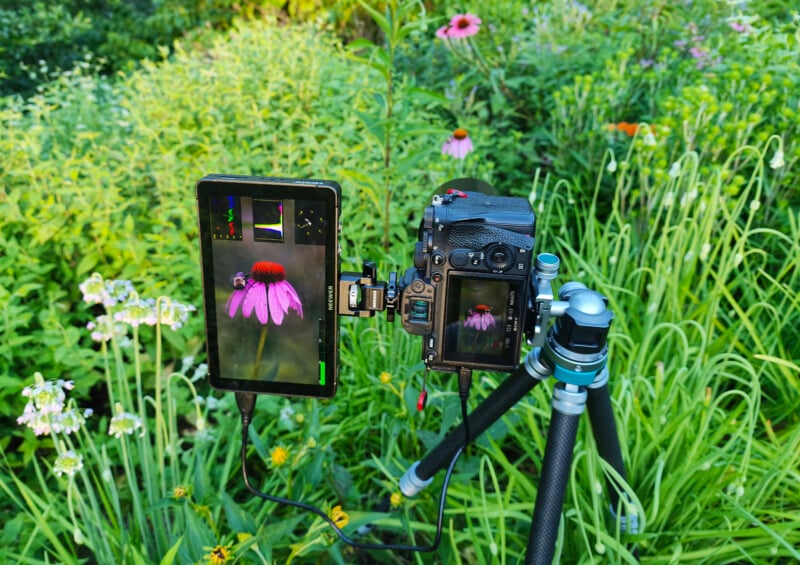
Conversely, if the route winds through elk territory or high mountain passes where wildlife is likely to cross the frame, the strategy changes entirely. The PGYTECH OneMo 2 backpack comes off the shelf, loaded with the Sigma 50-500mm telephoto zoom, extra battery management systems, and an external monitor.
Phase 2: Morning Light and Landscape Composition
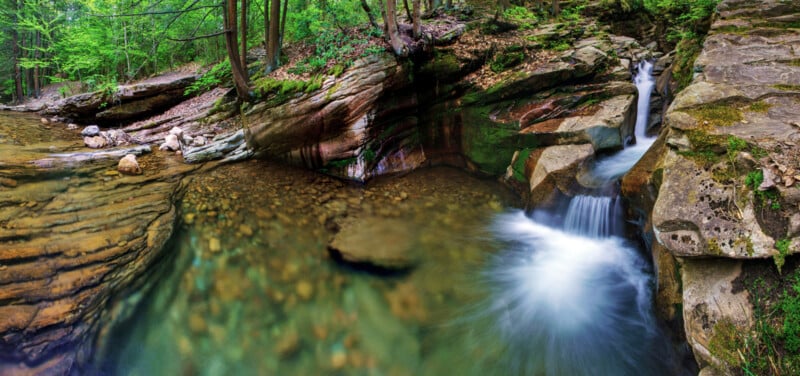
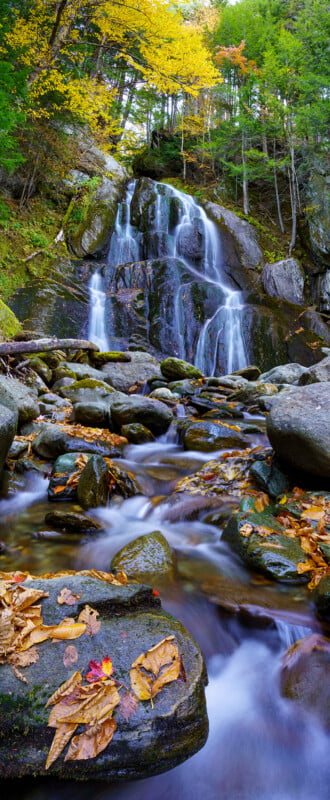
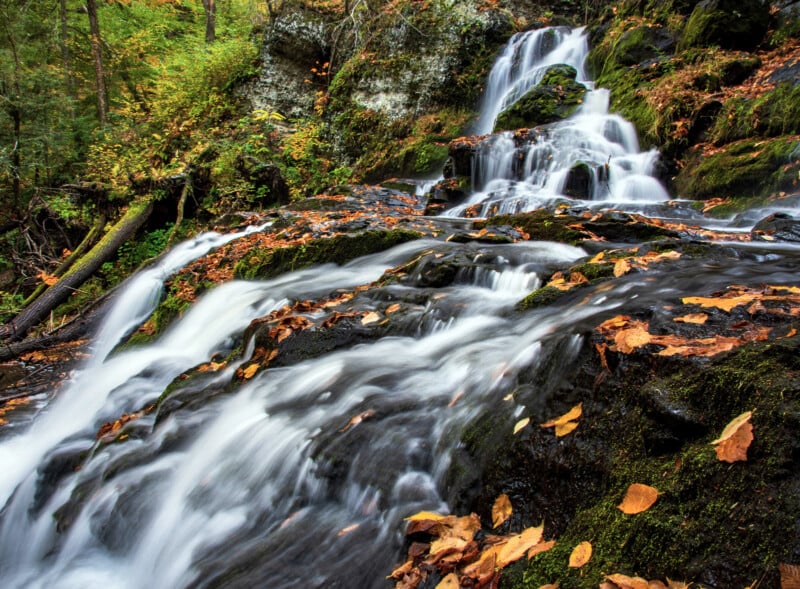
Upon arriving on location during the golden hour, stability is the primary objective. Setting up a carbon fiber tripod—such as the lightweight Promaster Iota 422 or the sturdier Ulanzi JJ06—allows Garibaldi to shoot at slower shutter speeds without micro-blur. This is critical when framing cascading waterfalls or forest streams where a silky water effect elevates the mood of the autumn scene.
During this phase, circular polarizers are threaded onto lenses to cut through specular highlights on wet river rocks and slick leaves, saturating the reds and oranges underneath.
Phase 3: Midday Macro and Creative Problem-Solving
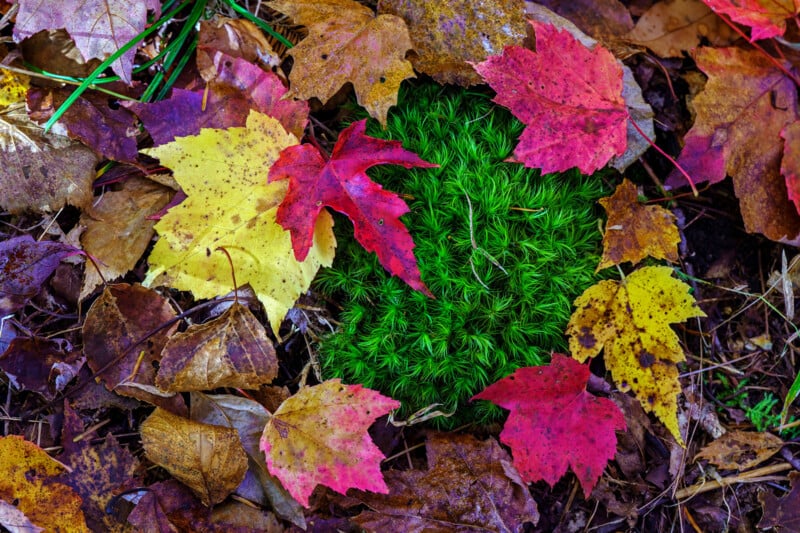
As the harsh midday sun filters through the canopy, wide landscapes often give way to intimate macro compositions. Swapping to the Tamron 90mm f/2.8 macro lens, Garibaldi targets micro-details: a solitary dew-kissed leaf resting on green moss, wild mushrooms pushing through a bed of pine needles, or intricate frost patterns on fallen foliage.
At this stage, accessory items emerge from the bag. A pocket-sized collapsible reflector acts as a diffuser or fill-light source, taming harsh contrast on small subjects. A small spray bottle is utilized to add realistic water droplets to leaves when natural moisture is lacking.
Phase 4: Evening Wildlife Encounters and Behind-the-Scenes Capture
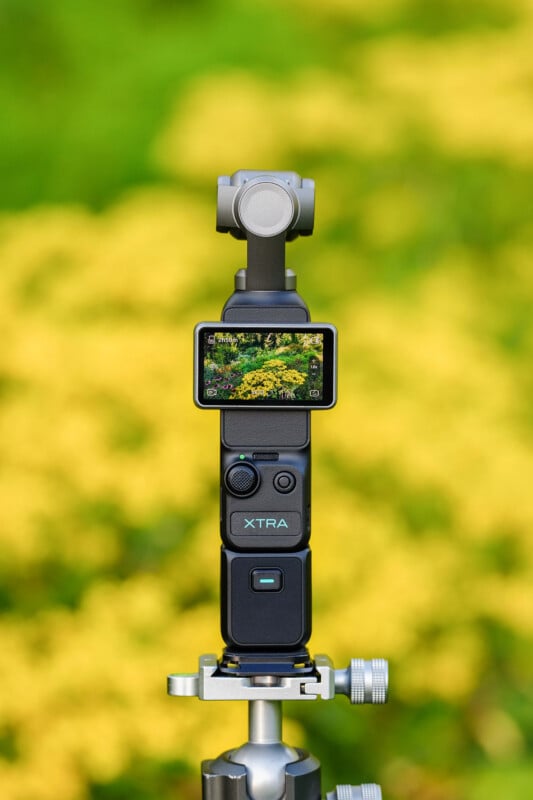
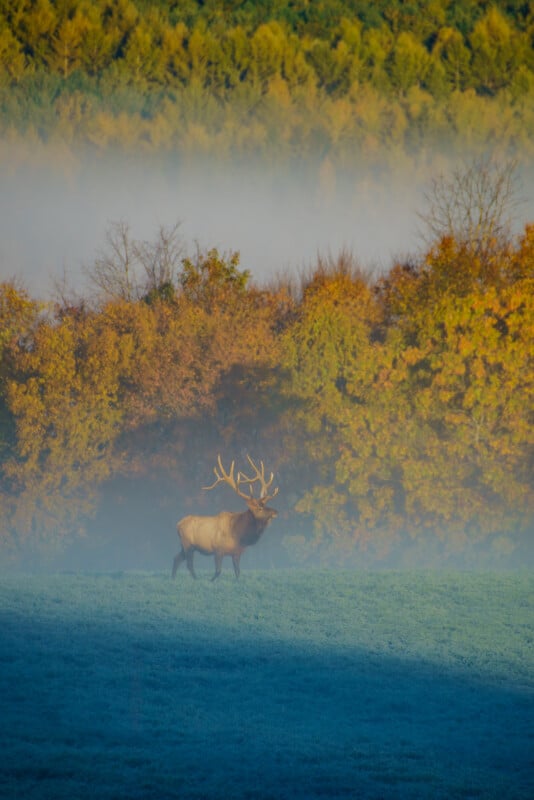
As late afternoon approaches, the long telephoto lens comes into play. Scanning ridgelines or river valleys, Garibaldi looks for environmental wildlife portraits—such as a bull elk standing regally amid golden aspen groves. Simultaneously, a pocket gimbal camera is brought out to record behind-the-scenes footage, documenting the actual physical environment for social media audiences and providing visual verification that the captured stills are authentic, unmanipulated moments in nature.
Supporting Data: Technical Breakdown of the Kit
To better understand the scale and engineering behind Garibaldi’s choices, a closer look at the supporting hardware reveals why these specific tools were selected for demanding wilderness environments.
Power Management in Sub-Optimal Temperatures
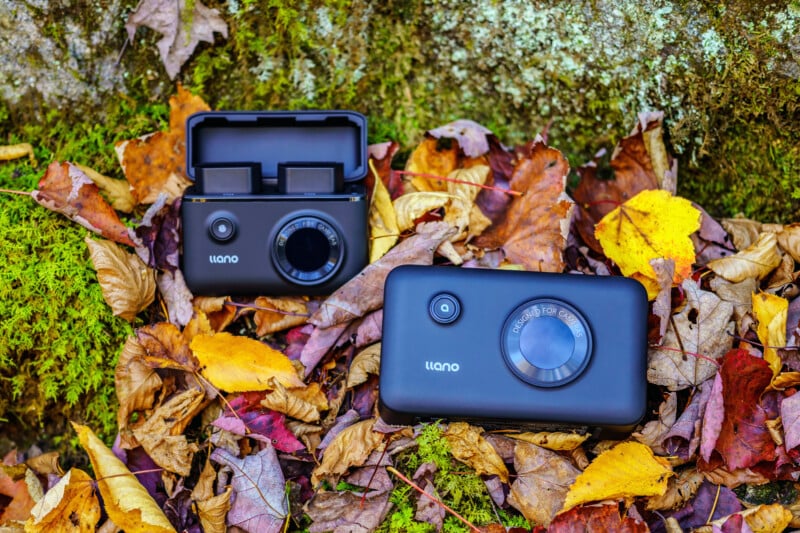
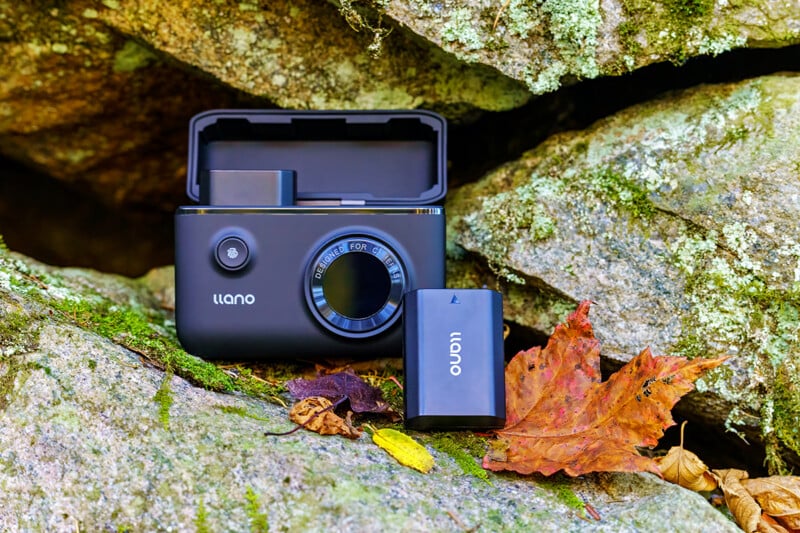
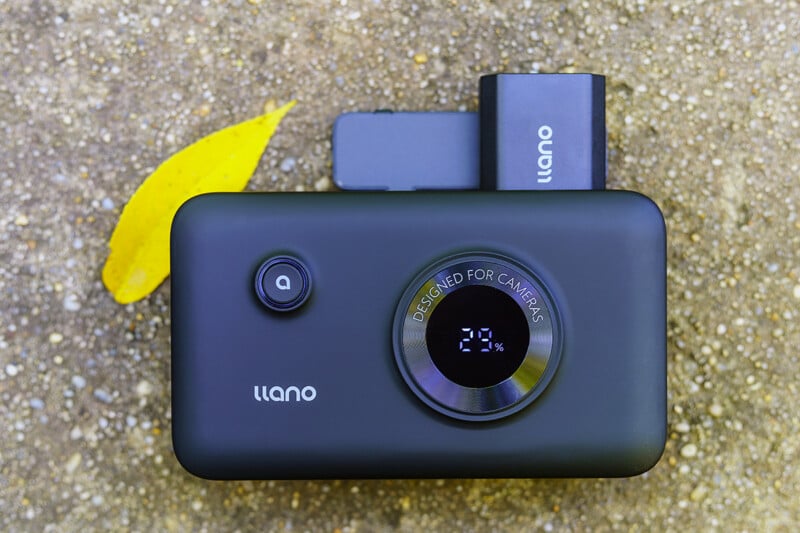
Autumn weather is notoriously fickle. Cold morning temperatures in the mountains drain camera batteries significantly faster than summer heat. To combat this, Garibaldi relies on Llano charging systems for her Sony NP-FZ100 batteries.
The Dual Battery Case: Combines storage and charging capabilities directly in the field.
The Power-Bank Charging Case: Features an integrated high-capacity internal battery that allows for continuous battery rotation without requiring a grid connection—essential for multi-day backcountry camping trips.
Precision Optics and Filtering
Managing dynamic range and reflections in wet environments requires dedicated filtration:
Circular Polarizer (CPL): Essential for removing polarized glare from wet foliage, water surfaces, and rocks, thereby revealing true color saturation.
Neutral Density (ND) Filters: Acts as sunglasses for the camera sensor, reducing light transmission to facilitate multi-second exposures of rushing water during broad daylight.
Official Perspectives and Industry Insights
While Garibaldi’s kit is customized for her personal style of content creation and editorial testing, her methodology reflects broader industry standards among professional nature photographers.
"Fall color gives you a relatively short window to work with, and the conditions can change quickly," Garibaldi notes. "Having a kit that lets me respond to those opportunities without carrying absolutely everything I own is what makes the most sense for how I photograph autumn."
Industry analysts point out that the modern nature photographer is increasingly expected to wear multiple hats—acting as a landscape artist, wildlife specialist, macro technician, and video producer simultaneously. This convergence explains the growing popularity of modular camera bags like the PGYTECH OneMo series and lightweight, multi-axis gimbals that facilitate high-end social media storytelling without breaking the photographer’s back on long mountain hikes.
Implications for Aspiring Nature Photographers
Garibaldi’s gear breakdown offers valuable takeaways for enthusiasts looking to refine their own autumn photography workflows:
Prioritize Scalability: Carrying a massive backpack on a five-mile hike when you only need a wide-angle lens leads to unnecessary fatigue. Matching the bag to the objective—sling for light walks, backpack for heavy glass—conserves energy for creative focus.
Invest in Weather Resilience: Autumn brings rain, mist, river spray, and sudden temperature drops. Packing microfiber cloths, rain covers, and backup power sources is not optional; it is fundamental to capturing the shot when the light finally breaks.
Embrace Multi-Disciplinary Storytelling: Incorporating video tools (like external monitors and gimbal cameras) not only satisfies the demands of modern digital publishing and social media, but also deepens the photographer’s own connection to the landscape by documenting the full narrative behind a single frame.
Ultimately, whether working with a minimalist sling or a fully loaded expedition pack, the overarching lesson from the field is clear: preparation meets opportunity when your gear serves your vision rather than weighing it down.