GoPro Officially Joins the Micro Four Thirds Standard Amid Major Corporate Shifts and Cinema Ambitions

By Tech & Imaging Desk
In a development that cements its pivot toward professional cinematic production, action camera pioneer GoPro Inc. has officially declared its support for the Micro Four Thirds (MFT) System standard. Announced by OM Digital Solutions Corporation—steward of the standard originally co-founded by Olympus and Panasonic in 2008—GoPro’s formal entry into the alliance bridges a lingering gap in the industry.
The move arrives on the heels of the controversial release of the GoPro Mission 1 Pro ILS, a compact cinema camera that utilizes an MFT lens mount. While the camera initially launched without its creator being a recognized member of the Micro Four Thirds System Standard Group, this new announcement puts those bureaucratic anomalies to rest. Even as GoPro navigates a massive $285 million corporate acquisition by optical data firm Starman Optical and addresses anxious consumers regarding its hardware future, the action camera titan is undeniably planting its flag in the professional cinema landscape.
Main Facts: What GoPro’s MFT Integration Means
The integration of GoPro into the Micro Four Thirds ecosystem is a strategic milestone for both the open-standard alliance and the action camera manufacturer.
- The Core Announcement: OM Digital Solutions officially welcomed GoPro Inc. into the Micro Four Thirds System Standard Group, expanding the collaborative ecosystem that has endured for nearly two decades.
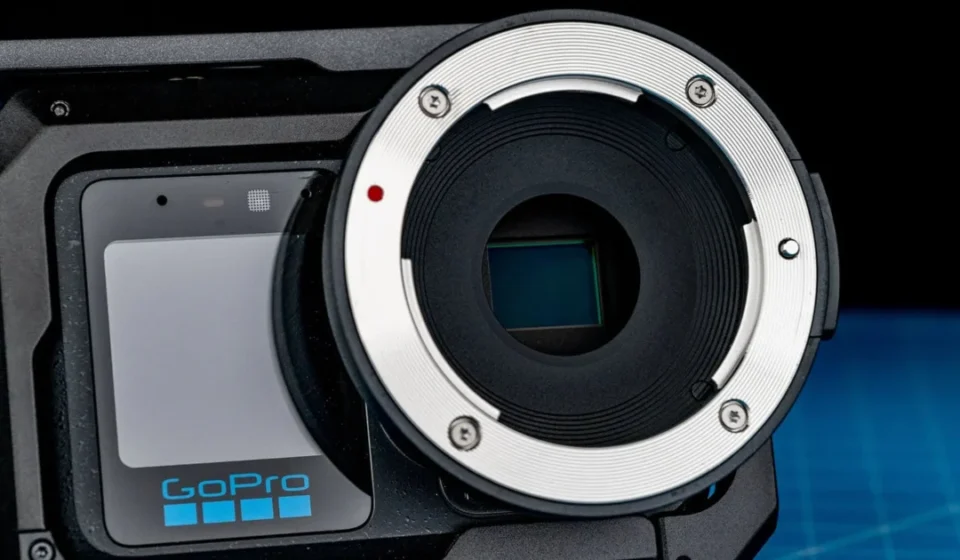
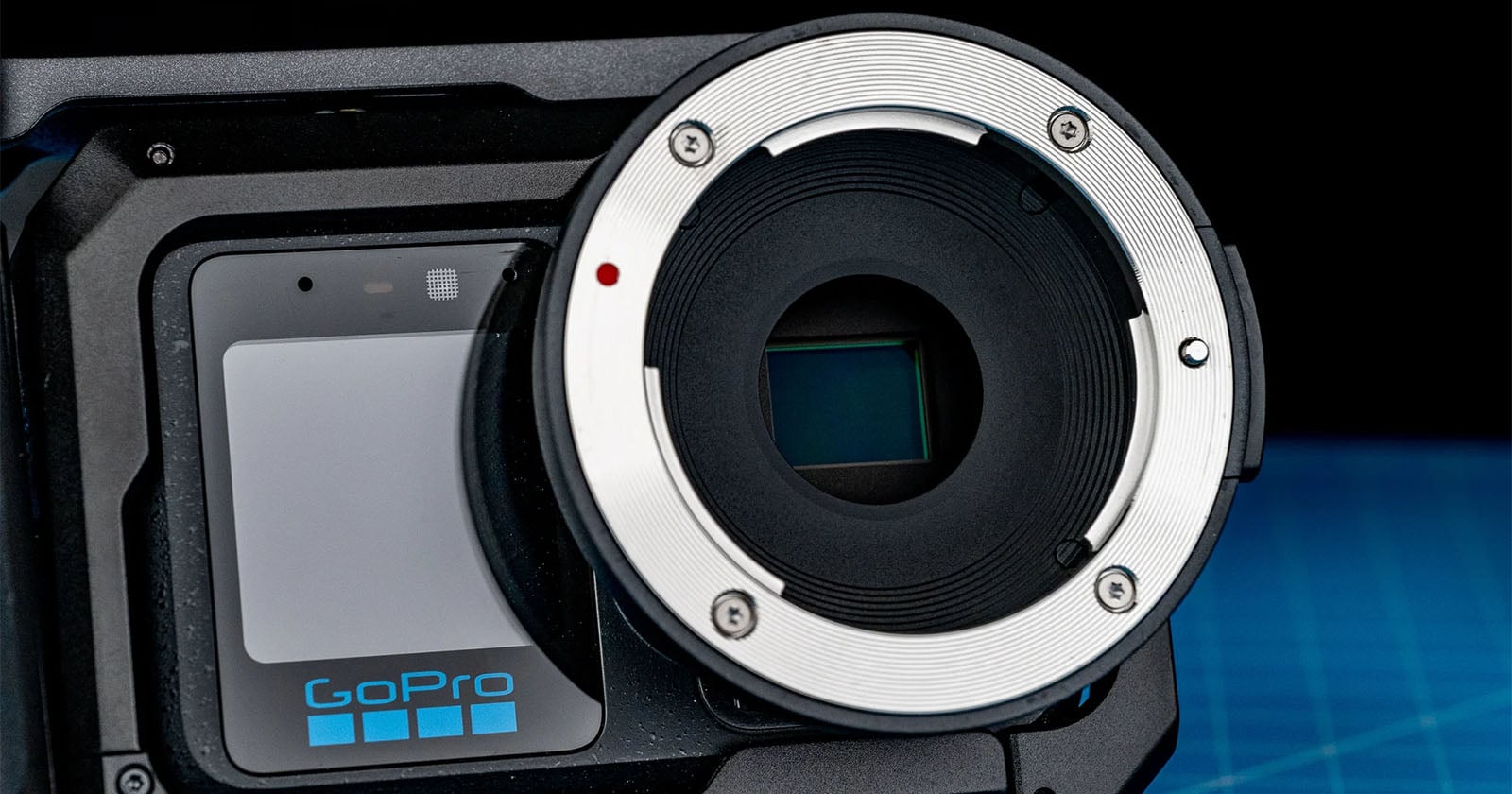
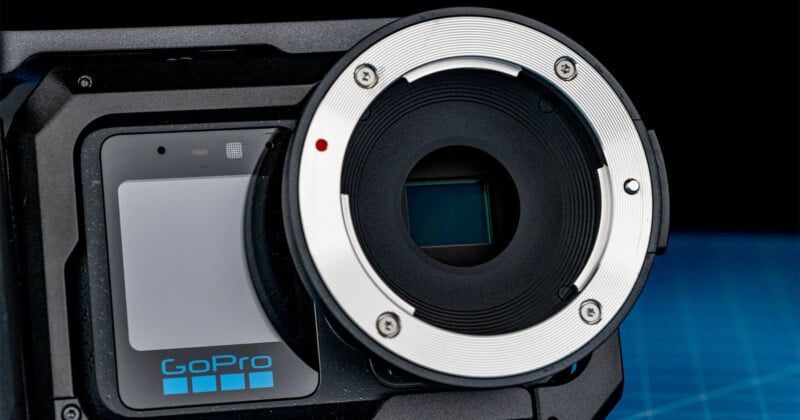
- The Hardware Catalyst: The partnership is anchored by the recent rollout of the GoPro Mission 1 Pro ILS, a compact, specialized cinema camera built around a Micro Four Thirds mount.
- The "Dumb" Mount Nature: Notably, the Mission 1 Pro ILS features a completely manual, or "dumb," lens mount. It lacks electronic communication pins entirely, meaning attached MFT lenses do not support autofocus, electronic aperture control, or metadata transmission between lens and camera body.
- Industry Collaboration: Despite the lack of electronic integration on its debut camera, OM Digital Solutions views GoPro’s participation as a major coup that will push the MFT format further into amateur filmmaking, professional video production, and high-end cinematic applications.
Chronology: From Surprise Hardware to Standard Membership
The path to GoPro’s formal alignment with the Micro Four Thirds standard has been swift, unexpected, and intertwined with major corporate restructuring.
August 2026: The Mission 1 Pro ILS Debuts
Late last month, GoPro sent shockwaves through the photography and videography communities by unveiling the Mission 1 Pro ILS. Diverging drastically from the brand’s traditional ultra-wide, fixed-lens action cameras, the Mission 1 Pro ILS introduced a modular, interchangeable-lens philosophy tailored for filmmakers. However, industry analysts and enthusiasts quickly noted a glaring omission: GoPro was not listed as a participant in the Micro Four Thirds System Standard Group, making the adoption of the MFT mount an unconventional solo venture.
September 1, 2026: The Starman Optical Merger
Days after the hardware launch, financial headlines overshadowed technical specifications. Optical technology firm Starman Optical announced a definitive agreement to acquire GoPro for $285 million. The move immediately sparked concern across the creative community, as Starman’s primary portfolio focuses on optical data, AI, defense, and national security applications rather than consumer media capture. Users and industry pundits began to question whether GoPro’s iconic action camera line would be phased out in favor of enterprise tech.
September 4, 2026: Founder Nick Woodman’s Reassurance
In response to widespread panic regarding the brand’s survival, GoPro founder and CEO Nick Woodman published an open letter to consumers. He firmly stamped out rumors of the company’s exit from the consumer market, vowing that imaging is embedded in the company’s core DNA and pledging a continued commitment to developing market-leading hardware.
Mid-September 2026: Official MFT Standard Induction
Resolving the remaining questions regarding its cinematic hardware ecosystem, OM Digital Solutions issued a joint and public declaration confirming GoPro’s official induction into the Micro Four Thirds standard. This retroactive alignment legitimizes the engineering philosophy behind the Mission 1 Pro ILS and integrates GoPro into a robust lineage of optical manufacturers.
Supporting Data: The Technical Realities of the Mission 1 Pro ILS
To understand the weight of GoPro joining the MFT standard, one must examine the specific engineering choices made for the Mission 1 Pro ILS.
- Open Ecosystem Access: The Micro Four Thirds standard allows any member company to design cameras, lenses, and accessories compatible with the physical specifications of the 4/3-inch sensor crop factor and flange focal distance. By joining, GoPro gains legitimate access to utilize standard documentation and branding.
- The Mechanical Compromise: Because the Mission 1 Pro ILS utilizes a passive, unpowered mechanical mount, cinematographers must rely entirely on manual focus lenses or cinema glass equipped with manual physical gears. While this might alienate users accustomed to automated workflows, it appeals strongly to traditional independent filmmakers who prefer tactile, hard-stop manual control over their focal planes and exposures.
- Glass Versatility: Despite electronic limitations, the MFT standard opens up the camera to an immense catalog of vintage, cinema-grade, and modern manual glass. Creators can pair the diminutive GoPro camera body with everything from ultra-fast prime lenses to specialized anamorphic adapters.
Official Responses: Corporate Optimism Amid Transition
Stakeholders from both sides of the partnership have emphasized the mutual benefits of the agreement, even as GoPro remains tight-lipped due to its ongoing merger proceedings.
OM Digital Solutions’ Perspective
OM Digital Solutions remains heavily invested in the longevity and versatility of the Micro Four Thirds format. In their official statement welcoming the new partner, the corporation highlighted the diverse potential applications unlocked by the collaboration:
"GoPro is expanding the ways people capture and share their experiences through immersive imagery with the Mission 1 Pro ILS, a compact cinema camera featuring a Micro Four Thirds mount… GoPro’s participation is expected to further expand the use of the Micro Four Thirds System in amateur filmmaking, professional video production, and at the highest levels of cinema."
The statement further emphasized the core strength of the open standard model:
"The participation of a diverse range of companies in this open standard will continue to expand the product lineup and create new possibilities for visual expression and image capture."
GoPro’s Vision for Creators
When launching the camera last month, GoPro framed the device as an ultimate hybrid tool, merging their renowned ruggedness and compact form factor with professional optical customization:
"Mission 1 Pro ILS gives creators and filmmakers the legendary versatility of GoPro combined with the creative flexibility to pair it with the best Micro Four Thirds (MFT) lens for the shot."
While GoPro corporate communications have largely deferred individual product statements while managing the Starman Optical transition, founder Nick Woodman’s recent public assurances have set a steady tone. Addressing the merger’s implications for the brand’s identity, Woodman noted:
"We understand there’s some concern about GoPro’s post-merger commitment to continue developing market leading cameras for consumers and professionals. Making amazing cameras for all of you is our core DNA and reason for being and that will never change! We’re fired up about what’s ahead for GoPro…"
Implications: What This Means for the Future of Cinema and Action Gear
GoPro’s official entry into the Micro Four Thirds standard carries profound implications for multiple sectors of the imaging industry.
1. The Blurring Lines Between Action Cams and Cinema Rigs
For over a decade, GoPro defined the action camera category: small, lightweight, plastic, waterproof housings outfitted with hyper-wide, fixed-focus, deep-depth-of-field lenses. The Mission 1 Pro ILS and its MFT mount represent a radical departure. By allowing users to slap cinema-grade glass onto a stripped-down, rugged core, GoPro is stepping into the realm of modular "box cameras" traditionally dominated by brands like RED, Z Cam, and Sony’s FX line.
2. Validation for the Micro Four Thirds Format
While full-frame sensors have dominated industry headlines in recent years, the Micro Four Thirds system continues to prove its resilience. Its smaller flange distance and sensor size make it uniquely suited for compact engineering feats—a factor that enabled GoPro to design a cinematic body capable of utilizing interchangeable glass without scaling up to massive, heavy chassis designs. GoPro’s adoption signals to the market that MFT remains a viable, highly adaptable standard for specialized video production.
3. Navigating Corporate Transition
The lingering question remains how the Starman Optical acquisition will ultimately impact GoPro’s roadmap. With Starman specializing in optical data systems and defense technology, analysts suggest that technologies developed for the Mission 1 Pro ILS—such as high-end sensor management and rugged optical housings—could find lucrative applications outside of consumer entertainment. However, with Woodman’s adamant promises that consumer cameras remain the company’s lifeblood, the MFT standard integration serves as a tangible proof-of-life that GoPro’s engineering teams are actively innovating in the visual arts space.
As creators begin to field-test the Mission 1 Pro ILS within the newly validated MFT framework, the industry will be watching closely to see if GoPro expands its interchangeable-lens lineup with electronically communicative mounts in future generations—or if they intend to champion the purist, mechanical approach to modular filmmaking.
Related posts: