Industry Moves: A Comprehensive Overview of September’s High-Level Executive Appointments

The professional meetings, conventions, and tourism landscape is undergoing a significant transformation as organizations across the United States announce a wave of strategic leadership appointments. From the bustling corridors of Nashville’s Music City Center to the strategic marketing offices of Connecticut, industry leaders are realigning their human capital to meet the evolving demands of post-pandemic event planning, sports tourism, and international marketing.
This report examines the latest executive transitions, providing a deep dive into the backgrounds of these new appointees, the operational shifts driving these decisions, and the long-term implications for the destination marketing organizations (DMOs) and facilities involved.
The Strategic Shift: An Analysis of Recent Appointments
The current climate of the hospitality and meetings industry is characterized by a "specialization over generalization" approach. As organizations like Visit Cincy and the Connecticut Convention & Sports Bureau (CTMEETINGS) expand their rosters, the emphasis is clearly placed on targeted growth sectors: SMERF (Social, Military, Educational, Religious, and Fraternal) business, high-level sports marketing, and international trade operations.

Key Executive Movements at a Glance
- Visit Cincy: Added Katie Clark and Kevin Kraft to bolster small-meetings and SMERF segments.
- Music City Center: Appointed Anthony Lopez as President to spearhead operational excellence.
- Visit Tucson: Implemented a four-person expansion, including executive leadership and film production support.
- Brand USA: Hired Daystar Van Wagner to streamline the organization’s global event portfolio.
- CTMEETINGS: Named Christopher Grosse to bridge the gap between sports sales and institutional marketing.
- Houston First: Promoted Todd Holloman to oversee a massive restructuring of venue operations.
Chronology of Organizational Growth
The third quarter of 2026 has seen a rapid acceleration in recruitment across the MICE (Meetings, Incentives, Conferences, and Exhibitions) sector.
In early September, the Visit Cincy team expanded its sales force to address a burgeoning interest in the Cincinnati region as a Tier-2 destination. By hiring Katie Clark as sales and services manager and Kevin Kraft as sales manager, the organization is effectively segmenting its outreach. Clark is tasked with the high-touch, detail-oriented work of small meetings, while Kraft—bringing pedigree from the Marriott brand—is focusing on the high-volume potential of the SMERF market.
Simultaneously, in the South, Music City Center in Nashville made a pivotal move by appointing Anthony Lopez as President. This move, which keeps CEO Charles Starks at the helm, represents a "division of labor" strategy. By separating the day-to-day facility management from the high-level financial and communication strategy, the center is positioning itself to handle the increased complexity of hosting 2.1 million square feet of space.
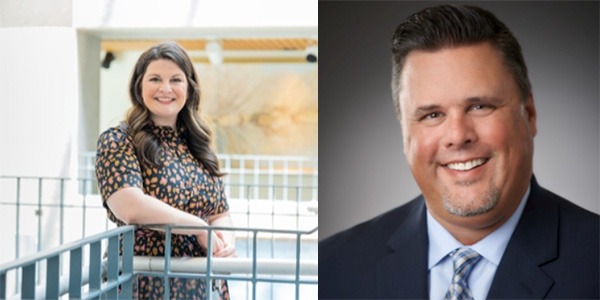
Further west, Visit Tucson completed a significant talent acquisition phase, bringing in four new professionals. This move signals an intent to diversify the city’s revenue streams, spanning from traditional sports tourism to the increasingly lucrative film production industry.
Supporting Data and Professional Profiles
The caliber of talent entering these roles suggests a heightened focus on competitive edge. These are not entry-level placements; they are seasoned professionals tasked with immediate bottom-line impact.
Profiles in Leadership
- Anthony Lopez (Music City Center): His transition from the Kay Bailey Hutchison Convention Center in Dallas to Nashville is a major industry "win." His background in complex operational leadership at Chicago’s McCormick Place makes him uniquely qualified to manage the massive, multi-departmental infrastructure of Nashville’s premier facility.
- Christopher Grosse (CTMEETINGS): With a career anchored in major collegiate athletics—including UConn, Penn State, and the U.S. Naval Academy—Grosse represents the modern shift of DMOs acting more like media and marketing agencies. His ability to handle "external strategy" is vital for a state looking to leverage sports to drive transient occupancy taxes.
- Daystar Van Wagner (Brand USA): As international travel continues its rebound, Van Wagner’s role as senior director of event operations is critical. Managing events across the UK, Europe, India, Latin America, and Canada requires a high level of logistical sophistication that few candidates possess.
Implications for the Meetings and Tourism Sector
The implications of these leadership shifts are profound, suggesting three major trends for the remainder of the decade:

1. The Professionalization of Sports Tourism
With the appointments of Chance Lamey and Kelson Coleman at Visit Tucson, and the elevation of Christopher Grosse in Connecticut, the message is clear: sports are no longer a "side hustle" for DMOs. They are primary revenue drivers. As these organizations dedicate specific personnel to sports sales, we can expect a more aggressive bidding war for national championships, youth tournaments, and professional sports retreats.
2. Operational Specialization
The restructuring at Houston First, which saw Todd Holloman promoted to senior vice president of venues and events, is a bellwether for large-scale urban convention centers. By separating "venues and events" from "development," organizations are acknowledging that the art of hosting an event and the science of building a district require different sets of skills. This functional separation allows for faster decision-making and clearer accountability.
3. The "Small Meeting" Opportunity
For years, the industry was obsessed with "city-wide" conventions—the massive events that fill 5,000 hotel rooms. However, the appointment of Katie Clark at Visit Cincy to specifically focus on "small meetings" reflects a broader market correction. Planners are prioritizing agility and cost-efficiency, and DMOs are responding by creating specialized teams that can provide a concierge-level experience for these smaller, more frequent events.

Official Responses and Strategic Outlook
While many of these appointments are new, the mission statements accompanying these announcements are consistent.
At Visit Cincy, the focus is on a seamless integration of local partners. By connecting planners directly with hotels and local venues, the organization aims to reduce friction in the booking process.
For Music City Center, the collaboration between Charles Starks and Anthony Lopez is being framed as a "future-proofing" exercise. With Starks maintaining oversight of finance and communications, he remains the face of the center’s growth, while Lopez provides the technical muscle to ensure that the facility operates at a world-class level 365 days a year.

Brand USA’s strategic outlook remains centered on global visibility. By bringing in a specialist like Daystar Van Wagner, they are signaling to international stakeholders that the United States is fully open for business and capable of hosting the most demanding global trade events.
Conclusion: A New Era of Talent
The influx of this high-level talent into the hospitality and tourism sectors is not merely a list of HR changes; it is a clear indicator of a market in recovery and growth. As these individuals step into their roles, the industry can expect:
- Increased Innovation: With leaders coming from diverse backgrounds—from collegiate athletics to film production—cross-pollination of ideas will likely lead to more creative event formats.
- Enhanced Global Connectivity: Brand USA’s focused approach to international operations will likely increase the ease of doing business for international planners looking to bring groups to the U.S.
- Operational Resilience: The structural changes in places like Houston and Nashville suggest that convention centers are becoming more agile, capable of adapting to market shifts in real-time.
As we move forward into the next quarter, the industry will watch these individuals closely. Their success will not only define their own careers but will also set the bar for how cities and destinations compete in an increasingly crowded global marketplace. The message from this month’s appointments is undeniable: the best way to grow is to invest in the people who manage the experience.
For planners, hoteliers, and stakeholders, these shifts represent new points of contact, new strategies for collaboration, and, ultimately, a more robust and sophisticated network of professionals dedicated to the success of every meeting, conference, and event.