Keurig Dr Pepper Strategically Expands GHOST Energy Portfolio to Capture New Market Segments

Executive Summary: A Bold Push for Market Share
In a decisive move to solidify its foothold in the competitive functional beverage sector, Keurig Dr Pepper (KDP) has announced a significant expansion of its GHOST Energy product line. The strategic rollout includes the debut of a new 8.4-ounce slim-can format designed to lower the barrier to entry for trial-seeking consumers, alongside an aggressive diversification of its flagship 16-ounce portfolio with five new flavor profiles.
This dual-pronged strategy—focusing on both accessibility and variety—underscores KDP’s commitment to capturing a broader demographic of energy drink consumers, ranging from fitness enthusiasts to convenience-seeking commuters. By leveraging the brand equity of GHOST—a lifestyle-forward, transparency-focused label—and integrating it into the massive distribution network of Keurig Dr Pepper, the company is positioning itself to challenge the traditional hegemony of established energy drink incumbents.
Chronology: The Evolution of the GHOST-KDP Partnership
The relationship between GHOST and Keurig Dr Pepper represents one of the most successful strategic alliances in the modern beverage industry. To understand the significance of this current expansion, one must look at the timeline of the brand’s integration into the KDP ecosystem.
The Foundation (2022)
In late 2022, Keurig Dr Pepper announced a transformative investment in GHOST, acquiring a minority stake in the brand for approximately $990 million. This deal provided GHOST with the logistical muscle of a beverage titan, while KDP gained access to a rapidly growing, culturally relevant brand that resonated deeply with Gen Z and Millennial demographics.
The Growth Phase (2023)
Throughout 2023, the partnership focused on streamlining distribution. GHOST transitioned from a niche direct-to-consumer and specialized fitness retail brand to a powerhouse in the "cold vault" of convenience stores and supermarkets across North America. The brand’s "no-nonsense" approach to ingredients—highlighting transparent labeling and functional supplements—began to carve out a unique niche against legacy brands that relied primarily on high-caffeine content.
The Current Expansion (2024-2025)
The announcement of the 8.4-ounce "trial-size" cans and the infusion of new 16-ounce flavors marks the latest chapter. This phase is characterized by market penetration. Recognizing that the 16-ounce format can be daunting or too costly for first-time buyers, KDP’s introduction of the 8.4-ounce format is a textbook move to incentivize trial purchases in high-traffic retail environments.
Supporting Data: Why Small Cans and Big Flavors Matter
The energy drink category is currently one of the most vibrant segments of the beverage industry, yet it faces shifting consumer preferences. According to recent market analysis, while energy drink sales remain robust, there is an increasing demand for "functional variety" rather than just high-octane stimulation.
The "Trial-Size" Economic Strategy
The 8.4-ounce format is not merely a downsizing effort; it is a strategic pricing mechanism. Industry data suggests that price sensitivity remains a major factor in the beverage aisle. By offering an 8.4-ounce can, KDP provides a lower price point, which increases the "velocity" of product turnover in convenience stores. When a consumer is undecided about trying a new brand, the perceived risk is lower when the price is lower.
Flavor Innovation as a Retention Tool
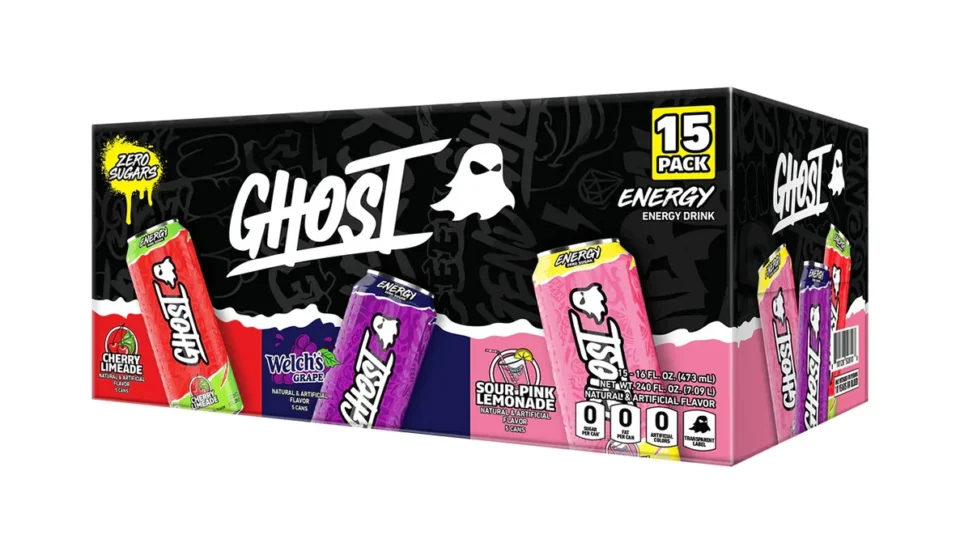
The expansion of the 16-ounce lineup—which now includes Blue Raspberry, Iced Tea Lemonade, Strawbango, Bubbilicious Strawberry Splash, and Welch’s Grape-Cran—is a data-driven response to current palate trends. The inclusion of the Welch’s collaboration is particularly noteworthy. By partnering with a legacy juice brand, GHOST is bridging the gap between "energy" and "nostalgia." This cross-pollination of brands helps to normalize energy drinks for consumers who might otherwise avoid the category, associating the product with the familiar taste profiles of their childhood.
Official Responses and Strategic Rationale
In statements provided alongside the product launch, KDP executives emphasized that the expansion was born out of direct consumer feedback.
"Our goal with the GHOST partnership has always been to meet the consumer where they are," said a spokesperson for Keurig Dr Pepper. "Whether they are looking for a mid-day pick-me-up that fits in a purse or gym bag, or they are long-time fans looking for the next innovative flavor collaboration, this expansion ensures that we have a product for every occasion."
The focus on "transparent labeling"—a core pillar of the GHOST brand—remains at the forefront. Unlike some competitors who utilize "proprietary blends" that obfuscate the actual dosage of ingredients, GHOST continues to list the exact amounts of caffeine, L-Carnitine, and other functional ingredients on the can. This transparency is touted as the brand’s "secret weapon" in gaining the trust of the health-conscious consumer.
Implications: The Future of the Energy Drink Landscape
The expansion of the GHOST portfolio carries significant implications for both retail partners and competitors.
For the Retail Environment
Convenience store operators are currently facing a "shelf-space war." As the number of SKUs (stock-keeping units) in the energy category explodes, retailers must decide which brands earn the coveted eye-level placement. KDP’s strategy of offering both the slim 8.4-ounce cans and the expansive 16-ounce flavor library makes them a "one-stop shop" for retailers. By providing a diverse range of sizes and flavors, KDP is essentially telling retailers: "You don’t need to clutter your shelves with six different brands; our portfolio covers all the bases."
For the Competitive Landscape
The introduction of the 8.4-ounce format puts direct pressure on legacy brands like Red Bull, which built its market dominance on the 8.4-ounce slim-can standard. By entering this specific segment, GHOST is signaling that it is no longer just competing for the "gym-goer" demographic; it is now directly challenging the "office worker" and "on-the-go commuter" demographics that have traditionally been dominated by European incumbents.
The Cultural Integration of Functional Beverages
Finally, the evolution of these flavors—moving into dessert-inspired tastes like "Bubbilicious Strawberry Splash"—indicates that the energy drink category is increasingly viewed as a treat or a lifestyle accessory. The line between a functional beverage and a soft drink is blurring. This suggests that the next decade of beverage innovation will be defined by "functional indulgence"—products that provide a mental or physical boost while delivering a flavor experience that was previously reserved for sodas or juices.
Conclusion: The Path Ahead
Keurig Dr Pepper’s expansion of the GHOST Energy brand is a masterclass in calculated growth. By balancing the need for low-cost entry points with the desire for constant, exciting flavor innovation, KDP is effectively insulating itself against market volatility.
As the beverage market continues to consolidate around brands that can provide both functional utility and cultural relevance, the GHOST-KDP alliance appears to be in a prime position to dictate the terms of the next evolution in the energy category. For consumers, the takeaway is clear: the era of the "one-flavor-fits-all" energy drink is over, and the era of personalized, trial-friendly, and brand-collaborative energy is here to stay.
Looking forward, industry analysts will be watching the quarterly performance of these new SKUs to determine if the 8.4-ounce format can successfully convert the "cautious consumer" into a loyal brand advocate. If the initial retail feedback is any indicator, GHOST is well on its way to becoming a permanent fixture in the refrigerators of households across the nation.