The Canvas on Wheels: How Slate is Redefining Automotive Identity Through Collaboration

In an era where electric vehicles (EVs) are almost exclusively defined by their battery density, charging speeds, and software ecosystems, a new player has emerged to challenge the status quo. Slate, a U.S.-based automotive startup, is shifting the narrative from "spec-sheet superiority" to "personal evolution." Less than a month after opening preorders for its debut vehicle—the modular Slate Truck—the company has signaled its long-term design philosophy by announcing a vibrant collaboration with Crayola.
The partnership, which introduces a series of iconic, nostalgia-inducing vehicle wraps, serves as a mission statement: The Slate Truck is not just a mode of transportation; it is a platform for self-expression. Starting at a base price of $24,950, the Slate Truck is engineered to be as fluid as the tastes of its owners, proving that the future of mobility can be both affordable and deeply personal.
The Genesis of the Modular Slate Truck
To understand the significance of the Crayola collaboration, one must first look at the engineering architecture of the vehicle itself. Unlike traditional automotive manufacturing, which relies on complex, stamped body panels that are prohibitively expensive to modify, the Slate Truck was designed with a modular ethos from the ground up.
Structural Minimalism
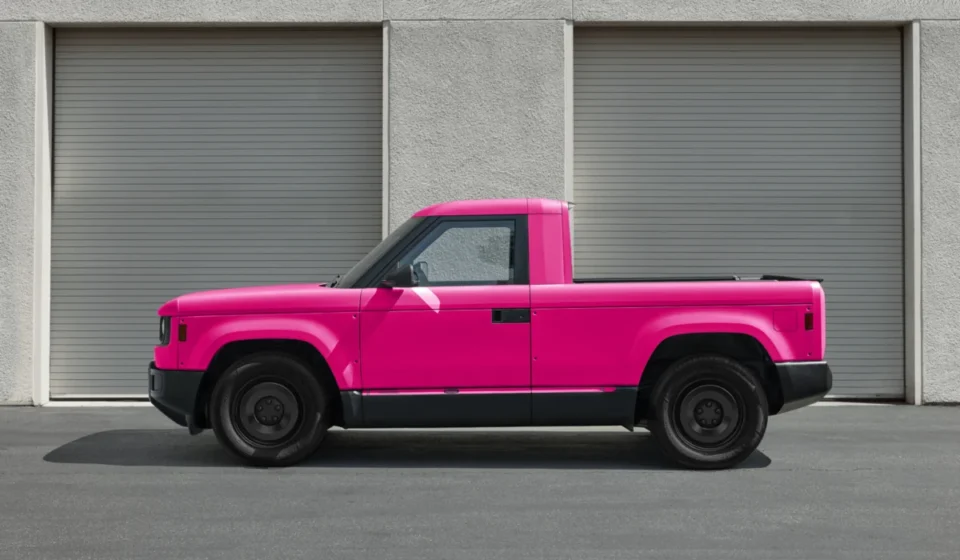
The Slate design team intentionally minimized compound curves on the vehicle’s exterior. In the automotive industry, compound curves—where a surface curves in two different directions simultaneously—are a hallmark of sleek, modern styling, but they are a nightmare for customization. By adopting a flatter, panel-based geometry, Slate has made the vehicle uniquely "wrap-friendly." This architectural choice allows owners to apply, remove, and swap vinyl wraps with relative ease, effectively lowering the barrier to entry for professional-grade customization.
The Philosophy of the "Blank Canvas"
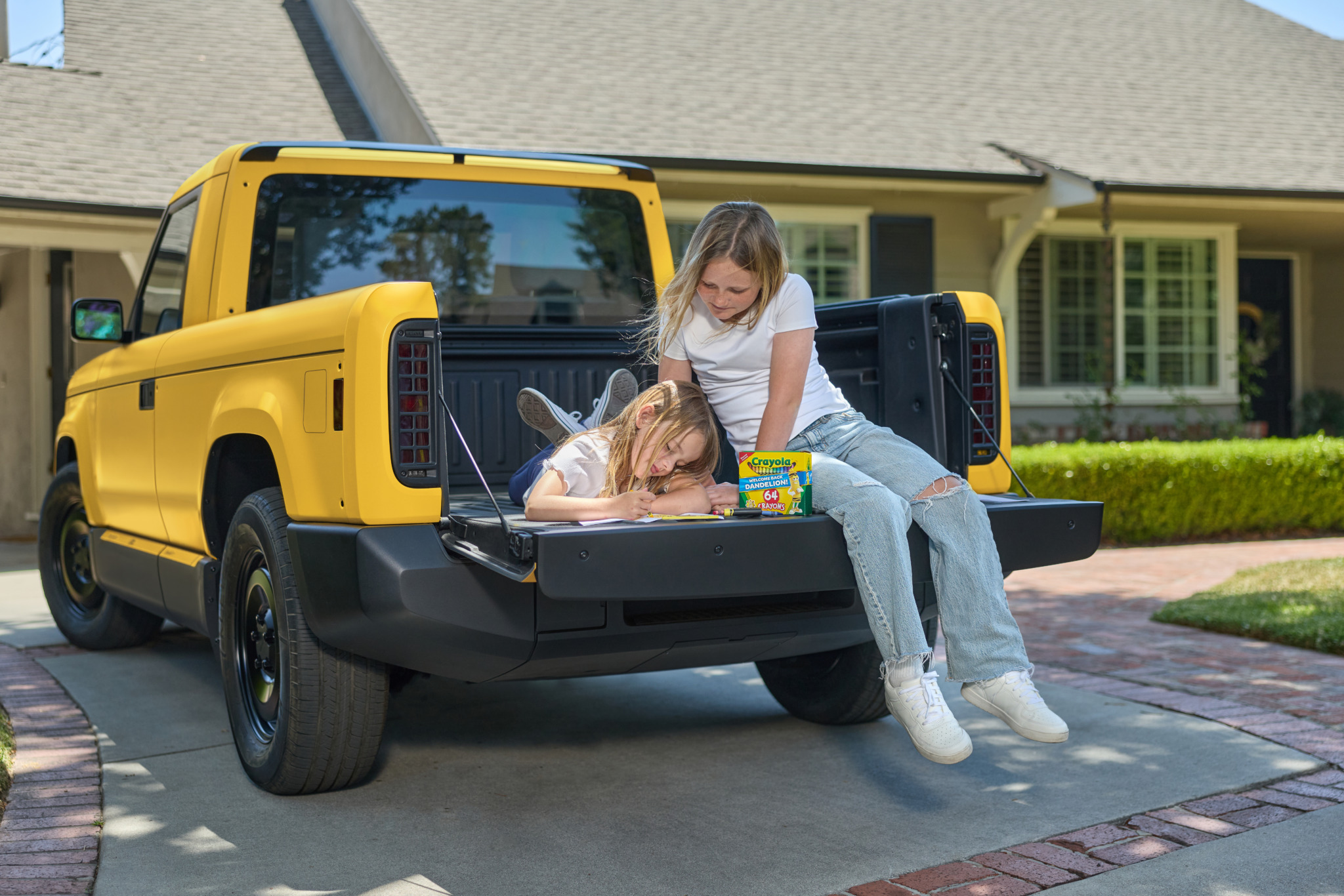
Ben Whitla, Slate’s Head of Brand and Marketing, describes the vehicle as a "blank canvas." The goal is to move away from the "static purchase" model—where a consumer chooses a color at the dealership and lives with it for the next decade—toward a "dynamic ownership" model. The truck is meant to change as the owner’s life changes, whether that means shifting from a professional aesthetic to a weekend-adventurer look, or simply refreshing the vehicle’s appearance to keep up with evolving personal styles.
Chronology of a New Automotive Category
The trajectory of the Slate Truck has been rapid and calculated. Following the company’s initial product unveiling, the market response highlighted a hunger for vehicles that feel less like appliances and more like lifestyle accessories.
- Initial Launch Phase: Slate opened preorders for its flagship truck, setting a price point ($24,950) that places it firmly in the accessible segment of the EV market.
- The Design Pivot: Shortly after the launch, the design team began focusing on the "post-purchase experience," identifying that the most significant pain point for vehicle owners is the permanence of factory paint.
- The Crayola Partnership: Within thirty days of the preorder window opening, Slate announced its first major design collaboration. By leveraging Crayola’s massive brand equity, Slate signaled that it was targeting a demographic that values creativity and nostalgia.
- Future Roadmap: With initial deliveries slated for late 2026, the company is currently building out its "Slate Marketplace," a digital and physical ecosystem where owners can source wraps, decals, and modular accessories.
Supporting Data: The Economics of Customization
The Slate Truck is not merely a novelty; it is a financial proposition aimed at changing the depreciation curve of modern vehicles.
Accessible Personalization
Traditional aftermarket paint jobs or high-end wraps often cost thousands of dollars, making them a luxury reserved for high-end vehicle owners. By modularizing the truck’s panels, Slate reduces the labor hours required for wrapping, making it an approachable upgrade. The "Slate x Crayola" starter packs, priced at $1,550, provide a comprehensive aesthetic overhaul that includes:

- Licensed color wraps (Cerulean, Dandelion, Fern, Jersey Tomato, and Razzmatazz).
- Coordinating graphic decals for side mirrors and rocker panels.
- Custom key fob caps.
- The "Slatelet," a collectible dashboard accessory.
The "Slatelet" Ecosystem
The inclusion of the "Slatelet"—a clip-on dashboard accessory—is a strategic move to build community. Much like the "Jeep Ducking" phenomenon, where owners place rubber ducks on other Jeep vehicles to foster a sense of belonging, the Slatelet is designed to be collected and traded. By tying this to the Crayola colorways, Slate is creating a gamified ownership experience that encourages users to participate in the brand’s community long after the initial sale.
Official Responses and Strategic Intent
The rationale behind the Crayola partnership, as articulated by the Slate leadership team, centers on the concept of "accessible nostalgia."
Why Crayola?
According to Ben Whitla, the choice of Crayola was driven by the brand’s universal appeal. "The brand has inspired creativity and self-expression for generations," Whitla notes. By choosing colors that are deeply embedded in the childhood memories of their target demographic, Slate is attempting to inject a "layer of fun" into the often sterile world of electric vehicle marketing.
The color palette itself is a masterclass in brand storytelling:

- Cerulean & Razzmatazz: Provide bold, modern statements.
- Dandelion: A formerly retired fan-favorite that brings a sense of exclusivity and retro-joy.
- Fern & Jersey Tomato: Offer earthy and vibrant tones that allow for a wide range of aesthetic expressions.
The Vision for "Evergreen" Ownership
Jeremy Snyder, Slate’s Chief Commercial Officer, emphasizes that the company is looking at the vehicle’s lifecycle through a different lens. The goal is to create ways for owners to "make a vehicle their own again and again over time." In the traditional automotive model, a vehicle is finished the moment it rolls off the assembly line. In the Slate model, the assembly line is just the beginning of the vehicle’s aesthetic journey.
Implications: The Shift Toward Modular Mobility
The Slate Truck represents a broader shift in the automotive industry toward modularity and consumer-driven design. This approach has several long-term implications for the market.
1. The Death of "Stock" Identity
As vehicle platforms become increasingly electrified and standardized, the chassis and drivetrain will become commodities. Manufacturers will differentiate themselves not by horsepower, but by how much "personality" they allow the owner to inject into the product. Slate is positioning itself as the leader in this "identity-based" automotive sector.
2. Sustainability Through Versatility
While wraps are typically seen as cosmetic, they serve a functional purpose in preserving the underlying panels of the truck. By facilitating an easy, affordable, and frequent change of the vehicle’s "skin," Slate may inadvertently increase the long-term utility and secondary market value of their trucks. A well-maintained vehicle that can be visually refreshed is less likely to be traded in for a new model simply because the owner is bored with the aesthetics.

3. The Democratization of Customization
By integrating customization into the sales process—allowing customers to order their wrap directly from the factory or the Slate Marketplace—the company is streamlining the supply chain. This is a significant departure from the fragmented aftermarket industry, where parts sourcing and professional installation are often difficult to coordinate.
4. A New Demographic for EVs
The Crayola collaboration specifically targets younger demographics and those who have historically felt alienated by the "tech-bro" aesthetic of many current EV startups. By pivoting toward color, playfulness, and individual identity, Slate is widening the funnel of potential EV adopters, proving that the transition to sustainable energy does not have to be a somber or strictly utilitarian affair.
Conclusion
The Slate Truck’s foray into the world of Crayola is more than just a creative marketing campaign; it is a manifestation of the company’s core engineering philosophy. By prioritizing modularity, ease of modification, and, perhaps most importantly, the psychological joy of ownership, Slate is carving out a unique niche in a crowded EV landscape.
As the 2026 delivery date approaches, the industry will be watching to see if this "blank canvas" strategy truly resonates with consumers. If Slate succeeds, it may well prove that the most important feature of an electric vehicle isn’t the software that drives it, but the canvas it provides for the driver’s own creativity. Whether it’s the nostalgic hue of Dandelion or the bold intensity of Razzmatazz, the Slate Truck is making a loud statement: the future of driving isn’t just electric—it’s whatever color you want it to be.