Comments Off on Mastering the Art of the Unreplicable Incentive Trip: Inside the Strategy of Industry Leader Amy McCollum
MINNEAPOLIS — In the high-stakes arena of corporate incentive travel, delivering a standard luxury vacation is no longer enough. Today’s top-performing sales executives, engineers, and enterprise leaders are well-traveled, highly discerning, and more than capable of booking their own five-star resort getaways. What they cannot buy, replicate, or arrange on their own is a truly exclusive, behind-the-scenes experience paired with genuine peer recognition.
That is the core philosophy of Amy McCollum, Vice President of Program Management at metroConnections, a Minneapolis-based, employee-owned event management firm. With more than 18 years of experience designing and executing corporate events and high-end incentive trips, McCollum has witnessed firsthand the shifting paradigms of corporate reward travel.
Her insights form the focal point of EventMobi’s premier monthly content series, "How to Run Your Best Event, Ever." The series spotlights veteran organizers who master specific event formats—ranging from sprawling trade shows to elite corporate retreats—breaking down the operational hurdles, strategic pivots, and hard-won lessons required to achieve perfection.
Main Facts: The Anatomy of Modern Incentive Travel
At its heart, an incentive trip is one of the most demanding event formats in the corporate calendar. The operational challenge lies in executing complex, global logistics while making the entire journey feel entirely effortless and magical to the attendee.
Key takeaways from McCollum’s methodology highlight a profound evolution in how companies must treat their top earners:
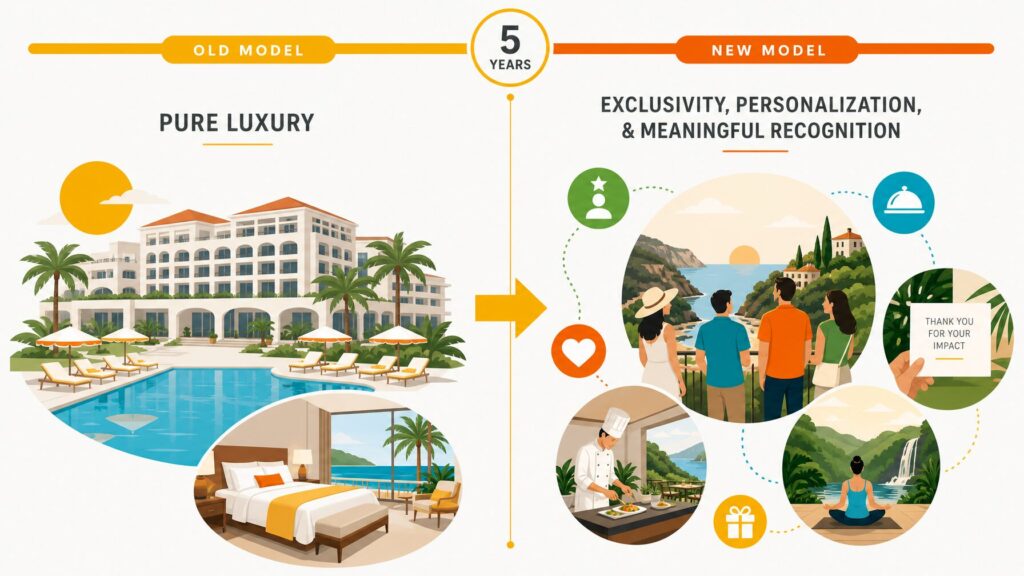
The Death of Generic Luxury: Five years ago, luxury was defined by a five-star property, upgraded hotel rooms, and a single grand spectacle. Today, luxury is a baseline expectation; true value is found in personalization and exclusivity.
Invisible Duty of Care: Comprehensive risk management and contingency planning must run silently in the background. If participants notice the safety net, the system has failed.
Holistic Programming: Successful incentive programs do not begin at the airport and end at checkout. They stretch across the entire annual qualifying period through pre-trip engagement and post-event momentum.
The Golden Rule: The trip must never morph into a vanity project for corporate executives or event planners. Every dollar and decision must anchor back to the top performers who earned the right to be there.
Chronology: The Evolution of the Incentive Industry
To understand where corporate incentive travel stands today, industry veterans look at how expectations have transformed over the past decade.
Phase One: The Era of Excess (Pre-2020)
For years, incentive trips relied heavily on traditional formulas: opulent international beach resorts, endless open bars, and one-size-fits-all itineraries. The primary objective was indulgence. Companies dropped heavy budgets on massive celebrity performances and sprawling venues, assuming that sheer scale equaled appreciation.
Phase Two: The Post-Pandemic Pivot (2021–2023)
As global travel resumed, consumer behavior shifted dramatically. High performers returned to the workforce craving connection, authenticity, and local immersion rather than generic opulence. Companies began rethinking large-scale group gatherings, placing a heavier emphasis on health, safety, and flexible scheduling.
Phase Three: The Era of Hyper-Personalization (Present)
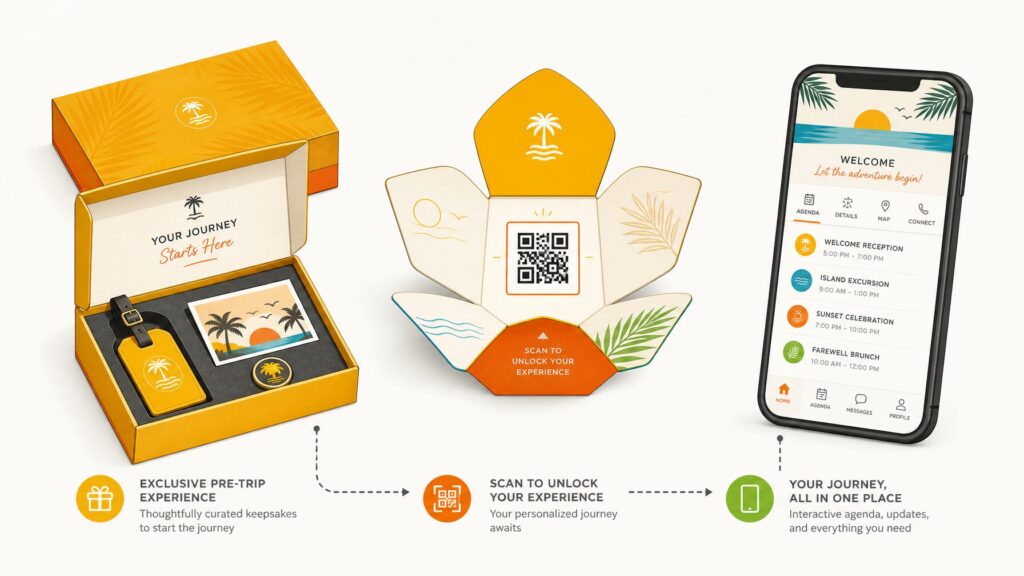
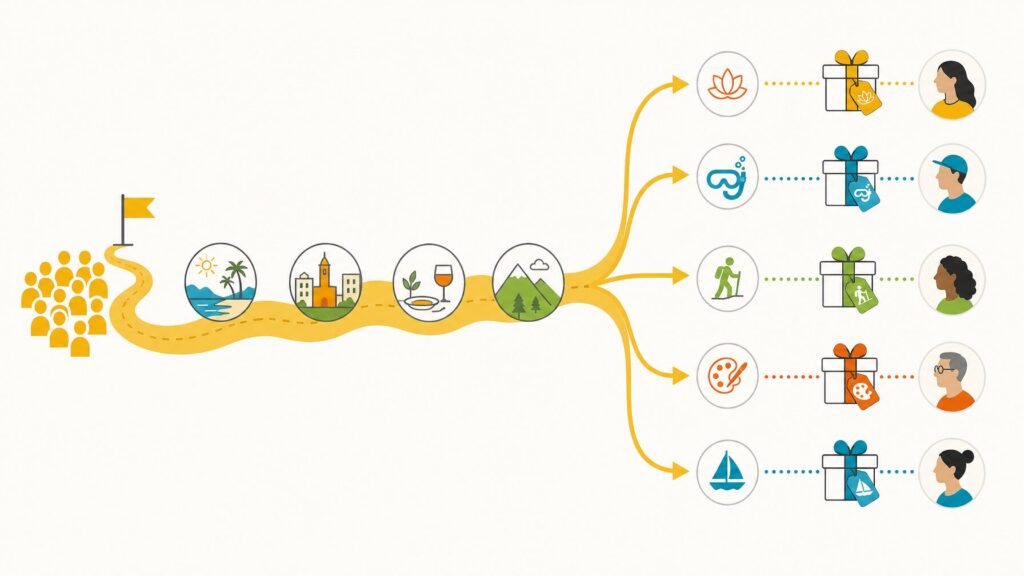
Today, incentive design relies on precision. Planners utilize rich registration data—ranging from dietary restrictions to personal preferences—to tailor welcome gifts and daily schedules. Programs like metroConnections utilize integrated physical and digital ecosystems, sending themed pre-trip discovery boxes months in advance and coupling them with interactive mobile applications for real-time engagement on the ground.
Supporting Data & Industry Observations
Executing an incentive program for hundreds of high-achieving winners requires balancing scalable operations with individualized care. According to metroConnections, incentive trips comprise approximately one-third of the agency’s total event portfolio, giving them a unique vantage point on corporate spending trends.
Pre-Trip Engagement Metrics: Modern campaigns leverage multi-channel touchpoints. For instance, a recent Greek incentive program featured physical mailers containing custom-branded wine tumblers, regional sangria recipes, and bespoke tile coasters. Embedded QR codes bridged the physical package directly to digital mobile agendas, boosting pre-event engagement and attendee readiness.
Risk Management Realities: Global travel volatility has forced organizations to elevate their duty-of-care protocols. Planners now maintain pre-scripted emergency communication sequences, portable microphone and audio packs for power outages, and localized contingency networks spanning every offsite activity—from whale-watching excursions to remote beach dinners.
Official Responses: Insights from the Front Lines
When asked what separates a truly great incentive program from a merely nice trip, Amy McCollum emphasizes the psychological impact on the winner.
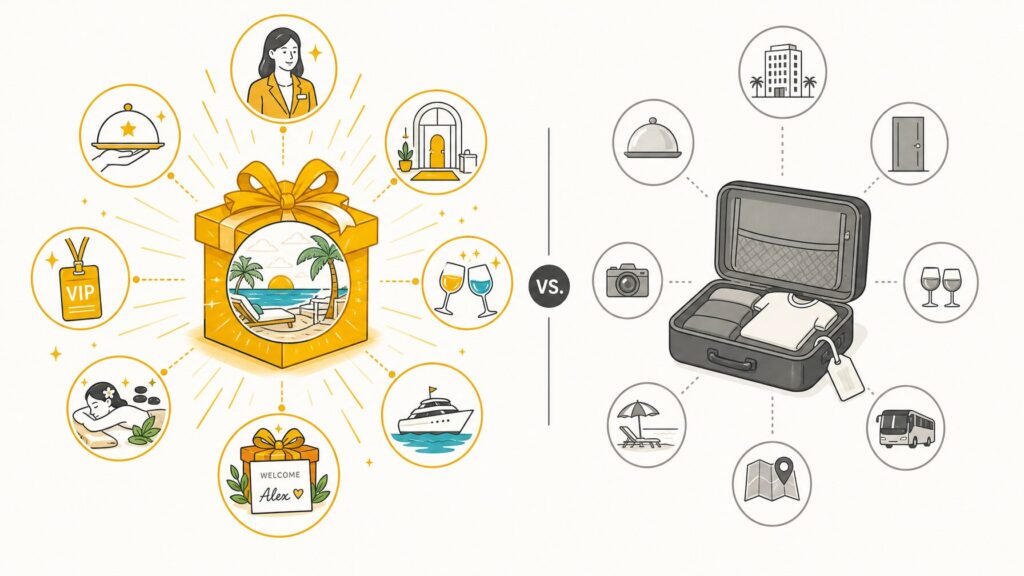
"Today’s top performers are well-traveled, and a lot of them can book their own luxury resort. What they can’t replicate is that behind-the-scenes, exclusive experience, and the meaningful recognition," McCollum explains.
Addressing how planners maintain individuality across massive groups, McCollum notes that success does not mean engineering hundreds of entirely unique trips. Rather, it means building thoughtful, flexible choices into a unified framework.
"For example, we recently went to wine country, and it was about knowing who drinks and who doesn’t. Just because we’re going there doesn’t mean you have to drink. So instead of delivering a bottle of wine to the room of someone who won’t enjoy it, we’ll do a mocktail with sparkling water and enhancements. It’s still a level up, so the attendee feels the welcome gift was designed for them."
On the topic of safety, McCollum stresses the importance of proactive attendee communication, noting real-world examples where minor oversights—such as guests skipping motion-sickness medication on a Monterey whale-watching tour or overexerting themselves during a beach volleyball match—underscored the need for clear risk disclosures.
"When people leave home, they sometimes put their minds and their liability in your hands. Don’t make assumptions that people will intuitively recognize their own limitations," she advises.
Implications: Strategic Takeaways for Corporate Planners
The insights shared by metroConnections carry significant implications for corporate leaders, HR directors, and event strategists planning future reward cycles.
Rethink the ROI of Recognition: Companies must evaluate whether their incentive programs actively drive sales performance, employee retention, and long-term engagement. Treats and trips should tie back directly into the corporate culture and strategic goals that justified the budget in the first place.
Avoid the Trap of "More": Pushing for endless production value and celebrity spectacles yields diminishing returns. Planners are urged to pivot toward intentionality, local cultural depth, and robust post-event recognition—such as office-display trophies or digital winner badges that sustain pride long after return flights land.
Audit Historical Templates: Organizations must resist the temptation to repeat historical itineraries out of habit. Periodic program refreshes ensure that repeat qualifiers are continuously surprised and delighted by fresh destinations and novel experiences.
Ultimately, the gold standard of incentive travel is defined not by how much money is spent, but by how deeply valued the recipient feels. By prioritizing exclusivity, seamless safety nets, and unwavering focus on the individual, corporate planners can transform a standard reward into an unforgettable milestone.