
Los Angeles is more than a geographic coordinate on the Pacific; it is a global cultural institution. As a sprawling metropolis of nearly four million residents, the "City of Angels" functions as a complex, multifaceted lifestyle brand. For the international traveler, L.A. represents the pinnacle of American aspiration—a place where the golden haze of Hollywood meets the rhythmic crash of the Pacific Ocean. Yet, for the uninitiated, the sheer scale of the city can be overwhelming. To truly experience Los Angeles, one must look past the superficial veneer of the Walk of Fame and delve into the authentic, localized rhythms of its diverse neighborhoods.
The Anatomy of an L.A. Experience: Main Facts
Los Angeles is defined by its geography as much as its industry. Spanning over 500 square miles, the city is a collection of distinct "villages" that feel like separate cities. While visitors often gravitate toward the neon-soaked allure of Hollywood or the glitz of Beverly Hills, the heartbeat of the city is found in its culinary diversity, its massive recreational spaces, and its quiet, coastal stretches.
The city’s climate—often characterized by "eternal spring"—is a primary driver of its tourism economy. However, the true "L.A. experience" is not found in a single landmark, but in the transition between them. From the high-density urban corridors of Downtown L.A. (DTLA) to the windswept cliffs of Malibu, the city demands a level of mobility that defines the local lifestyle.
A Chronology of the Modern Metropolis
The evolution of Los Angeles from a desert outpost to a global media hub is a story of rapid, forced growth.
- 1920s–1940s: The "Golden Age" of Hollywood cements the city’s identity as the world’s entertainment capital, leading to the massive suburban expansion that still defines L.A. geography today.
- 1960s–1980s: The development of the freeway system permanently altered the city’s social fabric, prioritizing the automobile as the essential tool for navigation.
- 2000s–Present: The "Downtown Renaissance" has redefined the city center, transforming former industrial districts into cultural hubs, art galleries, and upscale dining destinations, effectively moving the city away from its decentralized roots.
Navigating the Coast: The Pacific Coast Highway
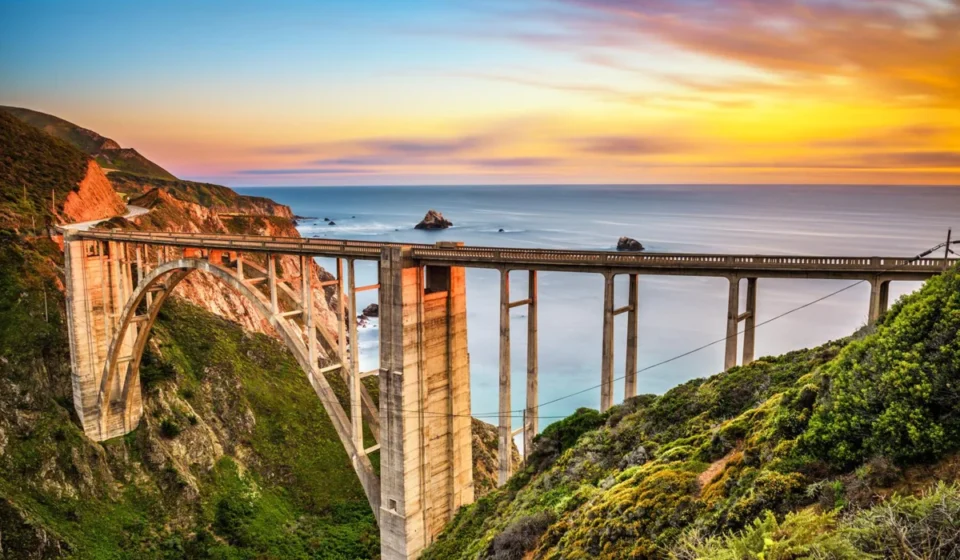
For any visitor, the quintessential L.A. journey begins where the concrete meets the Pacific. The stretch of Pacific Coast Highway (PCH) from Santa Monica to Malibu is more than a road; it is a vital artery of Southern California culture.
The Santa Monica Transition
Santa Monica serves as the bridge between the urban intensity of the city and the natural majesty of the coast. While the Santa Monica Pier remains a significant tourist draw, the true value lies in the transition northward.
The Malibu Culinary Circuit
To navigate this stretch like a local, one must prioritize the "casual-coastal" dining ethos. Rather than seeking out high-end, white-tablecloth establishments, the discerning traveler opts for local icons:
- Malibu Seafood: A legacy spot that offers an unpretentious, high-quality experience.
- Neptune’s Net: A storied biker-and-surfer hangout that offers arguably the most authentic views of the Pacific coastline.
- Broad Street Oyster Company: A modern addition to the scene, representing the current shift toward elevated, locally sourced seafood.
Supporting Data: The Logistics of L.A.
Tourism remains a bedrock of the Los Angeles economy. According to recent data from the Los Angeles Tourism & Convention Board, the city welcomes tens of millions of visitors annually, with a direct economic impact exceeding $30 billion.

| Metric | Impact/Data Point |
|---|---|
| Annual Tourism | ~50 Million Visitors |
| Direct Spending | $34.5 Billion (Estimated) |
| Employment | Over 500,000 hospitality-related jobs |
| Average Stay | 4.2 nights |
The density of the city, coupled with its massive infrastructure, requires careful planning. Visitors who rely solely on ride-sharing services often find themselves trapped by the city’s infamous gridlock. Seasoned travelers understand that timing is everything: traveling between 7:00 AM–9:00 AM or 4:00 PM–7:00 PM can add hours to a short transit, a reality that dictates the flow of local life.
Official Perspectives: The Tourist’s Dilemma
Local authorities and tourism bureaus often emphasize the need for "dispersed tourism." By encouraging visitors to explore neighborhoods like Silver Lake, Highland Park, or the Arts District, the city aims to alleviate the strain on traditional hotspots like the Hollywood Walk of Fame.
"The goal is to move the visitor beyond the postcard," says a spokesperson for the local tourism board. "Los Angeles is not a museum; it is a living, breathing urban environment. When visitors engage with local businesses in the Eastside or the South Bay, they are participating in the actual economy of the city, not just the tourism-facing facade."
Implications for the Future of Travel
The shift in travel trends toward "authentic immersion" has profound implications for Los Angeles. As visitors move away from the "checklist" style of tourism, the city is responding by investing in public transit, walkability, and green spaces.
However, the challenge remains: how to accommodate the influx of global visitors while maintaining the quality of life for the four million residents who call the city home? The answer lies in the democratization of the L.A. experience. By highlighting the hidden gems—the taco trucks in Boyle Heights, the hiking trails of the Santa Monica Mountains, and the independent theaters of the Westside—the city is positioning itself as a more sustainable, and ultimately more rewarding, destination.
Final Recommendations for the Discerning Traveler
If you are planning your trip, consider the following tenets:
- Ditch the Schedule: L.A. rewards those who allow for spontaneity. Allow two hours for any transit across the city.
- Eat Local: The best food in L.A. is rarely found in the tourist centers. Seek out regional specialties—Oaxacan mole, Korean BBQ, and classic L.A. deli culture.
- Nature as the Main Event: The beauty of L.A. is its proximity to nature. Use the mountains and beaches as your primary activity hubs, saving the urban exploration for the cooler evening hours.
- Engage the Locals: The best advice you will receive will come from a bartender or a barista. Ask where they go on their day off, and follow that advice.
Los Angeles is not a city you visit; it is a city you inhabit. By adopting a slower, more deliberate pace, you move from being a spectator of the Hollywood dream to a participant in the real, vibrant, and complex life of California’s largest metropolis. Whether you are driving the PCH at sunset or walking through the historic corridors of Downtown, the city offers a version of itself to everyone—you just have to be willing to look past the marquee lights.