Navigating the 2026 Social Holiday Rush: How Economic Pressures and Shifting Consumer Habits are Redefining Retail

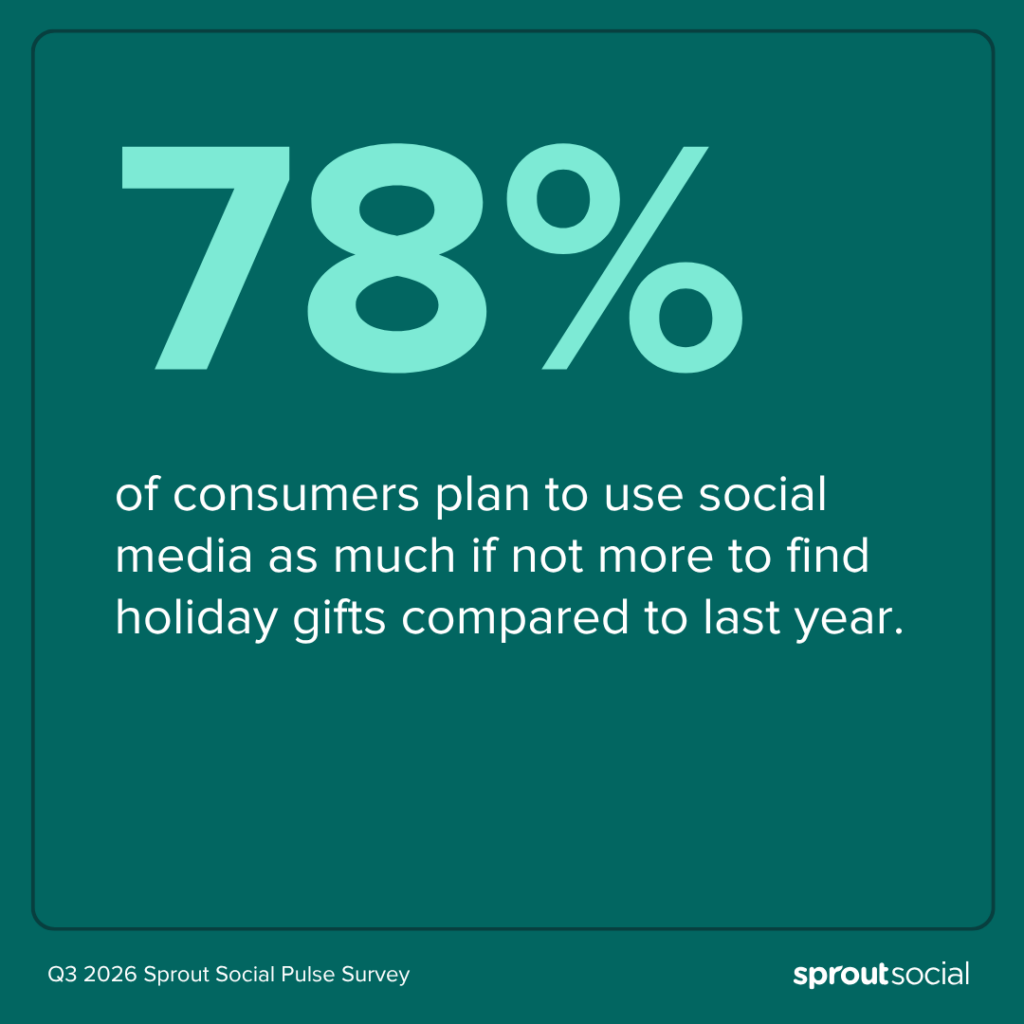
As the holiday season approaches, social media is once again proving to be the ultimate digital town square for festive planning. According to fresh data from the Q3 2026 Sprout Social Pulse Survey, more than three-quarters (78%) of consumers plan to use social media just as much—if not more—to hunt for holiday gifts this year compared to last.
Long gone are the days when social networks were used merely for inspiration or casual browsing. Today, social platforms have evolved into consumers’ favorite holiday marketing resource: an all-in-one destination for discovering gifts, unearthing the latest deals, and seeking out rapid customer service.
However, the 2026 holiday shopping landscape is governed by a unique paradox. Plagued by economic tightening, tariff-related price anxieties, and shifting personal preferences, consumers are caught between what they want brands to do and what they must do to protect their wallets. For brands and marketers aiming to maximize return on investment (ROI) this festive season, understanding these cross-currents is no longer optional—it is a survival imperative.

Main Facts: The 2026 Holiday Shopping Blueprint
The data collected from 2,286 consumers across the United States, the United Kingdom, and Australia highlights several fundamental shifts in how holiday commerce will operate this year:
- Social Dominance in Discovery: Social media now ties with physical brick-and-mortar stores as the number one destination for holiday gift discovery (46%). For Gen Z and Millennials, social platforms take the undisputed crown, with at least half of these cohorts relying on social feeds to choose gifts.
- Economic Strain Drives Behavior: Approximately 56% of consumers plan to reduce their overall holiday spending due to current economic conditions. Furthermore, 69% express significant concern over price increases driven by tariffs.
- The Rise of In-App Purchases: Over half of all consumers are open to purchasing products directly inside social media apps—making features like TikTok Shop, Instagram Checkout, and Facebook Shops vital conversion engines.
- Social Customer Care Peaks: Roughly 86% of users plan to use social media just as much or more to get customer service questions answered this holiday season, putting intense pressure on brand response teams.
Chronology: The Timeline Disconnect Between Brands and Buyers
One of the most fascinating narratives of the 2026 retail cycle is the growing disconnect between corporate campaign timelines and actual consumer sentiment.
The March Toward Early Marketing
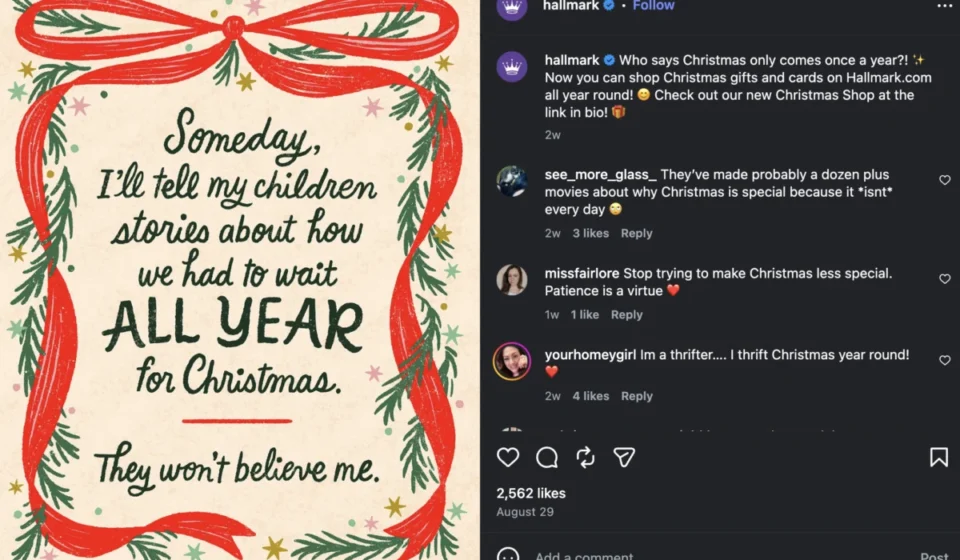
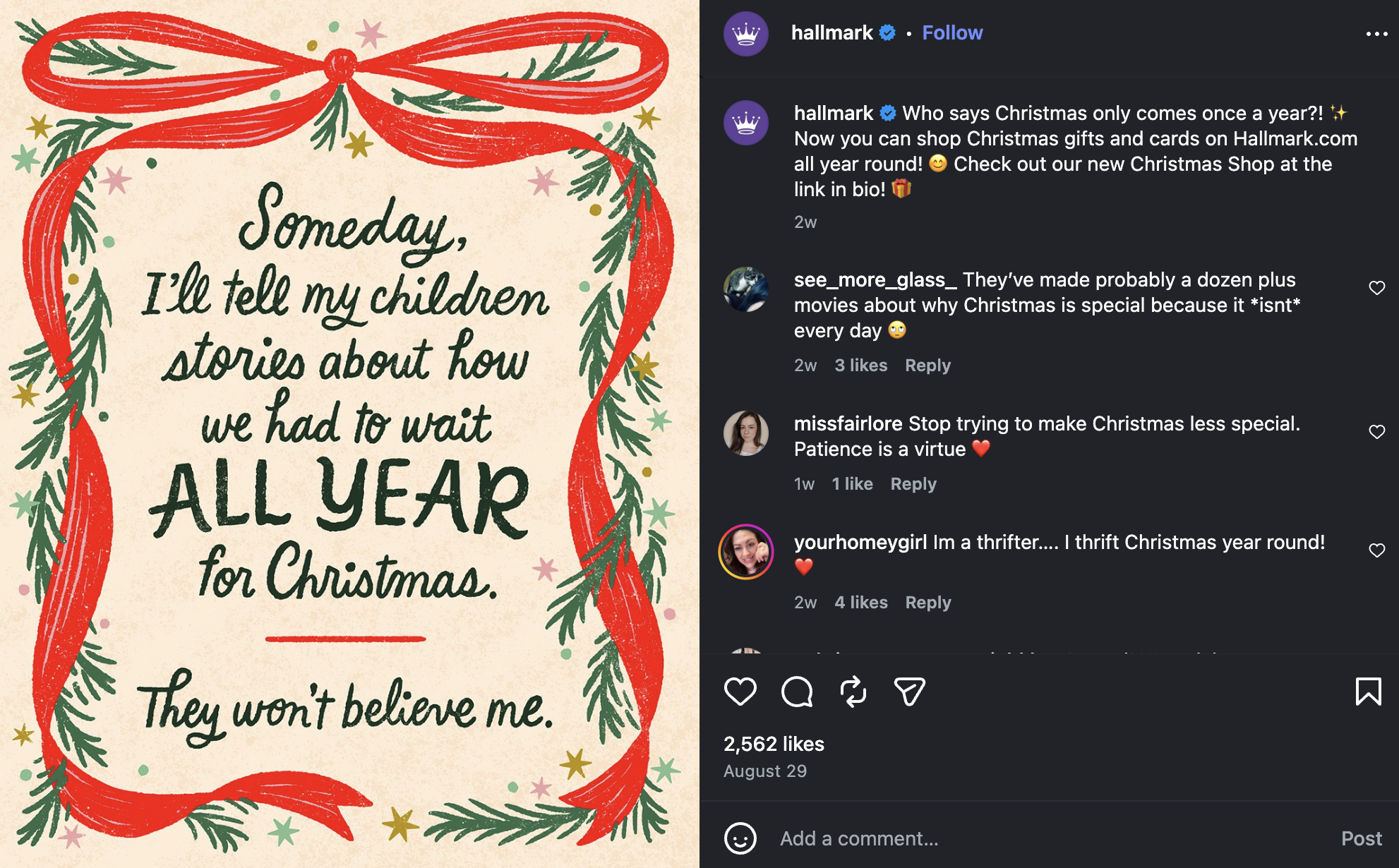
Holiday milestones and marketing campaigns have been creeping earlier into the calendar with each passing year. In 2026, social users witnessed "Summerween" celebrations as early as June, Starbucks rolled out its iconic Pumpkin Spice Latte in August, and legacy retailers like Hallmark began pushing online Christmas shops during the same late-summer window.
The Consumer Preference Shift
Yet, these hyper-early timelines run counter to what consumers say they actually desire. When asked about ideal start dates, 50% of surveyed consumers stated that brands should kick off holiday advertising in October. This represents a distinct shift from 2025 preferences, where August and September were favored.
The Reality of Buying Behavior
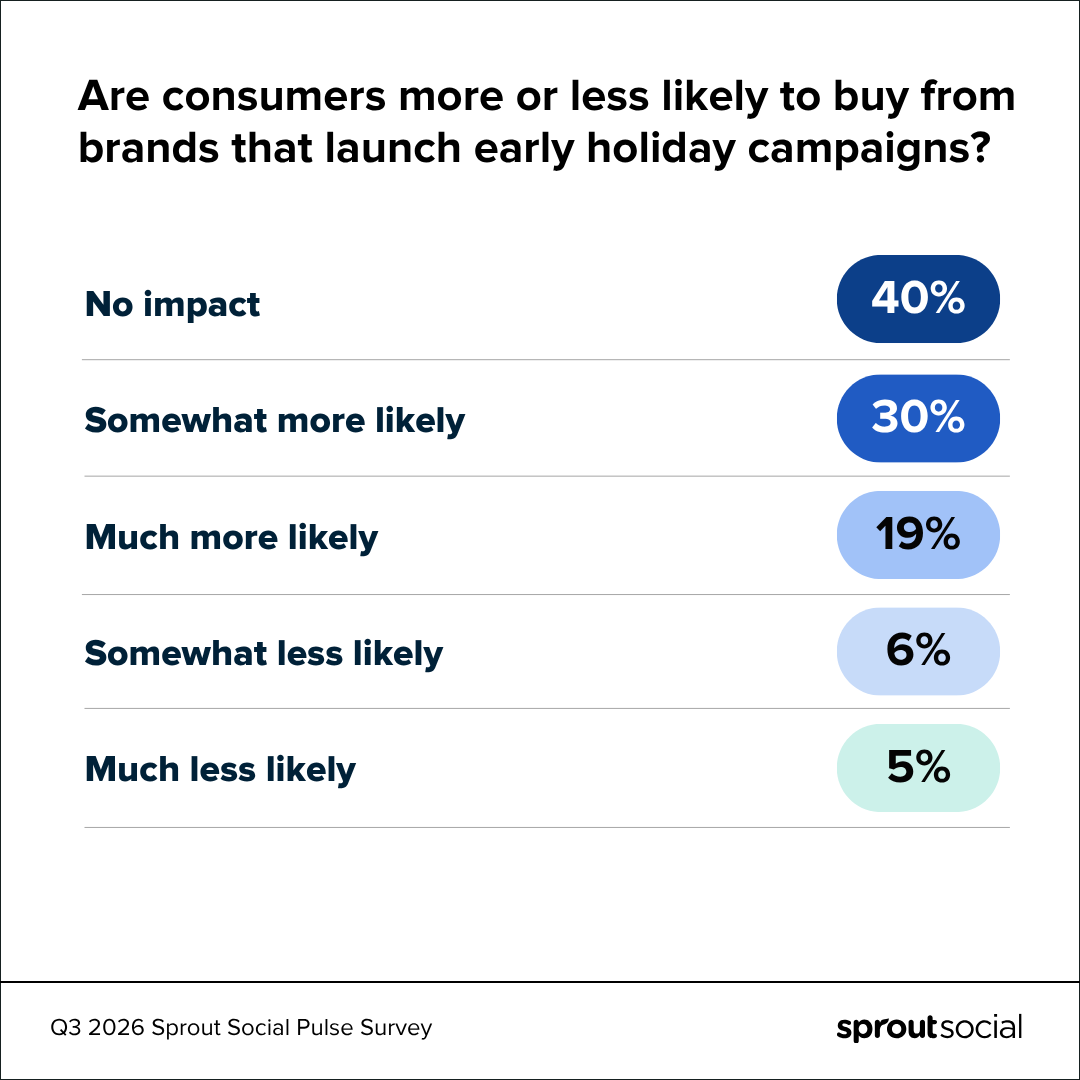
Despite this stated preference for an October kickoff, consumer timing preferences do not dictate their actual purchasing habits. Data reveals that 40% of shoppers say campaigns starting as early as August have zero impact on their decision to buy. More importantly, nearly 50% reported that they are either somewhat more likely or much more likely to buy from a brand that advertises as early as August.
Strategic Takeaway for Brands: Ideal campaign timing is rarely a core motivator for shoppers. Posting a holiday message too soon or too late will not make or break a sale. Instead of agonizing over the calendar, marketers must shift their attention toward campaign content and value-driven messaging that resonates deeply with target audiences.
Supporting Data: Economic Pressures, Tariffs, and Purchase Drivers
While campaign timing may not dictate consumer behavior, economic realities certainly do. Tariff anxieties and tightened household budgets are fundamentally altering how and when people shop.
Beating Price Hikes
Driven by fears of tariff-related price surges, 69% of consumers are worried about rising costs. To combat this, 36% of shoppers plan to begin their holiday purchasing earlier than usual to secure items before potential future price hikes take effect.
What Actually Drives Conversions?
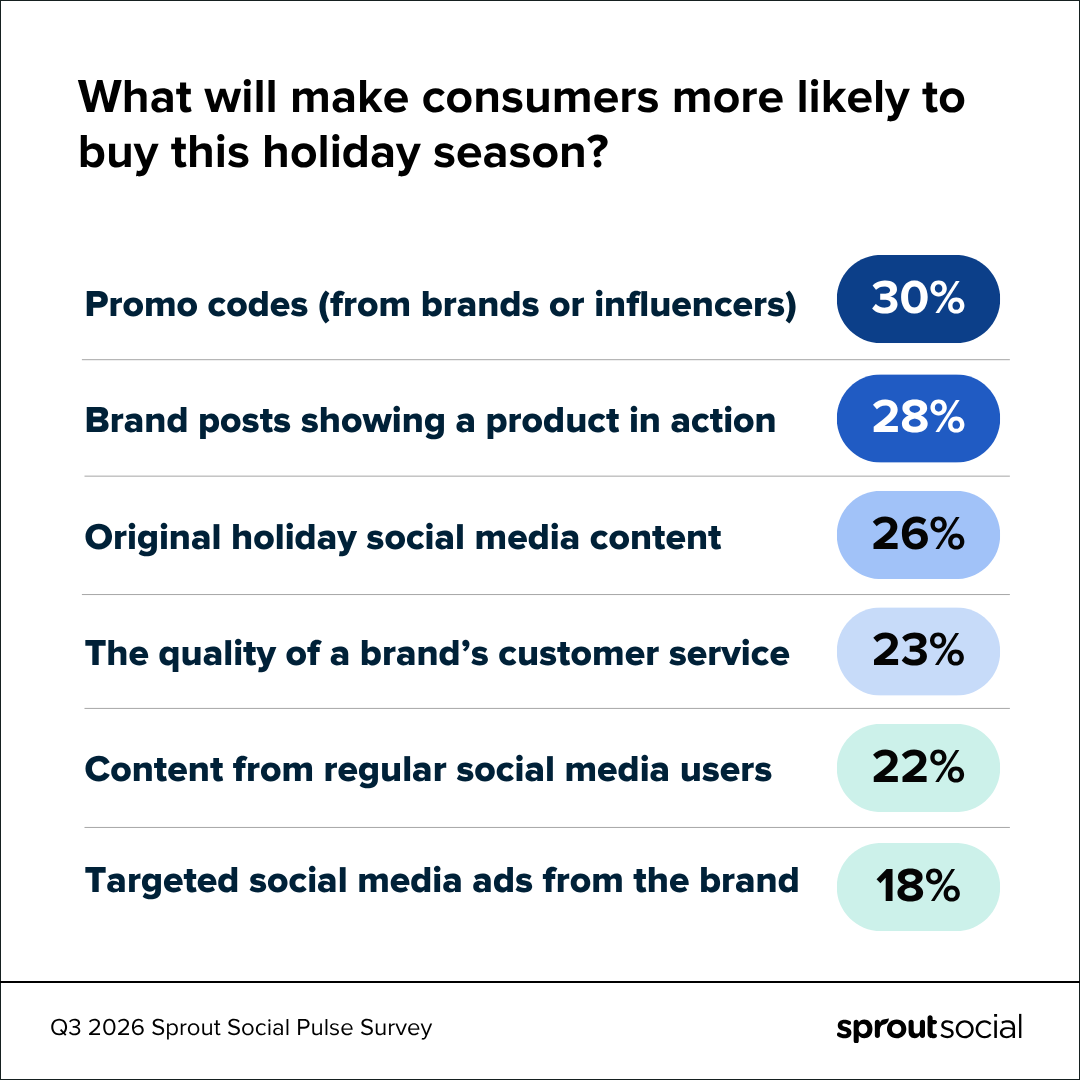
With budgets squeezed, brands must look closely at what motivates price-conscious consumers to click "Buy." According to the survey data, tactical incentives lead the pack:
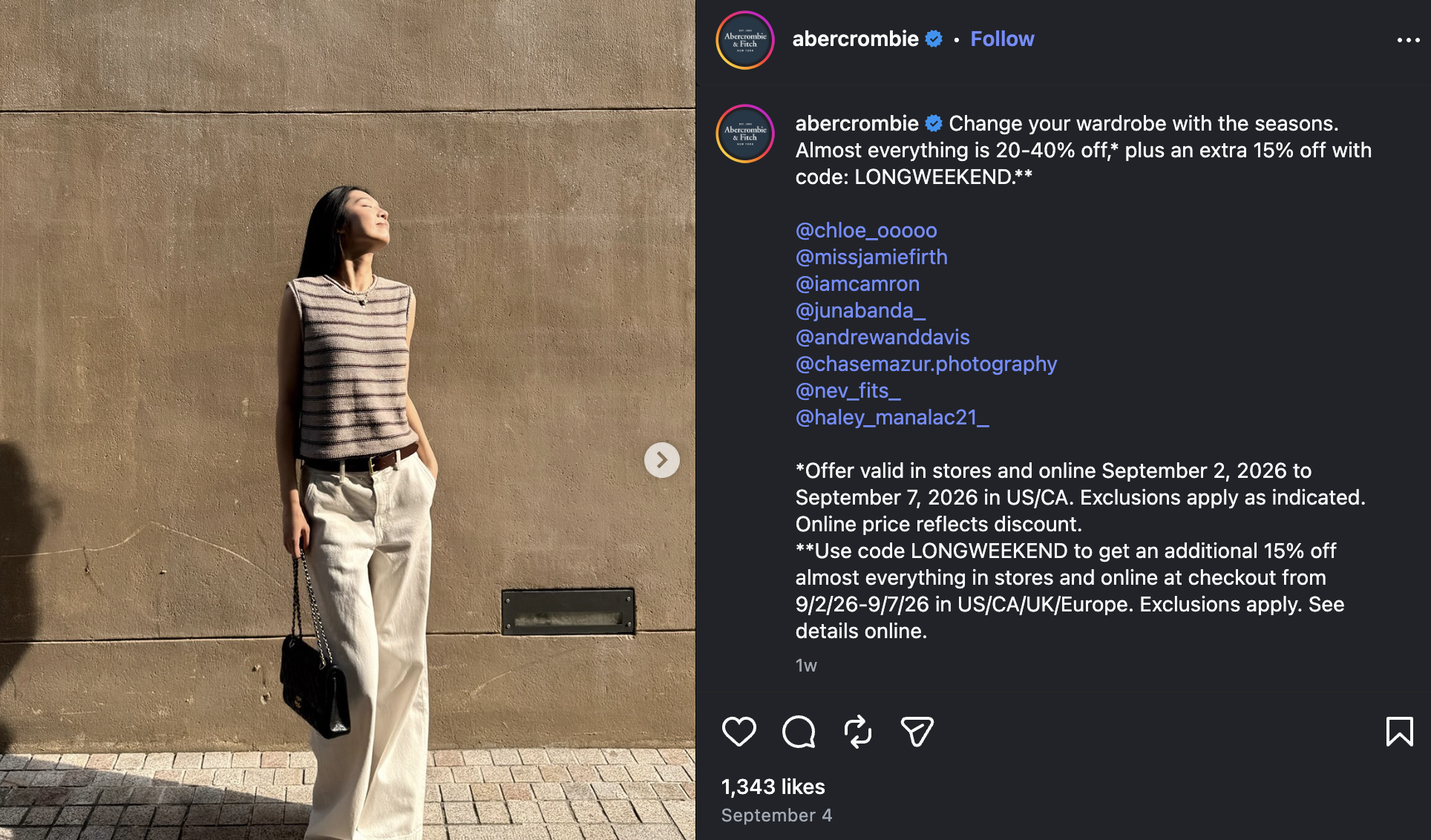
- Promo Codes (30%): Whether sourced directly from the brand or via influencer campaigns, discount codes are the primary catalyst for capturing attention, highlighting an intense post-inflationary value-consciousness.
- Products in Action (28%): Consumers want visual proof of how items actually work before opening their wallets.
- Original Holiday Content (23%): Brands that create fresh, creative, and holiday-specific content stand out in cluttered feeds.
Interestingly, this marks a pivot from 2025, where stellar customer service and user-generated content (UGC) held the top spots for driving purchase intent. In 2026, price value and functional demonstrations reign supreme.
Official Responses and Industry Insights
As retailers brace for the fourth-quarter rush, industry experts and customer experience strategists are weighing in on how to operationalize these trends without burning out marketing and support teams.
Bridging Content and Commerce
"Consumers are turning to social not just to discover gifts and deals, but to make informed, trusted purchase decisions shaped by friends, family, and other users," notes retail analysts observing the Q3 Pulse Survey results. Because social media bridges the gap between inspiration and checkout, experts advise brands to build frictionless, end-to-end shopping journeys. By utilizing native checkout tools, brands can minimize user friction, transforming a passive scroller into a paying customer within seconds.
The AI Imperative in Social Customer Care
With 86% of users expecting to use social media for customer service inquiries—and 70% demanding a response within 24 hours—retailers face a massive support bottleneck. Furthermore, consumer preferences regarding communication channels are shifting: while direct messages (DMs) remain the preferred method (55%), nearly one-third of consumers (31%) now reach out to brands directly through public comment sections.
To manage this public-facing influx of queries, brands are increasingly turning to Artificial Intelligence. Fortunately, consumer sentiment is largely welcoming: 70% of consumers are comfortable with brands offloading routine tasks to AI in the name of better service (a number that jumps to 77% among Gen Z).
However, industry leaders offer a word of caution: AI should be deployed behind the scenes—prioritizing incoming messages, analyzing sentiment, and drafting initial responses—while keeping a human in the loop. Because 89% of consumers state that response time dictates brand reputation, and public comments expose errors to the world, maintaining a balance of speed and personal quality is critical.
Implications for Brands and the Road Ahead
The 2026 holiday shopping season is a defining moment for social commerce. It proves that social media is no longer just an auxiliary marketing channel; it is the core infrastructure of modern retail discovery and conversion.
To set your brand up for a prosperous holiday season—and lay the groundwork for a happy new year—consider the following strategic roadmap:
- Embrace Influencer Partnerships for Value: Because promo codes and product demonstrations are top conversion drivers, collaborate with creators who can simultaneously deliver discount incentives and show your products in action.
- Optimize for Social Search: With social media acting as a primary search engine for Gen Z and Millennials, ensure your holiday content is optimized using social search strategies. Make sure your products show up when users look for reviews, recommendations, and festive inspiration.
- Prepare Your Support Infrastructure: Do not wait for holiday complaints to flood your DMs and comments sections. Populate your social channels with robust self-help resources, FAQs, and a well-trained customer service team backed by smart AI tools.
Ultimately, brands that blend originality, economic empathy, seamless value, and rapid responsiveness will capture the hearts—and wallets—of today’s discerning holiday shopper.
Methodology Note: Unless otherwise noted, data cited in this report is derived from the Q3 2026 Pulse Survey conducted by Panoplai on behalf of Sprout Social. The online survey polled 2,286 consumers across the United States, the United Kingdom, and Australia between August 11 and August 18, 2026.
Related posts: